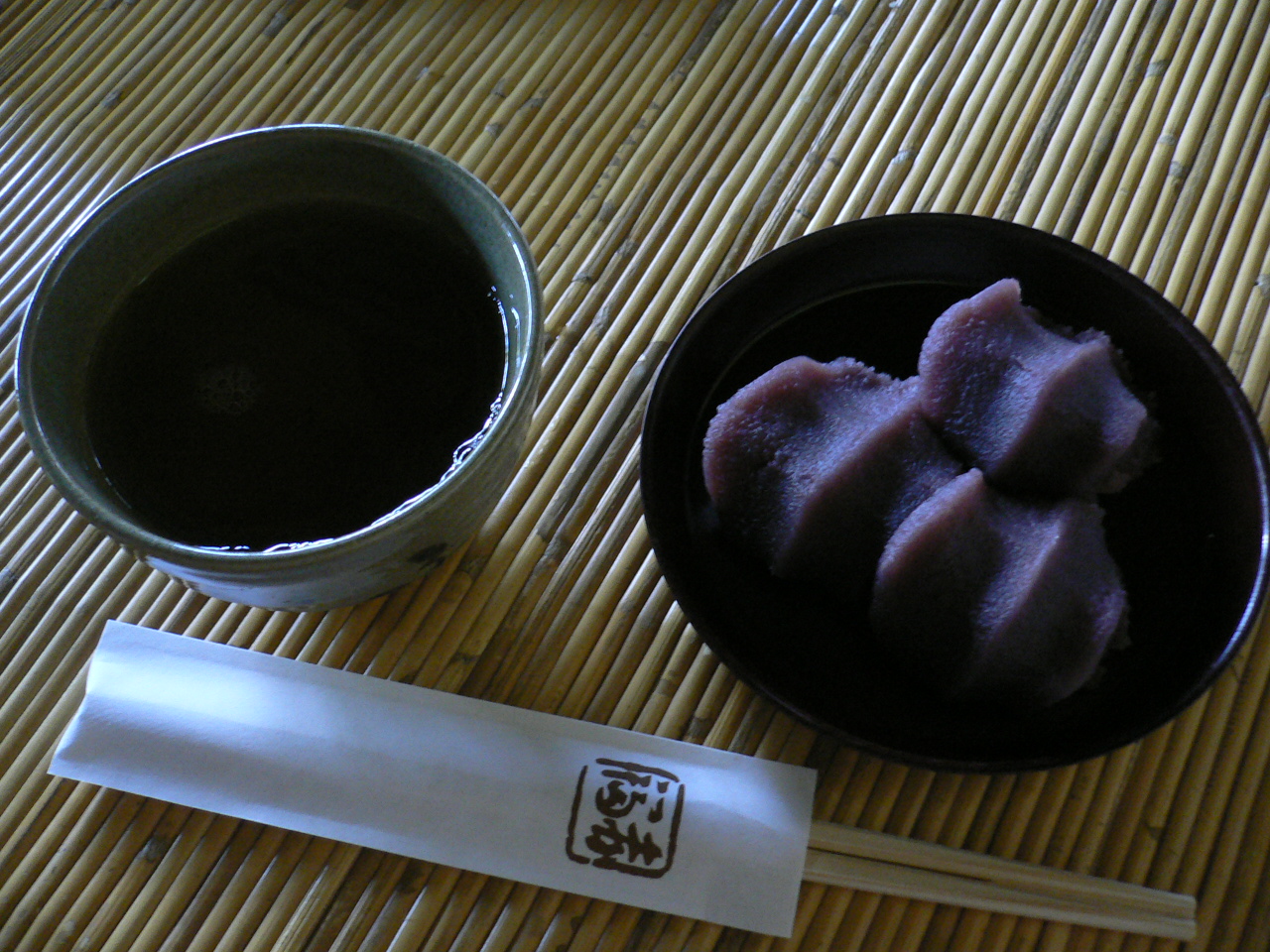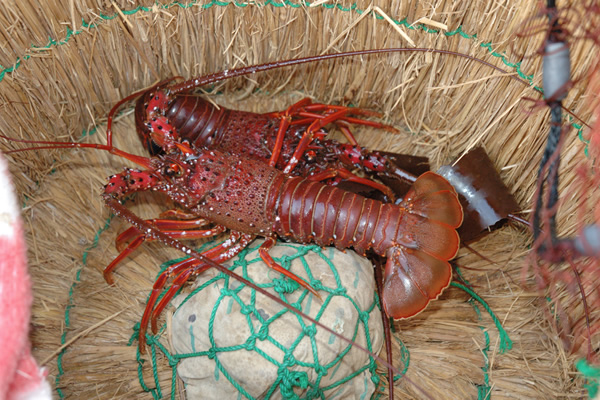
Ise-ebi, the Japanese spiny lobster, is the most celebrated seafood of the Ise-Shima coast and a symbol of good fortune, its armoured red form long used as an auspicious New Year decoration. Caught in the rocky waters off Mie from autumn through spring, it is prized for firm, sweet, springy flesh that outshines clawed lobsters, and the region serves it every luxurious way: as translucent sashimi (ise-ebi no o-tsukuri), grilled or steamed in the shell, deep-fried, and simmered into a rich miso soup made from the heads. It is the headline treat of a coastal kaiseki dinner and the natural partner to an ama-hut feast.
🗓️ At a Glance
| Location | Ise-Shima coast (Toba, Shima), Mie |
| Hours | Restaurant hours vary |
| Admission | Course meals ¥6,000+; ranges by size |
| Time needed | Part of a meal |
| Best time | Autumn–winter (season opens ~October) |
What to Try
- Ise-ebi sashimi, translucent and sweet.
- Grilled or steamed in the shell over charcoal.
- Rich miso soup made from the lobster heads.
- The centerpiece of a coastal kaiseki dinner.
Combine Your Visit
- Combine with an ama diver seafood hut feast.
- Pair with Ago Bay scenery and cruises.
- Read our Mie overview .
Getting There
- Where: ryokan and seafood restaurants along the Toba–Shima coast.
- Season: the fishery runs roughly October to April; freshest in season.
Tips
Come in season — the spiny-lobster fishery opens around October and runs through winter, when ise-ebi is freshest and most abundant, and coastal ryokan build their kaiseki dinners around it. Sashimi shows off the sweet, springy flesh best, but don’t skip the head miso soup, which many locals consider the finest part; a stay at a seafood ryokan is the classic way to enjoy the full spread.