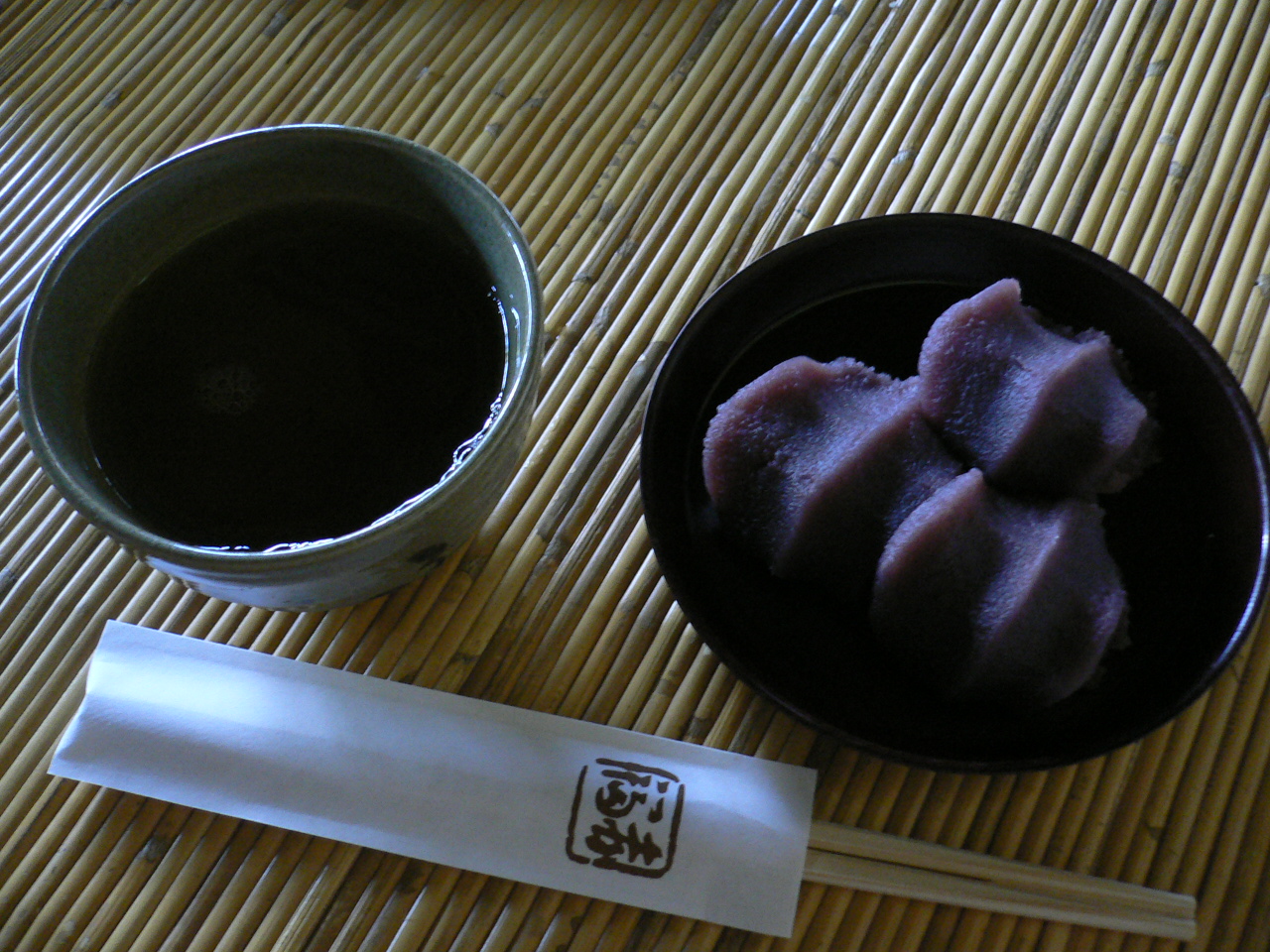
Stretching along the Isuzu River before the Naiku’s gate, Oharaimachi is the historic approach street to Ise Jingu, its stone-paved kilometre lined with traditional wooden merchant houses that have served pilgrims for centuries. At its heart is Okage Yokocho, a lovingly recreated quarter of Edo- and Meiji-era townscape packed with some 50 shops and eateries — a place to try soft Ise udon, grilled skewers, seafood and craft, and above all the famous Akafuku mochi, red-bean sweets served here since 1707. The atmosphere is festive and delicious, the perfect worldly complement to the sacred shrine.
🗓️ At a Glance
| Location | Ise (Naiku gate), Mie |
| Hours | Shops ~9:30–17:00 (later in peak seasons) |
| Admission | Free to stroll |
| Time needed | 1–2 hours |
| Best time | After a morning Naiku visit |
What to Do
- The Edo-era wooden streetscape of Oharaimachi and Okage Yokocho.
- Ise udon, soft noodles in dark sweet-savoury tare.
- The famous Akafuku mochi, made here since 1707.
- Grilled skewers, seafood, sake and craft along the lane.
Combine Your Visit
- Combine with the Naiku Inner Shrine at the gate.
- Pair with Akafuku mochi at its historic main shop.
- Read our Mie overview .
Getting There
- By bus: to the Naiku; Oharaimachi runs from the shrine gate.
- On foot: the whole lane is walkable in a leisurely stroll.
Tips
Come hungry and graze — the street is designed for it, and the standing snacks are the point. It’s busiest late morning to early afternoon when shrine visitors flood in, so arriving right after an early Naiku visit gives you the pick of the food stalls before the crowds; the Akafuku main shop with its riverside tearoom is the classic stop for tea and mochi.