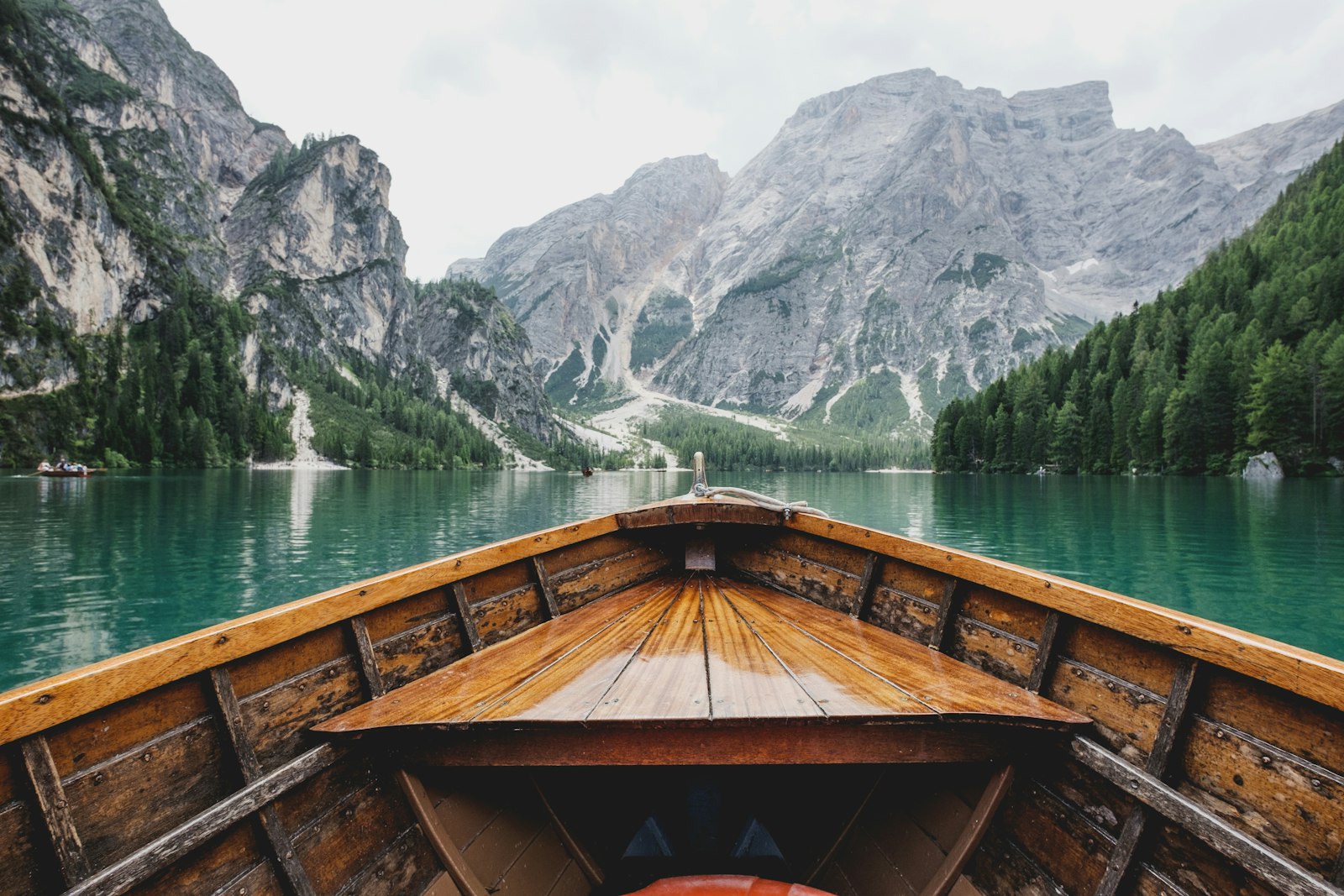
Miyagi Prefecture anchors the Tohoku region with Sendai — the north’s largest city — and contains Matsushima Bay, ranked by the samurai poet Matsuo Basho in the 17th century as one of Japan’s three most scenic views. The prefecture’s hot spring scene centres on Naruko Onsen — a kokeshi doll-making village with five different spring types emerging within a 6 km radius.
Best Areas to Stay
Matsushima — Pine Islands Bay
A bay scattered with 260 pine-forested islands — best viewed from the temple pavilions of Zuiganji or from a sightseeing boat. Ryokan and inns line the Matsushima waterfront with bay-facing rooms. Best for: classic scenic Japan, seafood lovers, photographers.
Sendai — Regional Hub
Tohoku’s largest city with direct Shinkansen access from Tokyo (1h35min). Famous for Tanabata Festival (August 6–8) and gyutan (beef tongue) cuisine. Best for: business travellers, regional base, Tanabata Festival.
Naruko Onsen
A remote mountain hot spring town with five spring types — sulfuric, sodium bicarbonate, salt, iron, and clear. The kokeshi wooden doll-carving workshops are a Naruko specialty — visitors can attend carving demonstrations and buy from the craftspeople. Best for: onsen culture, traditional crafts.
Matsushima Ryokan
Taikanso ⭐⭐⭐⭐⭐
The flagship ryokan of Matsushima Bay — occupying a hillside above the bay with unobstructed views of the pine islands. Private outdoor baths with bay views, exceptional kaiseki using local oysters and sea cucumber from Matsushima Bay. ¥35,000–¥70,000/pp.
Matsushima Ichinobo ⭐⭐⭐⭐
A large-scale ryokan on the Matsushima waterfront — wide corridor windows face the bay, with fishing boats and pine islands framed like a living painting. Multiple spring baths; Matsushima oyster and abalone dishes dominate the kaiseki. ¥25,000–¥50,000/pp.
Hotel Matsushima Onsen (Mid-Range)
More affordable than the major ryokan while still offering bay views. A natural hot spring bath facility on the top floor with panoramic windows. ¥15,000–¥22,000/night.
Naruko Onsen Ryokan
Yunohana So ⭐⭐⭐⭐
A traditional multi-building wooden ryokan in central Naruko — the communal outdoor bath uses milky white alkaline sulfuric water that leaves skin remarkably smooth. Dinner features Miyagi mountain vegetables, river fish, and local rice. ¥20,000–¥35,000/pp.
Tatsumikan
An old-fashioned ryokan that doubles as a kokeshi doll museum — the hallways are lined with hundreds of vintage kokeshi. ¥16,000–¥26,000/pp. The owner demonstrates kokeshi carving for overnight guests.
Sendai Hotels
Westin Sendai ⭐⭐⭐⭐⭐
The luxury flagship of Sendai — upper floor rooms have views toward Zao mountain range. The restaurant serves excellent gyutan (beef tongue) in a refined setting, a contrast to the casual street restaurants. ¥28,000–¥55,000/night.
Hotel Metropolitan Sendai East ⭐⭐⭐⭐
Connected to Sendai Station. Well-managed, comfortable rooms, and excellent gyutan breakfast available. Most convenient transport hub. ¥15,000–¥25,000/night.
Dormy Inn Premium Sendai Ekimae
Natural hot spring bath (sourced from Naruko Onsen water delivered by tanker), late-night ramen, and central location near Sendai Station’s restaurant floors. ¥10,000–¥16,000/night.
Practical Tips
- Matsushima oysters: Matsushima Bay produces oysters from November to March — the cold water concentrates the umami. Waterfront restaurants near Matsushima Station serve them grilled, raw, fried, or in miso soup. Book waterfront ryokan meals that specify “Matsushima-gaki” on the menu.
- Sendai Tanabata Festival: August 6–8 — the largest Tanabata festival in Japan, with enormous multicoloured paper streamers suspended over the Ichiban-cho shopping arcade. Book Sendai hotels 3–6 months ahead for this period.
- Naruko access: Naruko Onsen is on the Rikuu East Line from Furukawa Station (Shinkansen connection). The train winds through beech forest — a scenic ride in autumn.
- Gyutan in Sendai: Sendai beef tongue (gyutan) is typically grilled over charcoal, served with barley rice and oxtail soup. The best-known brands (Rikyu, Tanyamei) have queues but are worth it.
- Naruko kokeshi: The kokeshi doll is a Naruko specialty — made on a lathe from dogwood, with a distinctive slit-eyed face and cylindrical body. Visit the Naruko Onsen kokeshi workshop street (Togari Onsen) to watch craftspeople at work.