Miyagi Prefecture Nature and Outdoor Guide for International Visitors
Miyagi Prefecture, anchored by the modern city of Sendai in Japan’s Tohoku region, offers extraordinary natural diversity—from one of Japan’s most celebrated gorges to a rugged Pacific coastline shaped by both geological forces and recent history. This guide reveals the prefecture’s finest outdoor experiences for international visitors seeking authentic encounters with Japanese nature and meaningful cultural landscapes.
1. Naruko Gorge (鳴子峡): Tohoku’s Autumn Masterpiece
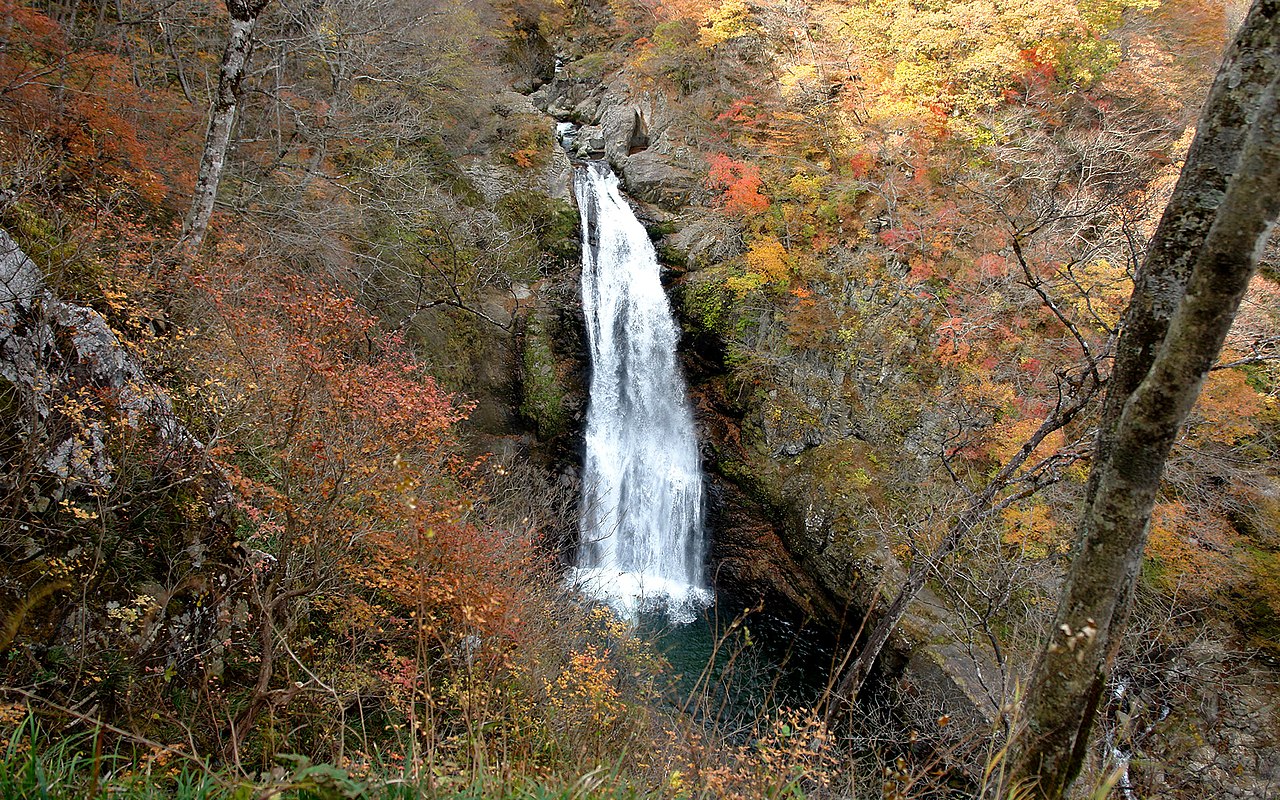
Naruko Gorge ranks among Japan’s most spectacular autumn destinations, though it remains refreshingly uncrowded compared to Kyoto’s famous sites. This dramatic 100-meter-deep canyon, carved by the Otonashi River, transforms into a blazing tapestry of crimson, gold, and orange each fall, with vertical walls of Japanese maple, oak, and beech creating an almost surreal intensity of color.
Best viewing locations: The iconic Ofukazawa Bridge (大深沢橋) provides the definitive gorge panorama, with the canyon spreading below in all directions. Arrive early morning when mist often rises from the river, adding atmospheric depth to photographs. The viewing platform here becomes busy between 10am-2pm during peak season. A second excellent vantage point is the Naruko Gorge Rest House observation deck, offering a different angle and interpretation displays.
The gorge trail: A moderately challenging footpath descends from the Rest House to the riverbed (approximately 2.7km, 45 minutes round trip). The trail provides intimate perspectives impossible from above—walking beneath the towering maple canopy with the river rushing alongside. Wear proper hiking shoes; sections can be slippery, especially after rain. The trail is typically open April through November, weather permitting.
Timing your visit: Peak autumn color occurs from late October through early November, with exact timing varying by approximately one week annually depending on temperatures. Check the Naruko Tourism Association website for current reports from mid-October onward. The gorge offers pleasant hiking in late spring and summer as well, with lush greenery and cooler temperatures.
Access and combination itinerary: From JR Naruko Onsen Station (accessible via the Rikuu-East Line from Sendai), the gorge is 10 minutes by taxi or local bus (infrequent service—check schedules carefully). The ideal itinerary combines morning gorge viewing with afternoon relaxation at Naruko Onsen, one of Tohoku’s historic hot spring towns. The town’s alkaline waters are renowned for skin-softening properties. Many ryokan offer day-use bathing (higaeri nyuyoku) from ¥500-1,500, with kaiseki dinner options. Budget 4-6 hours total from Sendai for this combination experience.
2. Sanriku Coast: Recovery and Remembrance
The Sanriku Coast represents perhaps Japan’s most meaningful travel destination—a landscape of profound natural beauty inseparable from the story of the March 2011 tsunami and the extraordinary human recovery that followed. Visiting this coast, particularly Minami-Sanriku and Onagawa, offers international visitors rare insight into Japanese resilience, community values, and the ongoing relationship between people and an unpredictable ocean.
Minami-Sanriku (南三陸): This fishing town, devastated in 2011 with the loss of over 600 residents, has rebuilt with remarkable vision. The Minami-Sanriku 3.11 Disaster Memorial Museum (opened October 2022) provides essential context through video testimonies, preserved artifacts, and reconstruction timelines. The storytelling avoids sensationalism while honestly conveying both tragedy and hope. English audio guides available. The former Disaster Prevention Office Building, left standing as skeletal ruins, serves as an official memorial site—a powerful reminder visible from the new elevated town center.
The reconstructed town features raised commercial districts, improved evacuation routes, and the striking Sun Sun Shopping Village with fresh seafood restaurants. Local volunteers often lead “storyteller tours” in Japanese (some English interpretation available), walking visitors through the landscape while sharing personal experiences.
Onagawa (女川): This port town’s “compact city” redevelopment exemplifies innovative disaster recovery. The entire downtown was rebuilt on higher ground, with a new promenade leading from the elevated station to the harbor. The design incorporates extensive seawalls hidden within the landscape architecture. Onagawa Onsen Yupoppo offers ocean-view hot spring bathing safely above tsunami reach—a symbolic reclaiming of coastal living. The town’s seafood is exceptional; try the grilled fish at restaurants along the new waterfront.
Access: Minami-Sanriku requires a car (1.5 hours from Sendai) or infrequent bus service from Sendai Station. Onagawa is accessible via JR Ishinomaki Line (90 minutes from Sendai). Allow a full day for either destination, or two days to explore both thoughtfully.
3. Oshika Peninsula (牡鹿半島): Wild Geopark Coast
Jutting into the Pacific, the Oshika Peninsula feels remarkably remote despite its proximity to Sendai (90 minutes). Designated Japan’s first Coastal Geopark, the peninsula’s layered geology tells 500 million years of tectonic history through exposed rock formations, dramatic cliffs, and unique coastal topography.
The peninsula’s wild character extends to its wildlife—sika deer roam freely, seabirds nest on offshore rocks, and fishing villages cling to protected bays. The coastal drive (Route 260) offers numerous pull-offs with dramatic ocean vistas, particularly along the eastern shore.
Kinkasan Island: This sacred island, visible offshore, hosts the 1,250-year-old Koganeyama Shrine where pilgrims traditionally come for three consecutive years to ensure lifetime prosperity. Uniquely, semi-wild Japanese deer inhabit the island, considered sacred messengers. Ferry access from Ayukawa port (25 minutes, several daily departures). The island offers hiking trails through primeval forest and coastal paths—plan 3-4 hours for a meaningful visit.
4. Matsushima: Beyond the Tourist Boats
While Matsushima Bay is famous for its “three great views of Japan,” most visitors miss the area’s finest natural experiences by only taking the standard sightseeing cruise.
Oshima Island: Connected by pedestrian bridge, this small island offers a mystical cedar forest walk through ancient Buddhist rock carvings and meditation caves. Completely free and rarely crowded—arrive at sunrise for extraordinary atmosphere.
Fukuurajima Island: This 1.5km coastal trail (¥200 entry) loops through semi-wild gardens, pine groves, and rocky shoreline with bay views. The cultivated-yet-natural aesthetic exemplifies Japanese landscape philosophy. Particularly beautiful in September morning mist or crisp winter clarity when frost defines every pine needle.
5. Sendai’s Hirose River: Urban Nature Sanctuary
The Hirose River greenway provides accessible nature woven through Sendai’s urban fabric. This linear park system offers cycling and jogging paths, riverside cherry blossom viewing (stunning in early April), and picnic lawns where families spread tarps for hanami parties. The river culture reflects Sendai’s “City of Trees” identity—nature as daily experience rather than distant destination.
Practical details: Rent bicycles at Sendai Station (several shops, approximately ¥500/day) and follow the riverside path west toward Aoba Castle ruins. The July Tanabata Festival decorates bridges with enormous paper streamers creating colorful tunnels above the water—a unique fusion of urban festival and natural setting.
Seasonal Planning: Spring (April-May) for cherry blossoms and comfortable hiking; summer (June-August) for coastal exploration and festivals; autumn (October-November) for Naruko Gorge peak colors; winter (December-February) for onsen experiences and stark coastal beauty.
Miyagi’s nature tells stories—of geological time, seasonal transformation, and human resilience. These landscapes invite not just observation but meaningful connection.