Miyagi Prefecture Onsen & Hot Spring Guide for International Visitors
Miyagi Prefecture, located in Japan’s Tohoku region, is a hidden treasure for onsen enthusiasts. While less internationally famous than Hakone or Beppu, Miyagi offers some of Japan’s most diverse and authentic hot spring experiences, from the mineral-rich waters of Naruko to the historic imperial baths of Akiu. This guide will help international visitors navigate the prefecture’s best onsen destinations.
1. Naruko Onsen (鳴子温泉): Japan’s Hot Spring Diversity Capital
Naruko Onsen stands out as one of Japan’s most geologically diverse hot spring areas. Within this compact mountain town, you’ll find an extraordinary 11 different spring types—including sulfur, sodium chloride, iron, sodium bicarbonate, and even mildly radioactive waters—all within walking distance. This concentration of mineral variety is virtually unmatched in Japan.
The Yu-Meguri Multi-Bath Trail
The town’s signature experience is the yu-meguri (湯めぐり, “hot spring tour”), which allows visitors to sample seven different public bathhouses using a special wooden stamp card. For under ¥2,500, you can spend a day (or several) hopping between communal baths, each with distinct water properties and atmospheres. The stamp card itself becomes a meaningful souvenir, gradually filling with colorful stamps as you complete your onsen pilgrimage.
Each bathhouse offers a unique experience: one might feature cloudy white sulfur water that leaves your skin silky smooth, while another offers clear sodium chloride water known for warming the body deeply. The variety means you can genuinely feel the different therapeutic properties—from the distinctive sulfur aroma to the rusty-brown tint of iron-rich waters.
Naruko Kokeshi Dolls
Beyond hot springs, Naruko is the birthplace of Naruko kokeshi—traditional wooden dolls characterized by their round heads and distinctive squeaking sound when the head is twisted. Numerous workshops line the streets where artisans still hand-craft these folk art pieces. Many visitors combine onsen hopping with browsing kokeshi shops, making for a culturally rich day.
Access and Accommodation
Naruko Onsen is approximately 1.5 hours from Sendai by rental car via the Tohoku Expressway, or 2+ hours by the JR Rikuu-East Line (change at Furukawa Station). The town offers everything from budget minshuku to luxurious ryokan. Recommended accommodations include Ryokan Oomiya (known for excellent kaiseki cuisine) and Takahashi Onsen Ryokan (offering multiple private baths with different spring types). Book well in advance during autumn foliage season.
2. Naruko Gorge: Combining Nature with Onsen Culture
Just 10 minutes by car from Naruko Onsen town lies Naruko Gorge (鳴子峡), one of Tohoku’s most spectacular natural attractions. The gorge features dramatic 100-meter-high cliffs that explode with color in late October, creating one of Japan’s finest autumn foliage displays.
A dedicated walking path allows visitors to experience the gorge from multiple viewpoints. The standard route takes about 40 minutes and is moderately easy, though some sections involve stairs. The contrast between the volcanic rock formations and brilliant red-orange maple leaves is breathtaking.
The perfect Miyagi autumn day: Arrive at Naruko Gorge by mid-morning for optimal lighting on the autumn leaves, complete the scenic walk by noon, then return to Naruko Onsen town for lunch and an afternoon of yu-meguri hot spring hopping. Your tired legs will thank you for the therapeutic soak after the gorge walk. This combination represents Miyagi prefecture tourism at its finest—nature, culture, and wellness seamlessly integrated.
3. Akiu Onsen (秋保温泉): Sendai’s Royal Bath
For visitors based in Sendai or those with limited time, Akiu Onsen offers premium hot spring experiences just 30 minutes from the city center by bus (Miyagi Kotsu bus from Sendai Station West Exit, approximately ¥800).
Akiu holds historical significance as one of Japan’s three “royal baths” (名湯 meito), historically favored by emperors for therapeutic purposes. The waters here are sodium chloride-calcium sulfate springs, known for treating fatigue and improving circulation.
Resort Options
Unlike Naruko’s intimate village atmosphere, Akiu features large-scale resort ryokan with comprehensive amenities—think spacious rooms, elaborate kaiseki dinners, multiple bath varieties (indoor, outdoor, private), and English-speaking staff. Hotel Sakan and Hotel Zuiho are particularly international-visitor friendly.
Akiu Otaki Waterfall
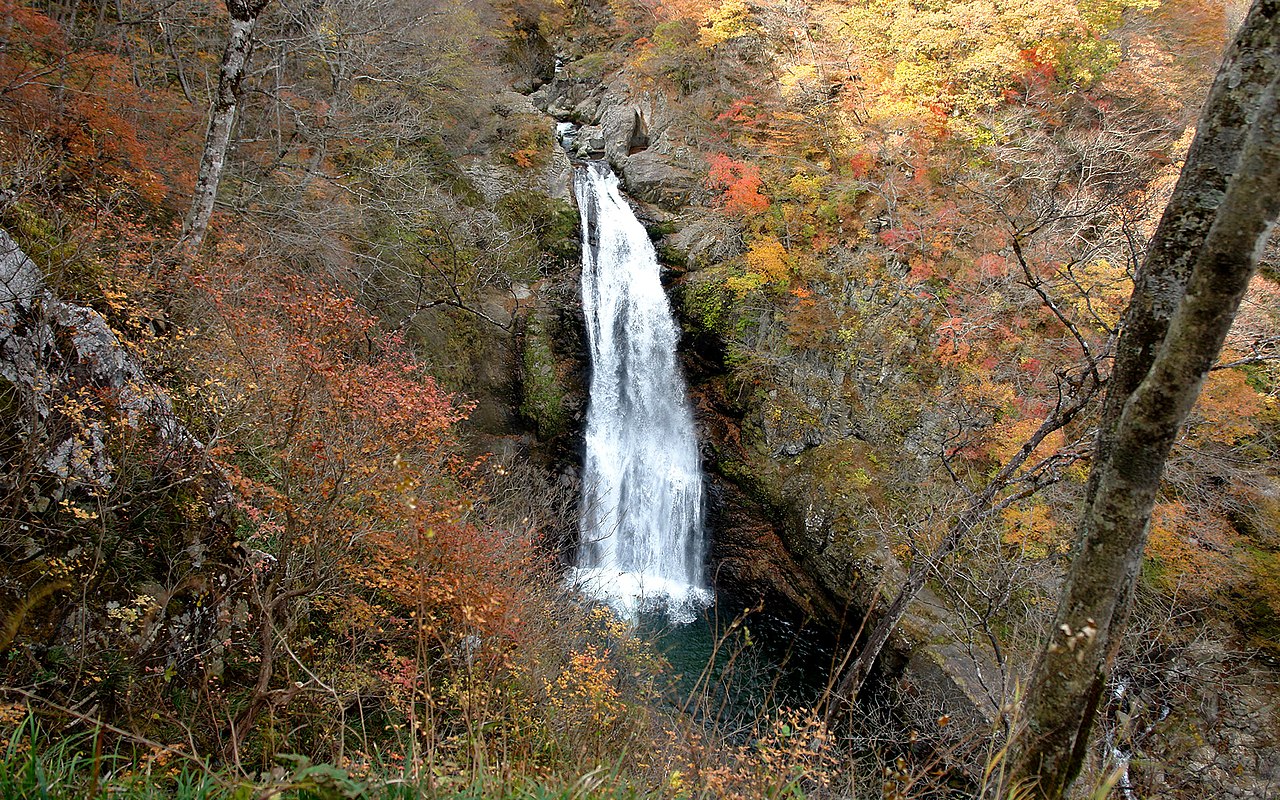
A 15-minute walk from the main onsen street brings you to Akiu Otaki (秋保大滝), a powerful 55-meter waterfall designated as one of Japan’s “100 Famous Waterfalls.” The basin pool and surrounding forest create a serene atmosphere perfect for pre- or post-bath contemplation.
Day-trip option: Several Akiu ryokan offer higaeri nyuyoku (日帰り入浴, day-use bathing) for ¥800-1,500, making it possible to enjoy high-quality hot springs and lunch without overnight accommodation—ideal for Sendai-based travelers.
4. Togatta Onsen (遠刈田温泉): Zao’s Quiet Village
Located on the Miyagi side of Mount Zao, Togatta Onsen offers a completely different character from Naruko—quieter, more traditional, and decidedly less touristic. This small village has been welcoming visitors since the early Edo period.
The communal baths here are remarkably affordable (¥250-350) and authentically local. Kampu no Yu and Shinyu are the two main public bathhouses, both featuring simple but genuine onsen experiences where you’ll bathe alongside local residents. The waters are alkaline simple springs, known for smooth, skin-softening properties.
Like Naruko, Togatta has strong kokeshi traditions, with several workshops where you can observe craftsmen and purchase authentic pieces. The village atmosphere is wonderfully peaceful, especially on weekday afternoons.
Togatta serves as an excellent base for exploring the Zao area, including the volcanic crater lake Okama (summer months only) and Zao Fox Village.
5. Practical Information for International Visitors
Yu-Meguri Passports
Purchase your Naruko yu-meguri passport at any participating bathhouse or the tourist information center near Naruko-Onsen Station.
Tattoo Policies
Naruko Onsen is generally more tolerant regarding small tattoos compared to other Japanese onsen areas. Larger tattoos may still require covering with waterproof tape (available at drugstores). Private baths (kazoku-buro) are always tattoo-friendly and can be reserved at most ryokan for ¥2,000-4,000 per session.
Booking in English
For English booking support, use platforms like Japanese Guest Houses, Japanican, or Rakuten Travel (English version). Many larger Akiu resort properties have English-speaking staff and international booking systems.
Autumn Viewing Strategy
If visiting for autumn foliage (late October), book accommodations 2-3 months ahead and plan your Naruko Gorge visit for weekday mornings to avoid crowds.
Miyagi’s onsen culture offers authentic, diverse experiences away from overtouristed routes—perfect for travelers seeking genuine Japanese hot spring traditions.