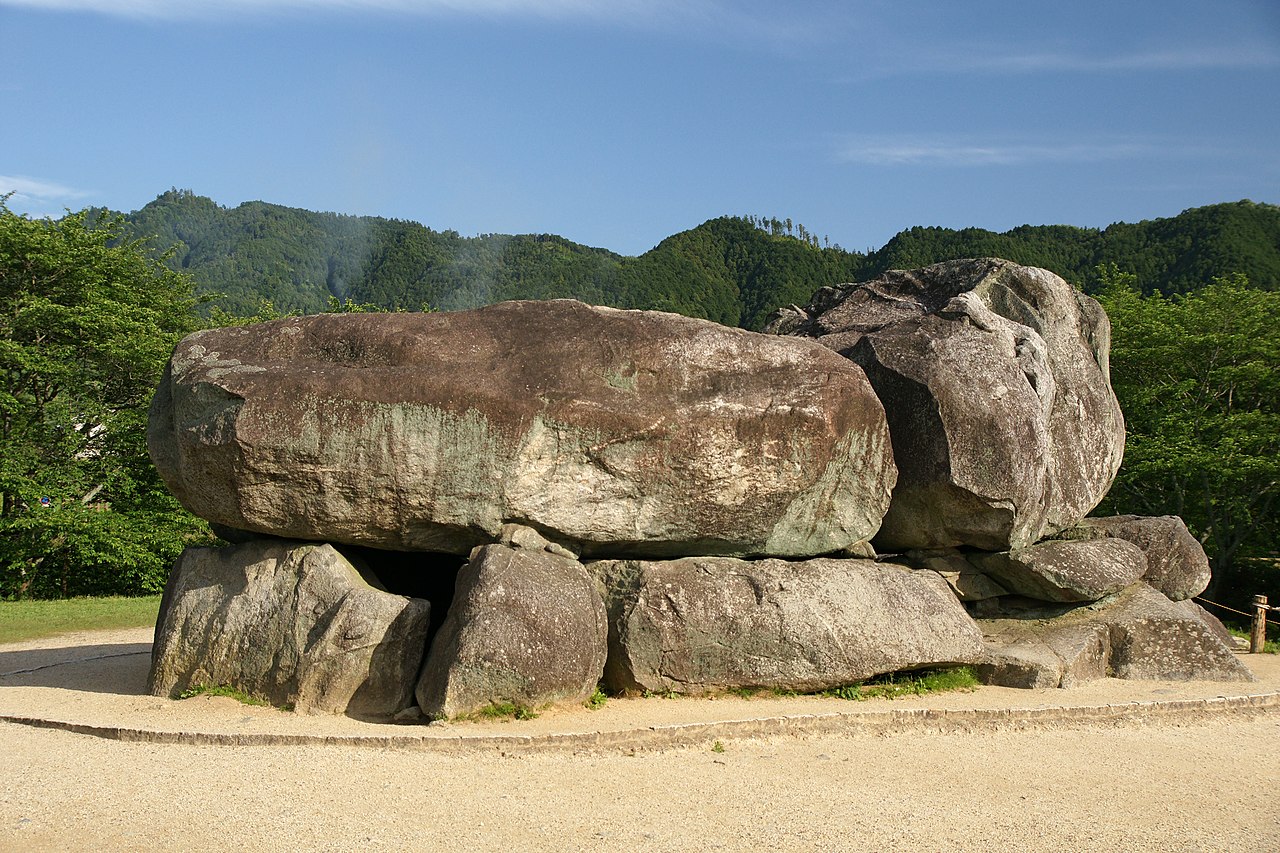
Gangoji is one of Nara’s quietest World Heritage treasures, tucked into the lanes of Naramachi — the merchant quarter that in fact grew up within this once-vast temple’s former grounds. Gangoji traces its origins to Asuka-dera, Japan’s very first full-scale Buddhist temple founded in 588, and when the capital moved to Nara the temple moved with it. Though far smaller today, its main hall (Gokurakubo) is a National Treasure, and remarkably some of its roof still bears original tiles from the Asuka period, over 1,400 years old — among the oldest roofing in the world — making a modest visit a brush with the very dawn of Japanese Buddhism.
🗓️ At a Glance
| Location | Naramachi, Nara |
| Hours | 9:00–17:00 |
| Admission | ~¥500 |
| Time needed | 30–45 minutes |
| Best time | Year-round; combine with Naramachi |
What to See
- The National Treasure main hall (Gokurakubo).
- 1,400-year-old Asuka-period roof tiles, among the world’s oldest.
- The temple’s descent from Japan’s first Buddhist temple.
- A tranquil World Heritage site within Naramachi’s lanes.
Combine Your Visit
- Combine with a stroll through Naramachi around it.
- Pair with Kofukuji and Nara Park just north.
- Read our Nara overview .
Getting There
- On foot: within Naramachi, a short walk south of Sarusawa Pond.
- Combine: it sits naturally within a Naramachi wander.
Tips
Look up at the roof of the main hall: the darker, differently-shaped tiles among the newer ones are originals from the Asuka period, salvaged when the temple moved from Asuka-dera around 718 — you are looking at some of the oldest surviving roof tiles on earth. Small and serene, Gangoji is best folded into a Naramachi wander rather than visited alone.