Nara offers something increasingly rare in Japanese tourism: hands-on connection with living craft traditions that have continued in the same location for centuries. The city and its surrounding region have been producing Japan’s finest ink since the 8th century, brewing sake since mythological times, and working cedar wood in Yoshino since the ancient timber trade. The experiences below go beyond tourist-demonstration level — several connect you with workshops and producers who supply professional artists, monks, and architects throughout Japan.
✒️ Nara Ink — Japan’s Ink Capital
Japan’s finest sumi (India ink) has been produced in Nara for over 1,300 years. The connection is historical: the concentration of Buddhist temples requiring ink for sutras and calligraphy in 8th-century Nara created a specialist craft industry that never left. Today, Nara and the neighbouring Mie town of Suzuka produce approximately 90% of Japan’s domestic solid ink (kokeiboku — ink sticks).
How Nara ink is made: Ink sticks are produced by collecting soot from burning pine wood or lamp oil (aburasumi vs matsuboku), mixing it with nikawa (animal-hide glue), kneading the paste by hand for hours, pressing it into wooden moulds, and drying it for months to years. The finest aged ink sticks are worth more than gold by weight — a 100-year-old high-grade ink stick by a master maker can cost millions of yen. The older the stick, the more the glue has cured and the deeper, more nuanced the ink tone when ground.
Kobaien (古梅園) is the most historically significant ink shop you will find anywhere: founded in 1577 (while Shakespeare was a teenager), the Naramachi shop is one of the oldest continuously operating businesses in Japan. The building retains its original Edo-period structure; the main shop room displays extraordinary aged ink sticks alongside current production. Kobaien supplies ink to temples, calligraphy masters, and artists throughout Japan. Even if you don’t buy, looking at the products — ink sticks decorated with gold and carved designs, packaged in silk boxes — gives an immediate sense of the craft’s depth.
Ink-making workshops: Several studios in the Naramachi area offer workshops where visitors grind dried ink pigment with nikawa, mix to a paste, and press simple ink sticks in moulds. Sessions typically run 60–90 minutes; no Japanese language required. Book ahead — particularly on weekends.
🖋️ Calligraphy Workshops
Calligraphy (shodo) experience workshops are available at multiple locations in Nara, ranging from brief 30-minute sessions where you write a single character under guidance, to 2-hour workshops covering basic brushwork, ink grinding, and multiple characters.
The best workshops use Nara sumi ink and high-quality washi (Japanese paper) — the quality of materials is part of the experience. Look for workshops in Naramachi that provide context about the ink and materials rather than simply handing you a brush and paper. Some workshops offer the option to take your calligraphy work home mounted in a kakejiku (hanging scroll) frame — a meaningful souvenir.
What you’ll write: Most beginner workshops focus on a few classical characters chosen for visual balance and meaning — common choices include kokoro (heart/mind), wa (harmony), and hana (flower). A good instructor will explain the relationship between the character’s written form and its meaning.
🦌 Deer Experiences in Nara Park
The deer are the defining feature of any Nara visit — but there is more nuance to the experience than the deer-cracker photo.
Shika senbei (deer crackers): The rice-bran crackers sold by vendors throughout the park for ¥200 per bundle are approved by Nara’s deer management authority and are the only food officially sanctioned for deer feeding. Do not feed deer human food — it causes digestive problems and the deer become aggressive near convenience stores and restaurants.
The bow: Nara’s deer have learned that humans who bow receive crackers from humans who bow back. The “conversation” that develops — deer bowing, visitor bowing, cracker produced, deer satisfied, repeat — is one of the most charming wildlife interactions in Japan.
Deer behaviour tips:
- Hold crackers high to signal you have them; hold your hands flat and empty to show you’re out
- Deer will nudge, nibble clothing, and occasionally head-butt if impatient — they are wild animals and can cause bruises; small children should be closely supervised
- The Tobihino meadow area (between Todai-ji and Kasuga Taisha) has the highest deer concentration
- Dawn and dusk are when the deer are most active and the park is quietest — the 6:00–7:30am window in the Todai-ji approach avenue is magical
The Deer Love Campaign: Nara’s deer management authority runs seasonal awareness programs about protecting the deer — fawn birth season (May–June) and antler velvet season (summer) require particular care around male deer who may be irritable.
🛍️ Craft Shopping in Naramachi
The Naramachi merchant district is the best place in Nara for quality craft shopping — not for tourist goods, but for genuine local production.
What to look for:
- Ink and calligraphy supplies (Kobaien and several smaller shops on the same streets): Ink sticks, ink stones, brushes, and shikishi (thick decorative paper squares) that make unusual and genuinely useful gifts
- Narazuke (奈良漬): The dark, intensely savoury sake-lees pickles are Nara’s most distinctive food souvenir — sold at dedicated pickle shops in Naramachi and at the station basement. The best quality is from specialist producers; supermarket versions are a secondary option.
- Komachi-buro (こまち風呂): Traditional bath sachets filled with dried herbs and botanical ingredients, a Nara specialty sold as gift sets
- Lacquerware (urushi): Nara has a minor tradition of lacquerware production; Naramachi shops carry cups, trays, and small boxes in both traditional and contemporary designs
- Shika (deer) motif goods: The quality varies enormously — look for items using traditional craft techniques (woodblock print, hand-painted lacquer, woven textile) over mass-produced souvenirs. Shika no Fune shop is among the better-curated options for deer-themed items
🍶 Sake Tasting at Miwa Breweries
Access: JR Miwa Station (JR Sakurai Line, 25 min from JR Nara Station) — the main brewery area is a 5–10 min walk from the station toward Omiwa Shrine
The area around Omiwa Shrine and Miwa Station is Japan’s oldest sake-producing region, with brewing records connected to the shrine dating back to the Nara period. Several traditional breweries in the area are open for tastings and sales.
Imanishi Seibei Shoten (今西清兵衛商店): A brewery with a history extending back over 400 years, the building itself a designated cultural property. The tasting room allows sampling of multiple junmai expressions — the house style tends toward a clean, slightly dry profile suited to the local cuisine. The atmosphere of a working Edo-period brewery interior, with cedar barrels and the faint, complex smell of fermentation, is worth the visit independently of the tasting.
Practical tips: Most brewery tasting is by small glass (¥300–500 per pour) or set tasting. Weekday visits are quieter; weekend afternoons can be surprisingly busy with Japanese day-trippers from Osaka. The sake sold at Miwa brewery shops is often not available in major city shops — buying direct is the point.
🚲 Cycling Routes Through the Temples
Nara’s flat topography between the major historic temples makes it one of Japan’s best cycling destinations for heritage-focused visitors.
Nara Park circuit (2–3 hours, flat): Rental bicycles from shops near both main stations. A relaxed loop through Nara Park — Kofuku-ji, Sarusawa Pond, Isuien Garden, Todai-ji approach, Kasuga Taisha forest path as far as bicycles are permitted — taking in the morning deer action and major landmarks without the walking fatigue.
Horyu-ji temple loop (full day, mostly flat): Combining the Yamato Corridor (the flat agricultural plain between Nara city and Horyu-ji) with side visits to Toshodai-ji and Yakushi-ji. Approximately 25km round trip from central Nara; bicycle lanes exist for much of the route. The Yamato ancient highway (Yamatoji) section through rice fields and small shrines is the highlight.
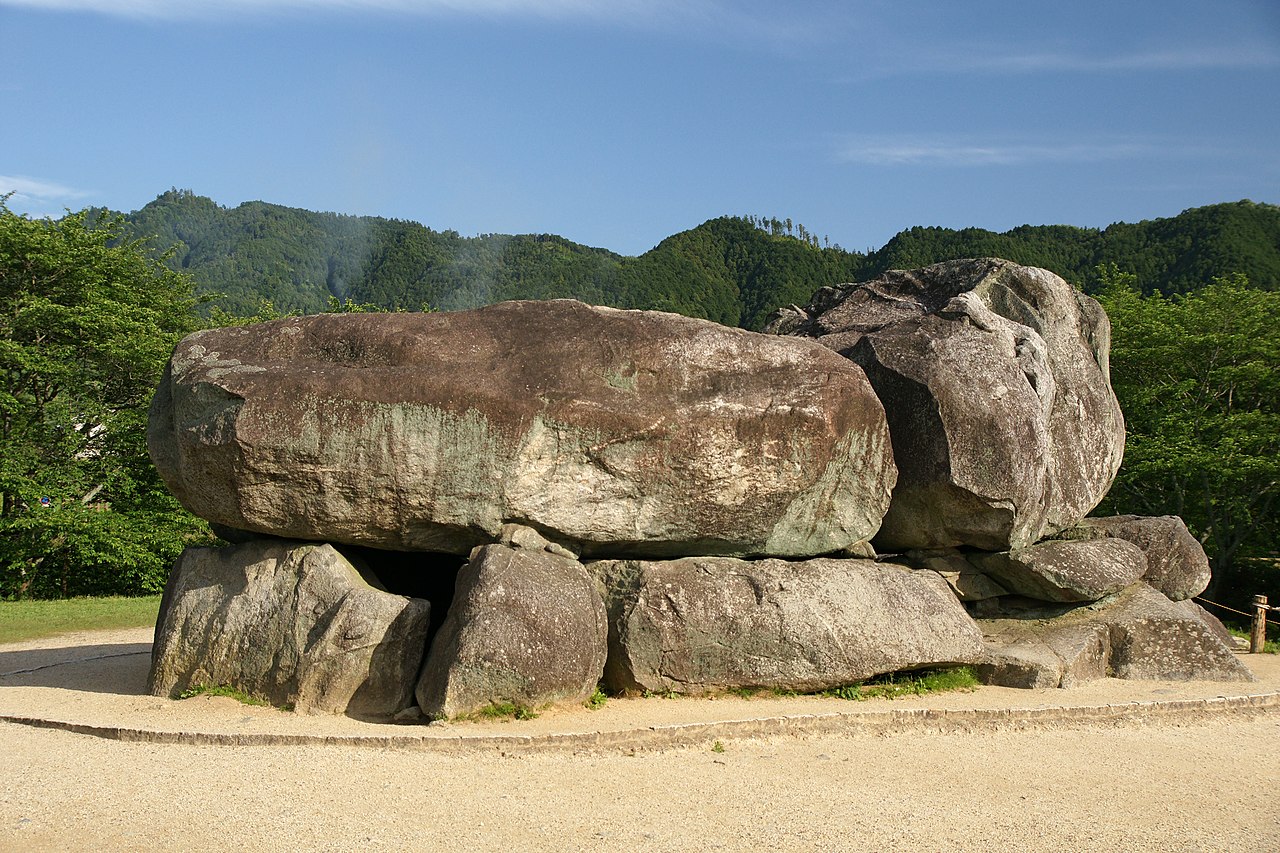
Asuka cycling route (separate day trip): Asuka village, 45 min from Nara by train, offers flat rice-field cycling between burial mounds, the oldest Buddhist temple, and mysterious stone monuments. Rental bicycles available from Asuka Station. See the hidden gems guide for the full circuit description.
🌲 Yoshino Wood Craft Workshops
The Yoshino mountains have produced high-quality cedar and hinoki cypress timber for over 1,500 years — Yoshino cedar (Yoshino sugi) is considered among Japan’s finest, with straight grain and a distinctive fragrance. The slow growth at high elevation gives it density and durability unmatched by lowland plantation timber.
Several workshops in the Yoshino town area offer hands-on experiences with cedar — small object carving, wood-oil finishing, and the construction of simple magemono (bent-wood) containers. The practical results are modest but the workshop atmosphere — in cedar-scented mountain buildings using 400-year-old techniques — is genuinely memorable. Ask your accommodation in Yoshino for current workshop operators; availability varies seasonally.