Nara is one of Japan’s best solo travel destinations — compact enough to navigate easily, varied enough to fill several days, and with a social rhythm that suits independent travellers rather than tour groups. The deer don’t care whether you’re travelling alone. The sake brewers at Miwa are happy to explain their craft to a single curious visitor at the counter. The dawn circuit of Nara Park before 7:00am is a genuinely private experience that tour buses will never provide.
🌅 The Dawn Circuit — Nara Park Before the Crowds
Start time: 6:30am (April–September); 7:00am (October–March) Duration: 2–2.5 hours | Cost: Mostly free; coffee at a 7-Eleven near the start
The difference between Nara Park at 6:30am and 10:00am is the difference between solitude and a crowd. The dawn circuit below is specific — it hits the key sights in an order that maximises morning light and deer activity.
The route:
1. Sarusawa Pond (6:30am): The pond at the base of Kofuku-ji’s five-story pagoda is best in early morning, the pagoda reflected in still water, herons standing at the edge. No admission, completely accessible. Start here for a coffee from the convenience store nearby while looking at the reflection.
2. Kofuku-ji (6:45am): The temple grounds are accessible before official hours begin — walk through the exterior courtyard around the five-story and three-story pagodas. Empty at this hour. The light on the stone lanterns flanking the paths is excellent for photography.
3. Path toward Isuien Garden gate (7:00am): Walk east along the path toward the Isuien Garden gate — the garden itself doesn’t open until 9:30am, but the forested path approaching it, with deer grazing on either side, is the finest 15-minute walk in central Nara.
4. Todai-ji approach avenue (7:15am): The main cedar-lined avenue leading to Todai-ji’s Nandaimon gate. At 7:15am, the deer are at their most concentrated here — grazing in the avenue, occasionally blocking the path. The morning light through the cedars is exceptional and the tourist crowds won’t arrive for another 90 minutes. The Nandaimon guardian figures (8 metres, carved 1203) are worth studying without people in the way.
5. Todai-ji Daibutsuden (7:30am, opening): Arriving at the Great Buddha Hall exactly at opening (7:30am April–October; 8:00am in winter) gives you the first 20 minutes in the building before the tour groups arrive. The Buddha at this hour, with soft morning light through the high windows, is a different experience from the noon rush.
6. Nigatsu-do veranda (8:15am): Walk uphill from the Daibutsuden to the Nigatsu-do sub-hall — a 10-minute climb. The veranda offers Nara’s finest panoramic view (the Great Buddha Hall below, Nara city beyond, the Yamato Plain to the horizon) and almost nobody goes there. Solo travellers eating a convenience-store rice ball on this veranda at 8:30am are having one of Nara’s quieter pleasures.
7. Kasuga Taisha forest approach (9:00am): Descend from the Daibutsuden area and walk east toward Kasuga Taisha through the forest approach path. By now you will encounter more visitors, but the forest itself absorbs them.
🚲 Solo Cycling in Asuka — Burial Mounds & Ancient Temples
Access: Kintetsu Yoshino Line to Asuka Station (approx. 45 min from Kintetsu Nara Station via transfer at Yamato-Yagi) Bicycle rental: Multiple operators at Asuka Station, from ¥1,000/day (standard) or ¥1,500 (electric assist) Duration: Half day (3 hours) to full day | Terrain: Almost entirely flat
Asuka is made for solo cycling. The flat rice-field roads connecting Japan’s oldest sites are quiet on weekdays, bicycle-friendly, and laid out at a scale that makes sense from two wheels: the burial mounds are spaced just far enough apart to feel like a journey, close enough that you can cover them all in a few hours.
Suggested solo circuit (3 hours):
- Asuka-dera (Japan’s first Buddhist temple, 596 AD) — 10 min from station
- Asukadera road — follow the farm track south through rice paddies with burial mounds visible in the fields
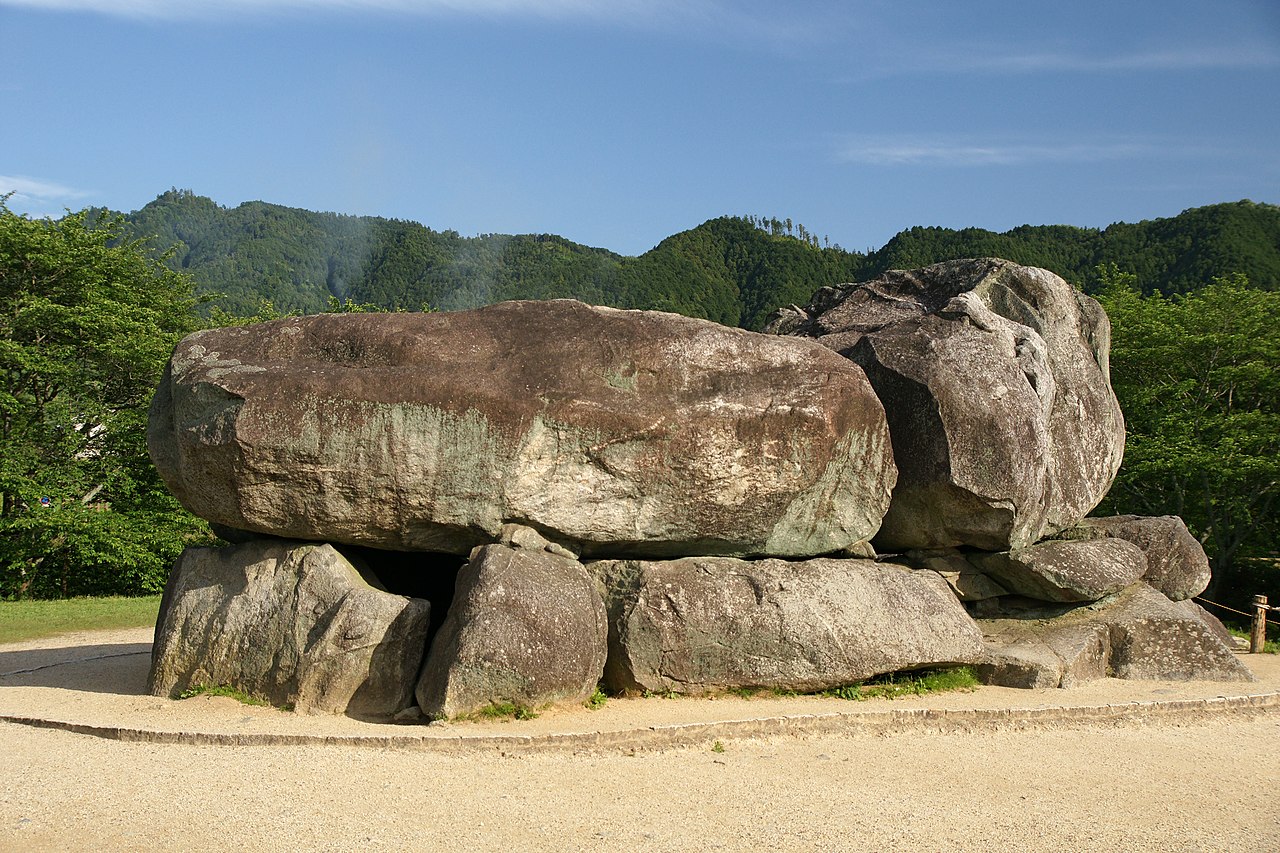
- Ishibutai Dolmen — the exposed megalithic burial chamber (¥300); eat your lunch here on the grass surrounding the stones
- Tachibana-dera — a small temple on the site of the birthplace of Prince Shotoku; almost no visitors, beautiful garden
- Kame-ishi and Sakafuneishi — the mysterious carved stone monuments of unknown purpose sitting in open farmland (see hidden gems guide for context)
- Return north through the Asuka village main street
Solo tip: The electric-assist bicycle is worth the extra ¥500 on a hot day — the terrain is flat but the summer heat in the Asuka basin is intense. Bring water; the sightseeing stops have vending machines.
🍶 Solo Sake Tasting at Miwa
Access: JR Miwa Station (JR Sakurai Line, 25 min from JR Nara Station) Best for: Solo travellers who want a genuine interaction with local producers
Imanishi Seibei Shoten brewery, a short walk from Miwa Station toward Omiwa Shrine, is ideal for solo visitors. The tasting counter seats perhaps 6–8 people; on a weekday you may be the only person there, which means the staff — often including a family member who speaks some English — can give your tasting their full attention.
The brewery occupies an extraordinary Edo-period building: cedar beams, ancient sake barrels, the smell of koji and fermentation, displayed antique brewing tools. Sake museum section is viewable without tasting. The tasting itself typically covers 3–5 expressions (¥300–500 per pour, or a set tasting for ¥800–1,500) and the staff are patient in explaining the character differences.
The walk to Omiwa Shrine afterward (15 min on foot) is a natural continuation — the shrine’s cedar-forested approach is excellent for solo contemplation, and the mountain trail (¥300, registration required) offers a 90-minute solo hike to the summit through the sacred forest.
🏔️ Solo Yoshino Hike — Summit Trail & the Quiet Afternoon
Access: Kintetsu Yoshino Line to Yoshino Station (90 min from Nara via transfer); ropeway up from the station Trail: Ropeway top to Oku-senbon and back — approximately 4 hours total | Season: Year-round; cherry blossom April (crowded until ~14:00)
Yoshino’s crowds are almost entirely a morning and midday phenomenon. The day-trip visitors from Osaka arrive by 10:00am and leave by 16:00. Solo hikers who arrive on the noon train find a different mountain.
The solo Yoshino route:
- Arrive Yoshino Station ~12:30 (after the morning rush)
- Ropeway to lower mountain (3 min)
- Walk through Shimo-senbon and Naka-senbon — still some visitors, but thinning
- Chikurin-in temple for a brief stop (small garden, quiet at this hour)
- Continue uphill through Kami-senbon (upper cherry zone, older trees, fewer visitors)
- Continue to Oku-senbon (inner zone, 2km beyond the main road) — the afternoon quiet here is profound; ancient cherry trees, mountain forest, occasionally monks passing on the pilgrimage route
- Begin descent 14:30–15:00 to catch the late afternoon ropeway before crowds thin further
Cherry blossom season tip: In April, even the afternoon Oku-senbon has atmosphere — but arrive at Yoshino Station by 12:30 to avoid the lunch rush on the main covered street. The crowds there are genuine; the inner mountain quiets quickly once you’re beyond the souvenir shops.
🏨 Solo-Friendly Accommodation in Naramachi
Naramachi has developed a good supply of guesthouses and small boutique hotels suited to solo travellers — with English-speaking staff, shared common areas, and proximity to the evening restaurant and café scene.
What to look for:
- Machiya guesthouses (renovated townhouses): The best option for solo travellers who want atmosphere — wooden beams, internal gardens, common areas where you naturally encounter other guests. Typically ¥4,000–8,000 per night for shared rooms; private rooms from ¥8,000.
- Capsule hotels near Kintetsu Nara Station: More limited selection than Osaka or Kyoto, but options exist for budget-conscious solo travellers. Functional and well-located.
- Hostel common rooms: Several Naramachi guesthouses have communal evening areas — good for meeting other travellers, comparing notes on the deer interaction.
The social guesthouse rhythm: For solo travellers who find extended solo time tiring, Naramachi’s guesthouses tend to be social in the evenings — small shared kitchens, common rooms, proprietors who enjoy conversation. The contrast with the daytime solitude of the park and temples is a good balance.
🌙 Late Evening in Nara Park — Deer at Dusk
One of Nara’s best-kept solo travel experiences costs nothing and requires only timing: the park at dusk and early evening (17:30–19:30) after the last day visitors leave.
The deer graze freely and undisturbed on the grassy areas around Kofuku-ji, the Todai-ji approach, and the meadows between the major temples. The Nandaimon gate is softly illuminated after dark. Sarusawa Pond reflects the pagoda against the evening sky. Almost no tourists.
For solo travellers based in Naramachi, a post-dinner walk north through the empty park at 19:00 — deer shapes visible in the near dark, the distant silhouette of Todai-ji — is the quietest and most atmospheric thing Nara offers. Bring a torch if you plan to go beyond the lit paths near the ponds.