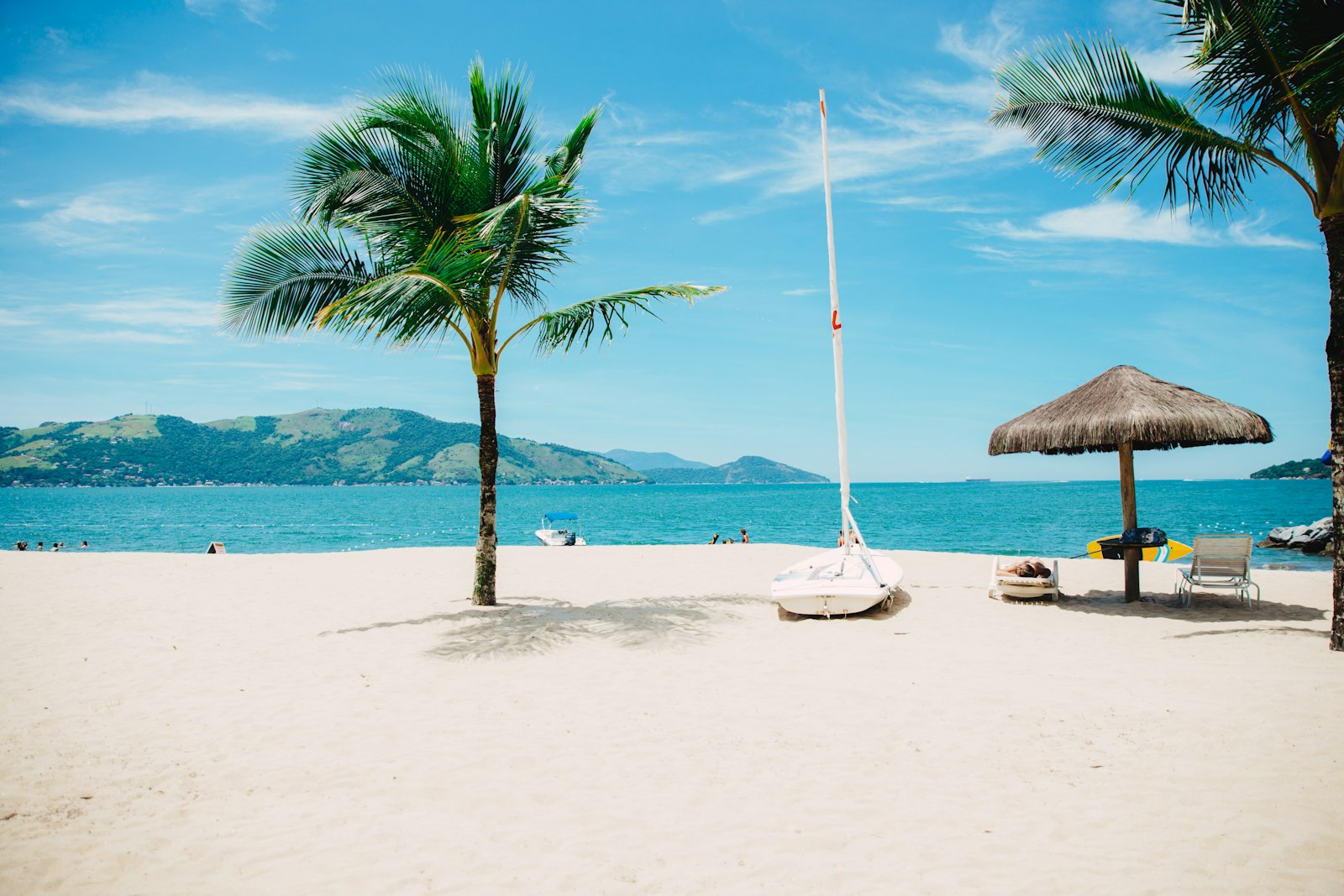
The Kerama Islands — 30 km west of Naha — contain some of the most pristine coral reefs in East Asia. Marine biologists have recorded over 250 species of coral and 360 species of fish in the Kerama Shoto National Park. The water clarity here — what the Japanese call “Kerama Blue” (ケラマブルー) — is the result of both the Kuroshio Current and the absence of agricultural runoff on these small uninhabited or lightly populated islands.
Why the Kerama Islands?
The main island of Okinawa has largely degraded reefs near populated areas due to development, agricultural runoff, and coral bleaching. The Kerama Islands, protected as a national park since 2014 and largely undeveloped, retain coral coverage rates of 60–80% — among the highest in Japan.
Distance from Naha: 35–70 minutes by high-speed ferry from Tomari Port.
ザマミ島 — Zamami Island
Ferry: 50 min (high-speed) from Tomari Port, Naha. ¥3,140 one-way.
Best season: April to October (October–November for whale watching)
The most popular Kerama island — small enough to explore by bicycle (rental ¥700/day) but large enough to have comfortable guesthouses and restaurants. The beach at Furuzamami is consistently rated one of Japan’s top beaches — fine white sand, shallow turquoise water, and a coral garden beginning just 20 m from shore.
Sea turtles: The waters around Zamami are nesting grounds for loggerhead and green sea turtles. Snorkellers regularly encounter turtles at Kamiyama Island’s reef (accessible by kayak from Zamami) from April to September. The turtle nesting season (May to August) brings females ashore at night — guided night tours available through island operators.
Whale watching: Humpback whales pass through the Kerama Strait during their winter migration (January to March) — Zamami is one of Japan’s most reliable whale-watching locations. Boats depart daily from Zamami Port.
渡嘉敷島 — Tokashiki Island
Ferry: 35 min (high-speed) from Tomari Port. ¥2,530 one-way.
Best season: May to October
The largest Kerama island — quieter than Zamami with fewer foreign tourists. Aharen Beach on the west coast is a deep cove with exceptional snorkelling directly from the beach (coral begins at 5 m depth). Rental gear and guided kayak tours available from the beach operators.
Coral species highlight: The table corals (Acropora species) at Aharen grow up to 3 m in diameter — among the largest in Japan. The kōri-ishi (mushroom coral) fields at 8–12 m depth require scuba to access but are world-class.
座間味島周辺の珊瑚礁 — Coral Snorkelling Spots
Nishibama Beach (Aka Island)
The quietest Kerama island — a 10-minute ferry from Zamami, inhabited by fewer than 300 people. Deer (Kerama deer — a distinct subspecies) wander the shoreline at dawn. The coral garden at Nishibama extends from beach to open reef with no boat needed.
Majime Rock (Zamami)
A submerged pinnacle 5 minutes by boat from Zamami harbour — a diver and advanced snorkeller site with overhangs covered in sea fans (Gorgonia) and regular sightings of barracuda, trevally, and reef sharks.
沖縄本島の珊瑚礁 — Main Island Coral
Cape Maeda (真栄田岬)
Access: Onna Village, 60 min from Naha
Best for: Scuba divers and experienced snorkellers
The most famous shore-entry dive site on the main island — a limestone platform descends to “Blue Cave” (Aoi Dōkutsu), a sea cave lit by refracted sunlight in brilliant cobalt blue. The cave fills with tropical fish congregating in the light. Access by swimming from the cape headland.
Crowds: Blue Cave is extremely popular on summer weekends — arrive before 9 a.m. or visit midweek.
Sunayama Beach (Miyako Island)
Access: Miyako Island, 30 min flight from Naha
A white sand beach with a natural stone arch and coral reef beginning at 3 m depth. The water clarity here (visibility 30+ m) rivals the Kerama Islands. Accessible from the beach without a boat.
Coral Health & Conservation
Bleaching: Okinawa’s reefs have experienced significant bleaching events in 1998, 2016, and 2020 during El Niño years when sea temperatures rise above 30°C. Recovery takes 5–10 years for Acropora species.
What you can do:
- Use reef-safe sunscreen (no oxybenzone or octinoxate) — available at Naha shops and airport
- Do not stand on or touch coral — even brief contact kills polyps
- Choose operators certified by Okinawa Eco-Tourism Society (OETS)
- No collecting — removing coral, shells, or sea life is illegal in national park waters
Seasonal Guide
| Season | Conditions | Highlights |
|---|---|---|
| Jan–Mar | 22–24°C water, windy | Humpback whales (Kerama Strait) |
| Apr–Jun | 25–27°C water, calm | Best visibility, sea turtles begin |
| Jul–Aug | 28–30°C water | Peak sea life, typhoon risk |
| Sep–Oct | 27–29°C water | Post-typhoon calm, excellent visibility |
| Nov–Dec | 24–26°C water | Whale season begins, fewer crowds |
Practical Tips
- Ferry booking: Kerama ferries require advance booking in Golden Week (late April–early May) and August. Book through the Zamami Village office website or at Tomari Port on the morning of travel in off-peak months.
- Wetsuit: A 3 mm shorty wetsuit extends comfortable snorkelling time year-round and protects against jellyfish in summer. Available to rent from all island operators.
- Overnight vs day trip: Zamami as a day trip is possible (last ferry departs ~17:00) but an overnight stay transforms the experience — sunsets from the hilltop shrine, the village at night, and an early morning reef before day-trip visitors arrive.
- Kerama deer: The indigenous Kerama deer (Cervus nippon keramae) — smaller than mainland deer — are found only on Zamami, Aka, and Geruma islands. A protected species. Do not feed them.