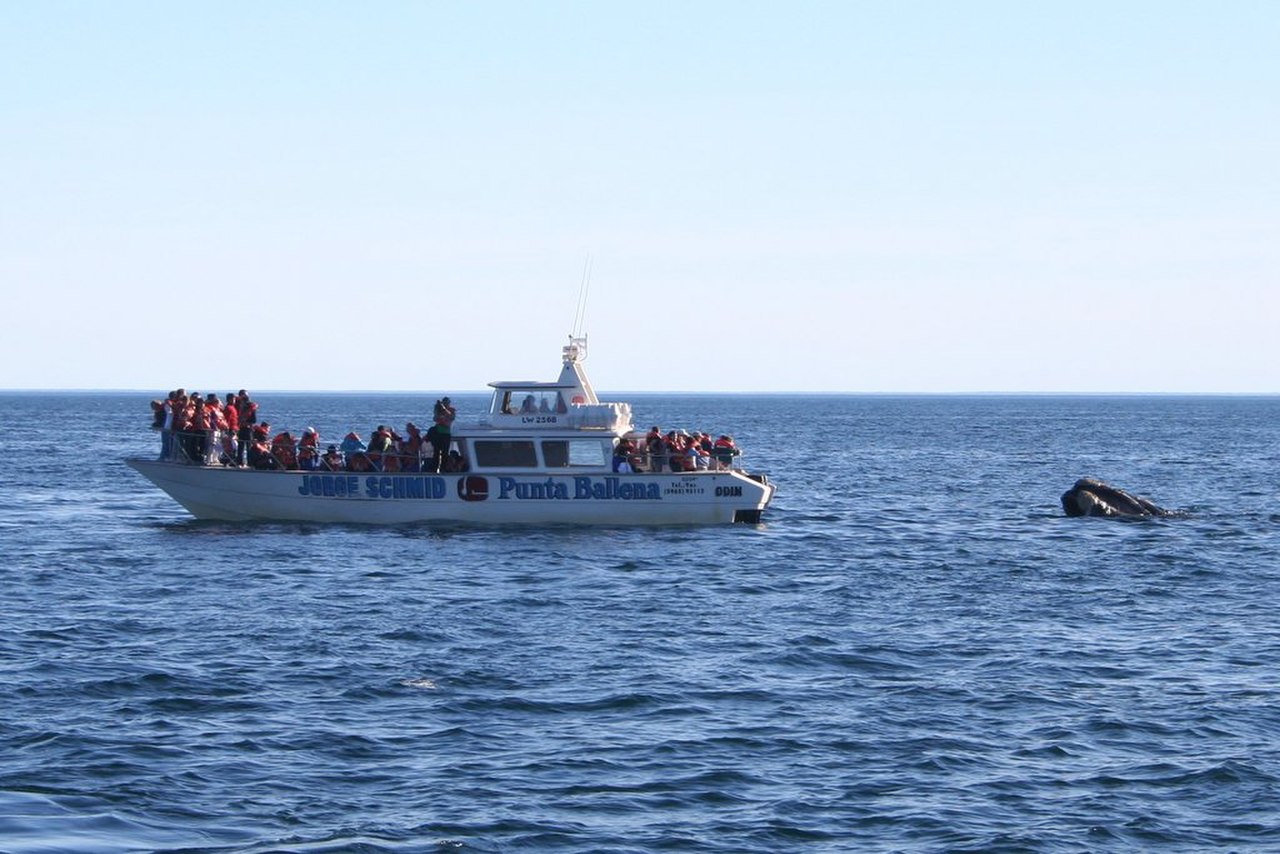
Every winter, from around January to March, humpback whales migrate to the warm waters around the Kerama Islands off Okinawa’s coast to breed and raise their calves, making this one of the best places in Japan for whale watching. Boat tours depart from Naha and the Kerama Islands (Tokashiki, Zamami and others) in search of these magnificent creatures, and sightings are common in season — with a high success rate at the height of the season. From the boat you may witness spectacular behaviours: whales breaching and crashing back into the sea, slapping their tails and fins, blowing spouts, and mothers swimming with their young. Tours are typically run by experienced operators who know the whales' habits, and many offer a sighting guarantee or re-ride policy. Warm clothing and seasickness precautions are wise, as winter seas can be choppy. Awe-inspiring and memorable, Kerama whale watching is a wonderful reason to visit Okinawa in the cooler months.
🗓️ At a Glance
| Location | Kerama Islands / from Naha, Okinawa |
| Hours | Tour departures (winter) |
| Admission | Tour fee (varies) |
| Time needed | Half day |
| Best time | January–March |
What to See
- Humpback whales breaching and tail-slapping.
- Mothers swimming with their calves.
- Spouts, fin-slaps and dramatic surface behaviour.
- The scenic waters around the Kerama Islands.
Combine Your Visit
- Combine with the Kerama Islands themselves.
- Pair with diving and snorkelling in the Keramas.
- Read our Okinawa overview .
Getting There
- By boat: tours depart from Naha (Tomari Port) and the Kerama Islands.
- By ferry: reach Tokashiki or Zamami for island-based tours.
Tips
Book a tour between January and March, the humpback whale season, and choose an operator offering a sighting guarantee or free re-ride if you’d like insurance. Dress warmly as winter seas are cool and windy, take seasickness medication in advance if you’re prone to it, bring a waterproof layer, and combine it with visiting the Kerama Islands.