Osaka’s tourism narrative stops at Dotonbori, Osaka Castle, and Universal Studios. Everything beyond this triangle is, for most visitors, unexplored — which is Osaka’s great advantage over Kyoto and Tokyo: the second layer is accessible, interesting, and almost entirely crowd-free. This guide covers the districts, alleys, and experiences that reward the visitor who goes one step further.
☕ Nakazakicho — Japan’s Finest Mid-Century Café District
Access: Nakazakinishi Station (Osaka Metro Tanimachi Line) — immediate exit; 2 min walk from the station Character: Preserved 1920s–1950s wooden row houses containing independent cafes, vintage shops, and studios
Nakazakicho (中崎町) escaped WWII bombing not through any designation but through low tactical priority — it was residential housing, not industrial. The result is a dense network of original pre-war nagaya (row houses) and machiya townhouses that now contain Osaka’s most concentrated independent coffee culture.
The neighbourhood sits north of Umeda’s skyscraper district, creating an extraordinary urban contrast: walk 10 minutes from Japan’s most modern department stores and you’re in a neighbourhood where the buildings are from 1930, the coffee is exceptional, and the streets are quiet.
What to find:
- Café Absinthe — A converted machiya with a tiny front garden; filter coffee served in vintage ceramics; no Wi-Fi, no laptop culture; open 11:00–19:00
- Napi’s — A 4-seat standing coffee bar in a corridor-width shopfront; the owner sources single-origin beans from small importers
- Sora-niwa Terrace — A rooftop garden café accessible by external staircase above an old nagaya; the combination of traditional roof tiles below and blue sky above is one of Nakazakicho’s signature views
- Vintage clothing — Three or four small-format vintage shops in the back streets carry curated pre-1980s Japanese workwear and mid-century domestic goods
Why this neighbourhood matters: It is not preserved as a museum — people live here, businesses operate here, and the area has a lived-in quality that no amount of tourist infrastructure could replicate. The appeal is precisely its ordinaries.
🏮 Hozenji Yokocho — The Moss-Covered Alley
Access: 3 min walk south from Namba Station; entrance between Dotonbori and Sennichimae on the Hozenji temple lane Hours: Always accessible (restaurants from 17:00–23:00); temple accessible from morning
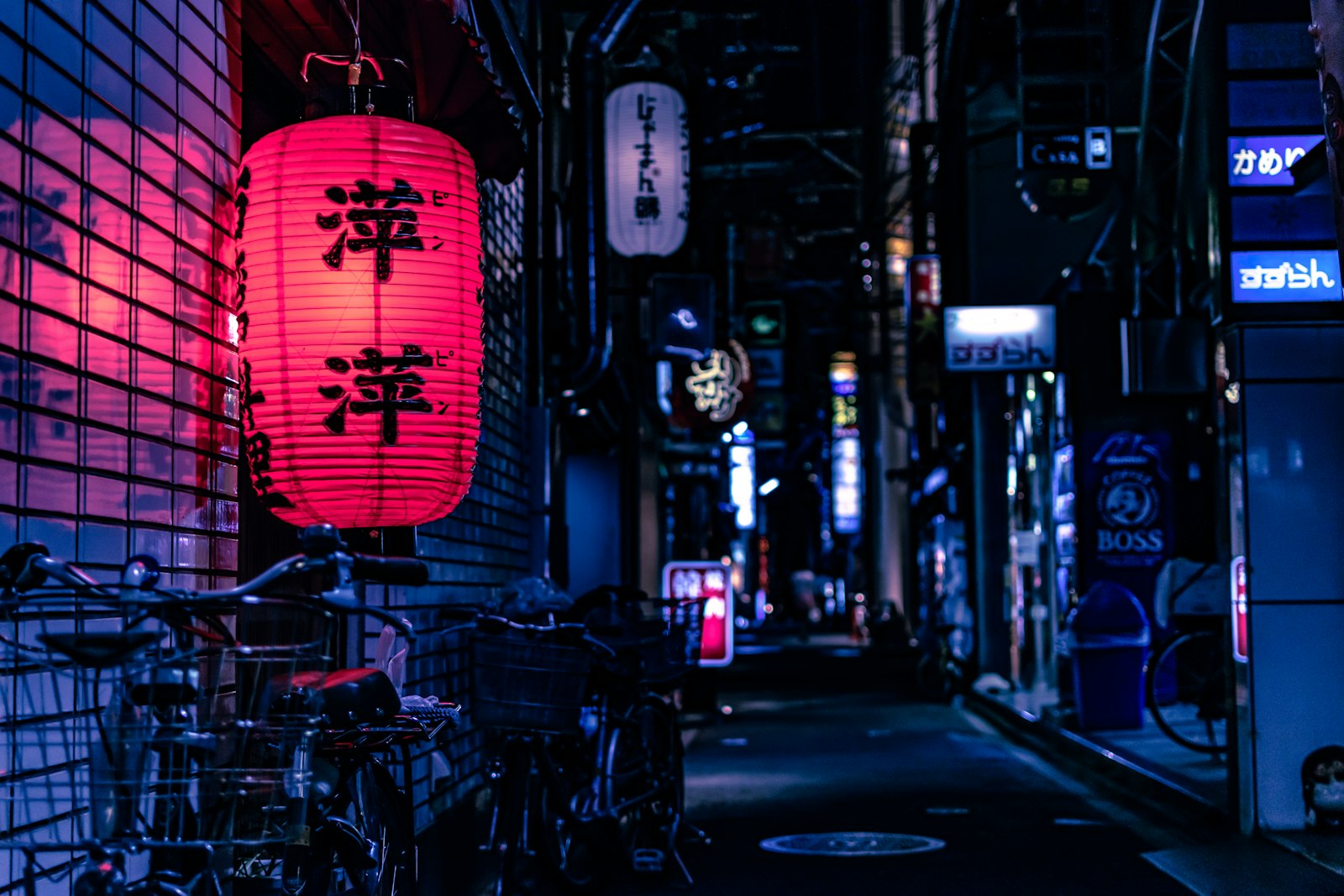
Hozenji Yokocho (法善寺横丁) is the most atmospheric 100m in Osaka — a stone-paved alley flanked by lantern-lit restaurants and bars where a tiny Fudo-myo Buddhist statue stands perpetually covered in green moss from the water poured on it by visitors (the ritual is to splash water and make a wish). The moss has grown undisturbed since 1945.
The alley connects Dotonbori to Sennichimae in a route that avoids the canal’s main tourist promenade. In the evening, the stone paving is damp from the constant water-pouring; the lanterns reflect in the wet stones; the restaurant interiors glow amber from inside paper-screened windows. This is where Osaka’s restaurant tradition — small rooms, personal service, high-quality seasonal cooking — is most authentically preserved.
The hidden detail: Behind the main alley, a second narrower lane (Hozenji Yokocho North) runs parallel with smaller, even more intimate bars. Several have operated continuously since the 1950s without renovation.
🥩 Fukushima — Where the Osaka Food World Eats
Access: Fukushima Station (JR Loop Line) — immediate exit Best time: 19:00–22:00 on weekdays
Already mentioned in the food guide, but worth exploring here as a neighbourhood: Fukushima (福島) is the one area in Osaka where the density of genuinely excellent restaurants in a relatively small area rivals any street in Japan. It is not famous because it has no single landmark, no famous old establishment, and no tourist infrastructure. It evolved organically as a restaurant district for Osaka’s food professionals.
Specifically: The streets south of Fukushima Station (Fukushima 6-chome and 7-chome) contain independent bars, natural wine importers, counter-only Kansai cuisine restaurants, French bistros, and standing yakitori that serve the local industry. Walking these streets at 20:00 on a Tuesday reveals Osaka’s food culture in its most authentic form.
What to look for: Handwritten menus in windows (te-gaki menu); absence of a tourist-facing sign outside; counter seating visible from the street. These three signs reliably indicate quality.
🦊 Namba Yasaka Shrine — Lion Head Giant Stage
Access: 8 min walk south from Namba Station; entrance is between Namba’s restaurant streets and not on any standard tourist map Hours: Always accessible; best 19:00–22:00 when floodlit
Already mentioned in the sightseeing guide but worthy of emphasis here: Namba Yasaka Shrine’s 12m-wide lion head stage is one of the most extraordinary pieces of religious architecture in Japan — a roaring lion’s head the size of a building used as a performance stage during festivals. At night, the floodlights illuminate the open jaws and the tongue-platform while the surrounding residential streets are quiet. Almost no foreign tourists find this shrine despite being 8 minutes from Japan’s most crowded tourist street.
🎋 Tanimachi — Antiques, Traditional Crafts & Quiet Osaka
Access: Tanimachi 6-chome Station (Osaka Metro Chuo/Tanimachi Lines) Character: Osaka’s traditional craft and antique district
Tanimachi (谷町) — specifically the streets around Tanimachi 6-chome and 9-chome — is Osaka’s least-touristed culturally interesting neighbourhood. The area contains a remarkable concentration of traditional craft shops (lacquerware, hand-dyed textiles, ceramic), antique dealers, and craft publishers in low-rise commercial buildings that survived the postwar development era.
Osaka’s Buddhist temple district: Tanimachi Roku-chome (谷町六丁目) is surrounded by the highest concentration of Buddhist temples in western Japan — over 300 temples within a 1km radius. This was the traditional temple town established outside the castle walls in the Edo period. Walking the streets and discovering temple gates between ordinary apartment blocks, each with a different architectural style, is one of Osaka’s most unexpected pleasures.
Tanimachi 9-chome antique street: The irregular cluster of antique dealers around the 9-chome station exit (accessible without language) sell everything from Meiji-era woodblock prints to 1960s Japanese advertising posters, ceramic tea bowls, and signed vinyl records.
🌙 Osaka Underground — The Subterranean City
Osaka’s underground (地下街 — chika-gai) is the world’s most extensive pedestrian underground shopping network — 39 distinct underground streets connecting major train stations. Most visitors use it for transit without realising they are in one of the world’s most architecturally interesting underground environments.
Umeda Chika (梅田地下) — The underground network beneath Osaka/Umeda Station covers approximately 4.5km of passages with restaurants, specialist shops, and unusual retail. The oldest sections (dating to 1963) have a Showa-era retail character — small-format specialist shops in the style of 1960s Tokyo that have been preserved by the underground environment.
Namba Walk (難波ウォーク) — Connects Namba Station to Nipponbashi; the street art installations along the lower passages were commissioned from Osaka illustrators and change annually.
The intentional disorientation: The Osaka underground is genuinely difficult to navigate — intentionally, according to some urban historians, because the shops benefit from visitors losing direction. Embrace the confusion; each wrong turn leads to an unexpected specialty shop or old-format restaurant.
🍶 Dojima — Japan’s Former Rice Market
Access: Higashi-Umeda Station or Watanabebashi Station (Osaka Metro); the area is north of Umeda near the river Character: Former commercial hub; historic bridge district
Dojima (堂島) was the location of the world’s first futures market — a rice exchange established in 1730 that set commodity prices for the entire Edo-period economy. All of Japan’s feudal domains sold their rice through Osaka Dojima, making Osaka the commercial capital of Japan for 250 years.
Almost nothing of this history is physically visible today — the rice exchange was demolished in the Meiji period and replaced with banks and commodity exchanges — but the street grid retains the Edo-period geometry of the kurashiki warehouses, and the Dojima riverbank retains its sense of commercial importance without tourists.
For history visitors: The Osaka Museum of History on Nakanoshima (free; directly accessible from Yodoyabashi Station) contains detailed exhibits on the Dojima rice exchange with scale models of the original trading floor.
🌃 Late-Night Osaka — After Midnight
Osaka’s food and entertainment culture extends further into the night than almost any other Japanese city. Several specific venues operate past 2:00am:
Kinryu Ramen (金龍ラーメン) — Dotonbori; open 24 hours; reliably crowded at 2:00am Jan-Jan Yokocho (Shinsekai) — Several standing bars and mahjong halls open until 4:00am Nakazakicho basement bars — Several bar owners live above their establishments and keep irregular hours well past midnight on weekends Dotonbori convenience stores — The Lawson and 7-Eleven on Dotonbori canal embankment are among Japan’s most socially interesting convenience store environments at 1:00am — the intersection of tourists, food workers, street performers, and residents is the most direct version of Osaka’s democratic food culture
Recommended “Second Layer” Itinerary
Morning: Nakazakicho (coffee at 10:00 → vintage shopping) → walk south through Tanimachi antique streets → lunch from depachika at Kintetsu Uehommachi
Afternoon: Namba Yasaka Shrine (most dramatic at sunset) → Hozenji Yokocho (walk through at dusk) → Dotonbori river from the water level (take the 20-min tourist boat)
Evening: Fukushima district dinner (arrive 19:00, walk until you find the right door) → Nakazakicho bar (small format; ask the coffee shop owner in the morning for a recommendation)