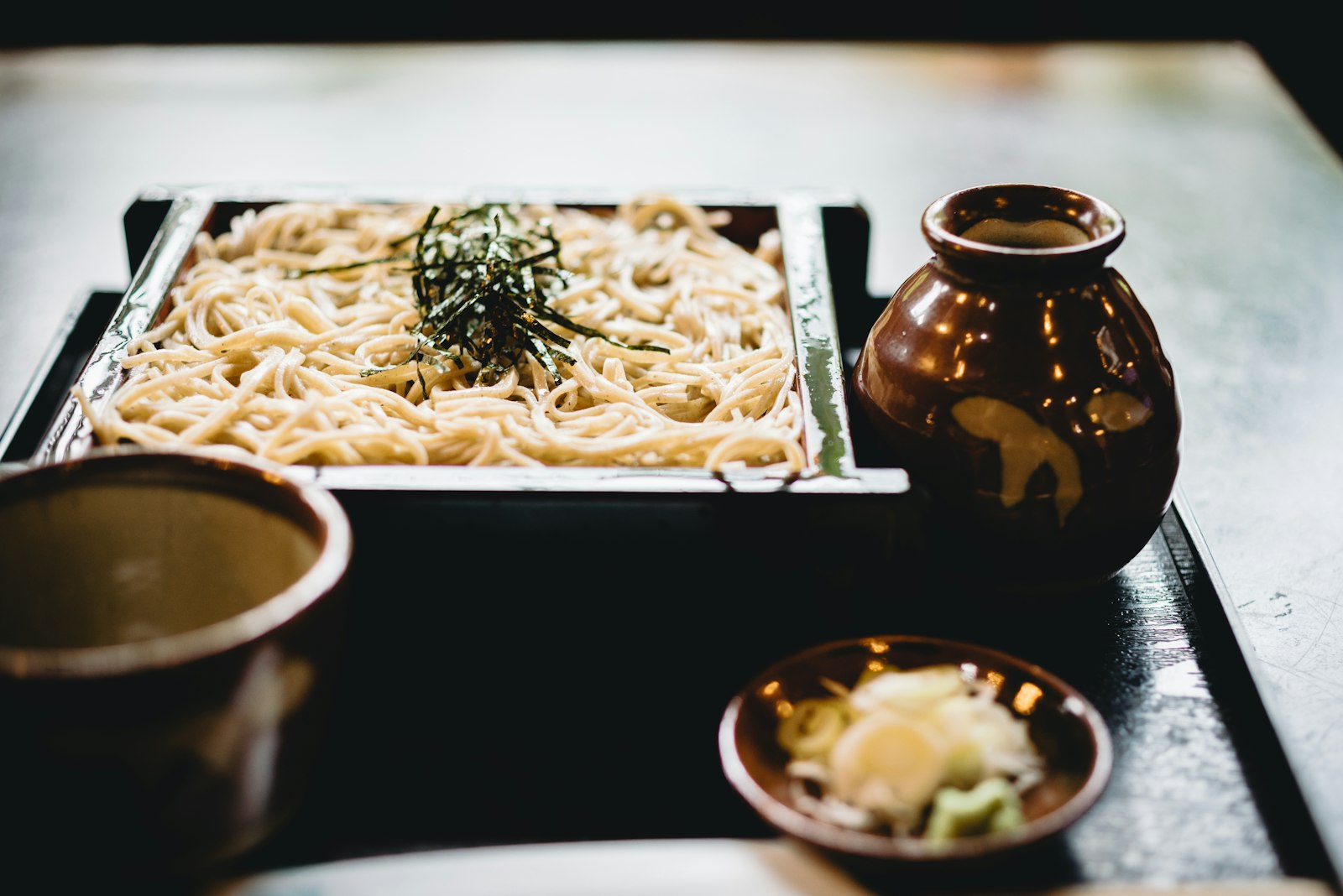
Osaka is arguably Japan’s best city for solo travel — not because it offers the solitary contemplation of Kyoto’s temples or Tokyo’s anonymous crowds, but because its food culture is fundamentally a solo-compatible architecture. The counter seat (kauntā) is the primary dining format; single-person tables are standard; standing bars assume you’ve arrived alone; and Osaka’s legendary directness means strangers begin conversations without the reserve you encounter in most Japanese cities. A solo traveller here is not an anomaly — they’re the default customer at most of the city’s best establishments.
🍺 Osaka’s Counter Dining Culture — The Solo Advantage
Why Counter Seating Changes Everything
The vast majority of Osaka’s most interesting restaurants are built around a counter facing an open kitchen, with 6–14 seats, and a chef who is simultaneously the host and the conversation. This format — evolved from Osaka’s long tradition of kappo (open-kitchen cuisine) — means solo diners are never seated at an isolated table with a view of nothing. You’re facing the food preparation, the chef, and usually one or two other solo diners doing exactly the same thing.
The format works for solo travellers because:
- Every seat has the same quality experience (no “bad” tables)
- The counter format naturally encourages conversation with the chef and adjacent diners
- Single-person portions are standard; sharing is optional
- You can eat slowly, ask questions, and linger without social pressure
Practical note: When making reservations (or walking in), simply state “hitori desu” (one person). Counter restaurants are accustomed to single-person bookings and often keep one seat in reserve for walk-ins.
🏮 Tenma — Osaka’s Best Solo Bar-Hopping District
Access: Tenma Station (JR Loop Line) or Tenjinbashisuji 6-chome Station (Osaka Metro Tanimachi/Sakaisuji Lines) Best time: 19:00–23:00 on weekdays
Tenma (天満) is the district Osaka food professionals go to when they’re off duty. The streets around Tenma Station — specifically Tenjinbashisuji shopping arcade (the longest covered shopping street in Japan, 2.6km) and the side streets branching east — contain the highest density of standing bars (tachinomi), affordable izakaya, and specialist counters in the city.
The Tenma Bar-Hopping Format
The correct approach in Tenma is one drink per establishment, moving every 45–60 minutes. Budget ¥500–¥1,500 per stop; the typical solo evening covers 3–4 establishments.
What to look for:
- Standing bars (tachinomi-ya) with folding tables set out in the narrow covered arcades — these are the most sociable format; you’ll be sharing the table with strangers by default
- Sake specialty bars — Tenma has several dedicated nihonshu bars where the owner will talk through the regional differences if you ask
- Horumon-yaki (offal grilling) standing counters — Osaka’s speciality cut of the city’s Korean heritage; order the nankotsu (cartilage) and tare (sweet soy) skewers
Specific venues (approximate, as Tenma changes seasonally):
- Dotonbori Negiyaki Yamamoto Tenma — The negiyaki (green onion pancake) version of okonomiyaki; counter with 8 seats; ¥1,200 per person
- Sake bar clusters around Tenjinbashisuji 3-chome — Several naturalist wine/sake bars with wall menus and standing room only
🍜 Fukushima — The Chef’s District for Solo Dining
Access: Fukushima Station (JR Loop Line) — 5 min walk south Best time: 19:00–22:00, weekdays
Already covered in the food guide, but specifically for solo travellers: Fukushima is where Osaka’s professional food culture operates without tourist infrastructure. The street format (narrow lanes, handwritten window menus, visible counter seating) makes solo-entry intuitive — you can evaluate a restaurant from the street, decide in 30 seconds, and walk in without the social calculation required at table-service restaurants.
Solo strategy for Fukushima:
- Arrive at 19:00 and walk the streets between Fukushima 5-chome and 7-chome (south of the station)
- Find a counter restaurant with 6–10 seats where you can see both the chef and at least 2 occupied stools
- Sit at the end seat (the corner position gives you the most visibility of the kitchen)
- Ask the chef for the osusume (recommendation) — this starts the conversation and produces the best food
☕ Nakazakicho — The Solo Morning Walk
Access: Nakazakinishi Station (Osaka Metro Tanimachi Line) Best time: 10:00–13:00
Nakazakicho (中崎町) is Osaka’s most concentrated independent coffee district — pre-war nagaya row houses converted into 4–8 seat cafés, vintage clothing shops, and small gallery spaces. The neighbourhood’s character (quiet, unhurried, genuinely local) makes it ideal for a solo morning before the main day begins.
The solo Nakazakicho walk (2–3 hours):
- Exit Nakazakinishi Station and walk immediately into the back streets (not the main road)
- Find a café with a handwritten daily menu in the window; sit at the counter
- Order filter coffee and whatever the chef is making that morning
- After coffee (45 min), browse the vintage shops that open at 11:00–12:00
- Walk south toward Umeda through the contrast — from 1930s row houses to skyscrapers in 10 minutes
Specific cafés: See the hidden gems guide for Café Absinthe, Napi’s, and Sora-niwa Terrace details.
🚲 Cycling the Okawa River Path
Start: Temmabashi Station (Osaka Metro Tanimachi/Keihan Lines) bicycle rental Route: Temmabashi → Sakuranomiya → Namba Canal → Osaka Bay direction → return Duration: 2–3 hours | Distance: 15–20km Rental: ¥1,000–¥1,500/day from JR-operated rental stations at Osaka/Umeda Station
The Okawa River (大川, also called Kyobashi-gawa in some sections) runs through central Osaka as a cycling-accessible riverside path, connecting the Osaka Castle area to the bay direction. For a solo traveller, this is the best low-cost way to see Osaka’s geography — the transition from castle to downtown to harbour over 10–15km makes the city’s layout intelligible.
Route highlights:
- Osaka Castle water moat (east side) — the path runs alongside the outer moat wall; the combination of castle stone and cherry trees (late March) is the most photographed view from a bicycle in Osaka
- Kema Sakuranomiya riverbank — 4.2km of riverside cherry trees; the path continues uninterrupted
- Nakanoshima island (accessible by bridge) — the rose garden, 1903 Bank of Japan building, and Central Public Hall are all on-path
- Temmabashi bridge area — the traditional viewing point for Tenjin Matsuri fireworks in July
Bicycle return note: Osaka’s rental scheme allows one-way trips between registered stations if you plan ahead; check the rental provider’s map for dock locations.
🌙 Late-Night Solo Osaka
Kinryu Ramen (金龍ラーメン) — 24 Hours
Location: Dotonbori main street, opposite the Glico sign Hours: 24 hours; best at 23:00–02:00 for atmosphere
Kinryu Ramen is Osaka’s most democratic institution — a standing counter ramen bar open 24 hours, with a gold dragon (kinryu) sculpture above the entrance, serving ¥700–¥900 bowls of pork-bone soy ramen to an entirely cross-sectional Osaka crowd. At 2:00am, the clientele is: late-shift restaurant workers, tourists who haven’t slept, sararimen who missed the last train, and solo travellers doing exactly what you’re doing. The ramen is not Osaka’s finest, but the experience is unrepeatable.
Note: The standing format means strangers talk; it’s the most reliably sociable location in Osaka after midnight.
Jan-Jan Yokocho (Shinsekai)
Access: Dobutsuen-mae Station (Osaka Metro Midosuji/Sakaisuji Lines) Hours: Several bars and standing counters until 3:00–4:00am
The alley running through Shinsekai’s entertainment district — mahjong parlours, old-format pachinko, standing oden bars, and late-night kushikatsu counters — represents Osaka’s pre-redevelopment entertainment culture, largely unchanged. At midnight, the demographic is entirely local. Some bars have been operating since the 1950s.
🗺️ Day Trips From Osaka — Solo Optimised
Nara — 35 Minutes
Access: JR Yamatoji Line from Osaka Station (35 min, ¥820) or Kintetsu Nara Line from Namba (40 min, ¥680) Best for: Half-day, morning departure
The deer of Nara Deer Park (shika) are genuinely accustomed to human contact — they bow when they see you holding a shika senbei cracker (¥200 from vendors near the park entrance). Todaiji’s Great Buddha Hall contains the largest bronze Buddha in Japan (15m), and the carved wooden pillar inside has a hole the same dimensions as the Buddha’s nostril — a tradition holds that passing through it brings enlightenment. Solo visitors can negotiate the interior space at their own pace; the queue for the pillar hole is short outside weekends.
Solo Nara itinerary (5 hours):
- 09:00 depart Osaka → arrive Nara
- 09:40 — Deer Park and Todaiji (2 hours; early arrival before tour groups)
- 11:40 — Walk Naramachi (the preserved Edo-period merchant quarter; free, 30 min)
- 12:15 — Lunch at a Naramachi restaurant serving kakinoha sushi (persimmon leaf-wrapped sushi, Nara’s unique food)
- 13:30 — Return to Osaka
Kobe — 30 Minutes
Access: JR Special Rapid from Osaka Station (30 min, ¥420) to Sannomiya Station Best for: Half-day or full day
Kobe is Japan’s most historically cosmopolitan city — the foreign settlement area (kyoryuchi) that opened in 1868 created an architecture and food culture distinct from the rest of Japan. The Kitano district (Ijinkan-gai) preserves over 30 Western-style residences built by American, British, German, and French merchants in the Meiji era; several are open (¥500–¥1,000 entry), and the combination of Victorian bay windows and Japanese garden elements behind is genuinely strange.
Solo Kobe itinerary (4 hours):
- Kitano Ijinkan (1 hour walking)
- Nankinmachi (Chinatown) — Kobe’s Chinatown is the third-largest in Japan; lunch at a steamed pork bun (nikuman) counter
- Kobe beef — The most affordable solo entry point is a lunch set at a Sannomiya department store restaurant floor (¥3,500–¥6,000 for the genuine article, with a signed certificate of origin)
- Return to Osaka
Himeji — 50 Minutes
Access: JR Shinkansen or Special Rapid from Osaka Station (50 min, ¥1,520–¥2,900) Best for: Full day
Himeji Castle (Shirasagi-jo, the White Heron Castle) is the finest surviving feudal castle in Japan — a 5-story keep with its original white plaster exterior intact, completed in 1609 and never destroyed. Unlike Osaka Castle (concrete reconstruction) or Nagoya Castle (postwar rebuild), Himeji is the real structure from the moment you enter the gate.
The interior (¥1,000 admission) takes 90 minutes; the original wooden floors, narrow staircases, and decreasing floor sizes as you climb create a genuine defensive architecture experience. The castle’s defensive system — 84 gates, multiple concentric walls, and an intentionally confusing approach path designed to delay invaders — is explained in English wall boards throughout.
Adjacent: The Koko-en Garden (¥310, or combined ticket ¥1,050) immediately west of the castle consists of 9 traditional garden styles reconstructed on the former samurai residence site; the moss garden and tea house section is particularly well maintained.
🚇 Osaka Underground — Solo Navigation
The Osaka underground (chika-gai) — 39 distinct pedestrian networks connecting major stations — is the world’s most extensive such system and one of Osaka’s genuinely interesting solo experiences. Most visitors use it accidentally; solo travellers can use it intentionally.
Why solo navigation works here:
- No social negotiation required at junctions — you can change direction freely
- The Showa-era retail in the oldest sections (Umeda Chika, dating to 1963) is best appreciated at a slow, observational pace
- Getting lost is part of the design — the paths branch without obvious logic, and each wrong turn leads to specialist shops that have no reason to exist at main-corridor traffic volumes (a sole supplier of violin strings, a 6-seat ramen counter, a specialist in pre-war Japanese advertisement posters)
Entry points: The Umeda underground is entered from any exit of Osaka/Umeda Station; the Namba Walk begins from Namba Station and connects to Nipponbashi (Osaka’s electronics district) via 1.2km of underground passage.
Solo Travel Practical Tips
- IC card: Load ¥3,000–¥5,000 on a Suica or ICOCA card (available at any major station); covers all Osaka Metro, JR Urban, and Hankyu/Hanshin travel within the city
- Osaka Amazing Pass (¥2,800/day) — For solo travellers doing 3+ paid attractions in a day, this covers unlimited Metro + Kaiyukan + Umeda Sky Building + Osaka Castle free entry
- Solo hostel districts: Namba and Shinsaibashi have the highest concentration of solo-traveller accommodation; the Namba area allows walking access to Dotonbori, Hozenji, and Tenma after dinner without transport
- Language: Osaka residents are more likely than residents of other Japanese cities to attempt English conversation; the city’s merchant culture (shonin kishitsu) creates a baseline openness to foreign visitors that feels different from Tokyo’s reserved professionalism
- Counter dining phrase: “Hitori desu, kauntā onegaishimasu” — “One person, counter seat please” — opens most Osaka restaurants without further negotiation