Just north of Tokyo, Saitama is an easy day trip that hides two of Japan’s most important festivals. The Chichibu Night Festival and the Kawagoe Matsuri are both UNESCO-recognised float processions, and the prefecture also stages a Guinness-record firework, a hillside of half a million moss-phlox blooms, and the “Little Edo” charm of Kawagoe’s warehouse district. This guide gathers the events worth planning a 2026 trip around, with a month-by-month calendar at the end.
A note on dates: Confirmed 2026 dates are given where announced. Festival and firework dates can shift for weather or organiser decisions, and ticketed events sell out — always confirm on the official website before building a day around one.
The Two UNESCO Float Festivals
Chichibu Night Festival (秩父夜祭) — December 2–3, 2026 ⭐
One of Japan’s three great float festivals (with Kyoto’s Gion and Takayama’s), and one of the very few winter festivals with a major fireworks display. Held on the fixed dates of December 2 (eve) and December 3 (main festival), it sends enormous illuminated kasaboko floats — some weighing up to 15 tonnes — hauled up a slope by teams to the sound of drums and flutes, while fireworks light the cold night sky from about 19:30 to 22:00. The combination of lantern-lit floats and winter fireworks is unforgettable. Dress very warmly and expect big crowds; paid seating is available.
Kawagoe Matsuri (川越まつり) — mid-October 2026
Kawagoe’s UNESCO-inscribed autumn festival transforms the “Little Edo” warehouse district into a stage for towering, ornately carved floats topped with figures of gods and legends. The dramatic highlight is the hikkawase — floats meeting at intersections in a face-off of music and lanterns. Traditionally held on the third weekend of October (2026: around October 17–18) — confirm the exact dates on the official site. Combine with a stroll through Kawagoe’s Kurazukuri street and Candy Alley.
Fireworks (Hanabi) — 2026 Dates
| Fireworks display | 2026 date | Notes |
|---|---|---|
| Saitama City Fireworks (さいたま市花火大会) | late July (from Jul 25) | Multiple neighbourhood displays including Owada Park (Omiya) |
| Kumagaya Fireworks (熊谷花火大会), 74th | August 8 (Sat), 19:00–21:00 | A major display on the Arakawa riverbank |
| Kounosu Fireworks (こうのす花火大会) | October 10 (Sat) | Home of the yonshakudama — the Guinness-record “world’s heaviest firework shell” |
| Koedo Kawagoe Fireworks (小江戸川越花火大会) | November 21 (Sat) | A rarer autumn display |
Tip: The Kounosu display in October is the one for firework enthusiasts — the four-shaku shell is a once-seen-never-forgotten spectacle. Book paid seating for the best view.
Hitsujiyama Shibazakura (羊山公園 芝桜) — April 3 – May 6, 2026
On the slopes below Mt. Buko in Chichibu, the Hitsujiyama Park “Hill of Shibazakura” bursts into a patchwork of over 400,000 moss-phlox plants in pink, white, and purple across roughly 17,600㎡. 2026 dates are April 3 – May 6 (8:00–17:00), overlapping cherry-blossom and Golden Week travel. A Chichibu market, pony rides, and sheep-shearing demonstrations run during the festival. About 20 minutes' walk from Seibu-Chichibu Station.
Cherry Blossom Season (Spring 2026)
Saitama’s blossoms peak in late March to early April.
- Omiya Park (Saitama City) — hundreds of cherry trees, one of the Kanto region’s classic hanami spots
- Kumagaya Sakura-tsutsumi — a long riverside avenue of cherries
- Gongendo (Satte) — cherries above a valley of golden canola flowers, a striking springtime combination
Pop Culture & Family Days Out
- Moominvalley Park (Hanno) — the Moomin theme park at Metsä Village runs seasonal events year-round
- Tokorozawa Sakura Town / EJ Anime Hotel — a pop-culture and anime complex (KADOKAWA) with rotating exhibitions
- Railway Museum (Omiya) — one of Japan’s best for train fans, with seasonal programmes
- Seibuen and other family parks stage seasonal illuminations and events
Autumn Leaves (Nov 2026)
Chichibu and the western hills lead Saitama’s autumn, peaking mid-to-late November.
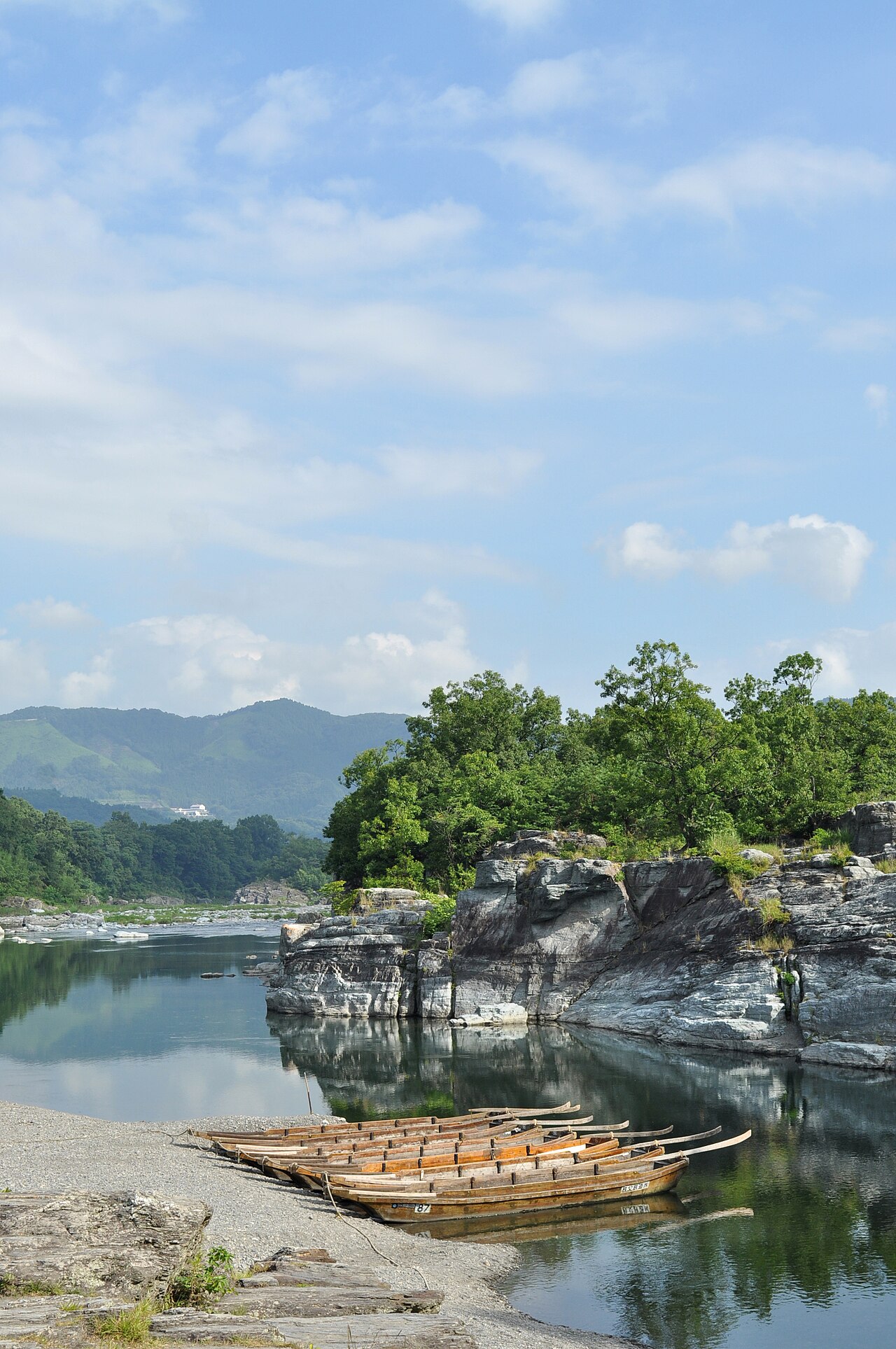
- Chichibu / Nagatoro — the Iwadatami rocks and gorge, with maple light-ups at Tsukinoishi Momiji Park
- Kawagoe temple gardens and Heirin-ji (Niiza)
Winter Illuminations & New Year
- Tokorozawa & Seibuen winter illuminations run into early 2026
- Hatsumode at Hikawa Shrine (Omiya) — the head of some 280 Hikawa shrines nationwide — and Kawagoe Hikawa Shrine
- Kawagoe Hikawa Shrine’s summer wind-chime (furin) corridor (July–Sept) is a hugely photogenic seasonal installation
Month-by-Month Calendar (2026)
| Month | Key events |
|---|---|
| January | Hatsumode at Omiya Hikawa Shrine; winter illuminations |
| February | Setsubun rites; plum blossoms |
| March | Cherry blossoms begin late month at Omiya Park |
| April | Cherry blossom peak; Hitsujiyama Shibazakura (from Apr 3) |
| May | Shibazakura to early May; fresh-green season |
| June | Hydrangeas; rainy season |
| July | Saitama City Fireworks (from Jul 25); Kawagoe Hikawa wind-chime corridor; Chichibu Kawase Festival |
| August | Kumagaya Fireworks Aug 8; summer festivals |
| September | Wind-chime corridor continues; early autumn |
| October | Kawagoe Matsuri (mid-Oct); Kounosu Fireworks Oct 10 |
| November | Autumn leaves (Nagatoro); Koedo Kawagoe Fireworks Nov 21 |
| December | Chichibu Night Festival Dec 2–3; illuminations; New Year prep |
Practical Tips
- Book ahead for December and mid-October. The Chichibu Night Festival (Dec 2–3) and Kawagoe Matsuri are Saitama’s peak dates — nearby accommodation fills early.
- Confirm every date on the official site. Firework and festival dates move for weather; the Kawagoe Matsuri weekend and paid seating should be checked.
- Dress for winter at Chichibu. The December festival is genuinely cold at night — proper layers are essential for the fireworks.
- Saitama is an easy day trip. Kawagoe, Omiya, Chichibu, and Kounosu are all reachable from central Tokyo in under 1.5 hours.
- Summer heat. July–August events are hot and humid; water, a hat, and a fan are essentials.