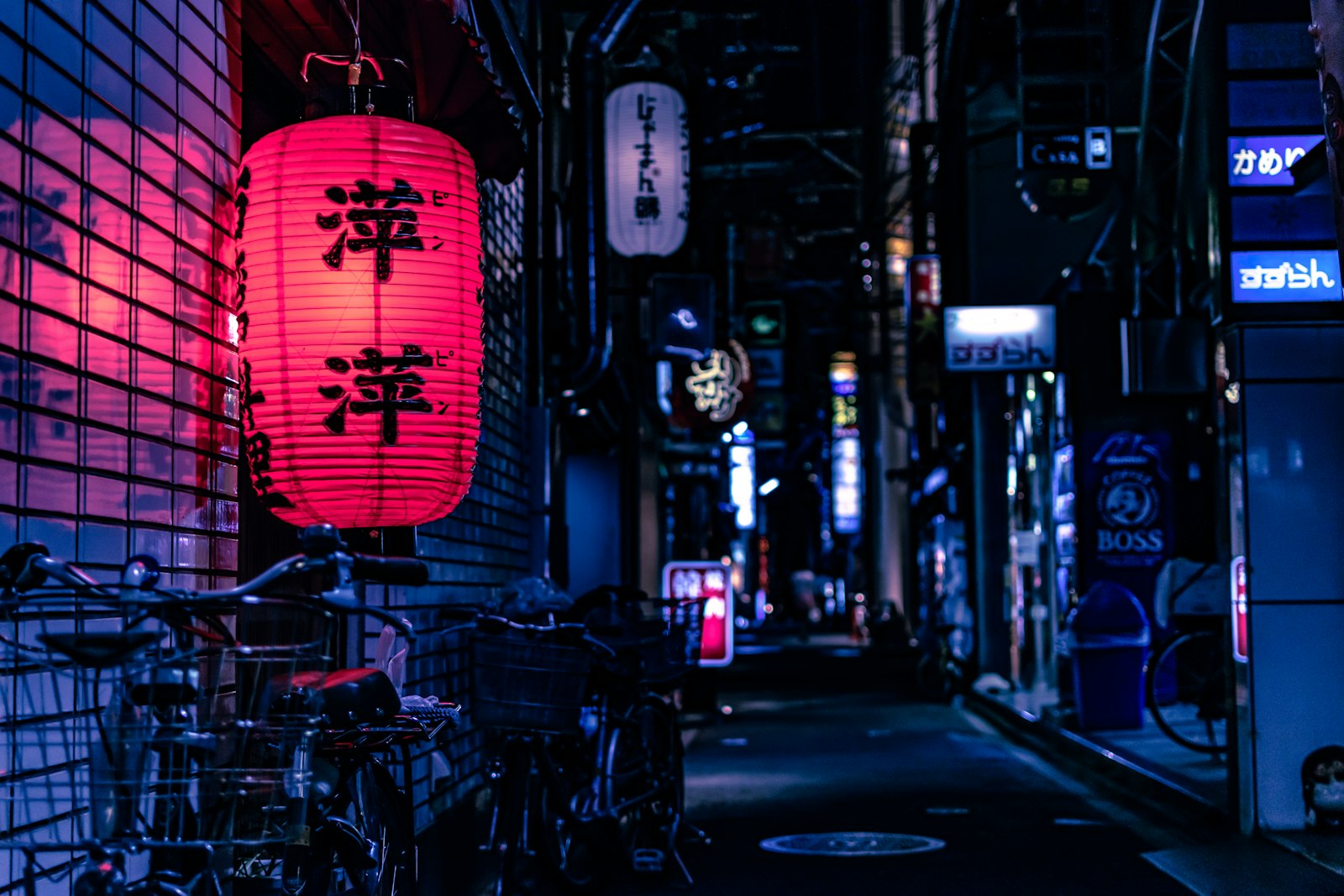
The name Tochigi, for most international visitors, is synonymous with Nikko. The UNESCO shrines, the cedar avenues, the alpine lake — they are worth seeing, and they draw millions of visitors a year as a result. But Tochigi Prefecture extends well beyond Nikko, across highland forests, river valleys, a former copper-mining district, a 400-year-old merchant town, and an underground space carved from 20-million-year-old rock. Most tourists miss all of it.
This guide covers the parts of Tochigi that reward travellers willing to leave the Tobu Nikko Line and explore by local bus, regional train, and occasionally on foot.
Oya History Museum — Underground Cathedral
In the hills northwest of Utsunomiya, the Oya History Museum occupies a former quarry where workers spent decades extracting oya-ishi — a soft, pale-green volcanic tuff that has been used in construction across the Kanto region for centuries. The stone is distinctive: porous, easy to cut by hand, and weathering to a soft grey over time. The quarry closed to large-scale operations in the 1980s. What remained was an underground hall of extraordinary scale.
The museum entry fee is ¥800. What that buys is access to roughly 20,000 square meters of underground space, cut by hand and machine over more than a century, dropping about 30 meters below the surface. The temperature inside stays around 8°C year-round regardless of season — bring a layer even in August. Lighting is theatrical: spotlights pick out column formations, water-filled lower chambers, and stone pillars left in place to support the ceiling above.
The space is now used for art installations, concerts, and film shoots. The scale is difficult to capture in photographs and best understood in person. Walking through it takes about 45 minutes at a standard pace; photographers and those who stop to look carefully should allow 90 minutes.
Getting there from Utsunomiya Station requires taking the Kanto Bus toward Oya (大谷) — about 30 minutes, ¥370. The museum is a short walk from the bus stop. The surrounding village has additional smaller oya-ishi museums and a carved rock relief of Heiwa Kannon, a 26.93-meter Buddha figure carved directly into the cliff face after World War II.
Tochigi City — Edo Merchant Town
Tochigi city (not to be confused with Tochigi Prefecture) sits 40 minutes south of Utsunomiya by Tobu Utsunomiya Line. It was a prosperous inland port during the Edo period, connected by canal to the Tone River network, and the architecture of that era survives here in greater concentration than almost anywhere else in the Kanto region.
The historic district along the Uzuma River consists primarily of kura — thick-walled storehouses built from plaster and timber, originally used by merchants to store goods safe from fire. Many have been converted into cafes, sake shops, and small museums. The streets are narrow and canal-side. In autumn, the stone walls reflect in the water.
The Tochigi Autumn Festival, held in early November in odd-numbered years, fills the merchant district with elaborate yatai — festival floats weighing several tons, decorated with carved figures and lacquerwork accumulated over generations. The floats are pulled through the kura-lined streets by teams of residents in traditional clothing. It is one of the more spectacular matsuri in the Kanto region and largely unknown outside Japan.
Allow half a day for Tochigi city. The historic district is compact and walkable. Combination tickets for the main museums cost around ¥600. The Tsurukame soba restaurant near the Uzuma River serves cold buckwheat noodles worth timing a visit around.
Watarase Keikoku — Valley Trolley Railway
The Watarase Keikoku Railway runs 44 kilometers from Kiryu in Gunma Prefecture through the mountains to Mato Station in Tochigi’s Ashio area. The line was originally built to service the Ashio Copper Mine, one of Japan’s first major industrial mines and the site of a significant pollution disaster in the late 1800s that became a landmark case in Japan’s early environmental history.
The trains today are single-car diesel units running on narrow gauge track. The journey from Kiryu to Mato takes about 90 minutes and passes through a series of mountain valleys where the Watarase River is visible below. In October and early November, the surrounding forest turns deep red and yellow, and the line becomes one of the most sought-after rail journeys in the Kanto region.
Lunch trains (食事列車) operate on weekends and public holidays throughout the year, with particular demand in autumn. A bento box or full course meal is served as the train moves through the valley. These require reservation weeks in advance and cost ¥5,000–¥8,000 per person including the meal. Reservations open through the Watarase Keikoku Railway website (Japanese only; a translation tool and patience are sufficient).
Getting to Kiryu requires taking the JR Ryomo Line from Oyama, which is accessible by Shinkansen from Tokyo. Alternatively, the line can be joined at Tobu Kanayama if approaching from the Nikko direction. The Ashio area itself has a small museum covering the copper mine history and the pollution case.
Ryuokyo Gorge
Ryuokyo sits within walking distance of Kawaji-Onsen Station on the Tobu Kinugawa Line, about 15 minutes north of Kinugawa Onsen by local train. The gorge follows the Kinugawa River for approximately 3 kilometers through a series of carved rock formations, pools, and rapids.
The walking trail runs along the gorge walls, passing several named rock formations that have acquired poetic designations over the centuries. The path is well maintained and largely flat, with wooden walkways bolted to the rock face in the narrower sections. Round-trip from the main viewpoint takes about two hours on foot; a boat service operates in warmer months if you prefer to see the gorge from the river.
In autumn — mid-October through early November — the gorge walls turn red and orange, and the contrast with the blue-green water is sharp enough to justify a photograph or two. The scale here is smaller than Nikko’s landscape, which makes it easier to absorb. There are no tour buses stopping, no large crowds, and no ticket queue. A cafe near the trailhead sells sweet potato soft-serve; it is better than it sounds.
Nantai-san Pilgrimage Hike
Mt. Nantai (2,486 meters) rises directly above Lake Chuzenji and has been considered a sacred peak since the 8th century, when the Buddhist monk Shodo Shonin is said to have first climbed it. The volcano’s near-perfect cone is visible from most of Nikko’s viewpoints. Most visitors photograph it. Fewer climb it.
The standard ascent begins at the Futarasan Shrine torii gate at Chuzenji, where hikers register and pay a ¥500 shrine maintenance fee. The trail is steep and largely without shade; the route gains 1,200 meters in about 5 kilometers. Under normal conditions, summit and return takes 6–8 hours. The hiking season runs from late April or early May (snow conditions permitting) through late October.
The upper mountain is volcanic rock and loose scree. Solid footwear is not optional. The summit holds a small shrine building and, in clear weather, views extending to Tsukuba in the south and the Nasu highlands to the north. The crater rim loop adds 30–40 minutes.
Nantai-san is not a technical climb and requires no special equipment, but it is a genuine mountain with genuine weather. Afternoon thunderstorms are common in summer. Starting before 7:00 avoids both weather risk and the midday sun on the lower slopes.
Mashiko off the Beaten Path
Mashiko is known as a pottery town, and its main street is lined with galleries and kiln shops catering to visitors. But the workshops where potters actually live and work are scattered across the surrounding rice fields and forested hills, well away from the commercial strip. These quieter kilns — some operating out of farmhouses, others in purpose-built studios — offer a different experience from the polished galleries near the bus stop.
The Reference Collection Museum (Hamada Shoji Kinenkan) is worth the ¥700 entry for its permanent collection of ceramics, folk art, and the original studio of Hamada Shoji, the mingei (folk craft) movement potter who helped establish Mashiko’s international reputation. The museum grounds include the original climbing kiln (noborigama) used by Hamada.
Pottery workshops run ¥1,500–¥3,000 for a standard session and welcome solo bookings. The most interesting workshops are not always the most prominent; ask at the tourist information counter near the bus terminal for recommendations beyond the main street. The Mashiko Reference Collection Museum can also advise on studios worth visiting.
Mashiko is 45 minutes from Utsunomiya by Kanto Bus (¥720). The town itself is small and largely navigable on foot, though a bicycle rental (around ¥500–¥1,000 per day) opens up the outlying areas where the lesser-known kilns operate.
Practical Tips
Combining hidden gems into one trip: Utsunomiya works well as a base for Oya Museum (northwest), Tochigi city (south), and Mashiko (southeast). All three are accessible by bus or local train within an hour. Adding Kinugawa and Ryuokyo Gorge requires an overnight stay in the Kinugawa area or a long day trip from Nikko.
Transport challenges: Several of these sites have infrequent bus service. The Oya bus runs roughly hourly; Mashiko buses run a few times daily, with service gaps in the early afternoon. Download the Navitime app or check Hyperdia before committing to specific departure times. Renting a car from Utsunomiya Station significantly improves access to all of these areas and is straightforward for international licence holders.
Seasons: The Oya Museum is a year-round destination and particularly valuable in summer (cool underground regardless of heat outside). Ryuokyo Gorge and Watarase Railway peak in October–November for foliage. Tochigi city’s autumn festival occurs in early November in odd-numbered years. Nantai-san is accessible June through October only.
Combining with Nikko: None of these destinations requires a choice between them and Nikko. Nikko itself takes one full day; the sites above occupy the days around it, extending a trip to four or five days without repetition.