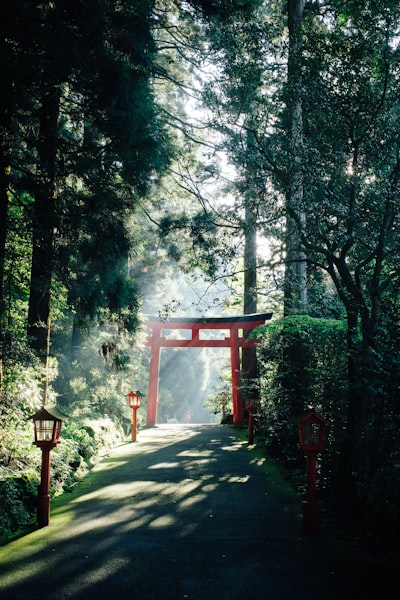
Tochigi Prefecture is anchored by Nikko — Japan’s most ornate temple-shrine complex and a UNESCO World Heritage Site — and offers one of the most complete day-trip-to-overnight conversion cases in the country. Staying overnight in Nikko (rather than day-tripping from Tokyo) reveals the complex in the blue pre-dawn and golden late-afternoon light, when tour groups have departed and the cedar avenues return to an atmosphere of genuine forest solemnity.
Best Areas to Stay
Nikko — UNESCO World Heritage Town
A mountain town at 543 m elevation surrounded by ancient cedar forest planted by the Tokugawa shogunate in 1648. Toshogu Shrine (the most expensive building project in 17th-century Japan), the Taiyuinbyo mausoleum, and Rinnoji Temple are the core. Best for: overnight cultural depth, autumn foliage (October), photography.
Kinugawa Onsen — Gorge-Side Hot Springs
A popular hot spring resort town 15 km east of Nikko on the dramatic Kinugawa River gorge. Accessible from Asakusa (Tokyo) in 2 hours by Tobu Limited Express without Shinkansen. Best for: onsen, budget-friendly ryokan, families.
Nasu Highland
A volcanic highland resort popular with the imperial family — Emperor Akihito and Empress Michiko have a summer villa at Nasu. Safari park, dairy farms, ceramics studios, and outdoor hot spring baths. Best for: families, summer highland escape.
Nikko Accommodation
Nikko Kanaya Hotel ⭐⭐⭐⭐ (Historic)
Japan’s second-oldest Western hotel, founded 1873 — in continuous operation through the Meiji, Taisho, and Showa eras. Albert Einstein, Indira Gandhi, and Audrey Hepburn have all stayed here. Wooden Victorian architecture on the banks of the Daiya River. The restaurant serves Nikko yuba (tofu skin) cuisine. ¥25,000–¥55,000/night.
Nikko Tokanso (Ryokan)
A traditional ryokan within walking distance of Toshogu Shrine — tatami rooms, shared indoor and outdoor baths fed by the local iron-rich spring. The best location in Nikko for early-morning shrine access. ¥18,000–¥30,000/pp.
Nikko Astraea Hotel
A mid-range option near the Shinkyo sacred bridge — well-positioned for the shrine complex and the Ryuzu waterfall day hike. Natural hot spring bath in the building. ¥12,000–¥22,000/night.
Kinugawa Onsen Ryokan
Kinugawa Grand Hotel Yume no Toki ⭐⭐⭐⭐
A large-scale riverside ryokan with multiple floors of gorge-view rooms. The outdoor bath is cantilevered over the river — the sound of the Kinugawa rushing below accompanies the soak. Multiple dining rooms serving Tochigi beef and mountain vegetables. ¥22,000–¥40,000/pp.
Kinugawa Onsen Iwashige
A smaller, more intimate ryokan on the river — 15 rooms only, communal outdoor baths, and excellent kaiseki at a more accessible price point. ¥18,000–¥28,000/pp.
Kinugawa Park Hotels
An affordable family-friendly option in Kinugawa town — large facilities, multiple pool types, and the Tobu World Square theme park (miniature world architecture recreations) just 10 minutes away. ¥14,000–¥22,000/pp.
Nasu Highland Accommodation
Nasu Prince Hotel
A large resort hotel in the Nasu highland area — skiing in winter (4 runs), Nasu Safari Park day trip, and volcanic hot spring baths. The most family-oriented major hotel in the region. ¥20,000–¥40,000/night.
Koyoen Ryokan, Nasu
A quiet mid-size ryokan in the cedar forests of Nasu — the spring water is famous for skin benefits, the kaiseki uses highland dairy products (Nasu produces excellent cheeses and butters), and the atmosphere is distinctly different from the crowded Nikko scene. ¥22,000–¥38,000/pp.
Practical Tips
- Nikko timing: Toshogu Shrine attracts enormous tour groups from 9 a.m. to 3 p.m. Stay overnight and access the complex at opening (8 a.m.) or at 4 p.m. when most day-trippers depart. The cedar avenue approach is at its most atmospheric in early morning mist.
- Nikko in autumn: Mid-October to mid-November — the Irohazaka switchback road into Nikko’s highland areas (Chuzenji Lake, Kegon Falls) is lined with scarlet maple — one of Japan’s great autumn drives.
- Kinugawa Limited Express: Tobu Spacia and Revaty trains run direct from Asakusa (Tokyo) to Kinugawa-Onsen in 2 hours — no Shinkansen needed. A combined Nikko-Kinugawa pass covers both resorts.
- Nikko yuba: The specialty food of Nikko is yuba (the skin that forms on heated soymilk). It appears in countless forms at every Nikko restaurant — raw with wasabi, deep-fried in a roll, simmered in dashi. The Buddhist origins reflect Nikko’s temple town heritage.
- Nasu imperial connection: The Nasu Imperial Villa is not open to visitors, but the surrounding Nasu highland area sees discreet royal family movement in summer. The local dairies producing Nasu cheese and butter are excellent farm shops.