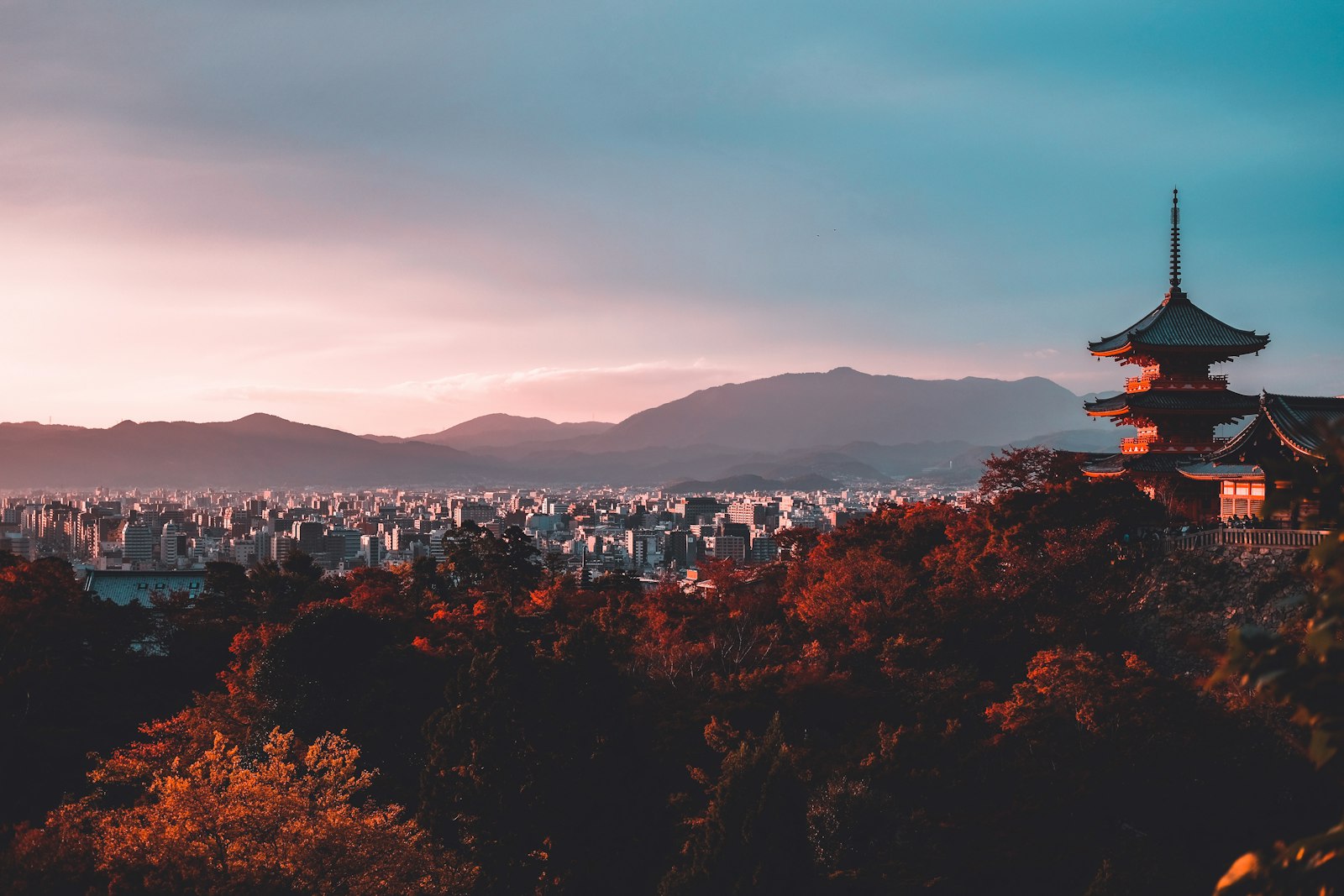
Tochigi Prefecture packs a remarkable variety of hot spring experiences into a compact area north of Tokyo. Three distinct onsen zones define the region: Kinugawa, a lively riverside resort town easily combined with a Nikko sightseeing day; Nikko Yumoto, a remote alpine refuge at 1,478 metres surrounded by volcanic peaks and a quiet lake; and Nasu, a highland plateau scattered with family-friendly hotels and traditional ryokan. Each zone has its own character, water quality, and ideal visitor profile — this guide helps you choose the right one and plan your stay.
Kinugawa Onsen
Kinugawa Onsen sits along the Kinugawa River gorge about 30 minutes by Tobu Line from Nikko Station. It is the most accessible of Tochigi’s onsen destinations and the easiest to combine with a UNESCO World Heritage sightseeing itinerary.
Getting There
From Asakusa (Tokyo), take the Tobu Spacia or Revaty limited express to Kinugawa-Onsen Station. The journey takes approximately 1 hour 50 minutes and costs around ¥2,720 one way. From Nikko Station, a local Tobu train reaches Kinugawa-Onsen in roughly 30 minutes. The Nikko World Heritage Pass (¥4,500 for 2 days) covers unlimited Tobu rail travel in the Nikko–Kinugawa area and is worth buying if you plan to visit both zones.
What to Expect
The town is built around a narrow gorge, and most hotels and ryokan have rooms or open-air baths facing the river. Water here is a mildly alkaline sodium chloride spring, generally colourless and odourless, with a soft feel on the skin. It is suitable for all skin types and is often described as a “beautifying” water (bijin no yu).
The riverside promenade is pleasant to walk in the evening, with illuminated gorge views. Several large resort hotels operate outdoor terraced baths above the river; these are the main draw for visitors who are not specifically seeking a quiet, traditional onsen experience.
Recommended Stays
- Kinugawa Grand Hotel Yume no Toki — One of the larger riverside properties, with multiple open-air baths and a full kaiseki dinner course. Rates from around ¥20,000–¥30,000 per person including two meals.
- Hotel New Kawana — Mid-range option with a good riverfront location; rooms with private balconies overlook the gorge. Accessible for guests with mobility considerations.
- Asaya — A well-established traditional ryokan with multi-tiered rotenburo (outdoor baths) carved into the gorge slope. Popular with repeat visitors for its food and service.
Nearby Activities
Edo Wonderland (Nikko Edomura) is a 10-minute taxi ride from Kinugawa-Onsen Station and is an excellent half-day add-on. Tobu World Square, a park of 1:25-scale architectural models, is also nearby and can be reached in under 15 minutes by Tobu Line.
Nikko Yumoto Onsen
Nikko Yumoto is the most remote and atmospheric of Tochigi’s three main onsen zones. At 1,478 metres elevation, it sits at the far end of the Oku-Nikko highland plateau, next to Yunoko Lake, surrounded by forest and volcanic terrain.
Getting There
There is no direct rail connection. From Nikko Station or Tobu-Nikko Station, take the Tobu bus bound for Yumoto Onsen. The ride takes approximately 80 minutes from Nikko and passes through Chuzenji Onsen (a major stop). From Chuzenji Onsen bus terminal, Yumoto is a further 30 minutes. In peak autumn foliage season (late October–early November), traffic on the Irohazaka hairpin road can significantly extend journey times; consider an early-morning departure.
The Springs
The water at Yumoto is sulfurous (ioujizuru), with a distinctive rotten-egg smell that signals high hydrogen sulfide content. The colour is a milky white or pale yellow, and the water is said to be effective for skin complaints, muscle fatigue, and rheumatism. This is one of the more characterful spring types in Japan — if you have only experienced clear, odourless onsen before, Yumoto is a notable contrast.
Yunoko Lake and the Surroundings
The small lake Yunoko sits just in front of the onsen village. In winter the lake freezes, and in autumn the surrounding larches and maples turn vivid red and gold, making the area one of the most photographed scenes in Tochigi. A short trail circles the lake (about 30 minutes on foot). The wider Oku-Nikko plateau offers hiking trails through marshlands and past Ryuzu Falls and Kegon Falls on the way back toward Nikko.
Where to Stay
The onsen village has a small number of ryokan. Most are traditional in style and include dinner and breakfast in the room rate. Prices tend to be slightly lower than comparable ryokan in Kinugawa, reflecting the remote location. Advance booking is strongly recommended for autumn and summer holidays.
Nasu Onsen
Nasu sits on a highland plateau north of Tochigi city, clustered around the slopes of Mt. Chausu (1,915 m). It is more spread out than Kinugawa and lacks a single focal point, but offers a wide range of accommodation from budget pensions to upscale resort hotels.
Getting There
From Tokyo (Ueno or Omiya), take the Tohoku Shinkansen to Nasu-Shiobara Station. The journey takes about 70 minutes. From the station, buses and taxis serve the various onsen hotels — most properties offer shuttle services, so confirm when booking. The area is also popular for driving holidays; rental cars are available at Nasu-Shiobara Station.
Spring Types and Area Character
Nasu has several distinct spring sources, and water quality varies by hotel location. Acidic springs are common on the upper slopes near Mt. Chausu; sodium bicarbonate springs are found in the lower valley areas. Nasu Onsen Shrine, one of the oldest shrines in the region, sits near the main spring area (Yumotozaka) and is worth a short visit.
The overall feel of Nasu is relaxed and family-oriented. The highland air is noticeably cool compared to the lowlands, making it a popular summer escape from Tokyo’s heat. In autumn, the plateau’s broad-leaved forests produce good foliage colour. Winter offers light snowfall, and several hotels have outdoor baths with snow views.
Accommodation Range
Nasu has more accommodation variety than Nikko Yumoto. Options include large resort hotels with water parks and entertainment for children, mid-range western-style hotels, and small traditional inns. Prices are competitive with Kinugawa. Two-meal (dinner and breakfast) packages at mid-range ryokan typically start around ¥15,000 per person.
Oku-Kinugawa and Kawaji Onsen
Upstream from Kinugawa, the Oku-Kinugawa and Kawaji Onsen areas offer a quieter alternative for visitors who find Kinugawa’s resort atmosphere too busy. The number of hotels is smaller, the gorge scenery is wilder, and the atmosphere leans more toward traditional inn stays than entertainment-focused packages.
Kawaji Onsen is about 10 minutes further up the Tobu Line from Kinugawa-Onsen Station. It is a good choice for a second night after sightseeing in Nikko, when you want to decompress without the noise of a large resort. Water quality is similar to Kinugawa: clear, mildly alkaline, soft on skin.
Onsen Etiquette for First-Timers
A few practical points if this is your first hot spring experience in Japan:
- Towels: Small modesty towels are typically provided. Do not submerge the towel in the bath water; fold it and rest it on your head or place it by the bath edge.
- Wash first: All baths require you to wash thoroughly at the seated shower stations before entering. Soap and shampoo are always provided.
- No swimwear: Almost all communal baths (rotenburo and indoor) are used without swimwear. Mixed-gender outdoor baths (konyoku) are rare but exist at some traditional facilities; these are usually announced clearly at the property.
- Tattoos: Many ryokan and hotel baths prohibit visible tattoos in communal baths. If this applies to you, confirm the policy before booking. Some properties offer private family baths (kashikiri-buro) that can be reserved regardless of tattoo status.
- Temperature: Outdoor baths can be cooler than indoor baths in winter — the contrast is enjoyable but exit slowly to avoid dizziness. Indoor baths at some traditional facilities reach 42–44°C, which is hotter than many visitors expect.
Practical Tips
Best seasons: Autumn (October–November) is peak season for Nikko and Oku-Nikko, with strong foliage colour. Kinugawa and Nasu are popular year-round; summer weekends are busy. Avoid Golden Week (late April–early May) if possible — prices are higher and transport is congested.
Booking advice: For Nikko Yumoto and popular Kinugawa ryokan, book at least two to four weeks ahead for autumn weekends. English-language booking is available through Jalan, Rakuten Travel, and major OTAs such as Booking.com and Agoda.
Day-trip bathing: If you are not staying overnight, most onsen hotels offer day-use bathing (higaeri nyuyoku), typically between 10:00 and 15:00 for ¥500–¥1,500. Confirm availability by phone or online before visiting, as capacity can be limited.
Combining areas: Kinugawa and Nikko are easily combined in a two-day trip using the Nikko World Heritage Pass. Adding a Nasu night requires backtracking to the Shinkansen line or a longer road transfer, so most visitors treat Nasu as a separate trip.