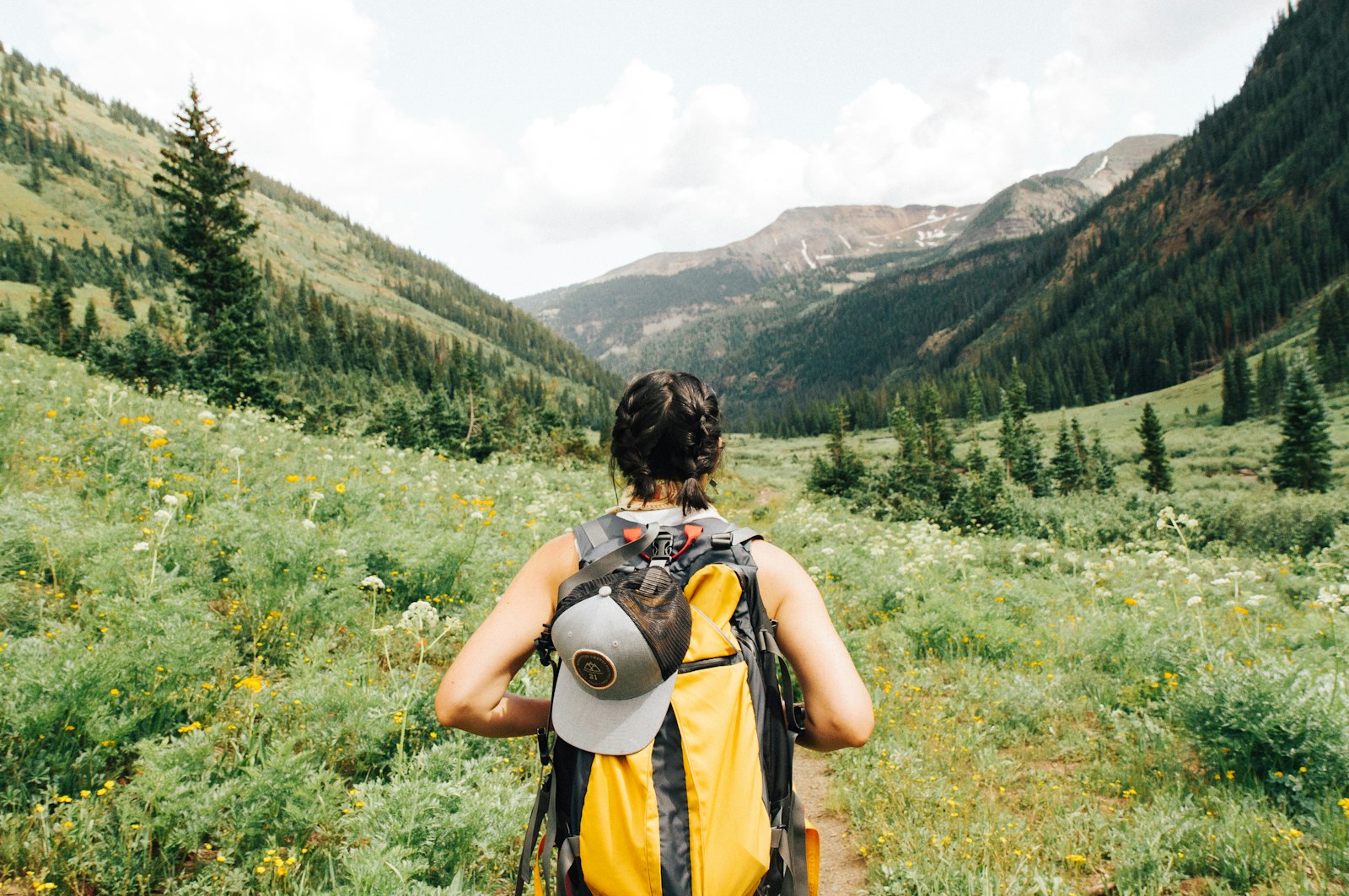
Tochigi is one of the most rewarding prefectures in Japan for solo travel. The main draw — Nikko’s UNESCO World Heritage complex — is entirely self-guided, comfortable to navigate alone, and rich enough to occupy a full day at your own pace. Away from Nikko, the prefecture offers gyoza counter bars built for solo diners, hands-on pottery workshops that welcome individual bookings, and an underground museum that feels like a private discovery. Transport connections are straightforward, English signage is good at major sites, and the overall pace of the region is relaxed enough that solo travellers never feel rushed.
Getting There & Around Solo
The best base for most solo travellers is Nikko, reachable from Asakusa (Tokyo) in 1 hour 50 minutes by the Tobu Spacia or Revaty limited express (¥2,720). If you plan to explore only Nikko, the Nikko World Heritage Pass (¥4,500 for two days, purchased at Asakusa) covers the round-trip express seat plus unlimited buses within the Nikko area — the most convenient option for solo visitors who don’t want to manage individual tickets.
For Utsunomiya, the Tohoku Shinkansen from Tokyo takes just 50 minutes (¥4,150), or the slower JR Utsunomiya Line from Ueno takes about 100 minutes (¥1,520) — a reasonable budget option.
Within Nikko, a Tobu Bus day pass (¥1,000) covers movement between the shrine complex, Chuzenji, and Okunikko. The buses are infrequent in off-peak hours, so check timetables before heading to Kegon Falls or Senjogahara. A printed or downloaded schedule is useful.
Nikko Solo
Nikko’s shrine and temple complex is ideal for solo exploration. Entry to the combined UNESCO ticket (¥1,300) covers Toshogu, Futarasan Shrine, and Taiyuinbyo — budget three to four hours for a thorough visit. Rinno-ji Temple, which requires a separate ¥400 ticket, is worth adding for its three large gilded Buddhas (Sanbutsudo Hall).
At your own pace, solo travellers can linger over the details that groups often rush past: the 400-plus carvings on the Yomeimon Gate, the three wise monkeys above the Shinkyusha stable, and the Nemuri-neko (sleeping cat) above the gate to Ieyasu’s tomb. An English audio guide (available at the entrance) significantly enriches the experience if you want context for each carving.
After the shrines, Nikko Omotesando — the main approach road from the station to the complex — has a cluster of good cafes and yuba restaurants well-suited to solo dining. Try seiro-mushi gohan (yuba-topped steamed rice) or a yuba soba set for around ¥1,200–¥1,800.
Utsunomiya Gyoza — Solo Counter Culture
Utsunomiya is one of Japan’s best cities for solo dining. Gyoza restaurants throughout the city are built around counter seating, making solo visitors immediately comfortable. No need for reservations at most spots; you sit, order, and eat.
The standard approach is a yaki-gyoza set (6 pan-fried dumplings, rice, soup) for ¥600–¥900. For an evening in Utsunomiya, a solo “gyoza crawl” — two or three restaurants in sequence — is a satisfying and affordable way to compare styles. Start at Kirasse, an underground gyoza hall near the station, where multiple vendors share one space and you can sample several styles in one visit. Then try a single-restaurant counter at Minmin or Masashi for contrast.
Utsunomiya is also convenient for a half-day trip combined with other Tochigi destinations, since it sits on the Tohoku Shinkansen line and connects easily to both Nikko and Mashiko.
Mashiko Pottery Workshop Solo
Mashiko pottery town, about 45 minutes from Utsunomiya by bus, welcomes solo workshop participants readily. Most kilns and studios offer pottery-throwing sessions (tebineri or rokuro) for ¥1,500–¥3,000 per person, and individual bookings are standard — no need to join a group.
A typical workshop runs 60–90 minutes. You shape a piece (usually a bowl or small cup) under instruction from a local potter, and the studio fires and ships it to your home address (domestic or international, with an extra fee). Alternatively, some studios offer faster-drying techniques and ready pieces to take home the same day.
The Mashiko Reference Collection Museum (¥700) is an excellent solo stop: it houses the personal collection of Living National Treasure Hamada Shoji, including work by his collaborator Bernard Leach. It is quiet, well-labelled in English, and takes about an hour.
If visiting during the Mashiko Pottery Fair (Golden Week or early November), the atmosphere shifts entirely — 500-plus potters set up stalls across the town, and browsing solo through hundreds of individual pieces is a genuine pleasure.
Oya History Museum — Underground Solo Discovery
The Oya History Museum in Utsunomiya is one of the most memorable solo experiences in Tochigi. An enormous underground quarry carved into 20-million-year-old tuff stone, the museum feels otherworldly: cathedral-scale chambers, cool air even in summer (10–13°C year-round), and dramatic lighting that picks out the ancient stone walls.
Entry is ¥800 and the self-guided circuit takes 30–45 minutes. Access from Utsunomiya Station is by bus (Oya-shizen Koen stop, about 20 minutes, ¥360). It pairs well with a half-day in Utsunomiya combining gyoza lunch and the museum in the afternoon.
The museum also hosts occasional concerts and events in the cavern — check the official website for the schedule if your visit dates overlap.
Solo-Friendly Accommodation
Nikko town has the widest range of budget and mid-range options for solo travellers. Several small guesthouses and backpacker-style hostels cluster within walking distance of the shrine complex, with dormitories from ¥3,500 and private rooms from ¥7,000. Turtle Inn Nikko and Nikko Guesthouse Sumica are well-regarded among independent travellers.
In Utsunomiya, business hotels (APA Hotel, Dormy Inn, Toyoko Inn) provide reliable solo accommodation from ¥6,000–¥10,000 per night, with single rooms, on-site baths, and convenient station access.
For a solo onsen experience, some Kinugawa Onsen ryokan accept solo bookings — though rates per person are higher than for couples. Call ahead to confirm availability, as many ryokan prefer pairs or groups. Alternatively, day-bathing (higaeri nyuyoku) at Kinugawa is available at several ryokan for ¥1,000–¥2,000 without an overnight stay.
Safety & Practical Tips
Japan is exceptionally safe for solo travellers of all backgrounds. Tochigi’s main tourist areas have English signage, and staff at Nikko’s major sites are accustomed to international visitors.
- Language: Google Translate’s camera function handles most Japanese menus and signs reliably.
- Mountain safety: If hiking in Nikko (Senjogahara, Mt. Nantai), carry a printed or offline map — mobile signal is intermittent at elevation. Register your hiking plan at the trailhead logbook.
- IC card: A Suica or Pasmo card handles all Tobu buses, trains, and most convenience store purchases throughout the region.
- Weather: Nikko’s altitude means temperatures run 3–5°C cooler than Tokyo. Even in summer, bring a light layer for evenings at Chuzenji or Senjogahara.
Suggested 4-Day Solo Itinerary
Day 1 — Nikko Morning shinkansen to Utsunomiya, Tobu Limited Express to Nikko. Afternoon in the UNESCO shrine complex (arrive before 2pm). Yuba dinner on Omotesando. Stay in Nikko town.
Day 2 — Chuzenji & Okunikko Bus up the Irohazaka switchback to Kegon Falls and Lake Chuzenji. Afternoon walk on Senjogahara marshland boardwalk (3.5 km loop). Return to Nikko by bus.
Day 3 — Utsunomiya Morning bus or train to Utsunomiya. Oya History Museum in the morning. Gyoza lunch and counter-crawl in the afternoon. Overnight business hotel in Utsunomiya.
Day 4 — Mashiko Morning bus to Mashiko. Pottery workshop (book ahead). Browse Reference Collection Museum and kilns. Return to Utsunomiya for shinkansen back to Tokyo.