Akihabara exists nowhere else on earth. The district began as a black market for electrical components after World War II, evolved into the world’s largest consumer electronics district in the 1970s, and transformed again in the 1990s into the global capital of anime, manga, and gaming culture. Today it is all three simultaneously: a place where you can buy a server rack, a 1987 Famicom cartridge, a hand-painted anime figure, and a cup of coffee served by a woman in a Victorian maid uniform — all within 500 metres of each other.
This guide is designed for visitors who want to actually navigate it rather than just look at it.
🗓️ Quick Reference
| Location | Akihabara, Chiyoda-ku / Taito-ku, Tokyo |
| Best station | Akihabara (JR Yamanote/Keihin-Tohoku/Sobu, or Tokyo Metro Hibiya Line) |
| Opening hours | Most shops: 10:00–21:00. Some close Thursdays or Tuesdays. |
| Best day | Sunday (Chuo-dori becomes pedestrian from 13:00–18:00) |
| Tax-free shopping | Available at major stores with passport |
| Budget | ¥3,000–30,000+ depending on what you’re buying |
Orientation: Two Zones
Chuo-dori (the main street): The broad north-south road lined with the big electronics and anime chain stores. This is where Yodobashi Akiba, Animate, Sofmap, and Kotobukiya are. Most first-time visitors spend all their time here.
Side streets and back alleys: The far more interesting territory. The narrow streets running east and west of Chuo-dori hide the specialist shops — retro game stores, doujinshi (self-published manga) shops, figure specialist stores, cosplay shops, component parts dealers, and the maid cafes. If you haven’t turned off Chuo-dori, you’ve only seen half of Akihabara.
The Major Stores
Yodobashi Camera Akiba
The dominant store in Akihabara — a nine-floor complex so large it has its own basement food court. Worth understanding floor by floor:
- B1F: Food court and services
- 1F–2F: Cameras, smartphones, computers, audio equipment
- 3F: Gaming consoles, games, PC components
- 4F: Home appliances
- 5F: Toys and hobby (scale models, Lego, radio-controlled vehicles)
- 6F–7F: Anime goods, figures, manga, trading cards
- 8F: Sports equipment
- 9F: Books and music
Tax-free tip: The dedicated tax-free counter is on the ground floor. You must spend ¥5,001 or more per store on “non-consumable” goods (electronics, figures — not food or cosmetics). Show your passport. The saving is 10%.
Animate Akihabara
The national chain’s flagship store across six floors. Dedicated entirely to anime goods: official merchandise, character goods, CDs, blu-rays, art books, and costumes. Strong on current-season anime. The purchasing limitation: everything is officially licensed, so prices are set and you won’t find bargains here — but you will find things that aren’t available outside Japan.
Kotobukiya
The premium figure manufacturer’s flagship store. Multi-floor, with showcase-quality display items and their full range of Bishoujo, Fine Art, and ARTFX statue lines. Prices are retail (not discounted), but the selection of their own products is complete. Good for understanding what premium figures look like before shopping second-hand.
Mandarake Complex
Eight floors in a narrow building, the largest used/second-hand anime and manga store in Akihabara. Unlike the new-goods stores, Mandarake is where you find out-of-print items, vintage anime merchandise, rare artbooks, original animation cels, doujinshi going back decades, and used figures at significant discounts.
Floor guide:
- 1F: Trading cards, sticker books
- 2F: Doujinshi (self-published manga), divided by category
- 3F: Figures and cosplay
- 4F: Video games (new and used)
- 5F: Animation cels, rare merchandise
- 6F–8F: Mixed vintage goods
Prices: Variable. A used figure that retails for ¥15,000 new might be ¥8,000 here if opened (box missing), or ¥12,000 if sealed. Some items are above retail because they’re discontinued and in demand.
Akihabara Sofmap
A Bic Camera subsidiary with the best selection of used electronics in the district. One floor specialises in unlocked SIM-free smartphones at competitive prices — useful if you need a Japanese-standard phone. The used game section is reliable for pricing (listed clearly).
Retro Gaming: The Best Shops
This is where Akihabara genuinely cannot be replicated online. Physical stores in the district hold stock that doesn’t appear on Japanese auction sites and is priced for walk-in customers.
Super Potato
The most famous retro gaming destination in Japan — three floors of Famicom, Super Famicom, PC Engine, Mega Drive, and other systems in varying states of completeness. Cartridges, consoles, controllers, and accessories sorted by system and condition. Prices are fair rather than cheap (Super Potato knows its reputation). The basement has a functioning retro arcade.
What to buy: Complete-in-box Super Famicom games in excellent condition are genuinely harder to find at this price anywhere outside Japan. Pre-check prices on JP eBay/Mercari before visiting so you know a good deal.
Retro Game Camp
Smaller and less famous than Super Potato, with a slightly different buying focus and sometimes better prices on common items. Worth checking if you didn’t find something at Super Potato.
A-Too Akihabara
Specialises in PS2 and Dreamcast era (the “32-bit and beyond” generation). Useful if your interests run more recent than Famicom.
Gashapon (Capsule Toy Machines)
Akihabara has the highest density of gashapon machines in Japan. The key locations:
- Gachapon Kaikan (25 Soto-Kanda 3-chome): An entire building of nothing but gashapon machines — over 400 units on multiple floors, divided by character franchise and type. ¥300–600 per try.
- Various 1F lobbies: Most multi-floor stores have a row of machines on the ground floor or outside. Look for the anime/gaming franchises you want and the price per capsule.
What you get: Small figures, keychains, accessories, novelty items based on licensed anime characters, or original designs. Quality varies enormously. The top-end “premium” gashapon (¥500–800) often produce better figures than much of the packaged goods sold at retail.
One warning: Gashapon operates by random chance. You get what you get. If you specifically want a particular character from a set of 8, expect to spend ¥2,400–4,800 trying. Alternatively, buy the specific character second-hand at Mandarake for roughly the same price.
Maid Cafes: What to Expect
Maid cafes are a uniquely Akihabara institution that exist for the specific purpose of making customers feel like they have arrived home to a welcoming maid character — not as a romantic service, but as a form of theatrical cosplay dining. The experience is genuinely Japanese and genuinely unlike anything in most visitors' home countries.
The basic format:
- You are greeted at the door by a maid in a frilly apron dress who calls you “master” (男性/males) or “princess” (女性/females)
- You sit at a table and order from a menu of drinks, light food, and add-on “services”
- Services include: “moe moe kyun” photo (the maid puts a heart blessing on your food/drink and you photograph it), a polaroid photo with your maid, a game of rock-paper-scissors, a birthday celebration (if applicable)
- Some cafes have the maid draw a character on your omelet in ketchup
- Most menus cost ¥600–1,200 per drink/food item; photo add-ons are ¥500–1,500 each
- There is usually a seating fee (席料) of ¥500–1,000 that covers your table
Which cafe to visit:
@home cafe (Akihabara UDX Building, 4F) — The most internationally accessible. English-speaking staff, picture menus, and a relaxed attitude toward nervous first-timers. One of the largest maid cafes in the district with multiple rooms.
Maidreamin (multiple floors) — More theatrical and “performance” oriented. Maids actively perform, there are more structured interactions, and the experience is louder and more energetic.
Cure Maid Cafe (Suehirocho, near Akihabara) — The oldest maid cafe in Akihabara (established 2001). Quieter, more refined, more focused on good coffee than performance. Better for those who find the theatricality of larger cafes overwhelming.
Rules for all maid cafes:
- Do not photograph maids without paying for a photo service
- Do not ask for or attempt personal contact with maids
- Follow all instructions from staff about seating, ordering, and “service” timing
- One food/drink order per person per hour is typically required
Tax-Free Electronics Shopping
For visitors from outside Japan, the 10% consumption tax is refundable on purchases over ¥5,001 (non-consumable goods) at participating stores. This applies to electronics, anime goods, and figures — not food, cosmetics, or opened goods.
Process:
- Collect your items and go to the tax-free counter
- Present your passport
- Sign a purchase agreement
- The goods are sealed in a bag that customs may check when you leave Japan (do not open before you leave the country)
- The 10% is deducted at the register
Best stores for electronics: Yodobashi Akiba and Akihabara Sofmap have the most streamlined tax-free processes for tourists. Smaller specialist stores may still offer tax-free but the process takes longer.
Japan-specific items worth buying:
- IC recorders (voice recorders) by Olympus/Sony — Japanese models have features not released internationally
- Certain Sony cameras and audio equipment (some Japan-only colourways)
- Physical game cartridges for Japanese Nintendo Switch games (region-free hardware)
What’s Actually Free
Several Akihabara experiences cost nothing:
- Chuo-dori on Sundays (13:00–18:00): The main street closes to cars and becomes a pedestrian zone. The atmosphere shifts — street performers, cosplayers, and the full density of Akihabara on display.
- Window shopping any floor of any store: No pressure to buy. Store staff in Japan do not follow or pressure customers.
- Gashapon machine browsing: Just looking at what’s available costs nothing.
- Maid cafe exterior photos: The maids standing outside to recruit customers are usually willing to be photographed (ask first).
Getting There & Around
JR Akihabara Station (Yamanote Line, Keihin-Tohoku Line, Sobu Line): The Electric Town exit (電気街口) leads directly onto Chuo-dori. This is the right exit.
Tokyo Metro Hibiya Line → Akihabara Station: A 2-minute walk from the JR station. Useful if coming from Roppongi or Ginza.
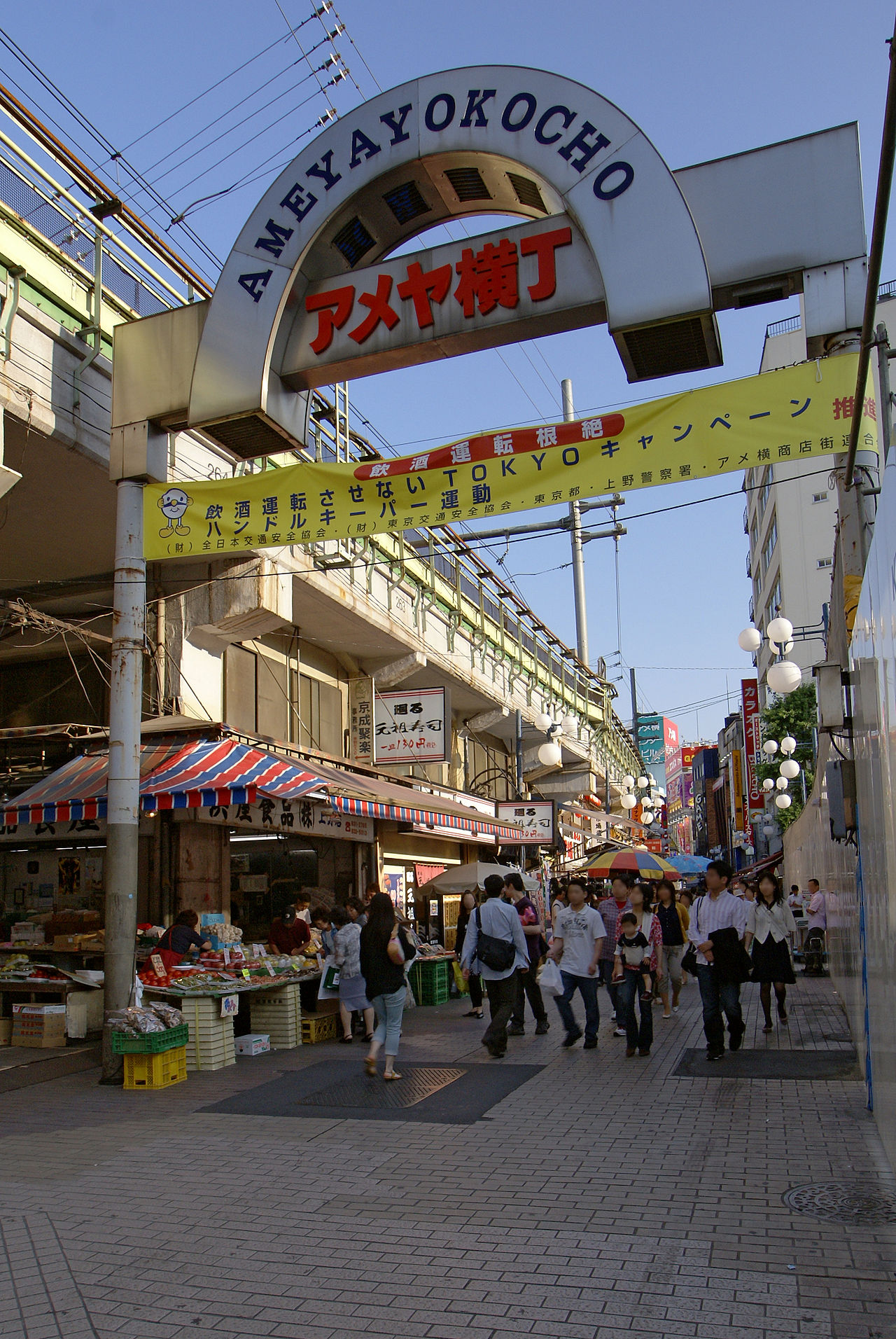
From Ueno: Walk 15 minutes south through Ameyoko market, or 1 stop on the Keihin-Tohoku Line.
From Shinjuku: JR Sobu Line direct to Akihabara, about 20 minutes.
Practical Tips
- Bring cash. Small specialist shops and older stores often don’t accept cards. ATMs in 7-Eleven convenience stores (there are several in the district) dispense yen and accept international cards.
- Check store closing days. Many shops in Akihabara close on a specific day of the week (often Thursday or Tuesday). Check the store’s website or just walk past.
- Wear a backpack, not a suitcase. The aisles in most stores are narrow; rolling luggage is a serious nuisance.
- Budget extra time for Mandarake. Eight floors of dense stock takes longer to process than expected, and the prices require comparison. Allow 45–90 minutes if you’re a serious buyer.