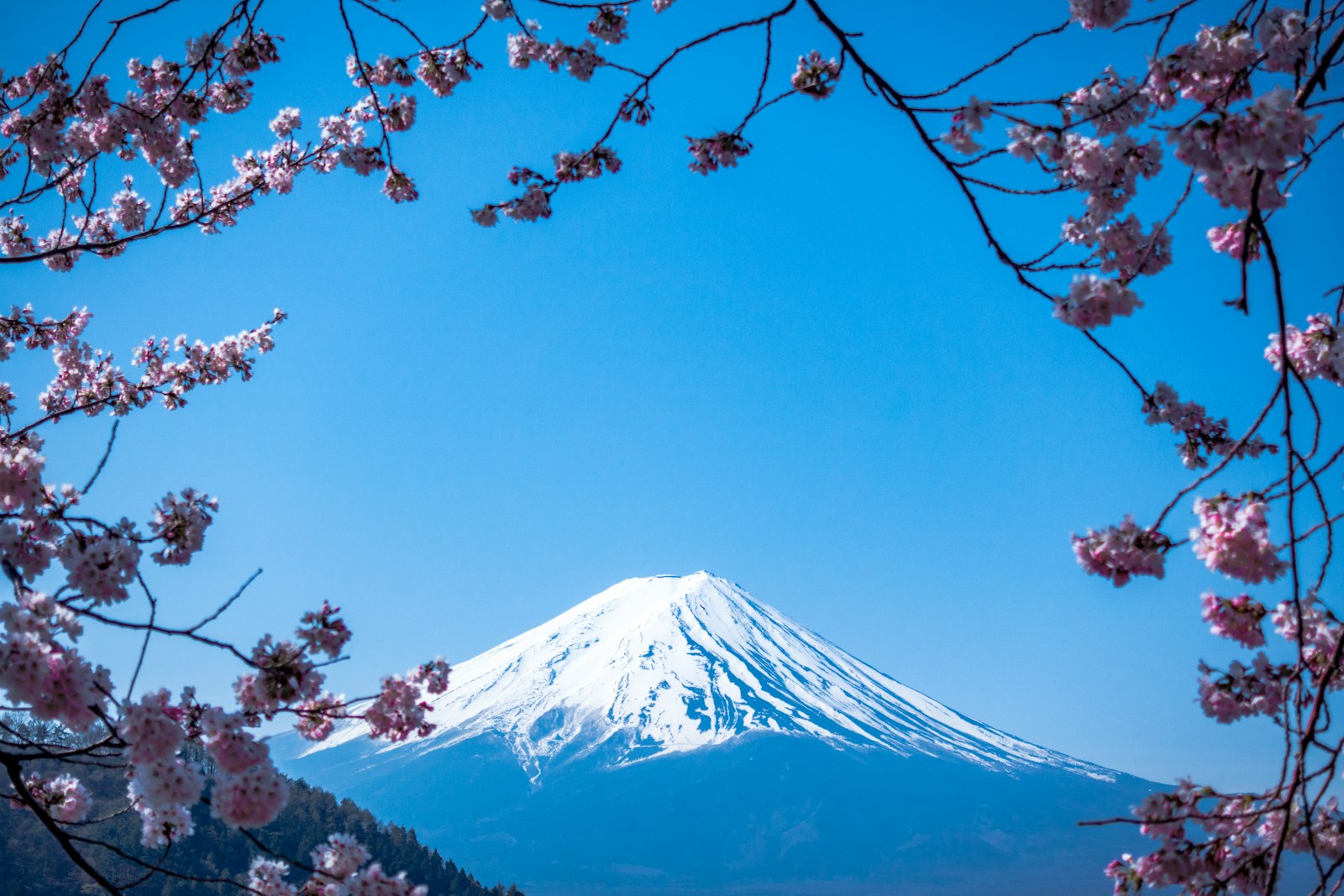
Tokyo is one of the world’s great destinations for a girls' trip — a city that takes beauty, food, fashion, and experience design more seriously than almost anywhere on earth. From haul shopping in Harajuku to precision wagashi-making workshops, ryokan spa nights, and the most photogenic gardens and alleys in Asia, this guide covers the best Tokyo experiences for groups of women.
👘 Kimono Experience
Asakusa — Best Area for Kimono Rental
Access: Asakusa Station (Tokyo Metro Ginza Line, Toei Asakusa Line) Price: ¥3,000–¥8,000 per person including dressing assistance and hair styling Duration: Full day rental; most shops open 9:00, return by 17:30–18:00
Walking Asakusa in kimono — through the approach to Senso-ji, along the old shotengai, and on the banks of the Sumida River — is one of Japan’s most immersive dress-up experiences and one of the best photo opportunities in the country. Dozens of rental shops cluster around the temple area; Wargo and Okamoto are the most popular for their wide selection of modern patterns alongside traditional styles.
Tips:
- Book in advance for weekends and cherry blossom season (queues can mean 45-minute waits at unbooked shops)
- Ask for furisode (long-sleeved formal) or komon (everyday casual) style depending on the aesthetic you want
- Spring (March–April) and autumn (October–November) are the best seasons: the outdoor backgrounds for photos are at their most beautiful
Harajuku Alternative — Vintage Kimono Styling
For a more fashion-forward approach, several shops in Harajuku and Shimokitazawa offer vintage kimono styling with contemporary accessories (chunky jewellery, colourful obi belts, sneakers) — a style popular among young Japanese women that works particularly well in street photography contexts.
🍰 Afternoon Tea & Café Culture
Tokyo has elevated afternoon tea to a form of seasonal art — tea sets change completely with the season, often themed around cherry blossoms, summer hydrangea, autumn mushrooms, or winter citrus.
Top Afternoon Tea
Andaz Tokyo Toranomon Hills (52F) — ¥8,000–¥12,000 per person. The highest-floor afternoon tea in Tokyo, with panoramic views over the city. The seasonal tea set frequently incorporates Japanese ingredients (yuzu curd, matcha financiers, sakura jelly) into an otherwise British-format spread. Book 2–3 weeks ahead for weekends.
Palace Hotel Tokyo — Crown — ¥8,500+ per person. Arguably Tokyo’s most refined afternoon tea room — pale blue and gold interiors, overlooking the Imperial Palace moat, with classical music. Significantly less Instagrammed than the Andaz which means service is more attentive.
Harrods Tea Room, Omotesando Hills — ¥5,500–¥7,500. The Tokyo outpost of the Knightsbridge institution, with Omotesando’s zelkova tree-lined boulevard visible through floor-to-ceiling windows. More accessible for booking; excellent scones.
Kawaii Café Culture
Kawaii Monster Café, Harajuku (Takeshita-dori area) — A maximalist colour explosion of a café designed by Sebastian Masuda; more about the spectacle than the food, but entirely worth 45 minutes.
Sailormoon Crystal Café and various anime character cafés — Tokyo regularly hosts limited-time themed cafés for major anime and manga titles. Check the Animate Café schedule (animate-cafe.jp) before your trip — collaborations change seasonally and booking fills immediately.
🛍️ Shopping
Omotesando & Harajuku — Fashion Central
Omotesando is Tokyo’s luxury shopping boulevard — flagship buildings by Kengo Kuma (Nezu Museum entrance), SANAA (Dior), and Tadao Ando (Omotesando Hills complex) line 1.2km of zelkova-canopied avenue. For a girls' shopping day: start at Omotesando Hills (Ando-designed complex with mid-to-high range Japanese designers and international brands), work up the hill to Louis Vuitton, Chanel, and Celine, then turn into Cat Street (Ura-Harajuku) for the independent boutiques.
Harajuku proper: Takeshita-dori is pure spectacle — candy-coloured crepe shops, extreme Harajuku fashion, mass-market accessories. For a more refined Harajuku experience, the back streets between Takeshita-dori and Omotesando have 50+ curated vintage and designer consignment shops.
Daikanyama — Best Neighbourhood for Independent Boutiques
The highest concentration of small, carefully curated independent fashion boutiques in Tokyo, plus the Daikanyama T-Site bookshop (one of the world’s most beautiful, excellent art/photography/fashion section), the Hillside Terrace complex of galleries, and a density of garden cafes ideal for breaks between shopping.
Beauty Shopping
Loft Shibuya (B1–6F) — The single best destination for Japanese stationery, beauty tools, and cosmetics in the city. The beauty floor stocks every major Japanese skincare brand alongside niche formulations unavailable outside Japan.
@cosme TOKYO, Harajuku — Japan’s largest cosmetics data platform has a physical store in Harajuku ranking and displaying Japan’s most-reviewed beauty products. An excellent introduction to the Japanese beauty landscape.
Don Quijote (ドン・キホーテ) — The discount mega-variety store chain (multiple locations, several open 24 hours) has genuinely excellent deals on Japanese cosmetics, skincare samples, character goods, and snacks. The Shibuya and Shinjuku branches are best.
💆 Spa & Beauty Treatments
Spa LaQua — Korakuen
Access: Korakuen Station (Tokyo Metro) Hours: 11:00–09:00 (next day) Entry: ¥2,900–¥3,300 + healing zone option
Genuine hot spring water from 1,700m below Tokyo in a modern spa facility, with multiple pools, saunas, and rest floors where you can sleep on loungers. The rooftop outdoor bath faces Tokyo Dome and the lit rollercoaster of the adjacent theme park — a surreal and delightful view. The relaxation floor has individual reclining chairs with blankets for sleeping; many guests spend the full night.
Nishimachi Daikanyama Spa
A smaller, beautifully designed day spa in Daikanyama offering facial treatments, body wraps, and massage using Japanese botanical ingredients (hinoki cypress, binchotan charcoal, sake lees). The treatment menu is English-translated; booking essential.
Neighbourhood Sento Experience
For an authentic and affordable Japanese bathing experience: visit a local sento (public bathhouse). Entry is ¥520 (standard Tokyo price). The Sangenjaya area has renovated sento with saunas; Takara-yu (Sangenjaya) and Kotobuki-yu (Koenji) are well-maintained and welcoming to first-timers. Bring or rent a small towel; soap and shampoo are available to purchase.
🎨 Experience & Workshop
Wagashi Making (和菓子体験)
Making traditional Japanese confectionery — the artform that produces the perfect seasonal sweets served with matcha — is one of Tokyo’s most satisfying workshops. Instructors guide you through making nerikiri (smooth white bean paste shaped into seasonal forms: cherry blossoms, maple leaves, bamboo) and mochi using traditional wooden moulds.
Kourin (光林) — Shinjuku, 90-minute class, ¥5,000, English instruction available, includes tea ceremony component.
Ikebana (生け花) Flower Arranging
The Japanese art of asymmetric flower arrangement, with forms derived from Zen aesthetic principles. Several studios in the Omotesando and Roppongi areas offer 60–90 minute introductory workshops for groups; the Ikenobo Academy and Sogetsu School both have English-language classes.
Furoshiki Wrapping Workshop
Furoshiki — the Japanese art of wrapping objects in fabric using only folding and tying (no tape or ribbon) — is taught in 60-minute workshops at several studios. The technique is practical (you make gift wrapping and a shoulder bag) and the history is fascinating. Musubi (Shinjuku) has an excellent English-language workshop.
Matcha Experience, Hamarikyu Gardens
The teahouse within Hamarikyu Gardens (on an island in the tidal pond, surrounded by skyscrapers) serves freshly whisked matcha with seasonal wagashi in an authentic garden setting. ¥710 per person; no booking required. Combine with walking the garden for a 2-hour afternoon.
📸 Best Instagram Spots
- Nezu Shrine torii tunnel — late April azalea season especially; mornings before 9am for empty shots
- Yanaka Cemetery sakura avenue — late March–April; entirely Japanese cherry tree audience
- Hamarikyu tidal pond with skyscraper backdrop — golden hour (90 min before sunset)
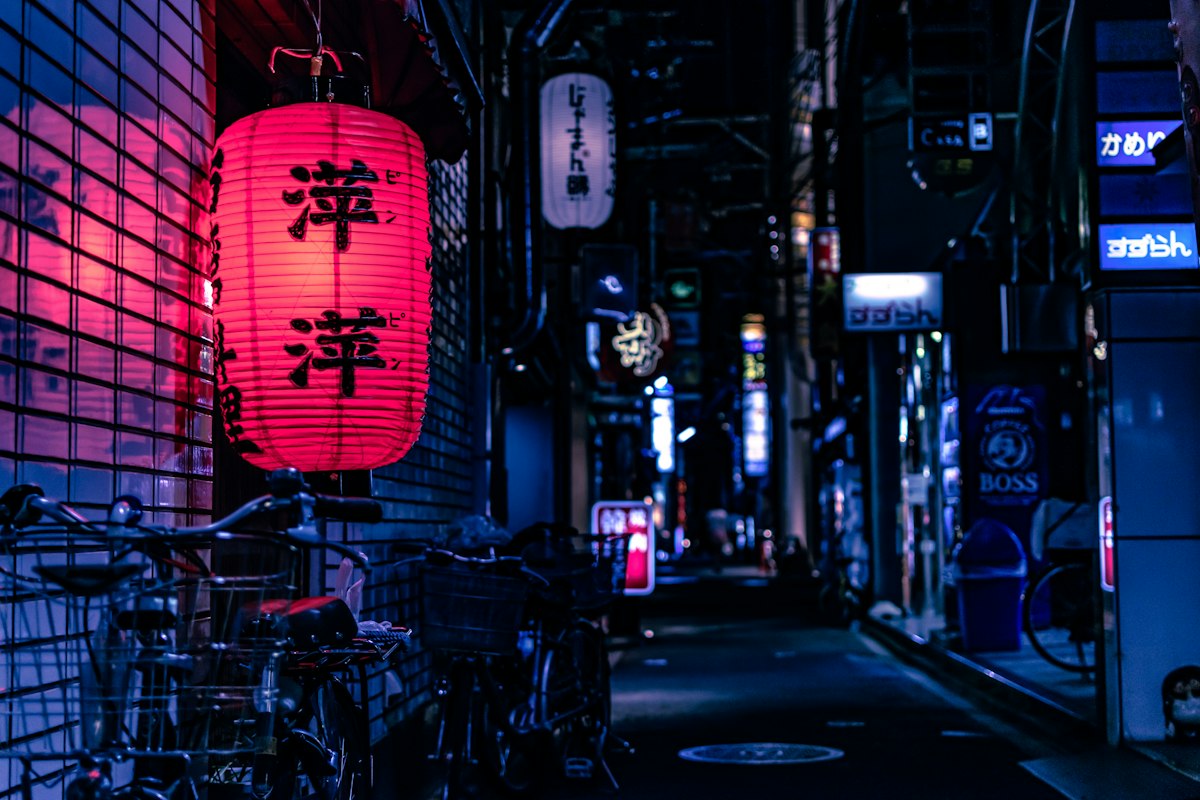
- Kagurazaka stone alleys at dusk — lanterns, old stone, very photogenic
- Daikanyama T-Site interior — the magazine library is architectural photography heaven
- teamLab Planets — the flower universe room and crystal room
- Rikugien autumn illumination — November evenings, mirrored pond
🌸 Cherry Blossom Season Girls' Trip
Late March–early April transforms Tokyo into a pink city, and the experience is best shared in a group:
- Shinjuku Gyoen — alcohol-free, refined atmosphere; early weekday mornings the park is almost private
- Nakameguro Canal — the most romantic urban walk, best mid-week when crowded weekend barriers are removed
- Chidorigafuchi Moat — rowboats among the cherry blossom (rent from ¥800 per 30 min; queue early on weekends)
- Yanaka Cemetery — the most atmospheric, least photographed sakura promenade in the city
Practical Tips for Groups
- Book advance reservations for afternoon tea (2–3 weeks) and kimono shops (at least 1 week) for weekend visits
- IC card (Suica) and a data SIM or pocket WiFi are essential; rent WiFi at the airport
- Convenience store beauty — 7-Eleven and FamilyMart carry surprisingly good skincare and colour cosmetics at ¥500–¥1,500 — excellent for trying Japanese brands before committing
- Groups of 4+ people at karaoke get proportionally better value — book a large room and go late night for half-price rates
- The Shibuya 109 department store is entirely women’s fashion; the staff are knowledgeable and accustomed to international visitors