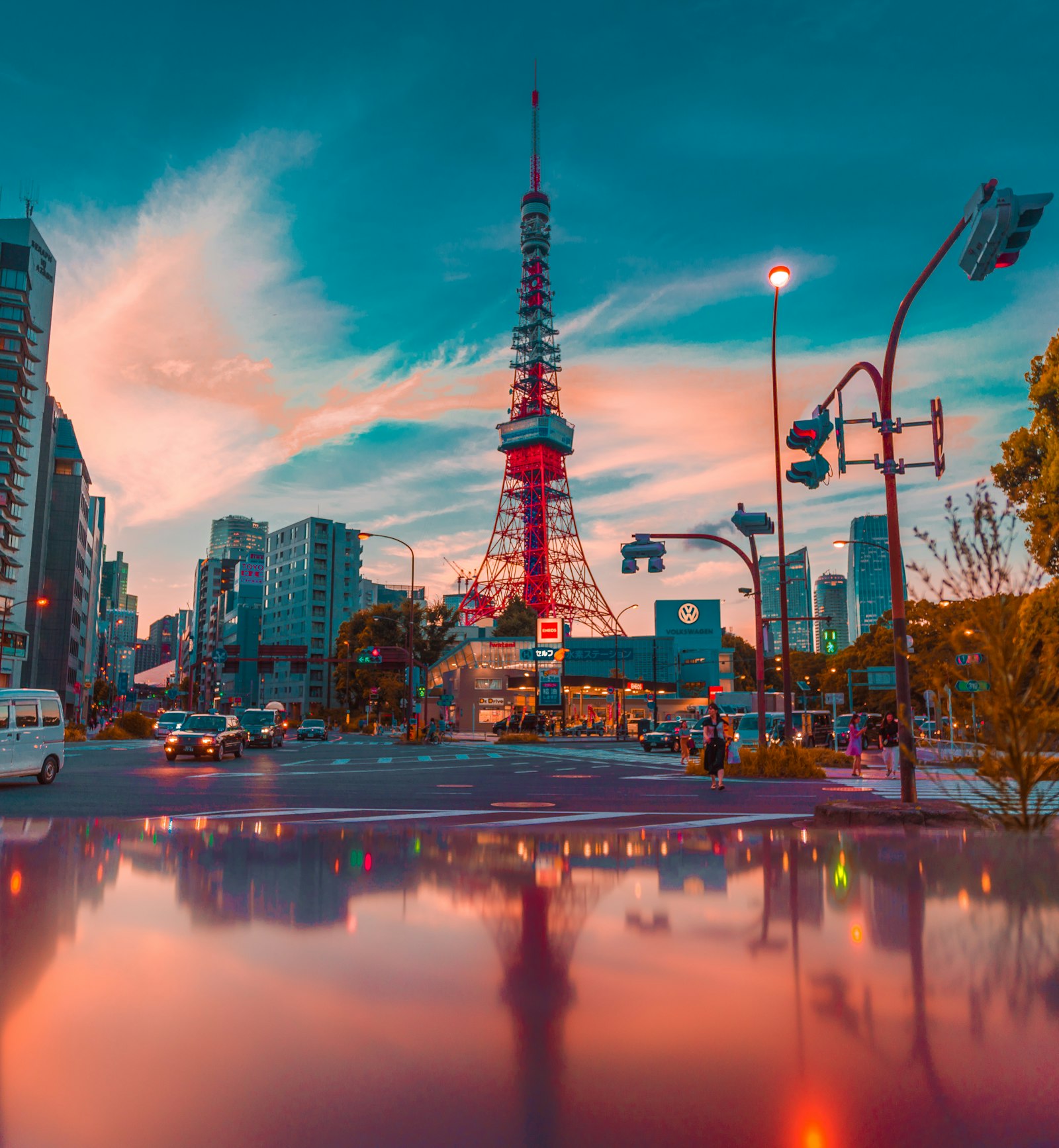
Tokyo’s famous attractions are famous for a reason — but the city’s most memorable experiences often happen in the gaps between the guidebook pages. These are the places and experiences that Tokyo residents love and most tourists never find.
1. 谷根千 — Yanesen: Tokyo’s Surviving Old Town
Access: Nippori Station (JR Yamanote Line) or Nezu Station (Tokyo Metro Chiyoda Line)
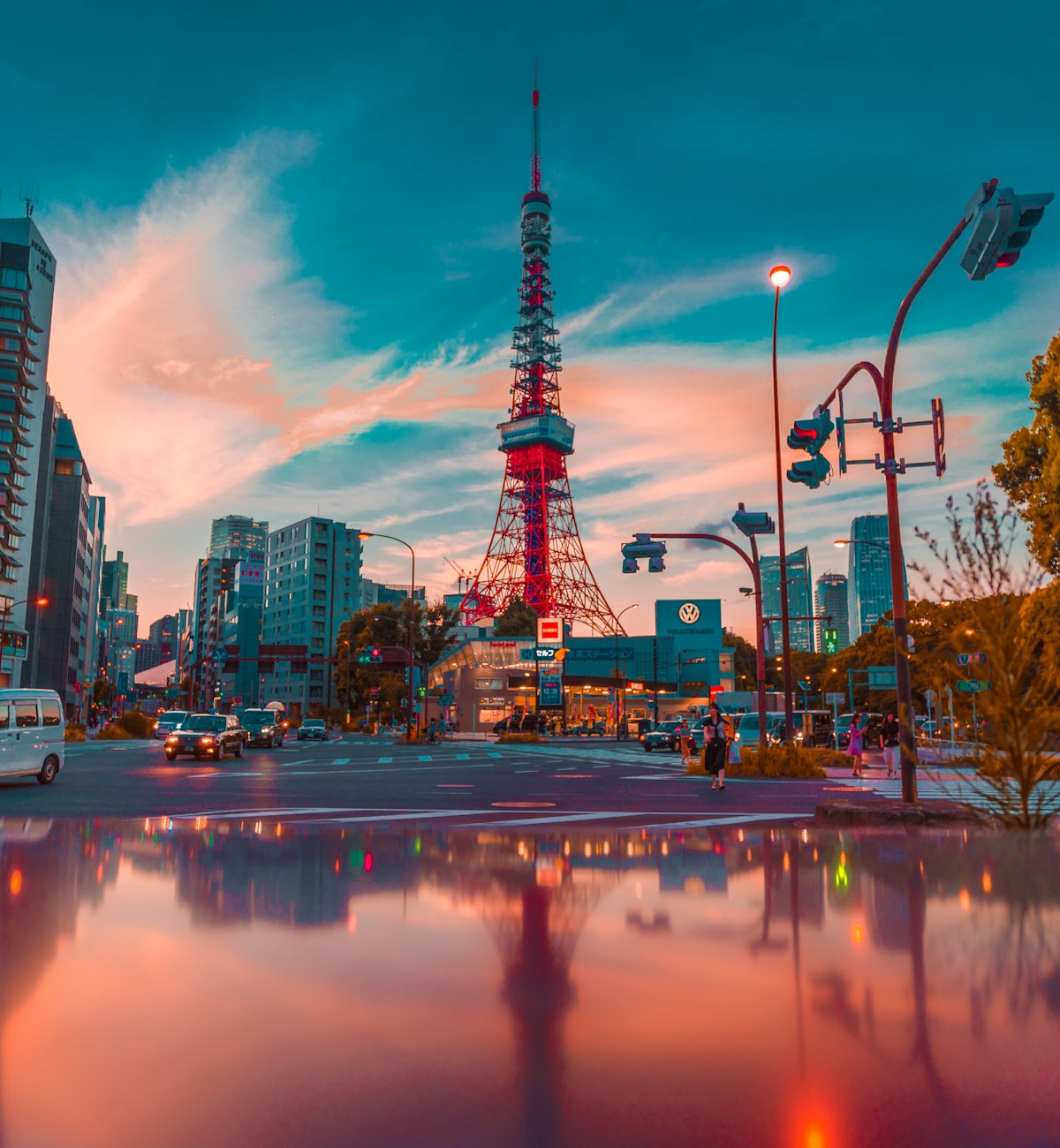
The informal name for the tri-neighbourhood area of Yanaka (谷中), Nezu (根津), and Sendagi (千駄木) — a grid of wooden merchant houses, old-fashioned sweet shops, and more than 70 temples that survived the 1923 earthquake and the WWII firebombing that destroyed most of old Tokyo.
Don’t miss:
- Yanaka Cemetery — 7,000 graves under 200 cherry trees; one of Tokyo’s most atmospheric and least crowded hanami spots in spring. The main path (Sakura-dori) is lined end-to-end with Somei Yoshino trees. The old graves of feudal lords, Meiji-era artists, and early industrialists make the stone forest historically fascinating
- Yanaka Ginza — a 170m shotengai shopping street frozen somewhere in the 1950s; butchers with fresh menchi katsu, dried fish sellers, pottery shops, and a stall that has been grilling sembei rice crackers over charcoal since 1945
- Scai the Bathhouse — a 200-year-old public bathhouse converted into a world-class contemporary art gallery showing Anish Kapoor, Haim Steinbach, and major Japanese artists. Free to enter, almost never crowded
- Daimyo Clock Museum (谷中) — Japan’s only clock museum dedicated entirely to Edo-period Japanese clocks, which ran on a completely different timekeeping system from European clocks. Tiny, obsessive, extraordinary
2. 根津神社 — Nezu Shrine’s Torii Tunnel
Access: Nezu Station (Tokyo Metro Chiyoda Line) — 5 min walk Hours: 6:00–17:00 Entry: Free (azalea garden ¥200 in late April–May)
Tokyo’s equivalent of Fushimi Inari — a chain of 100+ vermillion torii gates climbing a wooded hillside in one of the oldest shrine complexes in Tokyo (founded 1705). On weekday mornings before 9am, the torii tunnel is nearly empty; the contrast with Fushimi Inari’s daily crowds of thousands is stark. The azalea garden in late April (3,000 plants across 50 varieties) is one of Tokyo’s finest seasonal spectacles and sees a fraction of the visitors that Shinjuku Gyoen draws.
3. 文京シビックセンター — Free Observation Deck, Korakuen
Access: Korakuen Station (Tokyo Metro Marunouchi Line, Namboku Line) Hours: 9:00–20:30 (closed 3rd Monday of month); evening view until 22:00 Entry: Free
The 25th-floor observation deck of Bunkyo City Hall — entirely free, requires no booking, and has a panorama that extends from the Shinjuku skyscraper cluster in the west to Tokyo Skytree in the east, with Mt. Fuji visible on clear winter days. The best-kept free view in the city, known to almost no one outside Tokyo. On clear winter mornings (8:30–10:00), the snow-capped Fuji appears above the western city grid in perfect visibility.
4. 神楽坂の路地裏 — Kagurazaka Back Alleys
Access: Kagurazaka Station (Tokyo Metro Tozai Line) or Iidabashi Station (JR/Metro multiple) Hours: Best explored from 17:00–21:00
The narrow stone-paved yokocho alleys branching off Kagurazaka’s main slope — once the approach roads between geisha houses — have remained almost completely unchanged since the early Showa era. Walk into Hyogo-yokocho or Kakurenbo-yokocho in the evening: stone walls, lanterns, the sound of shamisen from behind lacquered doors, and tiny restaurants with handwritten menus that change daily. The Akagi Shrine midway up the slope is a Kengo Kuma-designed contemporary redesign of the old shrine, with a small garden café inside the torii.
5. 目黒自然教育園 — Institute for Nature Study
Access: Meguro Station (JR Yamanote Line) — 10 min walk Hours: 9:00–16:30 (closed Monday) Entry: ¥310; entry limited to 300 simultaneous visitors
A primary forest — trees never cut — in the middle of Meguro ward, managed as a nature reserve by the National Museum of Nature and Science. The 300-visitor cap means genuine silence: birdsong, rustling leaves, moss-covered logs, a natural pond with dragonflies. On rainy days the atmosphere shifts to something genuinely primeval. Combine with the adjacent Tokyo Metropolitan Teien Art Museum (1933 French Art Deco mansion, excellent changing exhibitions) for a full afternoon.
6. 東京都市大学・等々力渓谷 — Todoroki Gorge
Access: Todoroki Station (Tokyu Oimachi Line) — 5 min walk Hours: Always accessible Entry: Free
Tokyo’s only gorge — a 1km natural ravine carved by the Yazawa River through the densely residential Setagaya ward. Walking the gorge path from Todoroki Station to the Fudo-son Buddhist temple at the far end, passing waterfalls, moss-covered stone walls, and a tea garden, takes 20–30 minutes and feels completely removed from the surrounding city of apartment blocks. Almost no foreign visitors; mostly local families and elderly walkers. The tea garden at the gorge’s end (open on weekends) serves matcha overlooking a small garden.
7. 高島平 団地 — Takashimadaira Housing Complex Photography
Access: Takashimadaira Station (Toei Mita Line) Hours: Always accessible Entry: Free
One of Japan’s largest public housing complexes (1972, 72 towers, 22,000 residents) — a Soviet-scale brutalist cityscape that has been absorbed into everyday Japanese life. The massive concrete towers lining broad avenues, the retired residents walking dogs between identical buildings, the local shotengai market in between: a completely different face of Tokyo, photographically extraordinary, almost never visited by overseas travellers. The adjacent Takashimadaira Cemetery in autumn is remarkable — ginkgo trees between concrete towers.
8. 東京競馬場 — Tokyo Racecourse (On Race Days)
Access: Fuchū-Keibajō-Seimon-mae Station (Keio Line) — direct exit Hours: Race days (mostly weekends, April–June and October–December) Entry: ¥200
The Tokyo Racecourse in Fuchū is one of Japan’s most spectacular sporting venues — and the atmosphere on a Grade 1 race day (the Japan Cup or the Tenno Sho) combines genuine sporting drama with quintessentially Japanese crowd behaviour: quiet, disciplined, then erupting into a full-stadium roar at the final turn. The course is beautiful — a vast green oval surrounded by forested hills — and the stands, food options, and family facilities are excellent.
9. 柴又 — Shibamata: Showa-Era River Town
Access: Shibamata Station (Keisei Kanamachi Line) — 3 min walk Hours: Shops from 10:00; temple always accessible Entry: Free
A river town on Tokyo’s northeastern edge that the 1969 film series Otoko wa Tsurai yo (It’s Tough Being a Man) made famous — and which has barely changed since. The main approach to Taishakuten Temple (石鹸-en) is a single street of old-fashioned sweet shops, tofu curd sellers, and ryokan unchanged since the 1960s. The temple itself (closed to the interior Tue/Thu) has the most elaborate decorative wood carvings of any Tokyo temple. The Edo River bank behind the town offers a completely unobstructed view of the Kanto plain stretching to Mt. Tsukuba.
10. 小石川植物園 — Koishikawa Botanical Garden
Access: Myogadani Station (Tokyo Metro Marunouchi Line) — 8 min walk Hours: 9:00–16:30 (closed Monday) Entry: ¥500
The University of Tokyo’s botanical garden — the oldest in Japan, established in 1684 as a medicinal herb garden for the Tokugawa shogunate — with 4,000 species of plants across 16 hectares on a wooded hillside. Almost no foreign visitors despite being one of the finest gardens in the city. The winter cherry blossoms (November–February) are a quietly spectacular spectacle; the ginkgo forest in November turns entirely gold; the greenhouse of tropical species is impressive year-round.
11. 東京アンティークマーケット — Antique Markets
Access: Tokyo International Forum, Yurakucho Station (JR); Oedo Antique Market, Yurakucho (1st and 3rd Sunday) Hours: 10:00–16:00 on market days Entry: Free to browse
Tokyo has several regular antique and flea markets that draw serious collectors and casual browsers equally. The Oedo Antique Market (1st and 3rd Sunday) at Tokyo International Forum is the largest — 250+ vendors selling Meiji-era lacquerware, woodblock prints, military memorabilia, vintage cameras, old postcards, Buddhist sculpture, and clothing. The quality and authenticity are high; prices are negotiable; English is spoken at most stalls.
Also notable: Nogi Shrine Antique Market (Nogizaka, 2nd Sunday), specialising in ceramics, textiles, and early 20th-century design objects.
12. 等々力 & 尾山台 — Setagaya Local Life
Access: Todoroki or Oyamadai Station (Tokyu Oimachi Line)
Setagaya ward, southwest of central Tokyo, is the city’s most residential and most resolutely non-tourist area — but it rewards independent explorers enormously. The combination of Todoroki Gorge, the Setagaya antique market (1st and 2nd Sunday of month at Boro-ichi), and the neighbourhood shotengai around Sangenjaya and Shimokitazawa reveals the Tokyo that 9 million Tokyoites actually live in. The Setagaya Boro-ichi (December 15–16 and January 15–16) is a 430-year-old outdoor market for secondhand goods, old agricultural tools, and winter street food — one of the longest-running markets in Japan.
Practical Tips
- Best time for Yanaka — Tuesday to Thursday, 10:00–16:00; weekends bring locals from across Tokyo which makes the shotengai lively but crowded
- Nezu Shrine azalea season — late April to early May; arrives earlier than the tourist maps suggest, so check before you plan
- IC card covers all Tokyu, Tokyo Metro, and JR lines; Keio line to Fuchū and Keisei Kanamachi line to Shibamata require small additional fares
- Many of these spots have almost no English signage — download Google Translate and enable the camera translation function before setting out