Tokyo offers more ways to spend an evening — or an entire week — than almost any city on earth. From sumo tournaments and kabuki theatre to vinyl record hunting and 3am karaoke, this guide covers the best leisure experiences in the city.
🎨 Digital Art & Immersive Experiences
teamLab Planets — Toyosu
Access: Shin-Toyosu Station (Yurikamome Line) — 5 min walk Hours: 9:00–21:00 (varies seasonally) Entry: ¥3,200 (advance booking required)

Five enormous water and light installation rooms that visitors walk through barefoot, wading knee-deep through flowers, standing inside shimmering cosmic projections, and lying on their backs in rooms where the ceiling dissolves into digital infinity. teamLab Planets is more focused and more intense than Borderless — designed to be experienced rather than explored. Allow 60–90 minutes. Book at least a week in advance — same-day tickets are rarely available on weekends.
teamLab Borderless — Azabudai Hills
Access: Roppongi Station (Tokyo Metro Hibiya Line, Toei Oedo Line) — 10 min walk to Azabudai Hills Hours: 10:00–22:00 Entry: ¥3,800 (advance booking)
The new permanent home of teamLab Borderless (relocated from Odaiba in 2024) is a 9,000 sqm labyrinth of interconnected digital art worlds where the artworks flow between rooms, changing and responding to visitors. No maps, no defined path — exploration is the experience. The Crystal World, Athletics Forest, and En Tea House (where digital flowers bloom in your cup of tea) are highlights.
🐟 Aquariums
Sunshine Aquarium — Ikebukuro
Access: Higashi-Ikebukuro Station (Tokyo Metro Yurakucho Line) — 5 min walk; Ikebukuro Station — 10 min walk Hours: 10:00–20:00 (seasonally adjusted) Entry: ¥2,600 adults, ¥1,300 children (ages 4–14)

Perched on the 10th floor of the Sunshine City complex, Sunshine Aquarium is the only rooftop aquarium in central Tokyo. The outdoor “Sky” section features tanks that appear to hang suspended against the city skyline — penguins march across a transparent overhead walkway while sea lions perform in an open-air pool. Inside, an immersive jellyfish gallery with wall-to-ceiling tanks and a substantial marine life collection make this a full two-to-three hour visit. Rarely crowded on weekday mornings.
Maxell Aqua Park Shinagawa — Shinagawa
Access: Shinagawa Station (JR Shinkansen, Keikyu Line) — 5 min walk through the Prince Hotel grounds Hours: 10:00–21:00 (varies by day) Entry: ¥2,300 adults, ¥1,300 children

Integrated into the Shinagawa Prince Hotel complex, Aqua Park is the most technologically ambitious aquarium in Tokyo. The jellyfish zone uses synchronised lighting and music to transform each tank into a living light installation — an experience that reads as art as much as nature exhibit. The dolphin stadium runs regular shows, and the central carousel area is one of the more surreal spaces in the city: a merry-go-round surrounded by fish tanks, all set to electronic music. Evenings, when the light shows intensify, are the best time to visit.
🎡 Theme Parks & Iconic Landmarks
Tokyo Skytree — Oshiage
Access: Oshiage Station (Tobu Skytree Line, Tokyo Metro Hanzomon Line) — direct connection Hours: 10:00–21:00 Entry: Tembo Deck (350m) ¥2,100 adults; Tembo Galleria (450m) additional ¥1,000

At 634 metres, Tokyo Skytree is the world’s second tallest structure and the tallest broadcasting tower. The Tembo Deck at 350 metres gives unobstructed 360-degree views of the Kanto Plain — on clear winter days, Mt. Fuji is visible to the southwest and the entire bay to the southeast. The upper Tembo Galleria has a glass-floored spiral walkway. The base of the tower connects to the Solamachi shopping and restaurant complex, making this a half-day destination. Visit at sunset for the transition from daylight to city lights.
Tokyo Dome City Attractions — Bunkyo
Access: Suidobashi Station (JR Sobu Line) or Korakuen Station (Tokyo Metro Marunouchi/Namboku Lines) Hours: 10:00–21:00 (rides vary) Entry: Free to grounds; individual ride tickets or 1-day passport ¥4,200 adults

The amusement complex surrounding Tokyo Dome baseball stadium is anchored by the Thunder Dolphin — a roller coaster that threads through the gaps between buildings and through the roof of a shopping centre at 130 km/h, in the middle of central Tokyo. The park also includes a log flume, a giant Ferris wheel, and LaQua spa (detailed in the onsen section). No need to book the Dome itself; the rides operate independently of baseball schedules.
Tokyo Disneyland — Maihama
Access: JR Keiyo Line from Tokyo Station to Maihama (15 min, ¥220), then Disney Resort Line monorail Hours: 8:00–21:00 (varies by date) Entry: ¥7,900–¥10,900 (date-based pricing — buy online in advance; walk-up tickets not available)

Tokyo Disneyland is consistently ranked among the world’s most well-maintained Disney parks — and it shows. Every surface is immaculate, every cast member is trained to a standard that exceeds the American originals, and the queue management is efficient. The park opened in 1983 and has been continuously updated; the recent Fantasyland expansion added Beauty and the Beast and Tangled areas. Book tickets weeks ahead for holiday periods; the official app is essential for managing wait times and Premiere Access reservations.
Harry Potter Studio Tour Tokyo — Nerima
Access: Toshimaen Station (Toei Oedo Line) — direct connection; or Nerima Station (Seibu Ikebukuro Line) Hours: 9:00–21:00 (timed entry) Entry: ¥6,500 adults, ¥4,000 children (advance booking essential — sells out weeks ahead)

Opened in 2023 on the site of a former amusement park, the Tokyo edition of the Warner Bros. Studio Tour is the largest Harry Potter attraction outside the UK. Original film props, costumes, and full-scale set recreations — the Hogwarts Great Hall, Diagon Alley, Dumbledore’s office, the Forbidden Forest — are presented across two enormous stages. Unlike a theme park, this is a self-guided walk-through with no rides or queues for attractions; the experience is unhurried and genuinely impressive in scale. The butterbeer bar and Ollivanders wand shop replicas are faithful to the originals. Allow three to four hours minimum.
🎮 Arcades

Tokyo’s game arcades (game centers) are a world unto themselves — seven to nine floors of machines ranging from crane games to rhythm games to print club photo booths.
Round1 Shinjuku (ラウンドワン) — A megaplex with bowling, billiards, darts, rhythm machines (Taiko no Tatsujin, Dance Dance Revolution), and multiple floors of arcade games. Open 24 hours. A genuine local hangout.
Club Sega Akihabara — Multiple floors of the latest arcade games, including fighting games (Street Fighter, Tekken), crane games loaded with anime merchandise, and UFO catchers. The atmosphere on weekends, surrounded by competitive young Japanese players, is electric.
Taito Station Akihabara — The rhythm game floor has lines for Maimai, Chunithm, and Sound Voltex — watching Japanese players in headphones execute near-impossible chart scores is a spectacle in itself.
🥊 Sumo
Kokugikan Arena — Ryogoku Access: Ryogoku Station (JR Sobu Line, Toei Oedo Line) Major Tokyo tournaments: January, May, September (15 days each) Tickets: ¥2,200–¥14,800 (advance booking opens a month before at Sumo Association website)

Live sumo is one of Japan’s most accessible and thrilling sports experiences. The daily schedule begins at 8:30 am with lower-division bouts (free to watch in the cheap seats) and builds to the top-division rikishi from around 14:30, with the final championship bout at 18:00 exactly. The atmosphere in the final hour — as the stadium fills and the crowd responds to every charge — is extraordinary.
Practical tips:
- Buy a box or chair seat for the day rather than arriving at 14:30 only for the main event — you miss the atmosphere of the building ceremony
- The food sold in the arena (chanko nabe stew, yaki-tori, beer) is part of the experience
- Ryogoku neighbourhood has 30+ chanko restaurants where former wrestlers cook their training stew; Chanko Dining Wakana (Ryogoku, 5 min walk from Kokugikan) is particularly good
⚾ Baseball
Tokyo has two professional baseball teams — the Yomiuri Giants (Tokyo Dome) and the Tokyo Yakult Swallows (Meiji Jingu Stadium) — and the stadium experience is remarkable.

Meiji Jingu Stadium is the better choice for a first-time visitor: a 1964 Olympic-era concrete bowl in a forest near Harajuku, with an atmosphere that makes Yankee Stadium feel sedate. Swallows fans respond to home runs by opening small numbered umbrellas in unison and singing the team’s theme — a tradition that fills the stadium with colour. Beer vendors walk the aisles continuously; hot dogs have no place here (it’s yakitori, edamame, and karaage chicken).
Tickets: Walk-up tickets available on the day for most regular season games (April–October) from ¥1,900. Outfield seats are cheapest and the most energetic.
🎭 Kabuki
Kabukiza Theatre — Ginza Access: Higashi-Ginza Station (Tokyo Metro Hibiya Line, Toei Asakusa Line) — direct basement exit Performances: Usually mid-month to end of month, multiple daily Tickets: ¥1,000–¥25,000 (full performance), ¥1,000 (one-act ticket)

Kabuki is Japan’s most elaborate traditional performing art — a three-to-four hour spectacle of stylised movements, elaborate costumes, and the specific vocal technique called aragoto — and the Kabukiza in Ginza is the world’s home stage. The one-act (hitomakumi) ticket is available on the day from the fourth-floor counter and allows you to watch a single act (40–60 minutes) from the upper gallery seats. English-language audio guides (¥700) narrate the action and backstory.
The building — rebuilt in 2013 to its original 1924 design by Okada Shin-ichiro — is one of the finest pieces of traditional architecture in central Tokyo. The shopping arcade in the basement carries specialist craft items including genuine kabuki-actor-endorsed products.
♨️ Onsen & Spa in Tokyo
Spa LaQua — Korakuen
Access: Korakuen Station (Tokyo Metro Marunouchi Line, Namboku Line) or Suidobashi Station (JR Sobu Line) Hours: 11:00–09:00 next day (spa floor); relaxation floors 24 hours Entry: ¥2,900 (weekdays), ¥3,300 (weekends) + optional healing Baden-Baden bathing zone ¥820
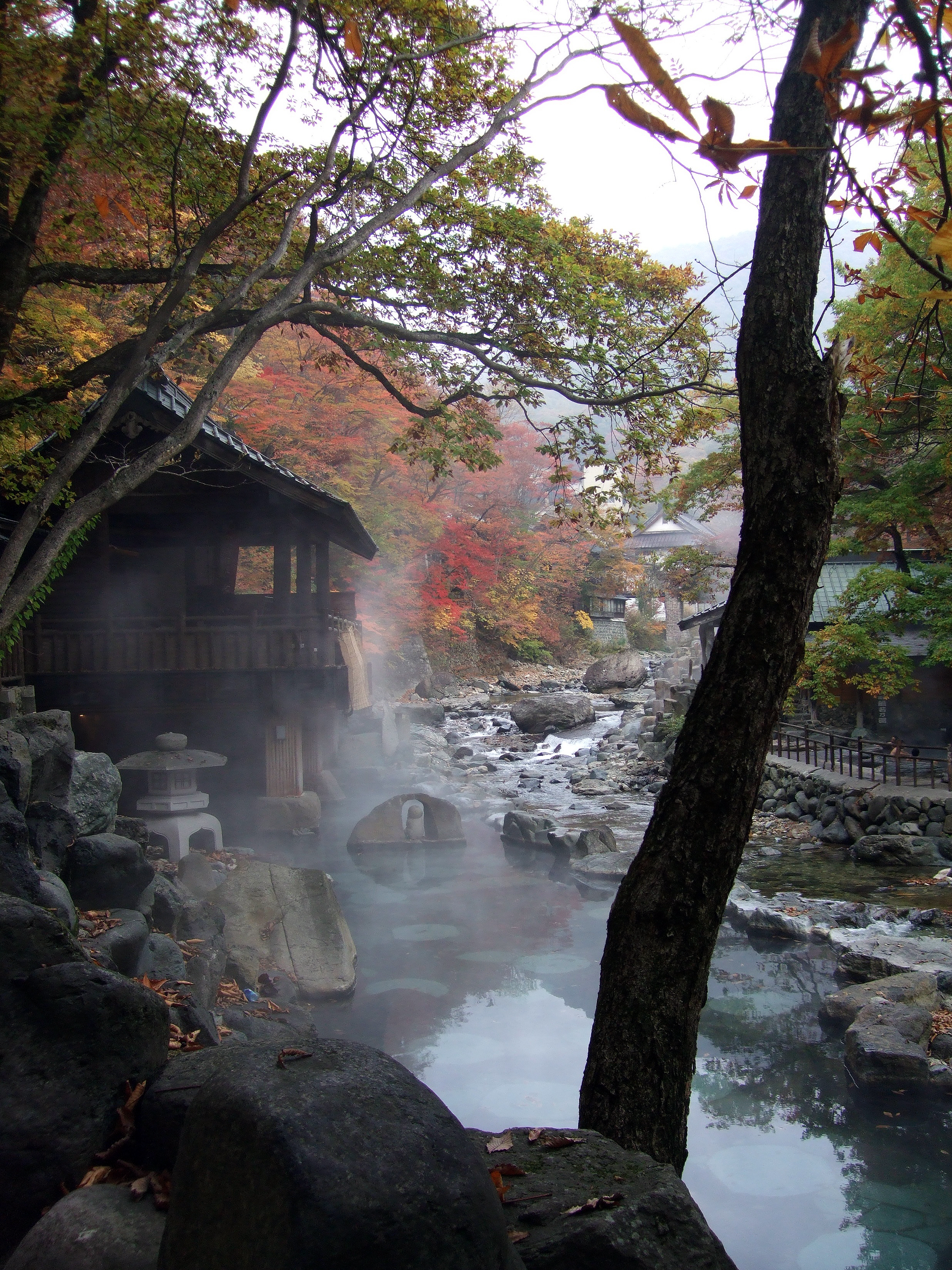
Genuine hot spring water (pumped from 1,700m below central Tokyo) in a spa facility within the La Qua shopping complex. Multiple indoor and outdoor onsen pools, sauna, and rest floors with loungers for sleeping. The rooftop outdoor bath faces the Tokyo Dome and the lit roller-coaster of the adjacent Theme Park — a surreal combination. The healing zone (separate ticket) contains Finnish saunas and cold plunge pools at professional standards.
Shimizu-yu — Sangenjaya (Hidden Gem)
Access: Sangenjaya Station (Tokyu Den-en-toshi Line) — 5 min walk Hours: 15:00–02:00; closed Wednesday Entry: ¥520
A neighbourhood sento (public bathhouse) that has been completely renovated with a sauna and quality amenities while keeping the old neighbourhood feel. ¥520 is the standard public bath price set by Tokyo Metropolitan Government. The Sangenjaya streets around it are excellent for a late dinner afterward — the area has some of the best cheap izakayas in the city.
🛍️ Shopping
Ginza — High-End

The traditional luxury district: Chanel, Louis Vuitton, and their Japanese counterparts. Itoya Ginza (9-floor stationery store), Dover Street Market Ginza (concept retail for serious fashion buyers), and the UNIQLO flagship on Ginza’s main drag offer the full range from functional to aspirational. The Sony Park underground space runs changing exhibitions and events.
Harajuku — Youth Fashion & Vintage

Takeshita-dori is extreme youth fashion — colourful, cheap, and completely in its own world. Omotesando directly south is the Japanese equivalent of the Champs-Élysées: flagship buildings by Tadao Ando, Kengo Kuma, and SANAA in a tree-lined boulevard. For vintage clothing, the back streets of Ura-Harajuku (particularly Cat Street) have 50+ curated stores.
Shimokitazawa & Koenji — Vintage & Records

The uncontested twin capitals of Japanese vintage clothing. Over 200 second-hand clothing shops between the two areas, plus the finest record shop density outside of New York or London. Village Vanguard (Shimokitazawa) for eclectic books and objects; Disk Union (multiple locations) for new and second-hand music.
Akihabara — Electronics & Anime

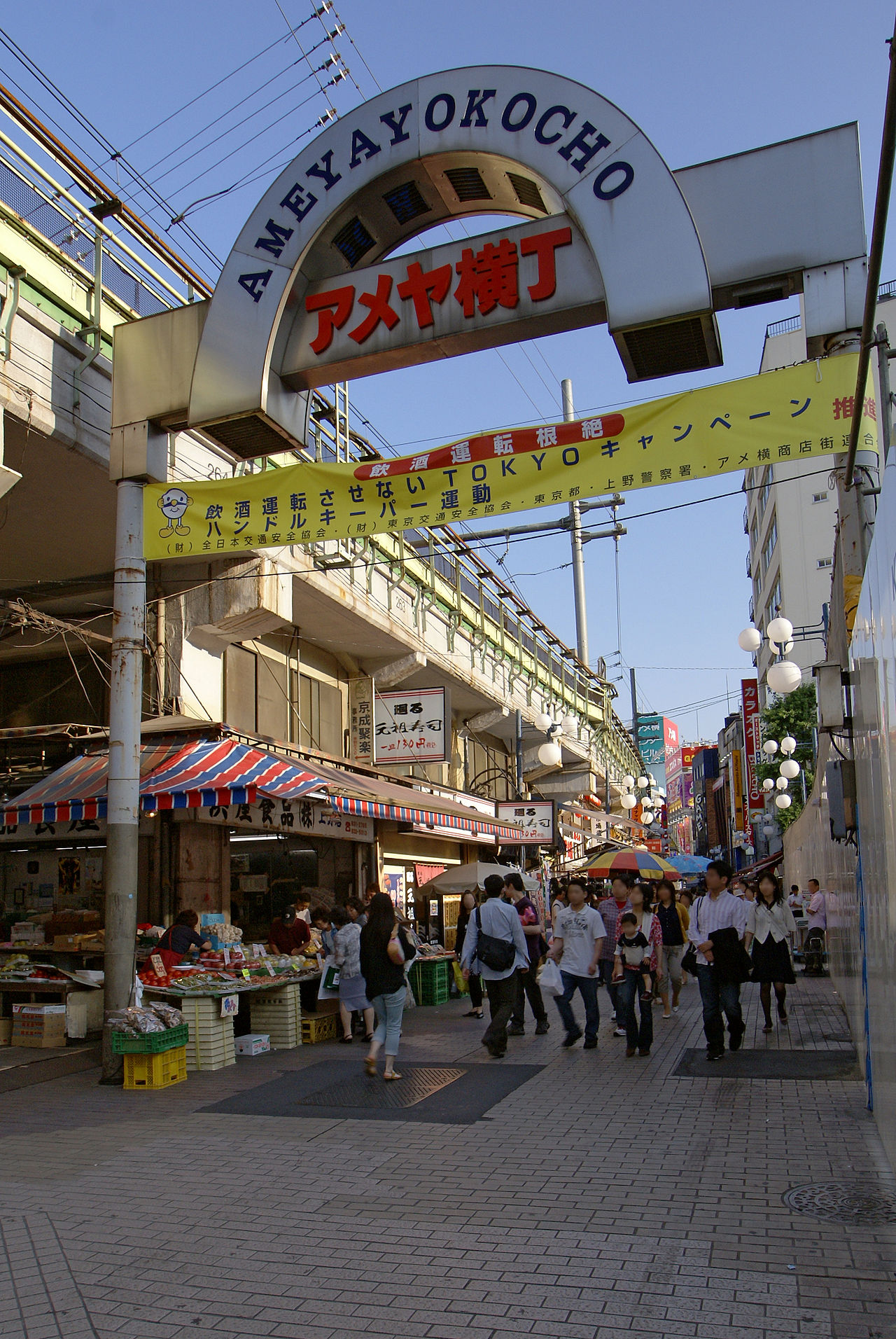
Multi-floor electronics shops (Yodobashi Camera, Bic Camera) stock everything from the newest flagship smartphones to obscure adapters not found outside Japan. The anime and manga merchandise buildings around the station have genuine collector-grade items alongside mass-market products.
Pokémon Center Mega Tokyo — Ikebukuro
Access: Ikebukuro Station (JR Yamanote Line, Tokyo Metro) — 5 min walk to Sunshine City, 6F Hours: 10:00–20:00

The flagship Pokémon retail experience in Tokyo — Pokémon Center Mega Tokyo occupies the 6th floor of the Sunshine City complex in Ikebukuro, stocking the full range of official Pokémon merchandise including plush toys, trading cards, clothing, stationery, and regional-exclusive items not available outside Japan. The dedicated Pokémon Cafe adjacent to the store (separate reservations required, book weeks in advance) serves themed food and drinks. On weekends the store draws queues; weekday mornings are significantly calmer. An essential stop for any Pokémon fan, and a surprisingly good source of genuinely Japanese gifts — the packaging and product design quality is consistently high.
🍸 Nightlife & Bars
Shinjuku Golden Gai
Access: Shinjuku Station, Kabukicho area — east exit Hours: From ~19:00; most bars open until 3–5 am

200 bars packed into six narrow alleys, each bar seating between 5 and 12 people. Each has a distinct personality: some are dedicated to film, jazz, or 1970s Japanese pop; some serve only whisky; some have cover charges (¥500–¥1,000) that include a snack. The bars that display English on a chalkboard outside are specifically welcoming to international visitors. The ones without any English signage are not hostile, but expect to manage with pointing and smiling. The entire area was scheduled for demolition several times and was saved by community resistance — a rare piece of post-war Tokyo that survived.
Ginza & Marunouchi Hotel Bars

The top-floor bars at the Palace Hotel Tokyo, Bulgari Hotel Tokyo, and The Okura offer some of the most refined cocktail programmes in Asia. Not budget options (cocktails from ¥2,500–¥4,000), but the atmospheres, view, and bartending craft are world-class.
Roppongi
Tokyo’s international nightlife district — dense with clubs, bars, and international restaurants. Bar Gen Yamamoto (Azabu-Juban) makes Japanese-ingredient cocktails (sake lees, shiso, wasabi) that are genuinely extraordinary. SuperDeluxe hosts underground electronic music events and art-world gatherings.
Practical Tips
- Sumo tickets sell out for the final weekend of each tournament — buy as early as possible if attending the September or January basho
- Karaoke weekday afternoon rates are dramatically cheaper than weekend evenings — 3 hours for ¥1,000 vs ¥3,000
- teamLab advance booking is not optional — walk-in tickets for popular time slots genuinely do not exist on weekends
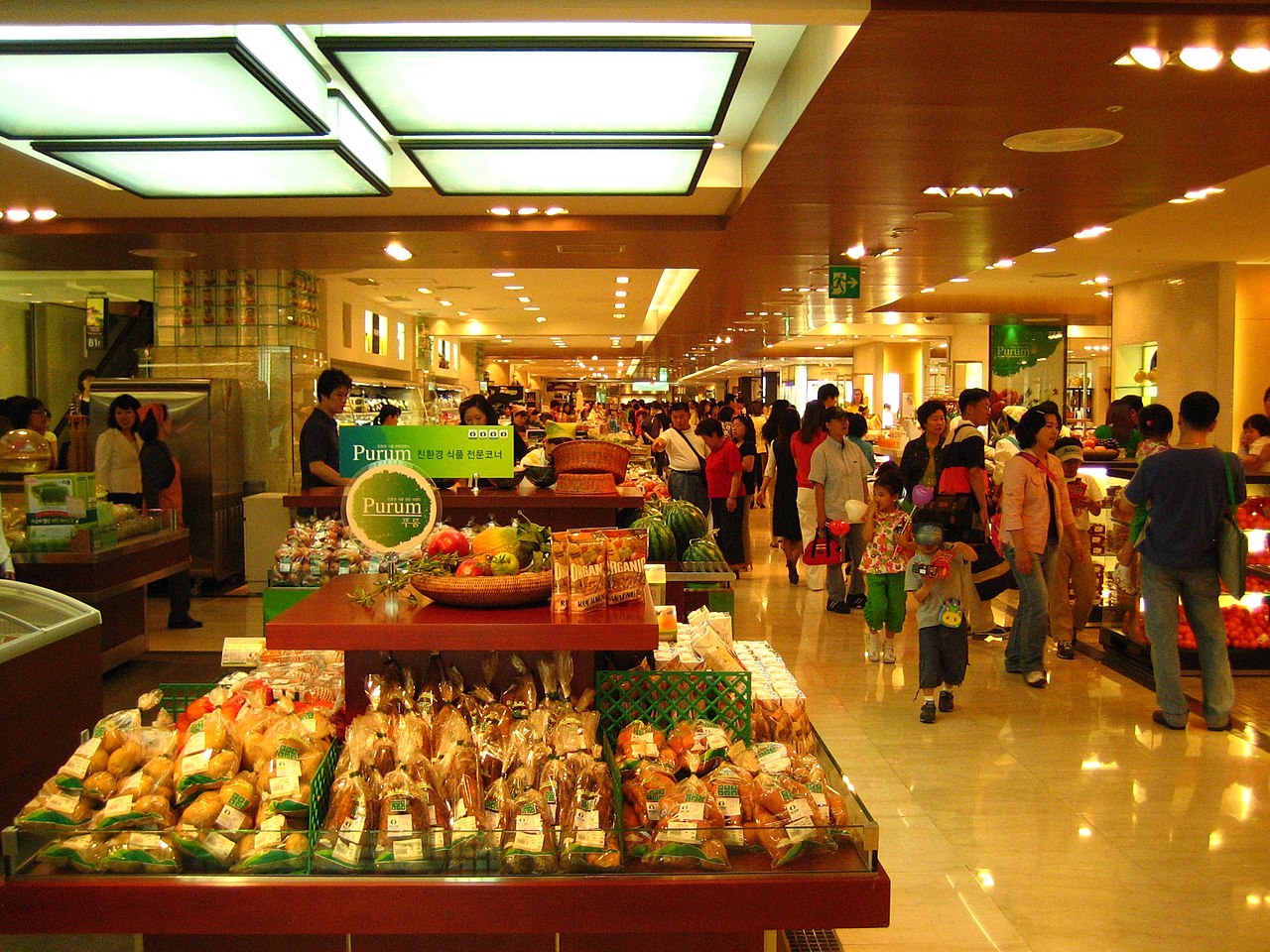
- Depachika shopping (department store basement food) is open until 20:00–21:00 and offers the best portable souvenirs and gifts in the city
- IC card (Suica/Pasmo) works at most vending machines, convenience stores, and many food stalls — carry ¥5,000 in cash as a backup for cash-only establishments