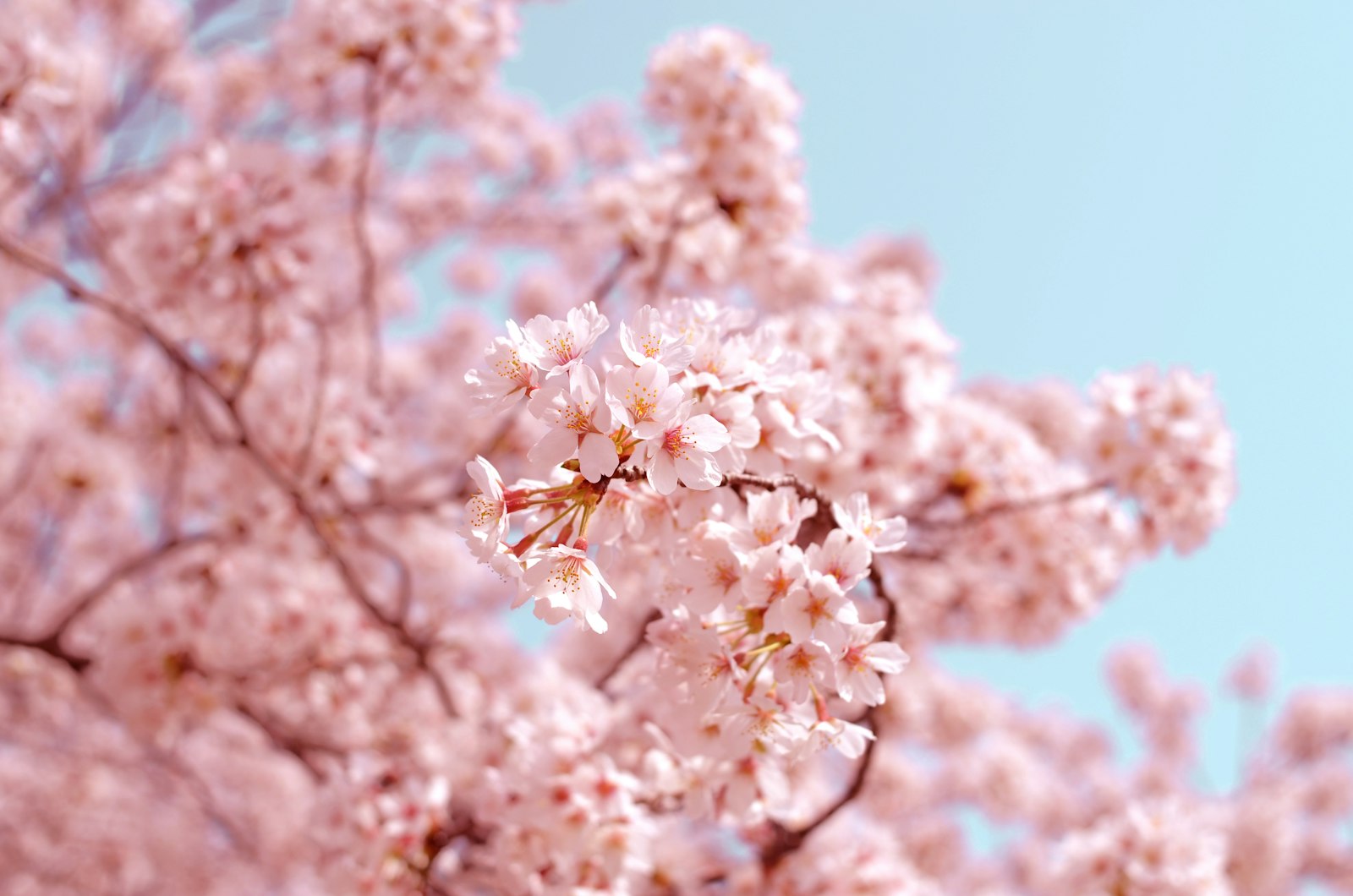
Despite being the world’s largest metropolis, Tokyo is surrounded by mountains, threaded with rivers, and punctuated by remarkable gardens — some of them former samurai estates, others primeval forest that has never been felled. This guide covers the best green spaces within the city and the finest mountain escapes within a two-hour train journey.
In the City: Parks & Gardens
新宿御苑 — Shinjuku Gyoen National Garden
Access: Shinjuku-Gyoenmae Station (Tokyo Metro Marunouchi Line) — 5 min walk Hours: 9:00–16:30 (closed Monday; open daily during cherry blossom season) Entry: ¥500
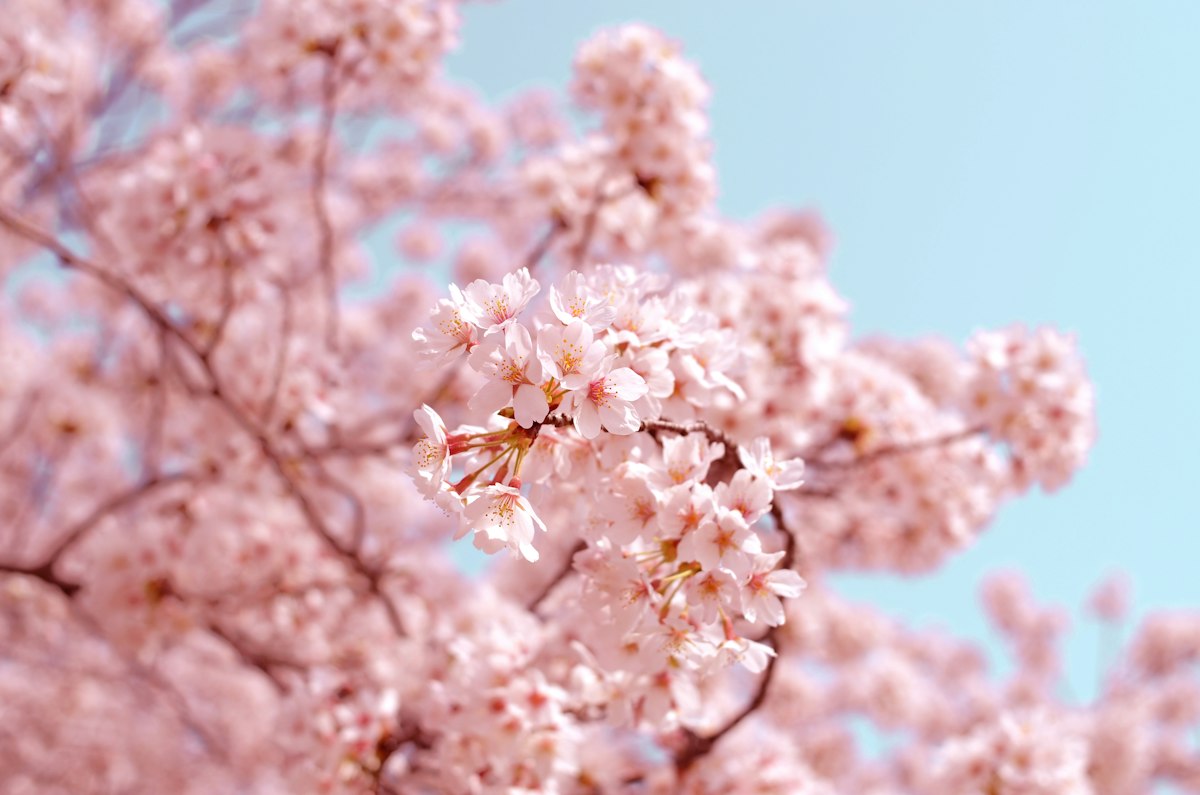
Tokyo’s finest park — 58 hectares combining a French formal garden (with symmetrical hedged allées), an English landscape garden, and a Japanese stroll garden around a large pond with stone lanterns and tea pavilions. The sakura season (late March–early April) is the most spectacular in Tokyo: the park maintains 1,500 cherry trees across 65 varieties, including late-blooming ichiyo and kanzan varieties that extend the season 2–3 weeks beyond the standard Somei Yoshino peak. Alcohol is prohibited — making it quieter and more refined than the rowdy hanami parties at Ueno Park.
The glass greenhouse is worth visiting in winter for its collection of tropical species, sub-tropical bananas, and impressive cycad palms. The Japanese garden’s Kyu Goryoten teahouse opens during blossom season for matcha and wagashi.
浜離宮恩賜庭園 — Hamarikyu Gardens
Access: Shiodome Station (Yurikamome, Toei Oedo Line); or waterbus from Asakusa (35 min, ¥780) Hours: 9:00–17:00 Entry: ¥300
A 250-year-old feudal tide garden — fed directly by Tokyo Bay — sitting completely surrounded by the glass towers of Shiodome. The contrast between the 300-year-old pine trees, tidal ponds, and stone lanterns against the skyscraper skyline is uniquely Tokyo. The Nakajima no Ochaya teahouse, sitting on a promontory in the middle of the main pond, serves matcha and seasonal wagashi sweets (¥710) in a setting that feels completely timeless.
Best times: Rapeseed flowers (late February–March) and peony garden (late April–May) are particularly beautiful; the autumn foliage here is less dramatic than Rikugien but more intimate.
六義園 — Rikugien Garden (Top Autumn Garden)
Access: Komagome Station (JR Yamanote Line, Tokyo Metro Namboku Line) — 7 min walk Hours: 9:00–17:00 Entry: ¥300 (¥700 during special illuminations)
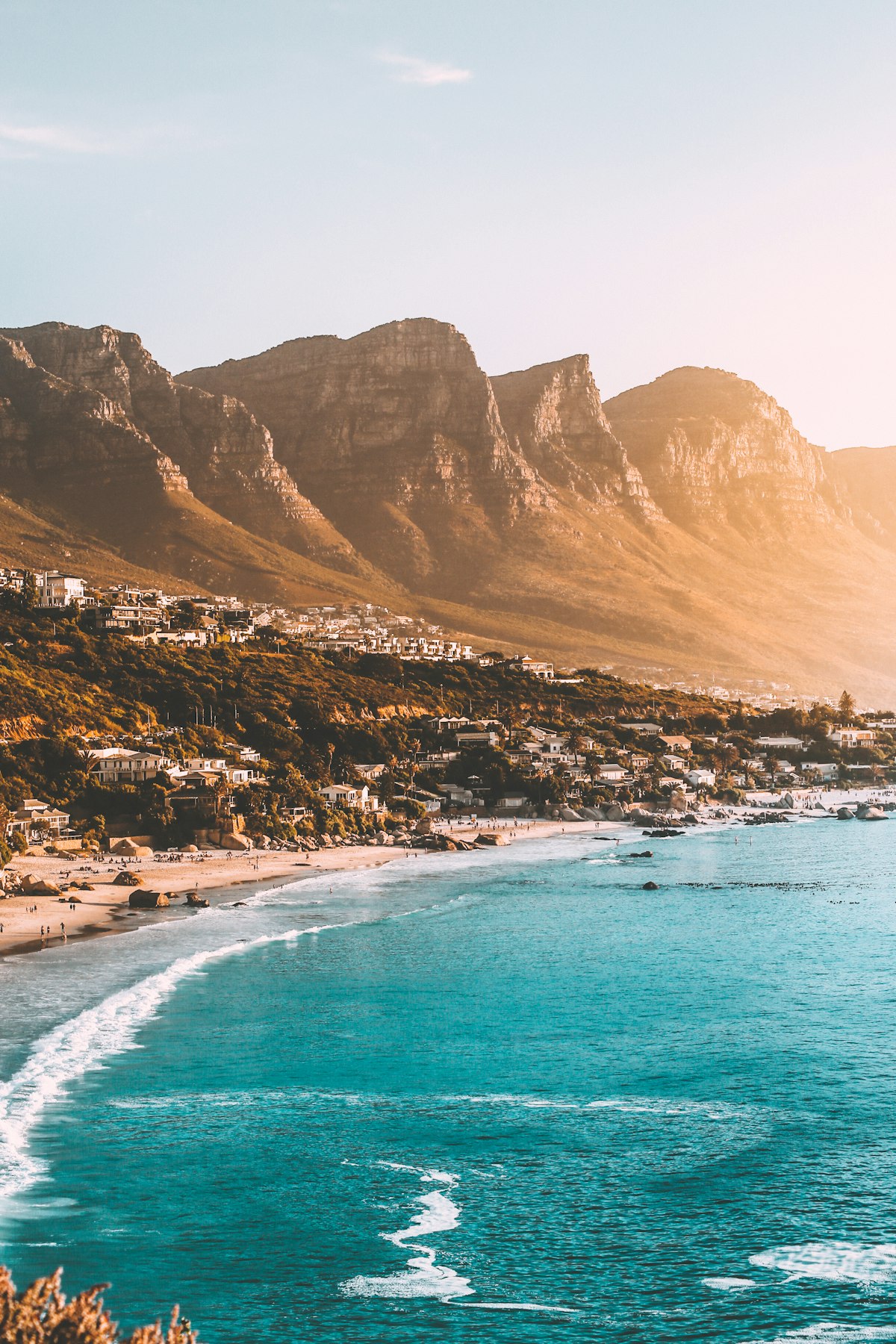
The finest autumn garden in Tokyo — a Tokugawa-era daimyo garden (1702) designed as a miniaturised landscape of 88 famous scenes from classical waka poetry, wrapped around a central pond. In November, the 350-year-old weeping cherry (the finest in Tokyo for single-tree impact) and the maples create colour so intense that the Tokyo Metropolitan Government runs special evening illuminations (19:00–21:00) where the garden is lit and reflected in the still black water.
Hidden from most tourist itineraries despite being 10 minutes from central Tokyo — comparable in quality to Kyoto’s Kenrokuen at a fraction of the visitor numbers.
小石川後楽園 — Koishikawa Korakuen Garden
Access: Korakuen Station (Tokyo Metro Marunouchi Line, Namboku Line) or Suidobashi Station (JR Sobu Line) Hours: 9:00–17:00 Entry: ¥300
Tokyo’s oldest surviving garden (1629), created by the first Lord of Mito — a garden designed as a miniature landscape of famous Chinese and Japanese scenic views. The main pond, mountain views, and iris fields are authentic Edo-period design. In spring, a single enormous weeping cherry tree at the pond’s edge is one of the most photographed spots in the city. In late June, the iris garden is outstanding.
Almost never crowded, even during cherry blossom season, because it is overshadowed by the adjacent La Qua theme park.
代々木公園 — Yoyogi Park
Access: Harajuku Station (JR Yamanote Line) or Yoyogi Station (JR Sobu Line, Toei Oedo Line) Hours: Always open Entry: Free
The 54-hectare park adjacent to Meiji Jingu Shrine — a long-time gathering place for Tokyo’s subcultures, weekend musicians, dog walkers, picnickers, and taiko drum practitioners. On Sunday afternoons, the park’s main fountain plaza has cycling clubs, parkour practitioners, and cosplayers. The atmosphere is the opposite of refined — it is the most genuinely democratic public space in Tokyo.
Practical tip: Combine with Meiji Jingu (adjacent, no transit needed) and the Harajuku shopping streets. The Yoyogi outdoor stage area sometimes hosts free music events and food festivals.
皇居東御苑 — Imperial Palace East Gardens
Access: Otemachi Station (Tokyo Metro multiple lines) Hours: 9:00–16:00 (closed Monday and Friday) Entry: Free
The inner gardens of Edo Castle — once the most powerful fortress in Japan, now open to the public for free. The Honmaru (inner citadel) garden, with its stone foundation of the burned 1657 castle keep, seasonal plum and cherry orchards, and views across the moat, is one of the most historically resonant free spaces in Tokyo. In March, the ume (plum) orchard is the first blossom of the season; in autumn, the garden is almost private.
Escapes Within 2 Hours
高尾山 — Mt. Takao (Hachioji)
Access: Takaosanguchi Station (Keio Line) — direct from Shinjuku in 50 min, ¥390 Hours: Year-round; cable car 8:00–17:45 Entry: Free (hiking trails); cable car ¥490
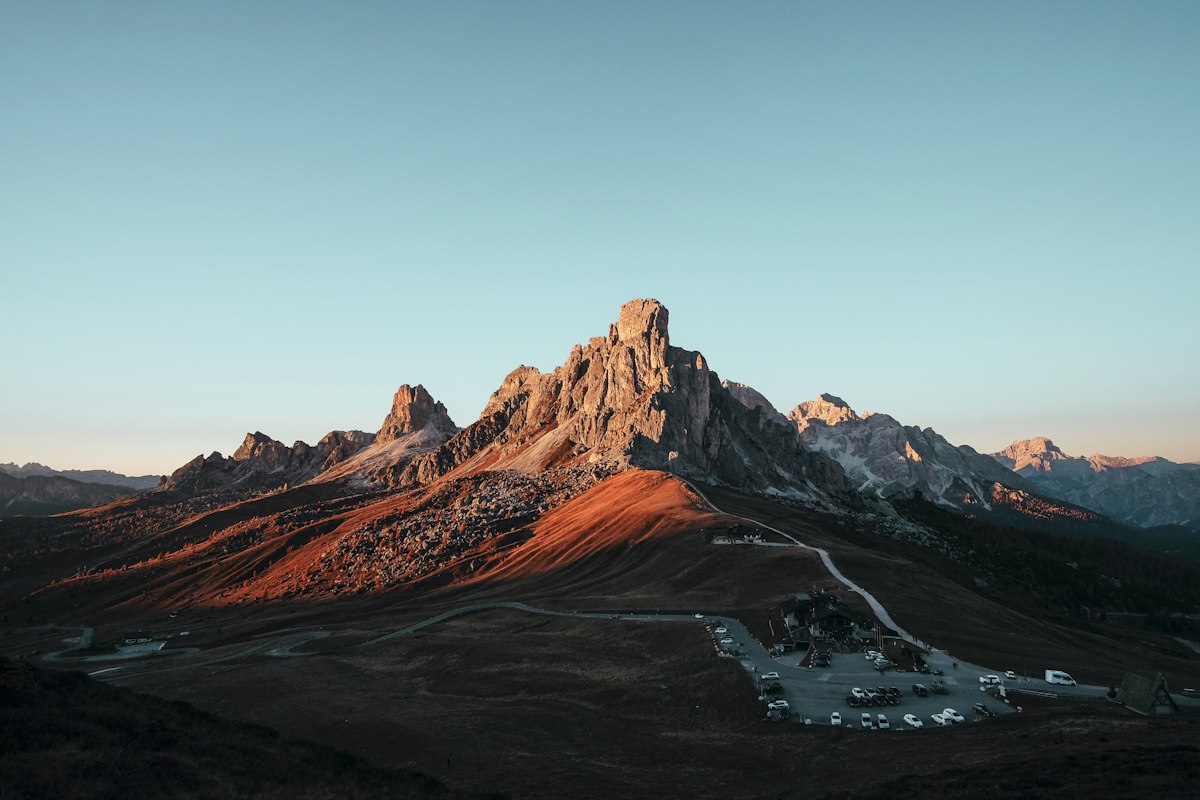
The most-climbed mountain in the world (estimated 2.6 million visitors per year) — but for good reason. The 599-metre summit offers a clear-day view of Mt. Fuji that leaves photographers immobile for hours, and the four main trails up the mountain pass through ancient cedar forests, a Shingon Buddhist temple complex (Takao-san Yakuo-in, founded 744 AD), and a monkey park.
Trail options:
- Trail 1 (paved, 3.8km, 1h30m) — The most popular; passes the temple midway; gentlest gradient with cable car option for the lower section
- Trail 6 (unpaved, follows a stream, 3.3km, 1h20m) — Far less crowded; better forest; crosses the stream multiple times on stepping stones. The finest trail for foliage season
- Ura-Takao routes (the back of the mountain toward Takao-san Maguro) — Almost no foreign tourists; deep cedar forest; connects to Sagamiko Station for a one-way traverse
Best seasons: Spring (late March–April, cherry blossom plus the start of forest green); October–November (the mountain’s celebrated autumn foliage is considered the finest within the greater Tokyo area); December–February (clear skies mean the best Fuji views — arrive before 9:00 am)
Hidden gem: The Takao 599 Museum at the mountain base has a free natural history exhibit and a glass-enclosed terrarium of the mountain’s insects — and the café below has excellent hand-drip coffee.
奥多摩 — Okutama
Access: Okutama Station (JR Ome Line from Tachikawa or Shinjuku) — approximately 2 hours from Shinjuku, ¥860 Hours: Year-round

Tokyo’s wilderness — a deep river valley in the far western edge of Tokyo Metropolis where bear warnings are posted and the old post town of Okutama still feels like the 1960s. The Okutama Lake (Okutama-ko), a reservoir ringed by mountains, is the reservoir for Tokyo’s drinking water and offers an excellent lakeside walk with mountain reflections.
Best activities:
- Hikawa Gorge walk (30 min from Okutama Station) — a flat riverside path through deep-carved rock with hanging suspension bridges; spectacular in autumn
- Mt. Mitake (御岳山) — 929m; cable car from Mitake Station (30 min from Okutama back toward Tokyo) accesses a mountain top village with shrine, accommodation, and trails. The Mitake Gorge below the cable car base has the finest riverside scenery in Tokyo Metropolis
- Okutama Village — a single street of traditional buildings, sake brewing, and craft shops; excellent soba and river fish (sweetfish ayu, in season June–September)
秩父 — Chichibu (Saitama Prefecture)
Access: Seibu Chichibu Station (Seibu Ikebukuro Line from Ikebukuro) — approx 80 min, ¥790; or Chichibu Station (Chichibu Railway) Hours: Year-round
Chichibu is one of Japan’s great under-visited destinations — a mountain basin surrounded by the Chichibu-Tama-Kai National Park with exceptional seasonal events, a renowned sake brewing district, and three of Japan’s most atmospheric pilgrimage temples.
Seasonal highlights:
- Shibazakura Festival (Hitsujiyama Park, late April–May) — 40,000 pink and white moss phlox blooming across a hillside; significantly less crowded than the famous Fuji shibazakura
- Yokoze Ice World (Mitsu-no-Taki Frozen Waterfall, January–February) — a frozen waterfall and ice stalactite formations in a valley near Yokoze; almost unknown to overseas visitors
- Chichibu Night Festival (December 2–3) — one of Japan’s three great float festivals, with enormous floats carrying musicians and performers through narrow mountain town streets with fireworks
Sake: The Bukou-san Brewery and Chichibu Distillery (whisky, exceptional quality, largely unavailable outside Japan) both offer tours and tasting.
日光 — Nikko
Access: Tobu Nikko Line from Asakusa — 2 hours, from ¥1,360 (limited express); or JR lines via Utsunomiya Hours: Major shrines 9:00–17:00 (winter 16:00) Entry: ¥1,300 (combined Tosho-gu ticket)
Two hours north of Tokyo, a UNESCO World Heritage complex of shrines and mausoleums set in a mountain forest that constitutes one of Japan’s finest single-day excursions. The Tosho-gu mausoleum of Tokugawa Ieyasu is the most elaborately ornamented building in Japan — every surface covered in gilded carvings, painted panels, and lacquerwork — in direct contrast to the severe Zen aesthetics of Kyoto.
The Kegon Falls (97 metres, one of Japan’s three great waterfalls) and the dramatic Irohazaka switchback road to Lake Chuzenji are part of the same excursion.
Best season: Late October–early November when the mountain forest around the shrine complex turns scarlet and gold, with the lacquer reds of Tosho-gu reflected in autumn maples — one of the finest colour combinations in Japan.
Practical Tips
- IC card covers the Keio Line to Takao-san; for Okutama and Chichibu you’ll need to purchase JR and Seibu tickets separately
- Mt. Takao on weekends is genuinely crowded — the summit can feel urban. Arrive before 8:30 or take the less-travelled Trail 6
- The Tama River cycle path runs from Hamura (2 hours west of Shinjuku) to the sea — a 136km off-road cycling route alongside the river that is almost entirely unknown to overseas visitors; bike rental available at Tachikawa Station
- Winter morning walks in Rikugien and Koishikawa Korakuen (7:00–9:00, below freezing) with frost on the grass and pond mist are one of Tokyo’s least-known beautiful experiences