New Year (oshogatsu, お正月) is the most important holiday in Japan, and it is the one period when visiting Tokyo is genuinely different from visiting Tokyo at any other time. Not harder — different. The city empties of residents who travel to family homes, trains run half-full, the air is cold and unusually clear, and for a few days the world’s largest metropolis feels almost provincial. Then, at the shrines, the entire country shows up at once.
It is also the period most likely to derail an unprepared itinerary: small restaurants shut for a week, department stores close on January 1, the fish markets close for five days, and hotel rates from December 30 to January 2 run at their annual peak. This guide covers what is actually open, how to time the crowds, and how to build a trip that uses the season rather than fighting it.
Dates in this guide: The next New Year falls on Friday, January 1, 2027, so the holiday block runs through Sunday, January 3, with most offices reopening Monday, January 4. Shops and attractions set their own closing dates each year — always confirm on the official site before building a day around one.
🗓️ The New Year Calendar, Day by Day
| Date | What happens |
|---|---|
| Dec 26–28 | The last normal days. Offices wind down around Dec 28; restaurants, museums and markets all still open. The best window for ordinary sightseeing. |
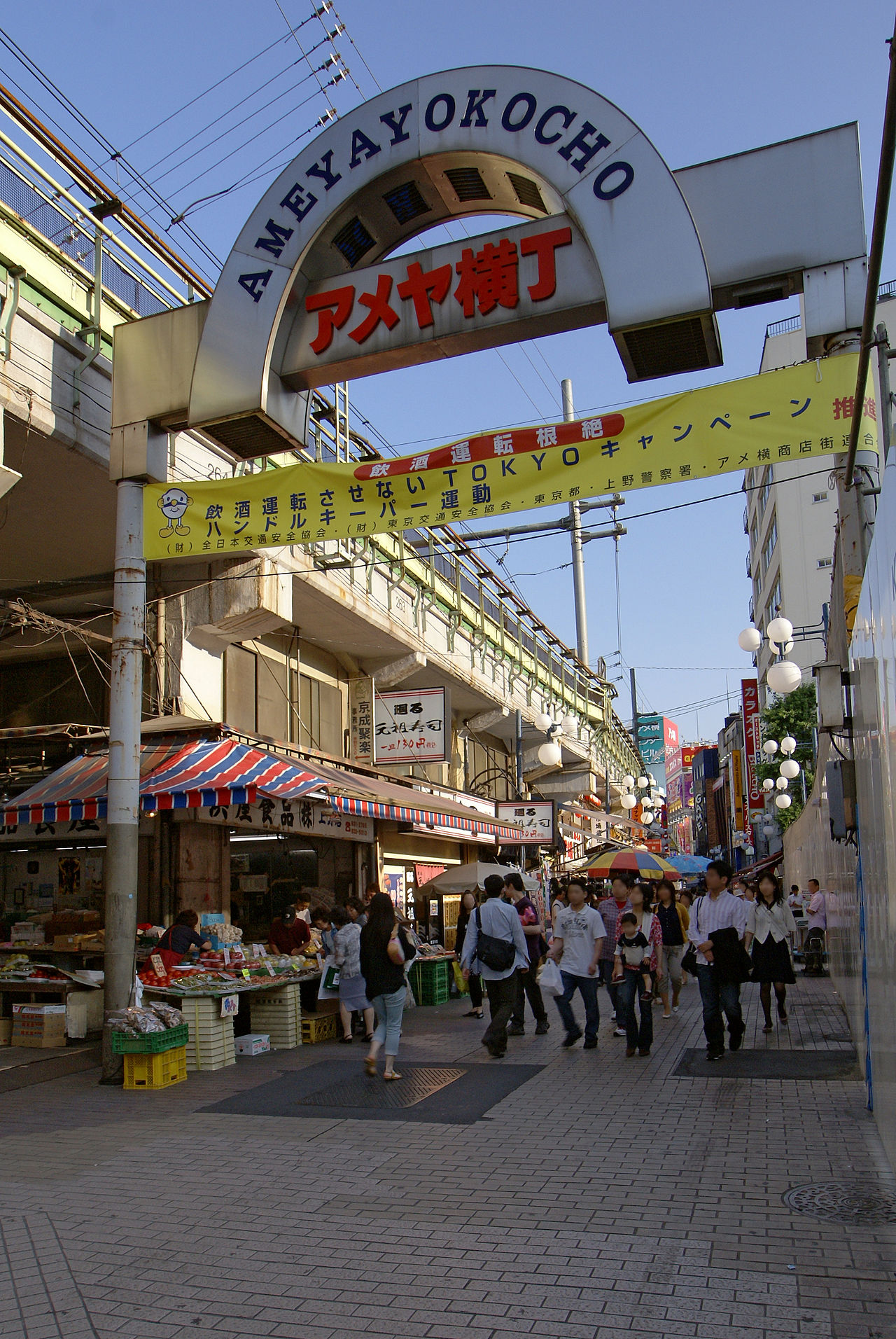
| Dec 29–30 | Markets at their peak: Ameyoko and the Tsukiji outer market are packed with families buying crab, tuna, roe and osechi ingredients. The outbound travel rush begins — shinkansen and flights fill up. |
| Dec 31 (Omisoka) | Toshikoshi soba for dinner; temples ring the joya no kane (108 bells) from about 23:45; countdown events at Shibuya, Zojo-ji and Tokyo Tower. Many train lines run all night. |
| Jan 1 (Ganjitsu) | Hatsuhinode (first sunrise, around 6:50 am in Tokyo) and hatsumode (first shrine visit). Department stores and most restaurants closed. Shrines at maximum capacity. |
| Jan 2 | Department stores reopen with fukubukuro lucky bags and winter sales. Imperial Palace public greeting (ippan sanga). Hakone Ekiden day one starts in Otemachi at 8:00 am. |
| Jan 3 | The Ekiden return leg finishes in Otemachi in the early afternoon. Shrines still busy. Return-travel rush out of the city. |
| Jan 4 | The city switches back on. Offices reopen, museums and restaurants return to normal hours, and Kanda Myojin fills with company groups praying for business luck. |
| Jan 5 onward | The quietest, cheapest week of the winter. The Tsukiji outer market and the restaurants are back. The Grand Sumo New Year tournament opens at Ryogoku on the second Sunday (January 10, 2027). |
✅ What’s Open, What’s Closed
Open throughout, including January 1:
- Convenience stores, chain restaurants and fast food — Yoshinoya, Sukiya, most ramen chains, family restaurants
- Shrines and temples — the whole point of the season
- Tokyo Skytree, Tokyo Tower, Shibuya Sky and most observation decks, often with a special early opening for the sunrise on January 1
- Tokyo Disneyland and DisneySea — open, and at their most crowded of the year
- teamLab Planets, the large shopping malls (many open on January 1) and hotel restaurants
Closed or reduced:
| What | Typical closure |
|---|---|
| Department stores (Isetan, Mitsukoshi, Takashimaya) | Closed Jan 1; reopen Jan 2 with lucky bags |
| Toyosu fish market | Closed from about Dec 31 to Jan 4 |
| Tsukiji outer market | Most stalls closed Jan 1–3; back from about Jan 4–5 |
| Small independent restaurants, izakaya, kissaten | Often closed Dec 30–Jan 4 — check the notice on the door or the shop’s own page |
| Museums (Tokyo National Museum, Edo-Tokyo, Ghibli Museum) | Usually closed from late December to Jan 1; most reopen Jan 2–4 |
| Clinics, pharmacies, post offices, bank counters | Closed Dec 31–Jan 3 (convenience store ATMs keep working) |
The practical rule: plan January 1 around shrines, observation decks, parks, and hotel or chain dining. Save museum days and restaurant reservations for December 28–30 or January 4 onward.
⛩️ Hatsumode Without the Three-Hour Queue

Hatsumode (初詣) is the first shrine or temple visit of the year, and Tokyo’s major sites receive numbers that are hard to imagine until you see them: Meiji Shrine draws over 3 million visitors in the first three days, Senso-ji close to 3 million, and Kanda Myojin and Tomioka Hachiman several hundred thousand each.
Timing that works:
- Dec 31, 23:00–01:00 — the full midnight experience, and a one-to-three-hour queue at Meiji Shrine. Worth it once, if the atmosphere is what you came for.
- Jan 1, 05:00–08:00 — the sweet spot. The midnight crowd has gone home, the daytime crowd has not arrived, and the light is beautiful.
- Jan 1–3, 10:00–17:00 — peak crush at every famous site. The queues are orderly but long, and the approach streets become one-way.
- Jan 4–10 — the tradition allows the visit any time in January. Almost no queue, and the New Year stalls and omamori are still there. This is what many Tokyo residents actually do.
Quieter shrines with real atmosphere: Nezu Shrine (Yanesen), Hie Shrine (Akasaka), Yushima Tenjin (where students pray before exam season), Tomioka Hachiman (Monzen-Nakacho), and Konno Hachimangu, a few minutes from Shibuya Crossing and almost always calm.
How it works: join the queue, toss a coin into the offering box, bow twice, clap twice, pray, bow once. Then buy a new omamori (protective charm), draw an omikuji fortune, and return last year’s charm to the rack provided. There is fuller detail in our hatsumode guide .
🌅 Hatsuhinode — The First Sunrise
Watching the year’s first sunrise matters as much as the shrine visit for many Japanese families. In Tokyo the sun rises at around 6:50 am on January 1, and the dry winter air gives the clearest views of Mt. Fuji of the entire year.
- Mt. Takao (an hour from Shinjuku) — the classic choice. The Keio line and the cable car run special night and pre-dawn services, and the summit is genuinely crowded. Dress for freezing wind.
- Observation decks — Tokyo Tower, Tokyo Skytree, Shibuya Sky and Roppongi’s Mori Tower usually sell special sunrise tickets, often by advance online sale or lottery in December.
- Free and uncrowded — the Odaiba waterfront and the Harumi and Toyosu promenades face east across the bay.
- Day trip option — Enoshima and the Shonan coast, or Lake Kawaguchiko for sunrise beside Fuji itself.
🍜 Eating Well When Half the City Is Shut
December 31 — toshikoshi soba. Buckwheat noodles eaten on the last evening of the year: long, easily cut, and symbolising a clean break with the old one. Standing soba counters at the stations serve it all day; sit-down soba shops take reservations and fill early.
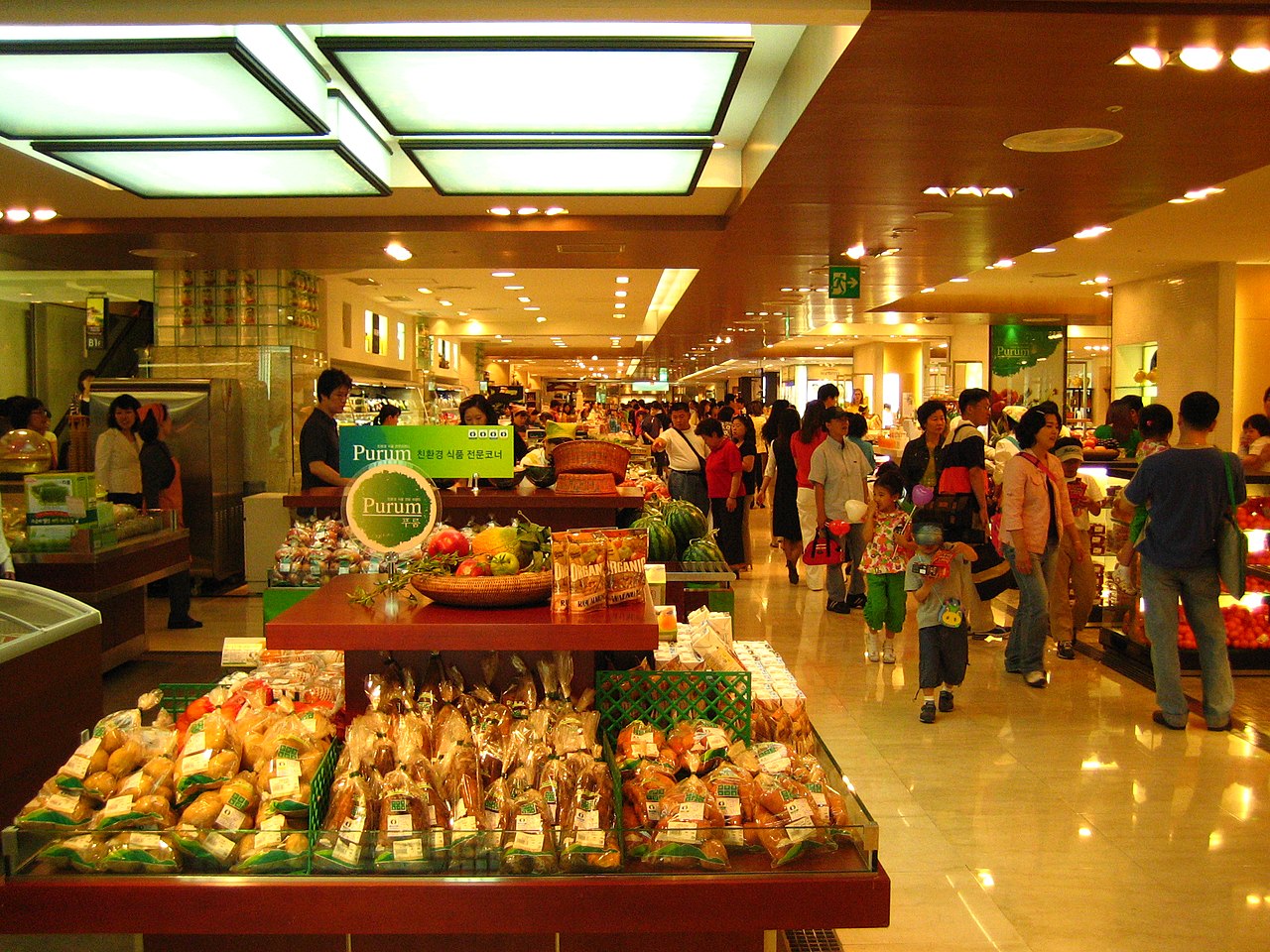
January 1–3 — osechi and zoni. Osechi ryori is the lacquered box of preserved New Year dishes — black beans, rolled omelette, simmered root vegetables, candied chestnut, herring roe — designed so that nobody has to cook for three days. Department store basements sell boxes through late December, mostly by reservation, and hotels and ryokan serve New Year menus. Zoni, a mochi soup, is the other staple; the Tokyo version uses a clear dashi broth with komatsuna greens and a square grilled mochi.
Where to eat on January 1: hotel restaurants, chain restaurants, convenience stores, the food stalls at the shrines (amazake, yakisoba, grilled squid) and the big malls. Reserve hotel dinners for the 31st and the 1st well in advance — the good ones fill in December.
One caution about mochi: grilled rice cakes are a genuine choking hazard and send people to hospital in Japan every New Year. Cut them small and chew thoroughly, especially for children and older travellers.
🛍️ Fukubukuro and the Winter Sales
On January 2, Tokyo’s retail year restarts with fukubukuro (福袋) — sealed “lucky bags” sold at a fixed price, with contents worth considerably more that you cannot see before buying. Electronics stores (Yodobashi, Bic Camera), fashion floors, cosmetics counters and even cafes all take part. The most sought-after bags draw queues from before dawn, and many brands now run an online lottery in December instead.
The winter sales run alongside them into mid-January — the best discounts of the year on winter clothing, and the one time Ginza and Shinjuku feel like a scrum. Tax-free counters stay open but move slowly; bring your passport and go early in the day.
🏃 Hakone Ekiden — Japan’s Biggest Sporting Spectacle
On January 2 and 3, the Tokyo–Hakone Round-Trip College Ekiden sends university relay teams about 107 km from Otemachi to Lake Ashi and back over two days, watched by a television audience in the tens of millions and by hundreds of thousands of spectators along the road.
- Jan 2, 8:00 am — the outbound start on Otemachi’s main avenue, a short walk from Tokyo Station. Standing room along the course is free, and the atmosphere in the first kilometre is extraordinary.
- Jan 3, early afternoon — the finish in the same place, and usually the more emotional of the two days.
- Arrive 60–90 minutes early for a spot near the start or finish; the Shinagawa and Rokugo-bashi stretches are easier.
- If you were planning a Hakone day trip on those dates, move it. Road closures and congestion along the route make them the worst two days of the year to go.
🏨 Hotels, Transport and Money
Hotels: December 30 to January 2 is the annual price peak, alongside cherry blossom season. Book three to six months ahead, and value a hotel with its own restaurant more than you normally would. Ryokan in Hakone, Atami and Okutama sell New Year packages with osechi dinners, often with a two-night minimum.
Trains: shinkansen and domestic flights are heavily booked outbound December 28–30 and inbound January 3–4; reserved seats for those dates open a month ahead and sell out quickly. Inside Tokyo the opposite is true — the trains are quieter than in any other week. Many lines, including the Yamanote line and most metro lines, run all night from December 31 into January 1, with a surcharge on some services.
Luggage forwarding (takkyubin) slows down or pauses over the holidays. Do not count on next-day delivery between December 29 and January 4.
Money: bank counters close December 31 to January 3. Convenience store ATMs (7-Eleven, Lawson, FamilyMart) take foreign cards throughout, and that is the reliable option.
🌡️ Weather and What to Pack
Tokyo in early January is cold, dry and bright: daytime highs of 9–12°C, overnight lows near freezing, and very little rain. Snow in the city is rare but not unknown. The dryness is what gives the spectacular Fuji visibility — and the brutal wind chill on exposed observation decks and mountain summits.
Pack a windproof outer layer, gloves and a hat for any sunrise plan, and expect indoor heating to be strong: wear layers you can strip off in a department store or on a train.
🗺️ A Day-by-Day Plan: December 30 to January 4

Dec 30 — Market day. Morning at the Tsukiji outer market while it is at its loudest, then Ameyoko in Ueno for the New Year shopping frenzy. Afternoon at the Tokyo National Museum in Ueno Park — check its final opening day first. Evening: an izakaya in Yurakucho, booked in advance. This is your last easy restaurant night.
Dec 31 — Omisoka. Late morning at Senso-ji and Nakamise while the stalls stock up for the night. Soba for lunch in Kanda. Then rest at the hotel, deliberately, because you are going out late. From 22:30, pick one: the bell-ringing and balloon release at Zojo-ji with Tokyo Tower lit behind it, the Shibuya countdown, or the midnight queue at Meiji Shrine.
Jan 1 — Hatsuhinode and hatsumode. Sunrise from an observation deck or the Odaiba waterfront, then hatsumode at Meiji Shrine between 6:00 and 8:00, then breakfast. Afternoon: Shinjuku Gyoen, the Imperial Palace East Gardens if open, or Tokyo Skytree. Dinner at the hotel or a chain — assume nothing independent is open.
Jan 2 — Fukubukuro and the Ekiden. Be in Otemachi before 8:00 for the Ekiden start, then walk to Ginza as the department stores open with lucky bags and sales. Afternoon: the Imperial Palace public greeting, or teamLab Planets. Evening: Omoide Yokocho in Shinjuku, where many stalls reopen on the 2nd.
Jan 3 — Day trip, or quiet Tokyo. Kamakura (Tsurugaoka Hachimangu is busy, but the coast is beautiful and Fuji is visible), Mt. Takao, or Nikko for Toshogu in winter light. Back in time for the Ekiden finish in Otemachi if you want the other half of the race.
Jan 4 — The city returns. Kanda Myojin in the morning, for the remarkable sight of entire companies in business suits queueing to pray for a good year. Museums reopen, restaurants reopen — book something good for dinner. Yanaka and Nezu in the afternoon, where the New Year decorations are still up on the old shopfronts.
Should You Come at New Year?
Yes, if you want the one week of the year when Tokyo shows its own traditions rather than performing for visitors: shrine queues at dawn, lucky bags, families in kimono, the Ekiden on every television, and the clearest Fuji views of the year, reached on half-empty trains.
No, if your trip depends on restaurant reservations, markets and museums, or on a tight budget. In that case January 5–20 gives you the same cold clear weather, the cheapest hotel rates of the year, and a city that is fully open.