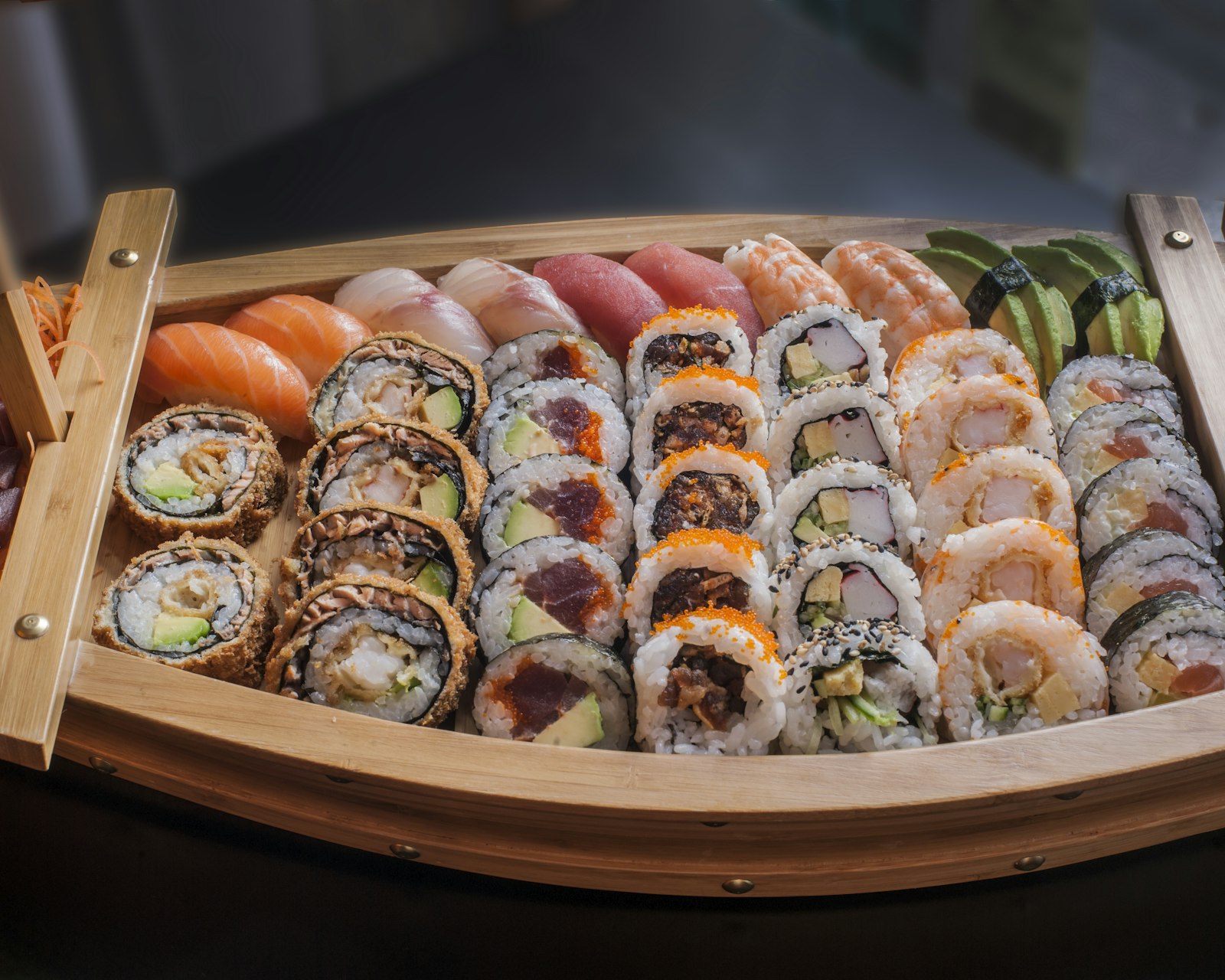
Tokyo has more Michelin-starred restaurants than any other city on earth — including more starred sushi counters than the rest of the world combined. But the city’s real food culture runs far deeper than Michelin stars. This guide covers the best places to eat at every budget, from a ¥600 standing sushi bar to the counter where a master has been pressing rice for 40 years.
🍣 Sushi
Standing Sushi Bars — The Tokyo Insider’s Lunch
The best-value sushi experience in Tokyo isn’t an omakase counter — it’s a tachi-gui (standing) sushi bar in Tsukiji’s outer market or around major train stations. These are where fish buyers, sushi chefs, and market workers eat before 9 am, and the quality-to-price ratio is extraordinary.
Where to go:
- Tsukiji Outer Market (Tsukiji Station, Hibiya Line) — a dozen standing and seated sushi counters line the alleys between stalls. Arrive before 9:00 for the freshest cuts; the tuna and uni bowls for ¥1,500–¥2,500 are world-class. The market gets crowded from 10 am onward — go early.
- Sushi Zanmai Honten (Tsukiji, open 24 hours) — the bright yellow sign is unmissable. Not the most refined, but the freshest ingredients at all hours, including post-dinner and overnight.
Mid-Range Sushi Counters
- Sushi Saito (鮨 斎藤) — Notoriously difficult to book (requires Japanese-speaking introduction), but Jiro Ono’s former apprentice Takashi Saito is considered by many to run the finest sushi in the city. For those who can get a reservation, a once-in-a-lifetime experience.
- Harutaka (はる家) — Higashi-Azabu. An approachable 8-seat omakase counter with a relaxed host and exceptional seasonal fish selection. Book 2–3 weeks ahead. Around ¥25,000.
- Sushi Yoshitake — 3 Michelin stars in Ginza. More accessible than Saito for bookings via their website. Full omakase from ¥35,000.
Budget sushi tip: The conveyor-belt (kaiten) sushi chains Sushiro and Kura Sushi, while not remarkable, use fresh fish from the same Toyosu Market and serve good value meals from ¥110 per plate. Locations throughout the city.
🍜 Ramen
Tokyo has its own ramen style — shoyu (soy) ramen with a thin, clear chicken-based broth and curly noodles — but the city now hosts every regional style from Sapporo miso to Hakata tonkotsu.
Essential Tokyo Ramen
Fuunji (風雲児) — Shinjuku, a 5-minute walk from Shinjuku Station’s west exit. A tiny shop specialising in tsukemen (dipping ramen) — thick noodles served separately alongside a concentrated dipping broth. The broth is so rich it’s almost a sauce. Arrive early; queues form before opening and by 11:30 the wait is 30–45 minutes. Worth every minute.
Ichiran (一蘭) — Multiple locations including Shibuya. Famous for its individual booths with privacy screens that let solo diners focus entirely on the ramen. The tonkotsu broth is customisable to your exact preference via a paper form. A perfectly calibrated solo dining experience.
Nakiryu (鳴龍) — Otsuka Station (Toden Arakawa Line or JR Yamanote). A Michelin-starred (1 star) ramen shop with a dandan noodle (tantanmen) broth that is genuinely refined — slow, complex spicing, rich sesame. Queues form from 30 minutes before opening. Budget ¥1,000–¥1,200.
Hidden gem: Nagi (凪) — Golden Gai, Shinjuku. A tiny ramen shop in the legendary Golden Gai bar district, reached through an alley that feels like a film set. The niboshi (dried sardine) broth ramen is one of the most distinctive bowls in the city. Open late. Seats 10 people.
🏮 Izakaya (Japanese Pub Dining)
Izakaya culture — sharing small dishes of food over long, unhurried hours with draft beer and shochu — is the heartbeat of Tokyo’s food scene.
Omoide Yokocho (Memory Lane) — Shinjuku
Access: Shinjuku Station, west exit — immediate right under the train tracks
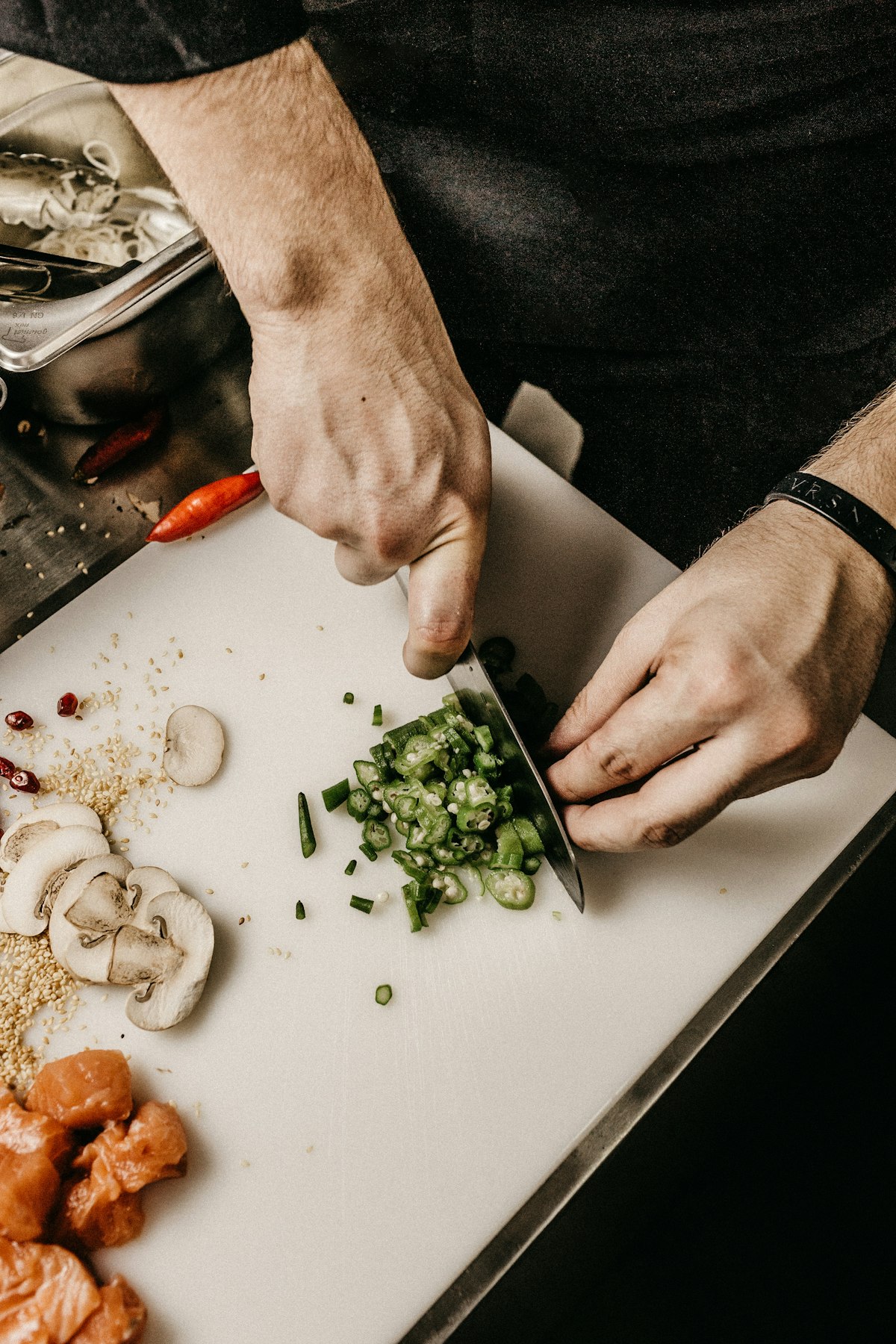
Tokyo’s most atmospheric eating spot — a narrow alley of 24 tiny yakitori stalls, each barely five seats wide, that has been grilling chicken skewers under the Yamanote Line tracks since the postwar black market era. Everything is open-air, smoke billows freely, and the Japanese salary-men at the counter beside you have been coming here for decades. Order chicken hearts, livers, and cartilage skewers, wash them down with cold Sapporo beer, and stay as long as they’ll let you.
Yurakucho Yakitori Alley
Access: Yurakucho Station (JR Yamanote, Keihin-Tohoku) — south exit, beneath the Shinkansen viaduct
Less famous than Omoide Yokocho but more authentic — a longer stretch of yakitori restaurants operating in the brick arches beneath the old JR and Shinkansen viaducts. The low ceilings, concrete walls, and rumble of trains overhead create an atmosphere that is entirely Tokyo.
Ebisu & Nakameguro — Premium Izakaya
The area around Ebisu and Nakameguro stations has the highest concentration of independently owned, quality izakayas in the city — places that use seasonal fish and vegetables, make their own tofu and pickles, and maintain a menu that changes daily.
Uoshin (魚真) — Ebisu: a fish-forward izakaya that sources direct from fishing ports. The sakana no karaage (fried fish collar) and seasonal sashimi plates are exceptional. Book for the evening.
Hidden gem: Sangenjaya neighborhood — 3 stops from Shibuya on the Tokyu Setagaya Line, this neighbourhood has an extraordinary density of small, non-tourist izakayas, all at prices 30–40% lower than central Shibuya. The streets around the station’s southern exit (Sancha area) are the best hunting ground after 19:00.
🍱 Lunch Sets (Teishoku) — Best Value in Tokyo
Many of Tokyo’s best restaurants serve lunch sets (teishoku) at a fraction of the dinner price — the kitchen, chef, and ingredients are identical.
What to look for:
- Tempura teishoku in Asakusa — the area around Senso-ji has traditional tempura shops that serve a full set lunch (soup, rice, pickles, 5–6 pieces of tempura) for ¥1,500–¥2,500
- Tonkatsu teishoku — Katsuzen (Ueno area) serves the perfect pork cutlet set. Marugo (Ochanomizu) is a 60-year-old institution that sources its pigs from a single farm
- Soba teishoku — The Kanda soba district, a 10-minute walk from Akihabara, has three shops that have been making fresh buckwheat noodles since the Meiji era. Cold zaru soba with a dipping broth at Kanda Matsuya (1884) is ¥900 and among the best things to eat in Tokyo
🍱 Depachika — Department Store Basements
Tokyo’s department store basement food halls (depachika — combining depato and chika/underground) are among the world’s great food experiences. Every major department store has one; the best are:
Isetan Shinjuku B1–B2 — Carries the most prestigious selection of Japanese artisan food in any single location: cakes by Joel Robuchon’s Tokyo operation, regional confectionery from across Japan, a fish hall with 200-year-old shops, fresh wagyu prepared to order, and a sake section curated by a dedicated sommelier.
Mitsukoshi Ginza B1–B2 — The oldest department store in Japan (1673). The basement feels like entering a shrine to Japanese food — impeccable packaging, staff in white gloves, seasonal specialities. The ekiben (station lunchboxes) section is a particularly Japanese concept that Mitsukoshi executes beautifully.
Takashimaya Times Square Shinjuku B1 — The largest depachika floor in Tokyo; good for wagashi (traditional confectionery) and freshly made pasta in its Italian section.
🥩 Yakiniku (Japanese BBQ)
Tatsu (たつ) — Multiple locations in Minami-Azabu and Ebisu. Frequently cited as the best yakiniku in Tokyo for the wagyu quality — the A5 beef short rib (zabuton) and tongue cuts are extraordinary. Reservations essential; lunch on weekdays is slightly more accessible than dinner.
Budget yakiniku: The Gyukaku chain (multiple locations) uses quality beef and a proper smokeless charcoal grill at prices accessible to any budget (lunch sets from ¥1,200). A good introduction to the cooking method before a high-end visit.
🍡 Street Food & Market Eating
Tsukiji Outer Market — Beyond sushi, the outer market has tamago-yaki specialists (sweet dashimaki omelette), fresh scallop grilling stalls, sea urchin shooters, and knife shops that have been sharpening Tokyo’s sushi knives for 80 years.
Yanaka Ginza — The short shopping street near Yanaka Cemetery has old-school snacks: fresh menchi katsu (ground beef cutlet), cream-filled taiyaki (fish-shaped waffles), and rice crackers cooked on traditional charcoal grills. Best at lunch on a weekday.
Ameyoko Market — The outdoor market beneath the Ueno train tracks has Korean food stalls, fresh seafood (particularly around the New Year), dried goods, cheap clothing, and a very Tokyo energy. The Korean side streets adjacent to the market have excellent cheap BBQ from ¥800.
🌙 Late Night Eating
Tokyo’s food scene extends well past midnight.
Shinjuku Golden Gai — 200 tiny bars, each with a distinct personality and usually room for 6–10 people, packed into a block east of Kabukicho. Many serve food; all serve drinks. Some are welcoming to tourists; some have ‘regulars only’ notices. The atmosphere at 1 am is irreplaceable.
Ramen vending machine restaurants — Several ramen shops now operate via vending machines after midnight — including a Fuunji spin-off and branches of Ippudo. The quality remains high; the experience is pure Tokyo.
Practical Dining Tips
- Reservations are essential for anything above mid-range, especially dinner. Use TableCheck or Omakase (both have English interfaces) for online booking
- The ¥1,000 budget lunch is a real Tokyo institution — find the handwritten lunch board (ranchi setto) outside almost any restaurant
- Many restaurants have plastic food models (sampuru) in the window — pointing is completely acceptable
- Tipping does not exist in Japan — offering cash will cause confusion and mild embarrassment
- Konbini (convenience store) food from 7-Eleven, FamilyMart, and Lawson is genuinely excellent: onigiri, sandwiches, hot oden stew, and fresh pastries at ¥200–¥500