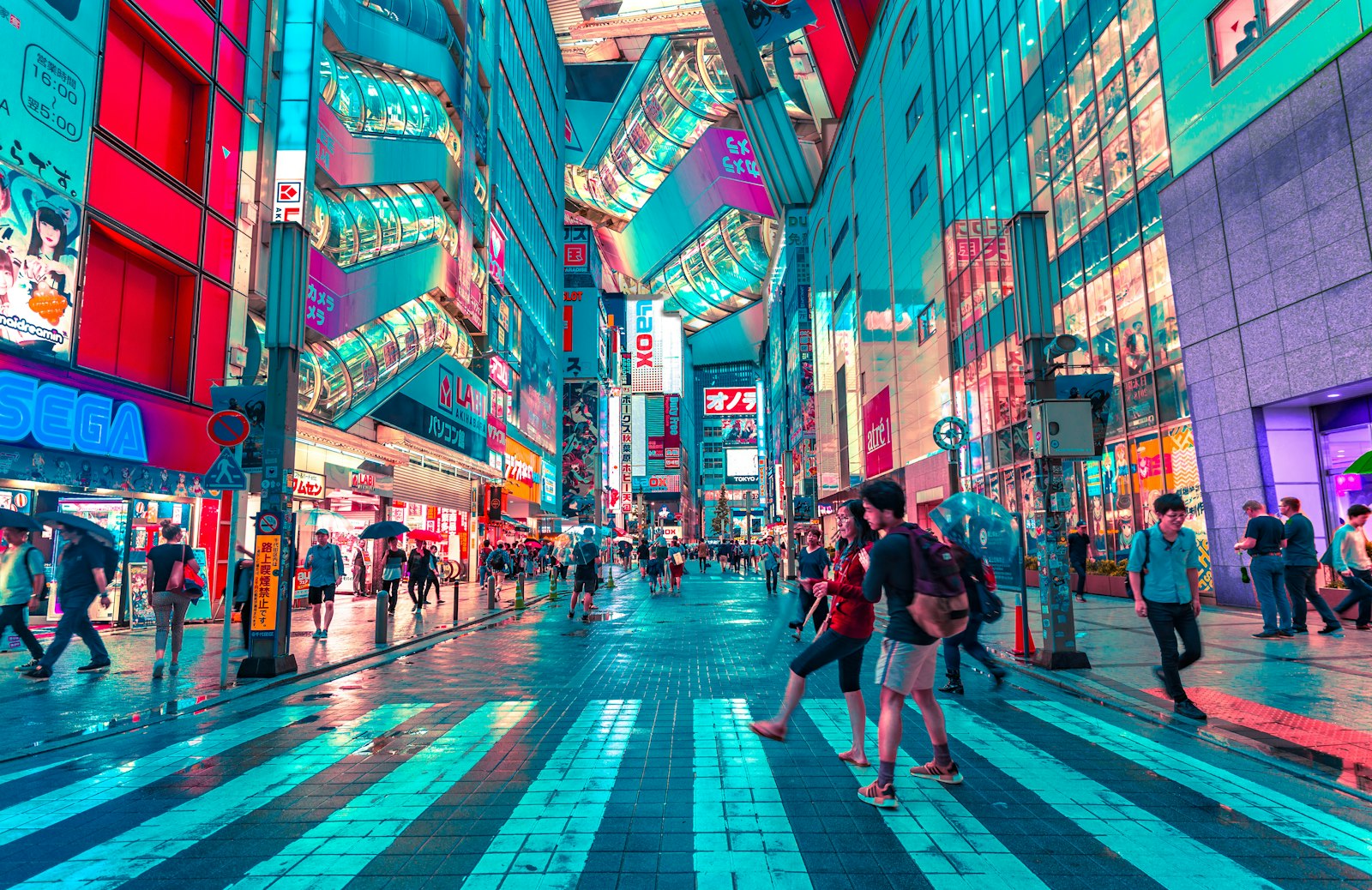
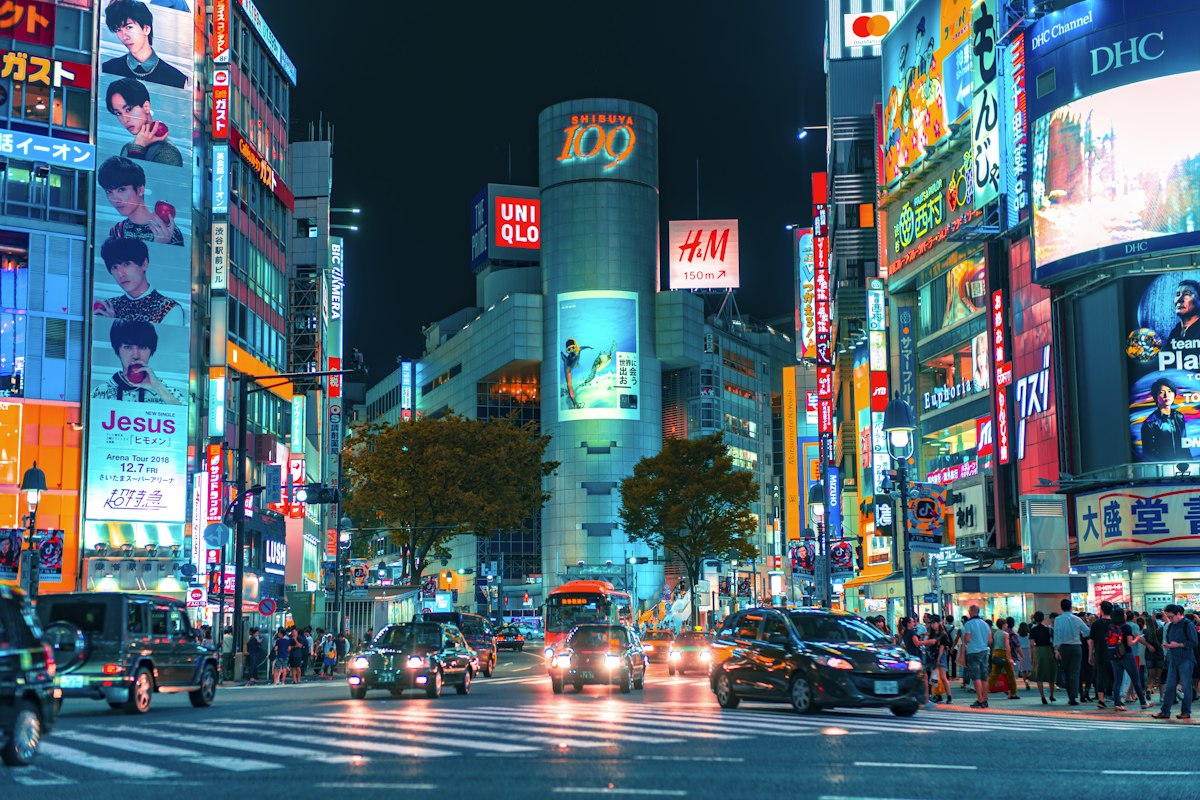
Tokyo is not the first city that comes to mind for romance — but those who know the city well will tell you it has some of the most genuinely romantic experiences in Japan. Not in spite of being a megacity, but because of it: the contrast between the vast illuminated skyline and a quiet garden pond, or between the roaring neon of Shibuya and the lantern-lit stone alleys of Kagurazaka, creates an emotional intensity impossible to replicate elsewhere. This guide covers the best romantic spots, date experiences, and honeymoon moments in Tokyo.
1. 中目黒 — Nakameguro Canal Walk
Access: Nakameguro Station (Tokyu Toyoko Line, Tokyo Metro Hibiya Line) Best time: Cherry blossom season (late March–early April) or any clear evening
The Meguro River running through the Nakameguro neighbourhood has 800 cherry trees lining both banks — and during blossom season, when the trees arch overhead in a tunnel of pale pink and the lanterns lit by riverside restaurants reflect in the dark water below, this is the most romantic urban walk in Japan.
Outside cherry blossom season, the canal retains its charm: low-profile independent cafes, boutiques, and restaurants crowd the riverside (Nakameguro is home to Tokyo’s highest concentration of independent coffee shops), and the narrow streets one block back from the water are ideal for the kind of unhurried, direction-free exploration that characterises the best dates.
Evening highlight: The stretch between Nakameguro Station and the Kami-Meguro bridge has excellent restaurants at every price point. For a special dinner, Ristorante Genovese (Italian, seasonal produce) or L’effervescence (contemporary French-Japanese, requires advance booking) are exceptional. For a casual evening, standing wine bars along the canal path serve natural wine from ¥700 a glass.
2. 神楽坂 — Kagurazaka: Tokyo’s Most Romantic Neighbourhood
Access: Kagurazaka Station (Tokyo Metro Tozai Line) or Iidabashi Station (JR, multiple metro lines) Best time: Thursday–Saturday evenings
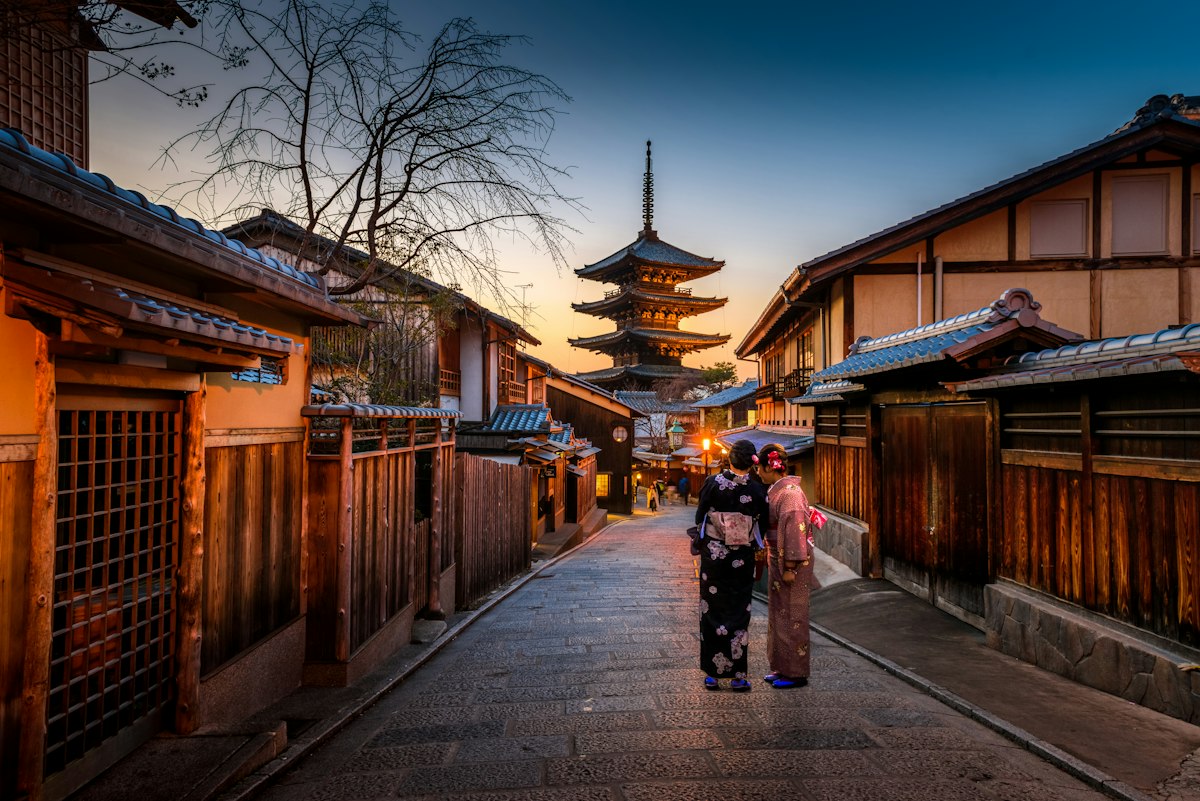
Once a geisha district, Kagurazaka retains more of old Tokyo’s intimate atmosphere than anywhere else inside the Yamanote loop — a hillside maze of stone-paved alleys (yokocho), traditional restaurants, French bistros, and atmospheric bars. The combination of Japanese heritage architecture and French cultural influence (the Alliance Française is nearby and has been for a century) creates something entirely its own.
Must-do for couples:
- Walk the Geisha Alley (芸者小路) and the surrounding stone lanes in the evening, when lanterns light the old flagstones and the restaurants behind lacquered doors begin their service
- Visit Akagi Shrine (designed by Kengo Kuma) at dusk — the modernist redesign within the traditional precinct has a café where you can drink coffee beside the shrine gate
- Dinner at Kado (French-Japanese fusion, intimate 8-seat counter, reservation required) or Ishikawa (kaiseki, 3 Michelin stars, one of Tokyo’s most romantic dinner settings)
3. 六義園 ライトアップ — Rikugien Garden Night Illumination
Access: Komagome Station (JR Yamanote Line) — 7 min walk Hours: Illumination evenings 18:00–21:00 (November–early December; late February–early March for ume) Entry: ¥700 (illumination ticket)
During the autumn maple illumination, the garden’s dark pond becomes a mirror — the lit maples reflected so perfectly in the still water that visitors stand at the edge in silence, the only sound being the occasional koi breaking the surface. The weeping cherry illumination in late February shows the oldest cherry tree in Tokyo (estimated 250+ years) lit in blue-white light against a dark sky.
These illumination events are primarily attended by Japanese couples — the atmosphere is hushed, intimate, and remarkable.
4. 東京タワー & 増上寺 — Tokyo Tower from Zojoji Temple
Access: Onarimon Station (Toei Mita Line) or Hamamatsucho Station (JR Yamanote Line) Hours: Temple grounds always accessible Entry: Free
The finest view of Tokyo Tower is not from inside it, but from the Zojoji Temple forecourt directly below — the gate of the 17th-century temple framing the 1958 tower behind it, one in vermillion lacquer and the other in orange and white steel. At night, both are lit, and the composition is one of the most photographed in Tokyo for good reason.
Evening ritual: Arrive before sunset, watch the temple gate darken against the fading sky as Tokyo Tower comes to life behind it, then walk 5 minutes to the Hotel Villa Fontaine Shiodome bar (free entry, bar open, 26th floor) for a drink facing the same view from above.
5. 高尾山頂 夕暮れ — Sunset from Mt. Takao Summit
Access: Keio Line from Shinjuku to Takaosanguchi (50 min) + 90 min hike or cable car + 30 min walk Best time: Clear day, 3–4 hours before sunset Entry: Free (hiking); cable car ¥490
Mt. Fuji appears as a distant silhouette above the Kanto plain from the summit, and at sunset — particularly in winter (December–February) when the air is dry and clear — the mountain turns orange and then rose against a darkening sky while the city glitters in the valley below. The summit has an observation café where the tengu (mountain spirit) torii gate frames the view.
For a full day together: hike up via Trail 6 (stream crossing, cedar forest, almost no visitors), reach the summit for the sunset, then descend by cable car in the dark. Dinner at one of the tofu kaiseki restaurants at the mountain base — Ukai Tofu-ya is a garden restaurant in a converted farmhouse worth booking for special occasions.
6. 新宿御苑 ピクニック — Shinjuku Gyoen Cherry Blossom Picnic
Access: Shinjuku-Gyoenmae Station (Tokyo Metro Marunouchi Line) Hours: 9:00–18:00 (extended during cherry blossom season) Entry: ¥500

Shinjuku Gyoen prohibits alcohol — which makes it the most serene cherry blossom viewing park in Tokyo, free of the corporate karaoke parties that define Ueno. Couples spread blankets under the oldest Somei Yoshino trees in Tokyo (some approaching 80 years old), the pale pink petals falling in a gentle rain on still days. The park’s late-blooming varieties (ichiyo, kanzan) mean the season extends 3–4 weeks past Tokyo’s standard cherry blossom window.
Practical tip: Enter via the Shinjuku Gate on weekdays before 10am — the park is extraordinarily quiet until the office lunch crowd arrives. The French garden’s long straight avenue of white cherry trees (different variety) is the park’s most beautiful axis.
7. 浜離宮 & 屋形船 — Hamarikyu Gardens & Yakatabune Cruise
Access: Hamarikyu Dock (adjacent to Hamarikyu Gardens, Shiodome) Hours: Cruises depart evenings 18:00–21:00 (book in advance) Entry: Gardens ¥300; yakatabune dinner cruises from ¥8,000–¥15,000 per person
A yakatabune is a traditional flat-bottomed pleasure boat, lit with paper lanterns inside, serving kaiseki-style multi-course dinner while cruising Tokyo Bay. You pass under the Rainbow Bridge, look up at the Odaiba skyline from the water, and watch the city’s towers reflect in the black bay — all while sitting on tatami with small lacquered dishes of seasonal food arriving one by one.
Several operators depart from Hamarikyu dock (or Sumida River near Asakusa). Harumiya and Amitatsu are well-established operators with English-language booking options. Reserve at least 2 weeks in advance for weekend evenings.
8. 目黒自然教育園 — Institute for Nature Study (Hidden Gem)
Access: Meguro Station (JR Yamanote Line) — 10 min walk Hours: 9:00–16:30 (closed Monday) Entry: ¥310
A 20-hectare primary woodland — with trees that have never been cut — in the middle of Meguro ward, managed by the National Museum of Nature and Science as a nature reserve. Entry is deliberately limited to 300 people simultaneously, which means the forest is genuinely quiet: moss-covered trees, a natural pond, and paths where the only sound is birdsong and rustling leaves. On rainy days the atmosphere is exceptional. Almost entirely unknown to overseas visitors.
9. 銀座ナイトバー — Ginza & Marunouchi Rooftop Bars
Access: Ginza Station (multiple lines); Otemachi Station (multiple lines) Hours: Hotel bars typically 17:00–01:00 Entry: No cover charge; cocktails ¥2,000–¥4,000
Tokyo’s finest views of the illuminated city skyline come from the rooftop and upper-floor bars of the luxury hotels in Ginza and Marunouchi.
The Bar — Palace Hotel Tokyo (28F) overlooks the Imperial Palace East Gardens and moat, with the city’s financial district behind — a view of extraordinary depth. The whisky selection is among Tokyo’s finest and the bar programme is classical and unhurried.
The SG Club (Shibuya) — not a rooftop, but the ground-floor cocktail bar run by Shingo Gokan (Asia’s 50 Best Bars) in Shibuya has some of the most inventive cocktails in Japan — Japanese ingredients interpreted with a precise Western bar technique. The kind of bar you stay in for hours.
10. 谷中 夕暮れ散歩 — Yanaka Evening Walk
Access: Nippori Station (JR Yamanote Line) Best time: Late afternoon, 2–3 hours before sunset
Yanaka is Tokyo’s most human-scale neighbourhood — wooden merchant houses, old-school sento public bathhouses, temples at every corner, cats sleeping on warm concrete, and artisan shops closing unhurriedly at 17:00. Walking here at the end of the day, when the light turns golden through the cherry trees along Yanaka Cemetery and the tofu seller is ladling fresh warm blocks onto newspaper, is the kind of Tokyo experience that stays with you indefinitely.
Evening extension: Walk from Yanaka through to Nezu Shrine (15 min) as the sun sets through the torii tunnel, then dinner at Kayaba Coffee (a 100-year-old cafe in a restored merchant house, open evenings) or at one of the small izakayas on Yanaka Ginza.
11. 東京スカイツリー & 隅田川 — Skytree & Sumida River at Night
Access: Oshiage Station (Tobu Skytree Line) — Skytree base Hours: Skytree 10:00–21:00; riverside always accessible Entry: Skytree ¥2,100 (350m) / ¥3,100 (450m); riverside free
The approach from Asakusa to Tokyo Skytree along the Sumida Riverbank at dusk — when the tower begins to light up in its alternating blue (iki) and purple (miyabi) schemes, and the river catches the reflection — is one of the finest short evening walks in Tokyo. The combination is romantic in the way that Tokyo only manages: a traditional old townscape (Asakusa’s straw-roofed rickshaw pullers, old sweet shops) in the foreground of a 634-metre illuminated tower.
At the Skytree’s viewing platform, the city extends to every horizon at 350m — look west for the Shinjuku skyscraper cluster lit in silver and gold, and on exceptionally clear winter nights, the outline of Mt. Fuji visible 100km distant.
12. カップルの聖地 — Odaiba Waterfront
Access: Daiba Station (Yurikamome Line) or Tokyo Teleport Station (Rinkai Line) Best time: Sunset and evening
The Odaiba waterfront looking back toward the Rainbow Bridge and central Tokyo skyline is known in Japan as one of the classic couple’s destinations — the long promenade at Odaiba Seaside Park, the bridge lit in blue, the skyline reflected in the calm bay, and the Statue of Liberty replica providing a strange but effective focal point. The Decks Tokyo Beach complex has a rooftop observation area free to access. The atmosphere is relaxed and the crowd is predominantly young Japanese couples.
Practical Tips for Couples
- Cherry blossom season (late March–early April) — book accommodation 6 months in advance; Nakameguro and Shinjuku Gyoen at this time require no further planning to be extraordinary
- Yakatabune cruises require advance booking; operators fill quickly on Saturday evenings from March–May
- Hotel rooftop bars have no admission charge but expect to spend ¥2,000+ per cocktail — worth it once for the setting and craft
- The Bunkyo Civic Center observation deck (25th floor, free, open until 22:30, Korakuen Station) is the best free elevated view in the city on clear evenings — the skyline stretches from Shinjuku west to Skytree east, with Mt. Fuji visible in winter
- Autumn illuminations at Rikugien and Hamarikyu are genuinely excellent and specifically designed for slow, contemplative viewing; buy tickets online in advance as popular evenings sell out