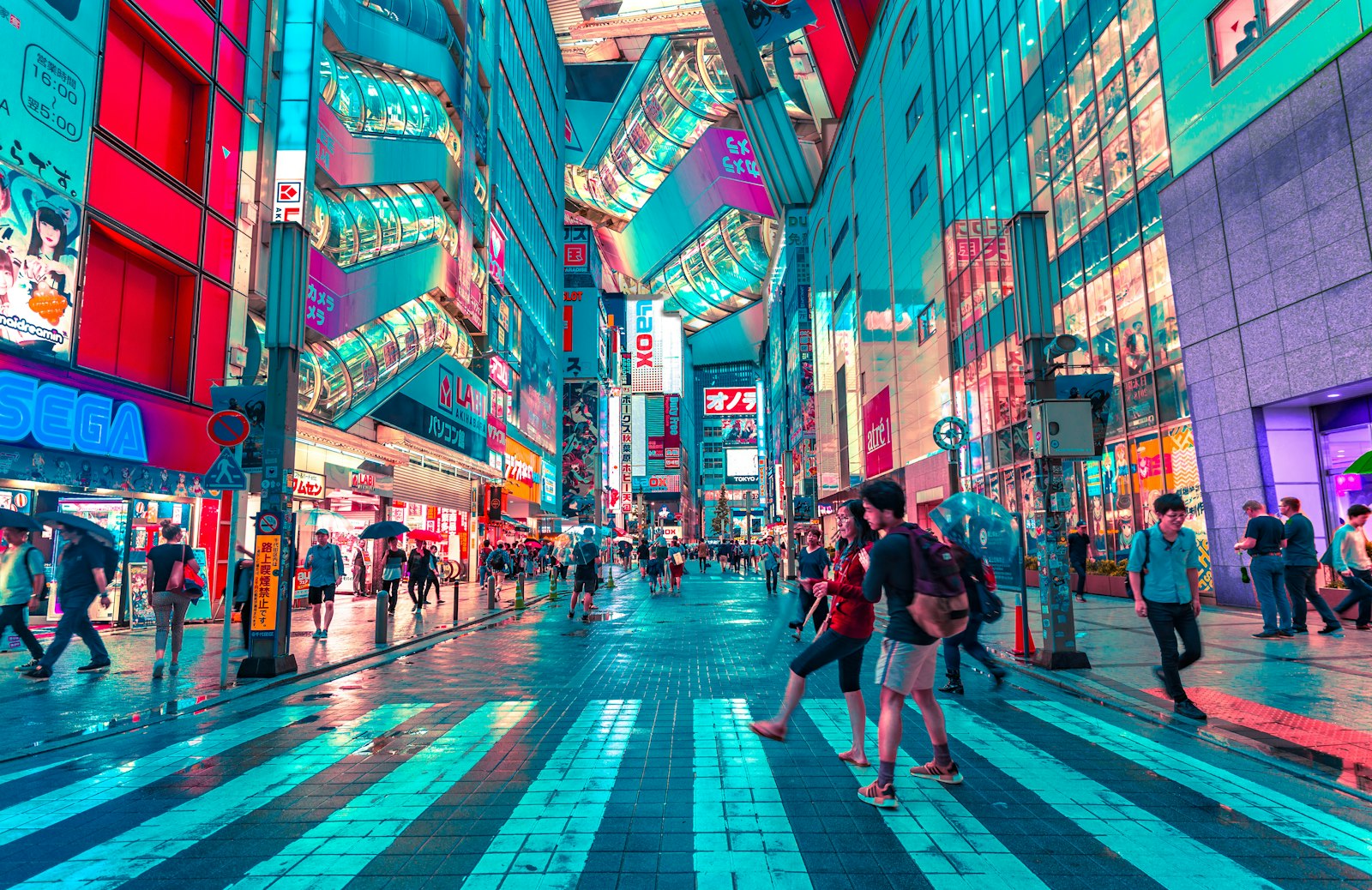
Tokyo is the world’s greatest city for solo travel. The combination of absolute safety (Tokyo consistently ranks in the top 3 safest cities globally), excellent single-serving dining culture, efficient public transport, and a population that minds its own business while being quietly helpful when asked makes it genuinely perfect for independent exploration. This guide covers everything a solo traveller needs to know.
🏨 Where to Stay
Capsule Hotels — The Quintessential Solo Experience
Capsule hotels are a Japanese invention designed specifically for single travellers — a sleeping pod (roughly 2m × 1m × 1m) with a curtain or sliding door, bedside light, power outlet, and often a TV, set in a building with shared bathrooms, lounges, saunas, and often excellent restaurant facilities.
The best Tokyo capsule hotels:
The Millennials Shibuya — Designer capsule pods with motorised bed mechanisms, a co-working lobby, and a social dining hour. ¥5,000–¥8,000 per night. The lounge is genuinely social and meeting other travellers is easy.
Nine Hours Shinjuku-North — The most architecturally refined capsule hotel in Japan — pure white, minimalist, perfectly proportioned. ¥5,500–¥7,500. Separate men’s and women’s floors; excellent shower facilities.
Khaosan World Asakusa — A hybrid hostel/capsule in Asakusa with dormitory beds from ¥3,000 and private capsules from ¥5,500. The rooftop is communal and the location puts you 5 minutes from Senso-ji.
Budget Hotels
APA Hotel — Omnipresent business hotel chain with reliable, clean single rooms from ¥6,000. Every room has a bath, a small desk, and everything you need. Not stylish, but entirely functional.
Dormy Inn — Mid-range business hotel chain with natural hot spring baths (onsen) in the basement — a significant upgrade from APA for a modest price premium (from ¥8,000). The Shibuya and Shinjuku branches are excellent.
🍜 Solo Dining Culture
Japan has the finest solo dining culture on earth. The concept of dining alone is not only accepted but catered for with extraordinary precision.
Ramen — Perfect Solo Food
Ramen shops are built for solo diners: counter seating, fast service, no need to order in advance, and the bowl arrives within 5 minutes. Ichiran (multiple locations) has taken solo dining to its logical extreme — individual booths with privacy screens so you can eat facing a wall in complete, blissful solitude. Order via a paper form, eat undisturbed, pay via a slot under the screen.
Fuunji (Shinjuku) — 10 counter seats, tsukemen dipping ramen, line forms before opening. A solo Tokyo institution.
Sushi — Standing Bars
The standing sushi bar (tachinomi sushi) is the finest solo dining experience in Japan: stand at a counter, point to what you want in the glass case, it is pressed and handed to you, you eat standing, pay when done, leave. No booking, no minimum spend, total control.
Tsukiji Outer Market has six such bars. Arrive before 8:30 am.
Izakaya Solo — Counter Seats
Request kaunta-seki (カウンター席 — counter seat) when entering any izakaya and you’ll be seated at the bar, often directly facing the kitchen. This is the optimal solo dining position: you can watch the cooking, speak with the chef if they feel like it, and eat at your own pace with no awkwardness about a table for one.
Gyudon & Teishoku Chains
The Japanese fast-food chains Yoshinoya, Matsuya, and Sukiya serve gyudon (beef bowl over rice) from ¥400 and are open 24 hours. These are where Tokyo’s night-shift workers, taxi drivers, and students eat at 3am — efficient, genuinely tasty, and entirely un-intimidating for solo ordering (photo menus or ticket machines at the entrance).
🚇 Independent Exploration
Day-by-Day Approach
Tokyo rewards a neighbourhood-by-neighbourhood approach. Each area has a completely different character, and a day in one neighbourhood is enough to understand it:
- Monday — Asakusa (Senso-ji, Sumida riverbank, Nakamise)
- Tuesday — Shibuya (crossing, Daikanyama, Nakameguro canal walk)
- Wednesday — Shinjuku (Gyoen, Golden Gai, Memory Lane)
- Thursday — Ueno (zoo, national museum, Ameyo-ko market)
- Friday — Akihabara (electronics, arcades) → Kanda (old bookshops, soba)
- Saturday — Harajuku (Meiji Jingu, Omotesando, vintage)
- Sunday — Day trip: Mt. Takao or Kamakura
Solo Day Trips
Mt. Takao — 50 minutes from Shinjuku by direct Keio Line train (¥390). Hike up, eat at the summit, descend by cable car. An entirely solo-friendly mountain with English trail signage and maps. The monks at Yakuo-in temple accept visitors regardless.
Kamakura — 1 hour from Tokyo by JR. The Great Buddha (Kotoku-in), Hase-dera’s 9-metre Kannon statue, the cliff-carved cave shrines of Zeniarai Benten, and Tsurugaoka Hachimangu — a half-day of temple exploration followed by grilled squid and clams on the beach. Solo-perfect.
Nikko — 2 hours by Tobu Line from Asakusa. The most elaborately ornamented shrine complex in Japan, in a forest above a mountain town. A full day alone with the Tosho-gu mausoleum, the Rinno-ji temple, and the Kegon waterfall.
🌙 Solo Nightlife & Evening Culture
Golden Gai — Solo Drinking Culture
Shinjuku’s 200-bar quarter, where each bar seats 6–10 people and the bartender sets the conversational tone. Many Golden Gai bars specifically welcome solo international visitors — several have English menus or chalkboard introductions. Walking the alleys, choosing a bar by the music playing inside, and spending 2 hours talking to whoever is sitting next to you is one of Tokyo’s great solo experiences.
Bar Albatross (Golden Gai) — 3 floors in a building barely wider than a person; one of the few Golden Gai bars with standing room on the lower levels; photographs well; genuinely welcoming.
Jazz Bars
Tokyo has an extraordinary live jazz culture — small clubs where world-class musicians play for 30–60 people starting at 20:00.
Cotton Club (Tokyo Midtown, Marunouchi) — Concert-format jazz club with international artists; tickets ¥5,000–¥15,000.
Blue Note Tokyo (Minami-Aoyama) — The Tokyo venue of the New York institution; major touring artists; tickets ¥7,000–¥20,000.
Sometime (Koenji) — A tiny neighbourhood jazz bar, 20 seats, local and semi-professional players, from ¥2,000 with a drink. The atmosphere is intimate and the music is excellent.
Solo Cinema Culture
Tokyo has an excellent cinema culture, with several screens showing foreign films in their original language. Toho Cinemas Shinjuku (16 screens) and Bunkamura Theatre Cocoon (Shibuya, arthouse) show films in English regularly. Buying a single seat in Tokyo cinema is completely normal and the reclining seats at premium screens are a genuine solo luxury.
🛡️ Safety Tips
Tokyo is one of the safest cities in the world for solo travellers of all genders:
- Lost property returns to the owner in Tokyo at a rate that astonishes visitors from every other country: wallets, phones, and cameras left on trains are turned in to station offices and held until claimed
- Solo women can walk virtually anywhere in Tokyo at any hour with greater safety than in most Western cities; the only area requiring moderate awareness is Kabukicho (Shinjuku’s entertainment district) after midnight, where touts can be persistent
- Police boxes (koban) are stationed throughout every neighbourhood — if lost, confused, or uncomfortable, a koban officer will help without question
- Emergency number: 110 (police), 119 (ambulance/fire)
💴 Solo Budget Guide
| Category | Budget | Mid-Range | Comfortable |
|---|---|---|---|
| Accommodation | ¥3,000–¥5,000 (capsule/hostel) | ¥8,000–¥15,000 (business hotel) | ¥20,000+ (boutique hotel) |
| Breakfast | ¥200–¥500 (konbini) | ¥800–¥1,500 (café) | ¥2,000+ (hotel) |
| Lunch | ¥600–¥1,200 (ramen/teishoku) | ¥1,500–¥3,000 (restaurant) | ¥5,000+ (kaiseki lunch) |
| Dinner | ¥1,000–¥2,000 (izakaya) | ¥3,000–¥6,000 (restaurant) | ¥15,000+ (omakase) |
| Transport | ¥500–¥1,000/day (IC card) | Same | Same |
| Daily total | ¥7,000–¥12,000 | ¥15,000–¥25,000 | ¥40,000+ |
Practical Tips for Solo Travellers
- Pocket WiFi from the airport (¥300/day) or a data SIM is essential — Google Maps + Google Translate camera function covers almost all navigation and menu challenges
- IC card (Suica) loaded with ¥5,000 covers a week of train travel; top up at any station machine
- Most museums and major attractions have English audio guides — ask at the ticket counter
- The solo supplement doesn’t really exist in Tokyo: single rooms are standard at business hotels and ryokan without the penalties common in European accommodation
- Rainy days in Tokyo are excellent: the museum collections, indoor food markets, and book shops are all better experienced without summer crowds, and cafés welcome lingering customers