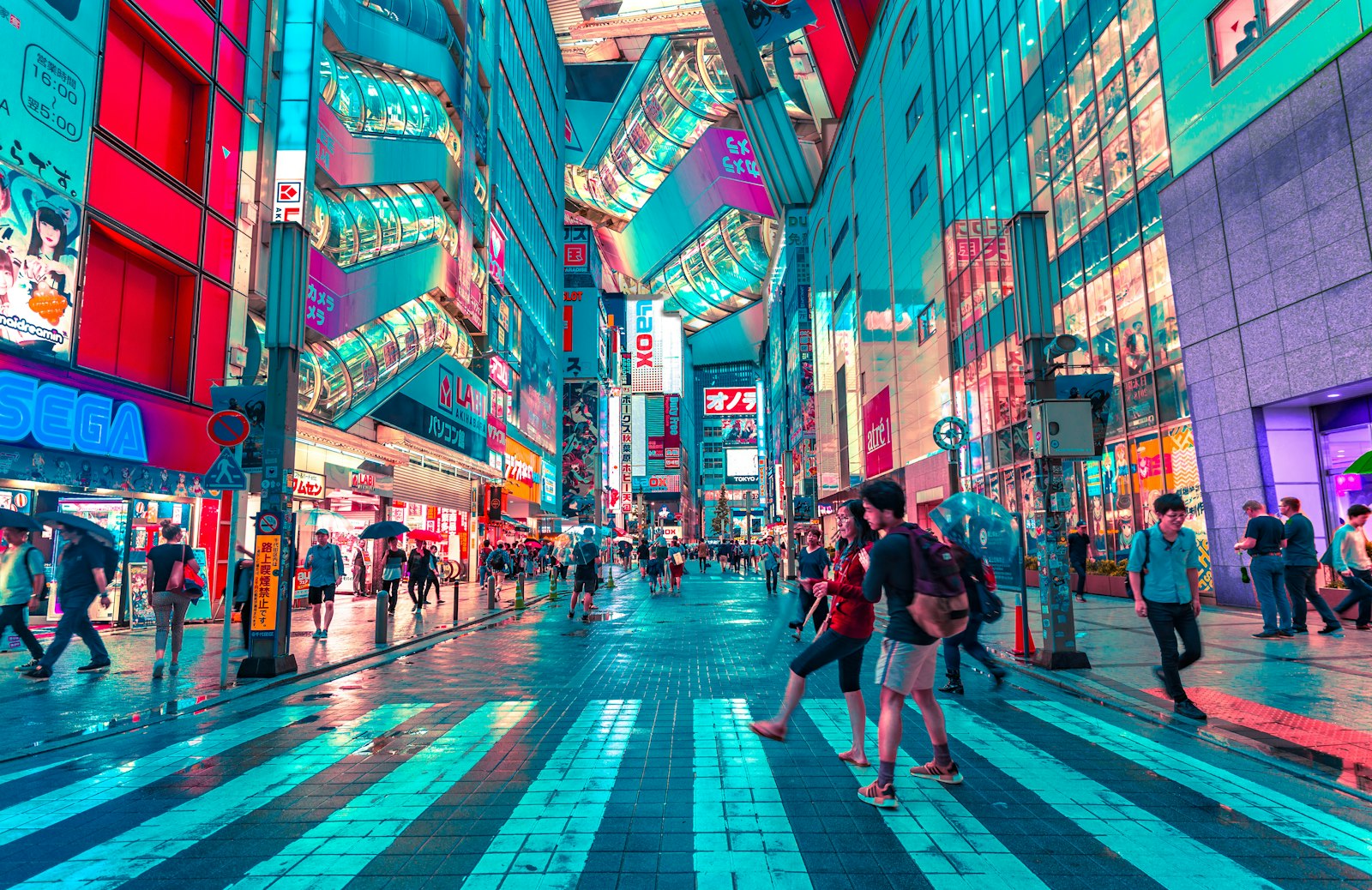
Tokyo is one of the most sightseeing-dense cities on earth — but it rewards those who venture beyond the famous photo spots. This guide covers the 20 best places to visit, including a handful of genuine hidden gems that most tourists miss entirely.
1. 浅草寺 — Senso-ji Temple & Asakusa
Access: Asakusa Station (Tokyo Metro Ginza Line, Toei Asakusa Line) Hours: Outer grounds always open; main hall 6:00–17:00 (Apr–Sep), 6:30–17:00 (Oct–Mar) Entry: Free

Tokyo’s oldest temple, founded in 628 AD, draws over 30 million visitors annually — and for good reason. The approach through Kaminarimon (Thunder Gate) and along Nakamise shopping street is one of the great urban walks in Asia. But the real secret is timing: arrive before 7:00 am and you’ll have the courtyard and incense smoke nearly to yourself, with the morning light painting the pagoda in gold.
Hidden gems in the area:
- Hoppy Street (a block west of Senso-ji) — old-school yakitori and beer under red lanterns, almost entirely Japanese clientele
- Asakusa Engei Hall — a working variety theatre running traditional rakugo storytelling; foreigners are warmly welcomed and the atmosphere is irreplaceable
- Oku-Asakusa (the streets north of the temple) — a quiet residential neighbourhood of senbei rice cracker makers, old hardware shops, and the Kangi-in garden, virtually tourist-free even in peak season
2. 明治神宮 — Meiji Jingu Shrine
Access: Harajuku Station (JR Yamanote Line) — 2 min walk Hours: Sunrise to sunset (varies by season) Entry: Free (inner garden ¥500)
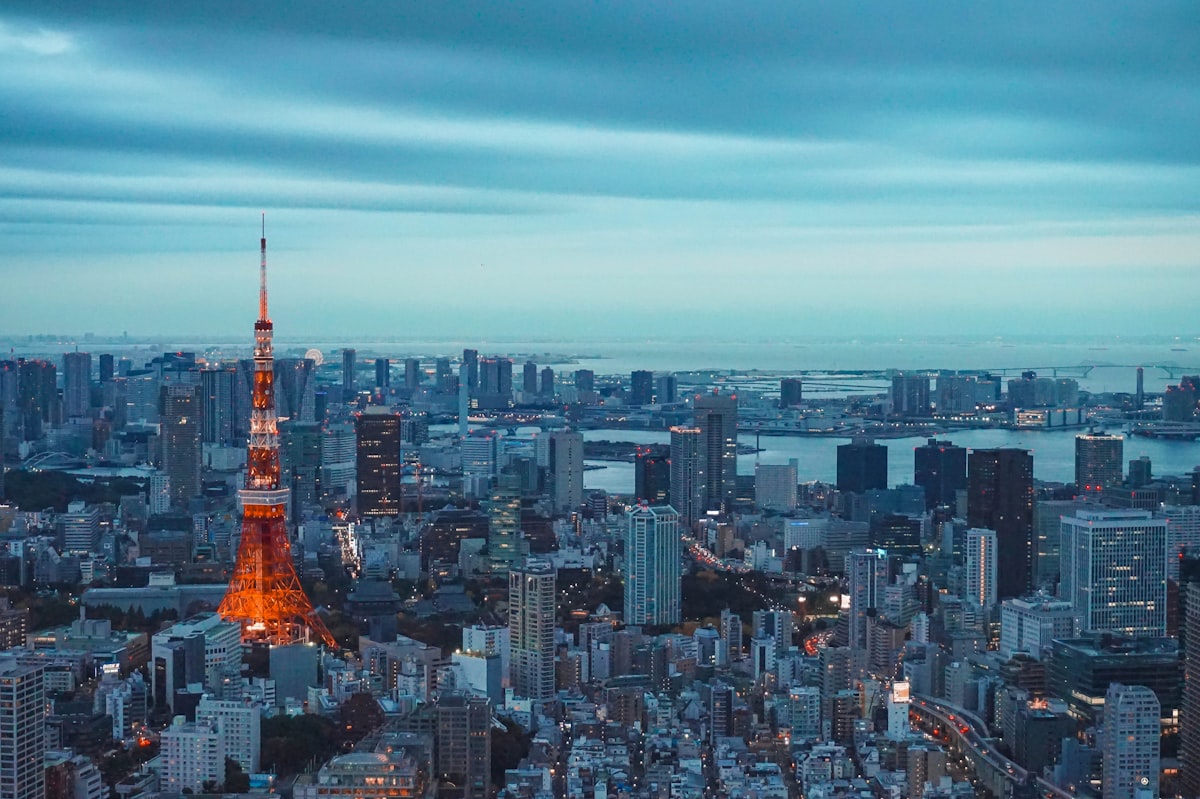
A Shinto shrine dedicated to Emperor Meiji and Empress Shoken, set within a 70-hectare artificial forest of 120,000 trees from across Japan — planted by volunteers in 1920 and now mature enough to feel ancient. The approach through the towering torii gates and along a gravel path through forest is extraordinarily calming for a site in the middle of a 14-million-person city.
Practical tips:
- The inner garden (Gyoen) is particularly beautiful in June for iris flowers and in autumn for foliage — less visited than the shrine itself
- Sunday mornings occasionally feature traditional wedding processions through the main grounds — a remarkable sight
- The treasure museum holds Emperor Meiji’s personal artefacts
3. 渋谷スクランブル交差点 — Shibuya Crossing
Access: Shibuya Station (multiple lines) — Hachiko Exit Hours: Always accessible Entry: Free
The world’s busiest pedestrian crossing — up to 3,000 people cross simultaneously during peak hours. The view from the Shibuya Scramble Square observation deck (Shibuya Sky, ¥2,000) or from the free Starbucks window seat on the second floor of Tsutaya directly opposite is essential.
Hidden gem nearby: Walk five minutes south of Shibuya Station to find Daikanyama — a low-rise neighbourhood of independent bookshops (Daikanyama T-Site is one of the world’s most beautiful bookstores), boutiques, and dog-friendly cafes that feels like a different city entirely.
4. 東京スカイツリー — Tokyo Skytree
Access: Oshiage Station (Tobu Skytree Line, Tokyo Metro Hanzomon Line) Hours: 10:00–21:00 Entry: ¥2,100 (350m deck) / ¥3,100 (450m deck)
At 634 metres, the world’s second-tallest structure offers clear views of Mt. Fuji on winter mornings (December–February before noon), the entire Kanto plain, and — on a perfect day — all the way to the Boso Peninsula. The Tembo Galleria glass spiral at 450m is genuinely vertiginous.
Tip: Skip the on-site queues by booking online. On overcast days, go instead to the free views at Bunkyo Civic Center (Korakuen, 25th floor, no queue, no charge) which on clear days also frames Mt. Fuji perfectly.
5. 根津神社 — Nezu Shrine (Hidden Gem)
Access: Nezu Station or Sendagi Station (Tokyo Metro Chiyoda Line) — 5 min walk Hours: 6:00–17:00 Entry: Free (Azalea garden ¥200 in season)

Nezu Shrine is Tokyo’s answer to Kyoto’s Fushimi Inari — a chain of brilliant vermillion torii gates climbing a wooded hillside — but with a fraction of the crowd. Dating to 1705, this is one of Tokyo’s oldest remaining shrines, set in a forested valley that feels completely removed from the surrounding city.
The azalea garden (late April–early May) is one of Tokyo’s finest seasonal spectacles: 3,000 azalea bushes in bloom across the hillside, viewed through the torii tunnel, with almost no tourists in sight.
The neighbourhood: Combine Nezu Shrine with the surrounding Yanesen area (Yanaka + Nezu + Sendagi) — a grid of narrow lanes, old wooden shops, cats sunning on steps, and artisan workshops that represents the closest thing Tokyo has to its pre-war character.
6. 谷中 — Yanaka (Hidden Gem)
Access: Nippori Station (JR Yamanote Line, Keisei Line) — 5 min walk Hours: Always open (shops close by 18:00) Entry: Free
Yanaka survived the 1923 earthquake and the World War II firebombing that destroyed most of old Tokyo, leaving a neighbourhood of wooden machiya townhouses, old-fashioned shotengai shopping streets, family-run tofu and sembei makers, and more than 70 temples. Yanaka Cemetery, planted with cherry trees, is one of Tokyo’s quietest hanami spots.
Highlights:
- Yanaka Ginza shopping street — a 170-metre covered arcade of old-school shops; try the fresh menchi katsu at the butcher’s halfway along
- The Scai The Bathhouse contemporary gallery — a former 200-year-old public bathhouse converted into a world-class art space
- Kayaba Coffee — a landmark kissaten (old coffee shop) in a restored merchant house; the egg sandwich at lunch is a Tokyo classic
7. 新宿御苑 — Shinjuku Gyoen National Garden
Access: Shinjuku Gyoenmae Station (Tokyo Metro Marunouchi Line) or Sendagaya Station (JR Sobu Line) Hours: 9:00–16:00 (closed Monday) Entry: ¥500
Tokyo’s finest park — 58 hectares combining a French formal garden, an English landscape garden, and a Japanese stroll garden. The sakura season here (late March–early April) draws tens of thousands, but the atmosphere is refined, with alcohol prohibited (unlike Ueno), and the variety of cherry tree species extends the season longer than almost anywhere in the city.
The greenhouse is worth visiting in winter for its tropical plants; the Japanese garden’s teahouse area is peaceful on any weekday.
8. 浜離宮恩賜庭園 — Hamarikyu Gardens
Access: Shiodome Station (Yurikamome, Toei Oedo Line) or by waterbus from Asakusa Hours: 9:00–17:00 Entry: ¥300
A 250-year-old Edo-period feudal garden where the old Tokugawa shogunate’s duck-hunting grounds meet the skyscraper skyline of Shiodome in one of Tokyo’s most photographically surreal settings. Tidal ponds are fed by Tokyo Bay, a traditional teahouse (300-year-old pine tree outside) sits in the middle of the largest pond, and the contrast with the glass towers visible over the stone walls behind is extraordinary.
The Nakajima no Ochaya teahouse serves matcha and wagashi sweets (¥710). Arrive by waterbus from Asakusa (¥780, 35 min) for the most scenic approach — watching the city skyline emerge from the water.
9. 上野公園 & 博物館 — Ueno Park & Museums
Access: Ueno Station (JR Yamanote, Keihin-Tohoku; Tokyo Metro Ginza, Hibiya) Hours: Park always open; museum hours vary Entry: Park free; Tokyo National Museum from ¥1,000
Ueno Park is Tokyo’s museum district — the Tokyo National Museum (Japan’s largest, with the world’s greatest collection of Japanese art), the National Museum of Western Art (Le Corbusier building, UNESCO Heritage), the Tokyo Metropolitan Museum of Fine Arts, the National Science Museum, and Ueno Zoo are all within a 10-minute walk.
Hidden gem: The Ueno Tosho-gu Shrine in the northeast corner of the park — a Nikko-style gilded shrine with almost no visitors despite being one of Tokyo’s most ornate buildings, dedicated to Tokugawa Ieyasu.
10. 代官山 T-SITE — Daikanyama T-Site (Hidden Gem)
Access: Daikanyama Station (Tokyu Toyoko Line) — 5 min walk Hours: 7:00–02:00 Entry: Free
Considered one of the world’s most beautiful bookshops, this three-building complex by architect Tsutaya is organized around design, photography, travel, and music. The magazine library upstairs stocks every significant global publication. The Anjin lounge in the basement, styled as a 1960s salon with vintage furniture and a 3,000-volume library, serves cocktails until 2am and is one of Tokyo’s finest date spots.
The surrounding Daikanyama neighbourhood has the highest concentration of small, independent boutiques and garden cafes in the city.
11. 神楽坂 — Kagurazaka (Hidden Gem)
Access: Kagurazaka Station (Tokyo Metro Tozai Line) or Iidabashi Station (JR, Tokyo Metro multiple lines) Hours: Always accessible; restaurants busiest evenings Entry: Free
Once a geisha district serving the old Tokyo Imperial University, Kagurazaka is now Tokyo’s most atmospheric neighbourhood for evening dining — a hillside maze of stone-paved alleyways (yokocho), traditional ryotei, French bistros, and artisan shops. The French connection is real: the Alliance Française is nearby, and some streets feel genuinely Parisian in character, with bakeries, fromageries, and terrace cafes.
Highlights:
- Akagi Shrine — a contemporary redesign by architect Kengo Kuma within the old shrine precinct, with a café inside the torii
- The Kagurazaka yokocho alleys (Geisha Alley and surrounding lanes) — the most photogenic stone-paved back streets in Tokyo
- The twice-weekly Kagurazaka Mitsuke market (Saturday and Sunday mornings) for fresh vegetables and antiques
12. 東京国立博物館 — Tokyo National Museum
Access: Ueno Station — 15 min walk through the park Hours: 9:30–17:00 (Friday/Saturday until 21:00); closed Monday Entry: ¥1,000 (permanent), special exhibitions extra
Japan’s oldest and largest museum, with 120,000 objects representing 12,000 years of Japanese cultural history. The Honkan (Main Hall) is a treasure of pre-modern Japan — samurai armour, Buddhist sculpture, ukiyo-e woodblock prints, and Edo-period lacquerware. The Horyuji Homotsukan gallery houses artefacts from the 7th-century Horyuji Temple, including the finest early Buddhist art outside Nara.
Practical tip: Friday and Saturday evenings (after 17:00) the museum is almost empty — a rare chance to spend time alone with masterpieces.
13. 秋葉原 — Akihabara
Access: Akihabara Station (JR Yamanote Line, Sobu Line; Tokyo Metro Hibiya Line) Hours: Shops open from 10:00–11:00; closes ~20:00 Entry: Free
The global capital of consumer electronics, anime, manga, retro gaming, and maid cafes — Akihabara’s main street (Chuo-dori, closed to traffic Sunday afternoons) is an assault on the senses. But the real finds are in the smaller side streets and multi-story buildings: Super Potato (multiple floors of retro Famicom and PlayStation games), Yodobashi Camera (8-floor electronics megastore), and the hidden idol merchandise stores in the upper floors of unlabelled buildings.
14. チームラボ プラネッツ — teamLab Planets
Access: Shin-Toyosu Station (Yurikamome Line) — 5 min walk Hours: 9:00–21:00 (hours vary) Entry: ¥3,200 (advance booking recommended)
An immersive digital art experience that has become one of Tokyo’s most Instagrammable attractions — but it genuinely earns the hype. Visitors walk barefoot through rooms filled with mirrored floors of lotus flowers, infinite digital waterfalls, and light installations that react to movement. The Crystal Universe room, filled with 60,000 LED lights, and the Floating in the Falling Universe of Flowers installation are particularly spectacular.
Book well ahead — especially on weekends and Golden Week; same-day tickets are rarely available.
15. 皇居東御苑 — Imperial Palace East Gardens
Access: Otemachi Station (Tokyo Metro multiple lines) or Nijubashimae Station (Tokyo Metro Chiyoda Line) Hours: 9:00–16:00 (closed Monday and Friday) Entry: Free
The inner gardens of the Imperial Palace — once the Edo Castle keep — are open to the public and largely overlooked by tourists who photograph the Nijubashi bridge from outside and leave. The garden contains the stone foundation of the 17th-century Edo Castle’s tallest tower (destroyed by fire in 1657), the oldest Ninomaru garden in Tokyo, and excellent seasonal flowers. On clear days, the palace moat reflects the stone walls perfectly.
16. 下北沢 — Shimokitazawa (Hidden Gem)
Access: Shimokitazawa Station (Odakyu Odawara Line, Keio Inokashira Line) Hours: Shops from 12:00; bars until late Entry: Free
Tokyo’s bohemian heartland — a tangle of narrow streets packed with second-hand record shops, vintage clothing stores (100+ in the area), small live music venues, theatre boxes, and independent cafes. Japan’s indie music scene was essentially born here. Sunday afternoons feel like a giant, very stylish neighbourhood festival.
Must-dos:
- Flamingo or Chicago vintage clothing stores for affordable Japanese and American vintage
- Disc Union Shimokitazawa for Japanese pressings and rare records
- One of the tiny live music spots (Shelter, Three, Club Que) for a ¥2,000 show with incredible Japanese indie bands nobody has heard of yet
17. お台場 — Odaiba
Access: Yurikamome Line from Shimbashi; or Rinkai Line from Osaki/Shin-Kiba Hours: Attractions vary; waterfront always accessible Entry: Varies
Tokyo’s artificial island in Tokyo Bay offers a different scale of the city — waterfront promenades with the Rainbow Bridge lit at night, the iconic digital Statue of Liberty replica, and the extraordinary Odaiba Seaside Park view of the downtown skyline. The teamLab Borderless digital art museum is here (recently relocated to Azabudai Hills), and DiverCity Tokyo contains the life-size Gundam statue outside.
Less crowded gem: The Odaiba Seaside Park at sunset on a weekday, facing back toward Tokyo and the Rainbow Bridge, is one of the finest free views in the city.
18. 高幡不動尊 & 深大寺 — Temple Towns in the West (Hidden Gem)
Access: Takahata-Fudo Station (Keio Line) / Chofu Station (Keio Line) then bus to Jindai-ji Hours: Grounds always open; shops 10:00–17:00 Entry: Free
Two temples on the western edge of Tokyo that draw almost entirely Japanese visitors: Takahata-fudo Kongoji (an ancient Shingon Buddhist temple with fine esoteric sculpture) and Jindai-ji Temple (one of Tokyo’s oldest, surrounded by a village of soba restaurants that have been here for 400 years). Jindai Botanical Garden next door is one of Tokyo’s finest, free, and contains 800 types of plant.
19. 東京国際フォーラム — Tokyo International Forum
Access: Yurakucho Station (JR Yamanote Line) or Tokyo Station (JR multiple lines) Hours: Always accessible; Antique Market 10:00–16:00 on specific days Entry: Free
Raphael Viñoly’s glass atrium building (1997) is one of Tokyo’s most extraordinary pieces of architecture — an 8-floor ship-hull of glass and steel rising above the JR tracks, with natural light flooding through the 60-metre glass roof. Free to enter.
Secret: On first and third Sunday of the month, a massive antique and flea market fills the plaza outside — one of the best in Tokyo for Meiji-era lacquerware, military memorabilia, vintage cameras, and old ukiyo-e prints.
20. 高円寺 — Koenji (Hidden Gem)
Access: Koenji Station (JR Chuo-Sobu Line) — direct exit into the shopping streets Hours: Shops from 12:00; open late Entry: Free
Koenji is Shimokitazawa’s older, rougher sibling — a neighbourhood built around the best collection of second-hand clothing shops in Japan, a thriving live punk and jazz music scene, old-school izakayas, and Buddhist temples that attract neither tourists nor guidebook cameras. The shopping arcade running south of the station (Pal shopping street) is all vintage clothing, Buddhist antiques, and record shops.
Awa Odori Festival (late August) — Koenji’s famous bon dance festival brings 120,000 performers and a million spectators over two days, and is one of the most energetic and genuinely local festivals in Tokyo.
Practical Tips for Sightseeing in Tokyo
- Morning visits (7–9 am) transform the most crowded spots — Senso-ji, Meiji Jingu, and Tsukiji Outer Market are all best at dawn
- IC card (Suica/Pasmo) works on every form of public transport and in most convenience stores
- Most major sights have English signage; Google Maps works perfectly for transit navigation
- The Tokyo Metropolitan Government Building in Shinjuku has free observation decks (twin towers, north and south, 45th floor) open until 23:00 — the single best free elevated view in the city
- Many temple and shrine grounds are free to enter and open 24 hours — night photography is excellent at Senso-ji and Nezu Shrine