Most visitors to Wakayama follow the same axis: Koyasan, Shirahama, Nachi Falls. These are the sites that have earned their fame. But Wakayama is a large, mountainous, sparsely populated prefecture — the least densely settled prefecture in Kinki — and the vast majority of it receives essentially no foreign tourism. The river gorges of the interior, the old merchant towns of the coast, the hillside plum orchards that bloom before anyone in Osaka notices, the temple firefly meadows: these places are available to any visitor willing to do a bit of research and not arrive expecting English signage. This guide points toward that other Wakayama.
🚣 Dorokyo Gorge — The Limestone Wilderness
Access: Bus from JR Shingu Station to Dorokyo (approximately 1 hr, ¥2,060); boats depart Dorokyo Embarkation Point Boat fare: ¥1,310 (30-min upstream trip) | Season: April–November
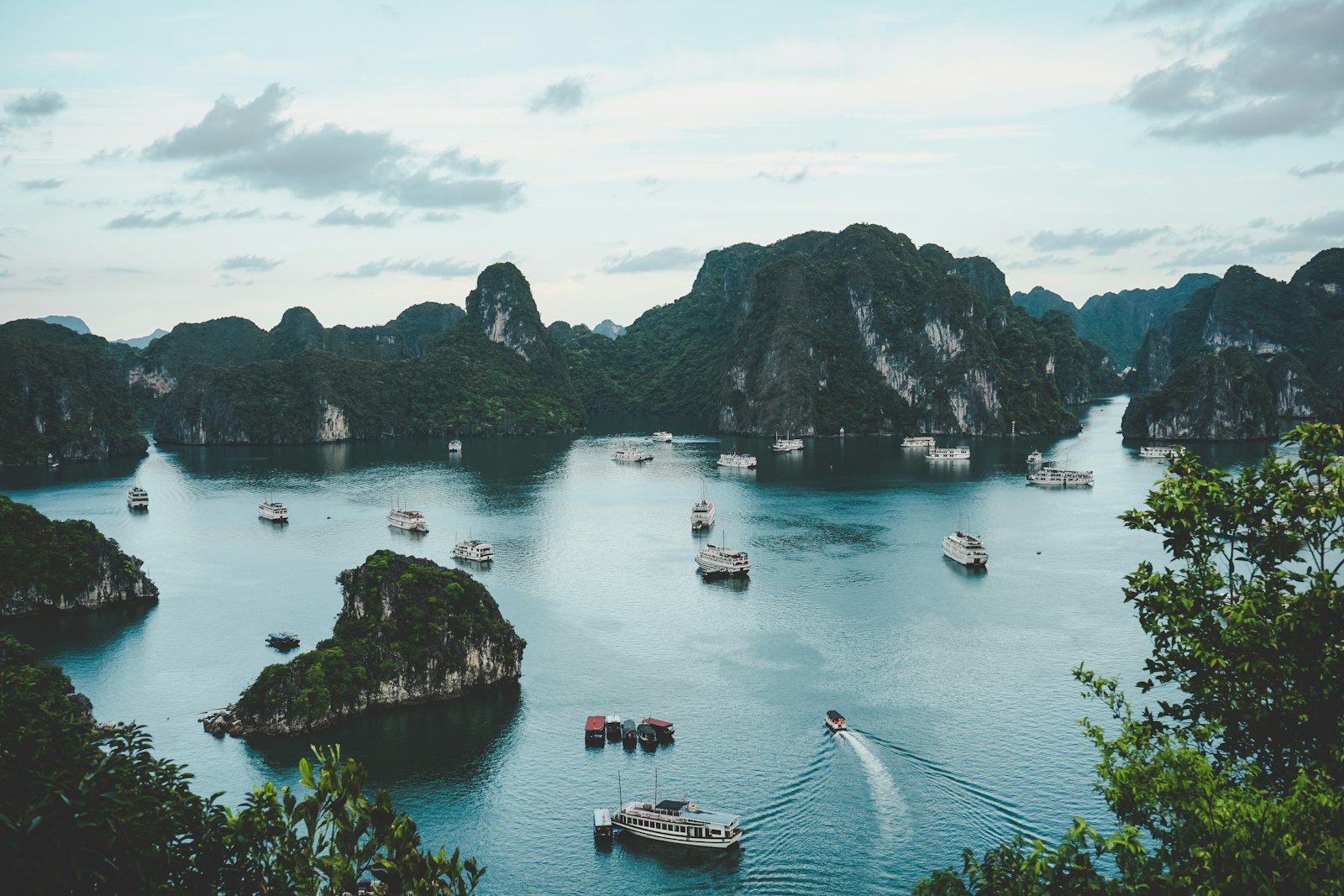
Dorokyo Gorge, on the Kitayama River forming Wakayama’s border with Mie Prefecture, is one of the most dramatic river landscapes in Japan — sheer limestone walls rising 100 metres above a river that has cut its channel over millions of years into the Kii Peninsula’s ancient rock. The gorge is narrow enough that in places the cliff walls are separated by only a few boat-widths, the rock faces draped in ferns and moss where seepage keeps them perpetually damp.
What makes Dorokyo genuinely hidden is not its access difficulty (the bus from Shingu is straightforward) but the almost total absence of the international tourism infrastructure that would flag it in standard travel media. Almost no foreign visitors go here. The boatmen who pole and row the flat-bottomed wooden craft upstream through the gorge’s sections have been doing this work for generations; the mountains above the gorge are primary forest that has never been commercially logged because no road ever reached it.
The 30-minute upstream tour is the basic option (¥1,310); longer gorge boat trips following the full navigable section (¥5,200; 2 hours) allow access to the gorge’s deepest and most dramatic sections. The season runs April through November; summer (July–August) is swimmable in the river pools outside the gorge proper, where local families come to escape the heat.
Getting the most from Dorokyo: The gorge’s best conditions are morning (before noon) when the sun catches the cliff faces rather than leaving them in shadow. The bus schedule allows a 9:00am boat departure from Shingu with an 8:00am bus.
🏔️ Totsukawa Village — Japan’s Largest Village
Access: Bus from Gojo Station (JR Wakayama Line, approx. 3 hr); or from Shingu Station (2 hr via mountain road); internal circulation by local bus only Character: Extreme remoteness; no train service; English almost entirely absent
Totsukawa Village is Japan’s largest village by land area — 672 square kilometres of mountain river valley with fewer than 1,800 permanent residents, no train connection, and a geography so rugged that the entire inhabited area is concentrated along the single river corridor of the Totsukawa River. It has exactly the character of profound rural isolation that travellers who have exhausted Japan’s accessible destinations often search for.
The village is famous locally for its scattered onsen clusters (see onsen guide), but the deeper appeal is the quality of the landscape itself: a river valley lined with cedar and cypress forest, traditional farmhouses with steeply pitched roofs adapted to heavy winter snow, and the complete absence of commercial development. The single road through the valley passes through hamlets of 20–30 houses where the local store is also the post office and the petrol pump; where everyone over 50 knows everyone else.
What to do: The Totsukawa Suspension Bridge (谷瀬の吊り橋, Tanize no Tsurihashi) at Tanize hamlet is the longest pedestrian suspension bridge in Japan by some measures — 297 metres spanning the Totsukawa Gorge at 54 metres above the river. It sways distinctly in wind and is frightening to people who discover they are afraid of heights halfway across. The views of the gorge are extraordinary. The nearby Uguisuhara Sightseeing Orchard sells direct-farm mountain peaches and plums in season (July–August).
🌸 Minabe Plum Blossom Fields — Japan’s White February
Access: JR Kisei Line to Minabe Station (45 min from Wakayama); walking and bus options to orchard areas Season: Late January through mid-March (peak varies by year; typically first two weeks of February) Admission: Free for roadside viewing; some orchard walking courses ¥200–500
The Minabe-Tanabe Ume System — the landscape of plum orchards concentrated in this area — was designated a Globally Important Agricultural Heritage System by the UN in 2021. The designation recognises not just the scale (3.5 million plum trees) but the integrated relationship between the agricultural landscape, the native honey bee population that pollinates the orchards, and the local community that has maintained the system for centuries.
Walking through the Minabe valleys in early February when the plum trees are in full bloom — the hillsides turning white before cherry blossom has appeared anywhere in Japan — is a genuinely affecting experience. The scale is different from a cherry blossom hanami: no crowds of people picnicking under trees, no food stalls, just white-blossomed hillsides above you in every direction, a faint honey scent in the air, and the sound of bees working in temperatures that feel far too cold for bees. Almost no foreign visitors come.
The Minabe Plum Blossom Festival (Ume Matsuri) is held in the town in mid-February with direct farm sales, plum wine tastings, and crafts stalls. Local producers sell umeboshi at prices 30–40% lower than city retail.
🪲 Hosenji Temple Fireflies — June Evenings
Access: JR Hanwa Line to Yamashita Station; approximately 20 min walk Season: Mid-June through early July | Hours: Best 8:30–10:00pm Admission: Suggested donation
Hosenji Temple in Izumi-Sano (just north of Wakayama city, technically in Osaka Prefecture but historically linked to the Wakayama corridor) hosts one of the finest easily accessible firefly viewings in the Kinki region during June. The temple’s wooded rear grounds and adjacent stream create ideal habitat: running clean water, damp vegetation, minimal light pollution (the temple turns off its outdoor lighting on firefly evenings). On a good night in mid-June, several hundred fireflies light the cedar grove in slow drifting pulses.
Further south in the Kumano interior, the valleys around Totsukawa and Nachi-Katsuura produce exceptional firefly displays in June — the dark river valleys entirely free of ambient light, with fireflies visible from the road along the Nachigatawa River in their thousands on warm, still evenings after 9:00pm. No admission, no facilities — just darkness and cold light drifting over moving water.
🏘️ Gobo Old Merchant District
Access: JR Kisei Line to Gobo Station (50 min from Wakayama)
Gobo was historically the commercial centre of southern Wakayama — a market town at the mouth of the Hidaka River where cedar logs floated down from the Koyasan mountains were loaded onto coastal trading vessels. The merchants who prospered from this trade built substantial machiya (lattice-front townhouses) along the main street in the late Edo and Meiji periods; a row of them survives on Juku-machi Street in largely unrestored condition, more authentically dilapidated than Nara’s tourist-polished Naramachi but arguably more atmospheric for it.
The Tanaka Jiyu Seijudo apothecary, operating from an 1856 wooden building, still sells traditional herbal remedies from behind wooden drawers unchanged since the Meiji era. The nearby Gobo Tenmangu Shrine has an excellent collection of historic ema (wooden votive tablets) in its storage room, occasionally displayed to visitors who ask at the shrine office.
🍊 Arida Mikan Direct Farm Buying
Access: JR Hanwa/Kinokuni Line to Arida Station; local bus to orchard areas Season: October–December for navel/late mikan; early mikan (Miyagawa Wase) from mid-October
The wholesale price of Arida mikan at the Arida Farmer’s Cooperative (JA Arida) market runs ¥200–400/kg during peak season. The same fruit in Tokyo supermarkets sells for ¥800–1,500/kg. The cooperative’s direct sales facility near Arida Station accepts individual buyers during the season with no minimum purchase — you can buy a single net bag (2–3 kg) or a full cardboard box (10 kg) for shipping home.
More interesting for visitors is the network of farms along the hillside roads above Arida City that sell from roadside stands — stopping at stands displaying hand-painted price boards and the day’s variety, paying cash into a wooden collection box in many cases, taking fruit that was on the tree that morning. This system of honour-box roadside selling (mukashi-ya or mujin-hanbai) is one of those rural Japanese institutions that feels entirely natural after about 30 seconds.
Practical Tips for Off-the-Beaten-Path Wakayama
Transport: Many of these locations require patience with infrequent bus schedules. The Wakayama Bus and Mie Kotsu bus networks cover the rural routes; schedules are online at Navitime (English available). Car rental from Wakayama City or Kii-Tanabe gives considerably more flexibility for the interior mountain areas.
Language: Foreign visitor infrastructure is minimal or absent at most of these locations. A translation app, a printed map, and willingness to gesture and smile productively are the required equipment. Most people encountered in rural Wakayama are genuinely pleased to interact with foreign visitors who have made the effort to reach them.
Best timing for multiple hidden gems: A 4-day itinerary combining Minabe plum blossom (February), an interior transit through Totsukawa to Dorokyo (spring or autumn), and Arida mikan buying (November) requires planning across seasons — but Wakayama is compact enough that dedicated visitors come back multiple times for exactly this reason.