Wakayama offers a honeymoon unlike anything in Europe or Southeast Asia — one shaped by ancient ritual, forested mountains, and a Pacific coastline of genuine drama. The prefecture’s combination of UNESCO pilgrimage trails, mountain temple villages, and Pacific-facing hot spring ryokan means a couple can move from the profound quiet of a Koyasan monastery breakfast to a candlelit room with an ocean-view private bath within a single day’s travel. The romanticism here is slow and earned: it comes from the effort of reaching remote places, from the particular quality of silence in cedar forests at dusk, from the intimacy of sharing a UNESCO-listed stone bath with a single other person.
⛩️ Koyasan — Temple Stay for Two
Access: Nankai Koya Line from Namba (Osaka) to Gokurakubashi (80 min), then cable car and bus Accommodation: 50+ shukubo (temple lodgings) available; book 1–2 months ahead for prime dates
A night in Koyasan shukubo is one of the genuinely irreplaceable Japanese experiences — something that cannot be replicated elsewhere, and something that a honeymoon gives you explicit permission to do well. The experience begins at check-in, when slippers and yukata robes appear and the sounds of the city are replaced immediately by the ambient silence of a mountain monastery. Rooms are tatami, meals are delivered course by course to the room in lacquer trays, and the engawa (veranda) of a good temple room opens onto a moss-and-stone garden that becomes increasingly beautiful as the afternoon light shifts.
Shojin Ryori — The Temple Dinner
Koyasan’s shojin ryori (Buddhist vegetarian cuisine) dinner is considered one of the finest plant-based meal traditions in the world — not austere deprivation but a sophisticated cuisine built from sesame tofu, mountain vegetables, pickled greens, miso soups of deep complexity, and precisely cooked rice. The courses arrive in lacquered boxes and individual bowls; the presentation is formal but not intimidating. A honeymooning couple eating this meal at a low lacquer table in a tatami room, with a garden visible through the shoji screen and temple bells audible at intervals, is experiencing something that Kyoto’s tourist-facing restaurants have been trying to simulate for decades.
Morning Service (O-tsutome)
Time: Typically 6:00–6:30am | Participation: Open to all guests
Waking before dawn to attend the morning service at your shukubo temple is optional but genuinely worthwhile for honeymooners who value experiences over sleep. The ceremony — priests chanting sutras in a candlelit hall, incense smoke rising, the resonance of a large prayer bowl struck at intervals — is meditative and ancient. After the service, guests receive a vegetarian breakfast; being outside walking to the Okunoin cemetery in the first morning light before any other visitors arrive is the Koyasan experience that most people describe as the defining moment of their Japan trip.
Which Shukubo to Choose
For romantic stays, the most atmospheric options are Eko-in (strong English support, excellent garden, ¥18,000–25,000/person with meals), Fukuchiin (1,200-year history, traditional architecture, stone garden, ¥16,000–22,000/person), and Muryoko-in (quieter location away from the main tourist street, excellent mountain vegetable dishes, ¥14,000–20,000/person).
🌊 Shirahama — Luxury Onsen Ryokan
Access: JR Kisei Line from Wakayama to Shirahama Station (1 hr 20 min); resort shuttle buses available Season for romance: Autumn (October–November) and spring (March–April) for mild temperatures and fewer crowds
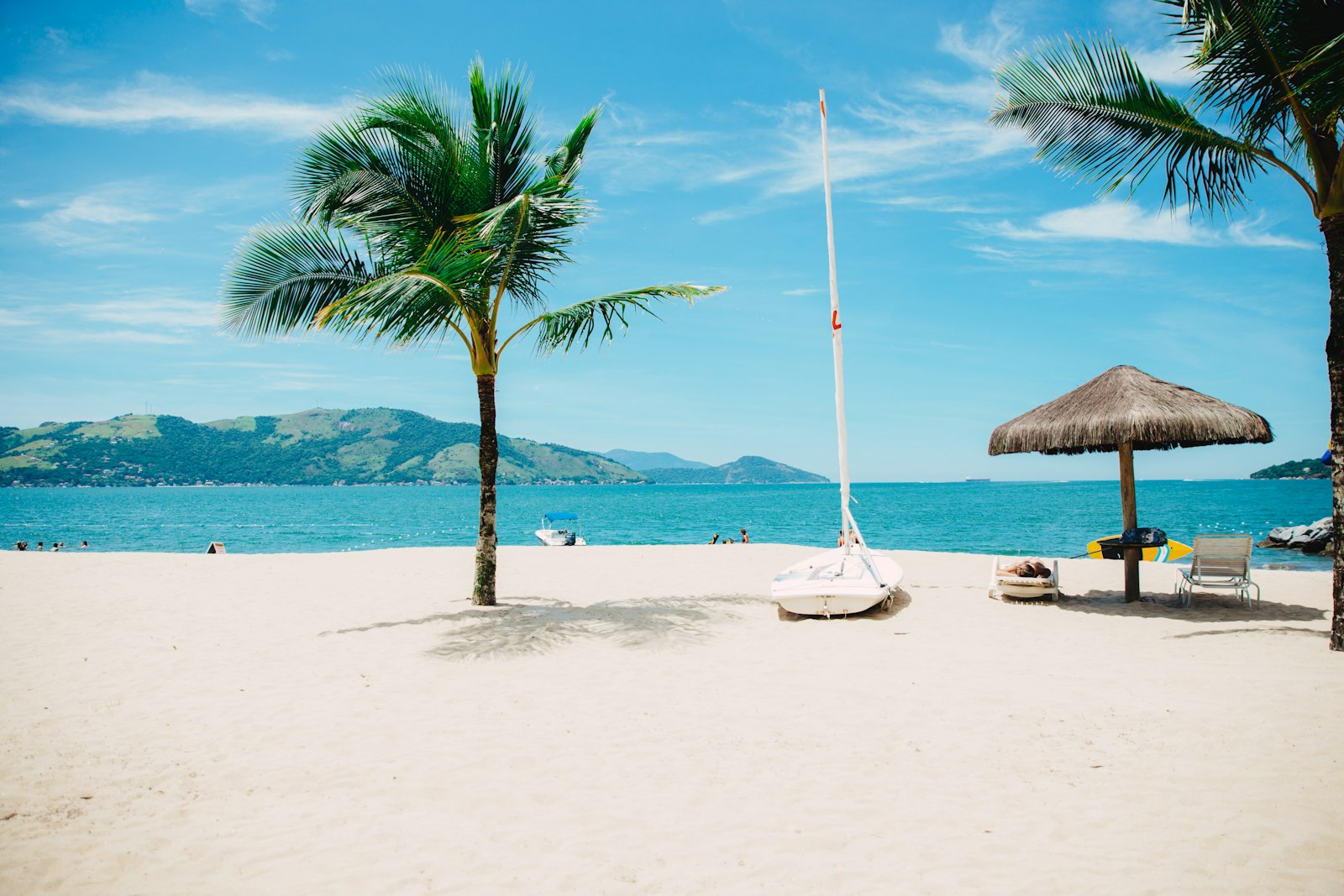
Shirahama’s Pacific-facing ryokan combine three things that make honeymoons memorable: unobstructed ocean views, private onsen attached to the room, and the particular quality of unhurried time that a good ryokan enforces through its complete lack of urgency. The town has been welcoming imperial visitors since the 7th century; the hot spring water flowing into modern ryokan baths is the same water that ancient court poems praised.
Private Onsen Rooms
The most romantic accommodation in Shirahama is a kairotenburo room — a room with a private outdoor hot spring bath on the veranda or in an adjoining garden space, with ocean views. Prices for these rooms range from ¥30,000–60,000 per person per night including kaiseki dinner and breakfast; they book quickly during the October–November autumn season and cherry blossom weekends. Hotel Seamore’s top-floor private bath suites and Sakurajima Ryokan’s cliff-edge garden bath rooms are the most spectacular options.
Sunset at Saki-no-yu: For couples staying in Shirahama, the outdoor public bath at Saki-no-Yu headland (¥470; open until 18:00) offers the most dramatic sunset in the region — the sun dropping into the Pacific from a rock-cut pool where the waves run below your feet. The bath is basic, the sunset is not.
🌋 Yunomine Onsen — UNESCO Cave Bath for Couples
Access: Bus from Hongu Taisha-mae bus stop (10 min); connection from JR Shingu by regional bus (1 hr 40 min total) Tsuboyu admission: ¥770 | Slot duration: 30 minutes | Booking: Queue at Azumaya communal bathhouse on arrival
The Tsuboyu cave bath at Yunomine — the only UNESCO World Heritage bathing facility in the world — is designed for exactly two people. The small wooden hut over a natural spring pool in the Yunomine River was built for pilgrim purification rituals 1,800 years ago, and a 30-minute private slot in the cave pool, with mineral-rich water that changes colour as you watch, is one of the most intimate and unusual shared experiences a couple can have in Japan.
The process is ritual: arriving at the Azumaya communal bathhouse to queue and receive your allocated time slot, walking across the small bridge to Tsuboyu, entering the tiny wooden structure together, and sharing the ancient spring for your 30 minutes before the next couple’s time begins. It is not opulent. The cave is natural stone; the pool is perhaps 1.5 metres across. But the combination of the water’s quality, its historical depth, and the specific privacy of that small space makes it uniquely affecting.
Stay at Azumaya: The Azumaya ryokan adjacent to Tsuboyu has operated for several generations and offers tatami rooms overlooking the Yunomine River (¥18,000–25,000/person with meals). The smell of sulphur mingles with cedar forest air; the sound of the river runs under the building. Booking 2–3 months ahead for autumn dates.
🌅 Sunrise at Kumano Nachi Taisha
Access: Bus from Nachikatsuura or Kii-Katsuura Station (25 min) Best timing: Arrive 30 minutes before sunrise; check local sunrise time for the date
The forested mountain approach to Kumano Nachi Taisha at first light — before the tour buses arrive, when the stone steps are clear of other visitors and mist rises from the valley below — is one of the most romantic and atmospheric spots in Japan. The 450 stone steps through ancient cedars, with the sound of Nachi Falls audible from the ascent, and the first sunlight catching the vermilion shrine buildings above the trees, provides a visual and sensory experience that rewards the 5:00am alarm.
The combination of a previous night in Nachikatsuura (a town of good seafood ryokan) with an early sunrise visit to the shrine, followed by tuna breakfast at the Katsuura fish market, makes for a compelling two-day romantic itinerary in the southern part of the prefecture.
⛵ Cape Shio-no-misaki — Sunset at Japan’s Southernmost Point
Access: JR Kisei Line to Shionomisaki-guchi Station or Kushimoto Station; taxi or bus to the cape Best timing: 60–90 minutes before sunset on a clear day
Cape Shio-no-misaki is the southernmost point of Honshu — the place where Japan’s mainland ends and the Pacific begins in earnest. Standing on the headland at sunset, with the historic 1873 lighthouse behind you and open ocean ahead, watching the sun lower over the subtropical palm forest of the cape, has a natural drama that is entirely unrelated to tourist infrastructure. The cape is quiet on weekday evenings; the drive or bus journey through the palm-lined coastal road in late afternoon light is itself part of the experience.
🛶 Kumano River Boat Cruise
Access: Boards at Shiko (near Hongu Taisha); access by bus from JR Shingu Station Duration: Approximately 2 hours downstream to Hayatama Taisha in Shingu Admission: ¥4,000–5,000 per person | Season: April–November
The traditional flat-bottomed boat journey (Sanpo-bune) down the Kumano River from Hongu Taisha toward the coast follows a route used by retired emperors making their Kumano pilgrimage over 1,000 years ago — the river was the final, ceremonial approach to the sacred shrines. Today the two-hour downstream journey through forested mountain gorge is one of the most serene slow-travel experiences in Japan: no engine noise, no schedule, nothing visible from the boat except forest, river, and sky. The guides provide commentary in Japanese; English explanations available on request.
Couples who combine the river journey with a morning visit to Kumano Hongu Taisha (the most interior of the three Grand Shrines, approached through primary forest) and an afternoon arrival in Shingu for dinner have experienced one of the finest travel days in the entire Kii Peninsula.
Practical Honeymoon Planning
Best season: October–November is ideal — cooler mountain air, autumn foliage in the Kumano and Koyasan forests, fewer summer crowds, and the clearest weather. March–April (cherry blossom) is beautiful but requires 3–4 months advance booking for top ryokan. Avoid mid-August (extreme heat, peak crowds at Shirahama).
Suggested 5-night itinerary: Night 1–2: Koyasan shukubo; Night 3: Shirahama private-bath ryokan; Night 4: Yunomine Onsen ryokan; Night 5: Nachikatsuura seafood ryokan with early Nachi Taisha visit next morning.
Booking advice: Private onsen rooms at premium Shirahama ryokan and Koyasan shukubo top-tier temples book 2–3 months ahead for peak seasons. The Tsuboyu bath at Yunomine operates first-come first-served queue system — arrive by 8:00am for same-day slots on busy days.