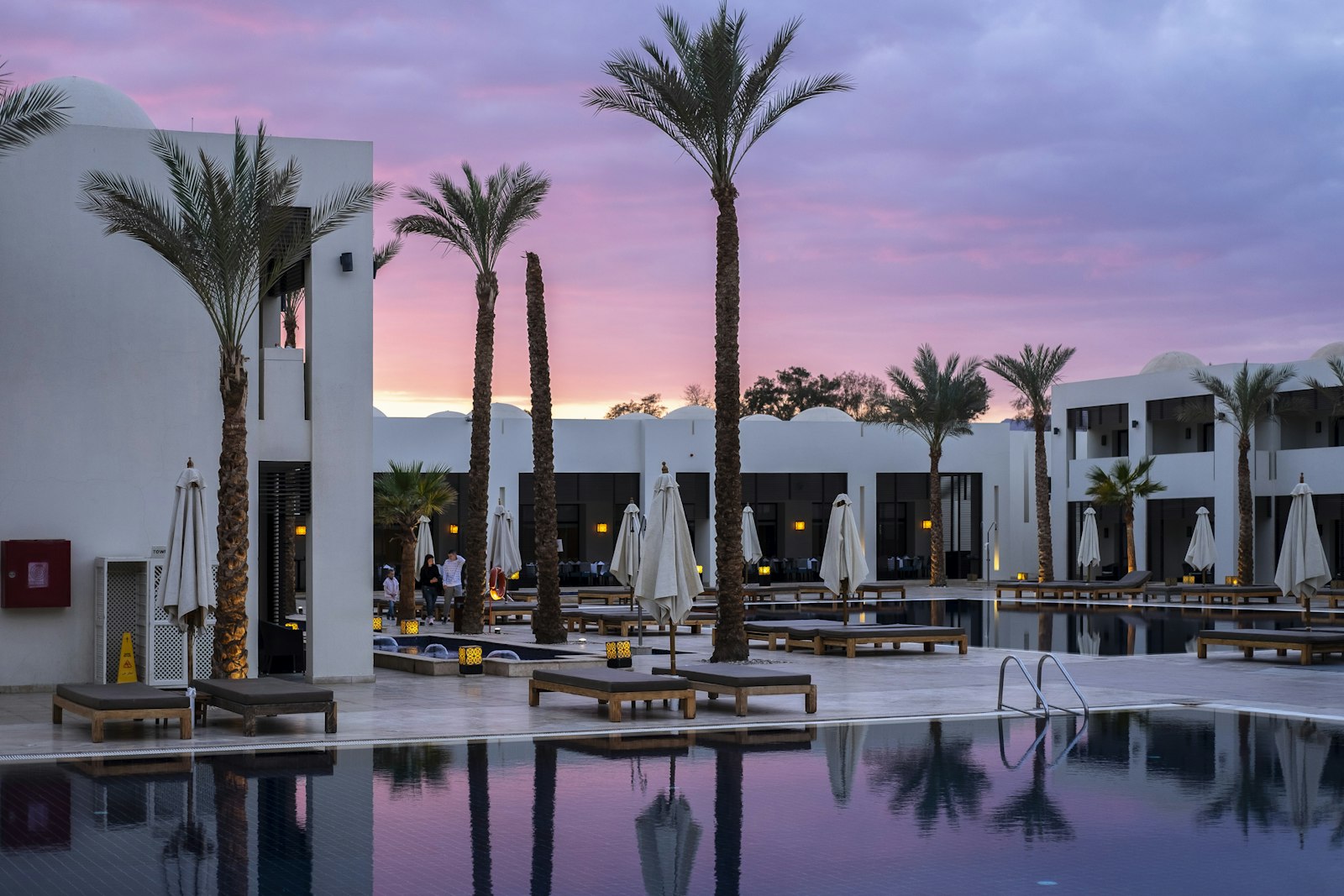
Wakayama’s accommodation landscape reflects the prefecture’s character precisely: ancient and unusual at the top, practical and unpretentious at the budget end, with a mid-range that favours ryokan and minshuku over business hotels. The most memorable places to sleep in Wakayama cannot be replicated in any other Japanese prefecture — a monastery bedroom at Koyasan where you wake to chanting at dawn, or a Yunomine riverside room where the smell of sulphur mixes with forest air through the open window, are genuinely singular experiences that justify the logistical effort required to reach them. Here is how to choose.
⛩️ Koyasan Shukubo — Temple Lodging
Price range: ¥10,000–25,000 per person per night, including dinner and breakfast Number of options: 52 temple lodgings as of 2025 Booking: Koyasan Tourist Association website (English); also on Jalan and Rakuten Travel (Japanese); some on Booking.com
Staying in a Koyasan shukubo is the defining overnight experience of the Kii Peninsula and one of the most distinctive things a visitor to Japan can do. Over 50 of Koyasan’s active temples accept overnight guests, providing tatami rooms, yukata robes, vegetarian shojin ryori dinner and breakfast, and access to the temple’s facilities including gardens and morning prayer service.
Choosing a Shukubo
Eko-in is the most foreigner-friendly option: English-speaking staff, active English social media presence, structured information about the morning service and temple activities, and competitive pricing (¥12,000–18,000/person with meals). It fills quickly for autumn season and should be booked 2–3 months ahead. The attached meditation garden is excellent.
Fukuchiin (福智院) is one of Koyasan’s oldest operating temples with a garden designed by the great landscape architect Kobori Enshu — a composition of rock, moss, and clipped trees viewed from a narrow veranda. The room quality is high and the atmosphere is emphatically traditional; ¥16,000–22,000/person. Advance booking essential.
Hojo-in is quieter and less internationally known, offering a more immersive experience for visitors who want fewer fellow foreign travellers; ¥10,000–14,000/person. The temple’s morning service is intimate (often only 2–4 guests).
Muryoko-in occupies a quieter corner of the plateau away from the main temple street, with excellent mountain vegetable dishes and a peaceful outer garden; ¥14,000–20,000/person.
Budget tip: The least expensive shukubo options cluster around ¥10,000–11,000/person and include the full dinner and breakfast. This is outstanding value for any accommodation in Japan. The meal quality is uniformly high regardless of price; the room quality and garden views vary more.
🌊 Shirahama Luxury Onsen Hotels
Access: JR Kisei Line to Shirahama Station; hotels provide shuttle buses Price range: ¥15,000–80,000+ per person per night with meals
Shirahama’s resort hotel landscape ranges from large-scale modern facilities with infinity pools and multiple restaurants to traditional ryokan with private garden baths and personalised service. All are built around the same 1,300-year-old hot spring water.
Top Picks
Hotel Seamore is Shirahama’s largest premium hotel, with 200+ rooms ranging from standard ocean-view doubles to private-bath suites. The main onsen floor faces the Pacific; private bath room options exist at the higher price tiers. Kaiseki dinner quality is good; service is efficient rather than intimate. ¥25,000–50,000/person. Best for couples and groups who want reliable luxury.
Sakurajima Ryokan is smaller (under 20 rooms), with the most dramatic location on the coastal cliffs — rooms overlook the ocean directly, and the garden private bath options at cliff edge are among the most romantic rooms in the region. ¥30,000–60,000/person; service is genuinely personal.
Hotel Kawakyu occupies a wooded headland with multiple indoor and outdoor bath pools, several restaurants, and a covered walkway to the ocean-side viewpoints. ¥20,000–40,000/person. Good choice for multi-generational groups wanting space.
Budget Shirahama option: Several smaller minshuku and pension guesthouses in the back streets of the resort area charge ¥8,000–12,000/person with breakfast only (no dinner). The Pension Shirahama and several similar guesthouses near the beach provide clean Western-style rooms with proximity to the beach and cheaper dining at local restaurants.
🐟 Nachikatsuura Ryokan — Pacific Views & Fresh Tuna
Access: JR Kisei Line to Kii-Katsuura Station (from Wakayama approximately 3 hr) Price range: ¥12,000–35,000/person with meals; tuna breakfast typically included
Nachikatsuura/Kii-Katsuura is one of Japan’s best places to stay in a ryokan if seafood is your priority — the morning breakfast here features same-day auction tuna from the port’s wholesale market, something no city hotel can replicate. Several ryokan are built on small islands in the harbour (connected by boat from the main dock), creating an unusual isolated feeling in the middle of a working fishing town.
Nakanoshima Ryokan and Urashima Hotel are the two large harbour-island facilities — both accessible by the hotel’s own boat service from Kii-Katsuura dock (5–10 min, free for guests). The island setting is genuinely atmospheric; waking up surrounded by Pacific harbour water and walking to a breakfast of fresh tuna sashimi is the kind of experience that travel writers have been describing for decades, and it remains true.
Tuna breakfast: Ask explicitly when booking whether the breakfast includes maguro sashimi (some room types include it; others have a standard breakfast). The upgrade fee, where it exists, is ¥500–1,000 and is unambiguously worth it.
🥾 Kumano Kodo Trail Guesthouses
Price range: ¥6,000–14,000/person with meals (minshuku); ¥2,800–4,000 (dormitory guesthouses) Booking: Kumano Travel agency (kumano.travel) coordinates English-language booking for most trail-route guesthouses
The guesthouses along the Nakahechi route of the Kumano Kodo form a practical ecosystem — small family-run minshuku at each day-stage point, typically 10–25 rooms, with home-cooked dinner and breakfast. The cooking is rural Wakayama domestic: mountain vegetables, pickled dishes, local fish, rice. It is genuinely good food prepared with care.
Key Guesthouses by Stage
Takijiri-ji area: The Kii-Tanabe Guesthouse in town is a useful night-before base for early starts on the trail; dormitory ¥3,000, private ¥6,500.
Chikatsuyu: Chikatsuyu-no-yado is the standard first-night minshuku on the Nakahechi trail; friendly hosts with decades of experience hosting foreign walkers; ¥7,500–9,000/person with meals.
Tsugizakura: A cluster of small minshuku in this mountain hamlet; advance booking required as the total room count is under 40 across all options.
Near Kumano Hongu Taisha: The largest concentration of accommodation near the inner shrine includes the atmospheric Minshuku Kumano-no-Yado and several basic business hotels in Hongu Onsen village. Guesthouse Kumano Juku (dorm ¥3,500, private ¥7,000) is popular with Western independent walkers.
Luggage forwarding: The Kumano Travel agency coordinates bag-to-bag forwarding between guesthouses for ¥1,500–2,000 per stage — essential for comfortable multi-day walking.
🏙️ Budget Hotels in Wakayama City
Access: JR Wakayama Station (1 hr from Osaka); major transport hub for the prefecture Price range: ¥4,000–9,000/night for single rooms at business hotels
Wakayama City functions as the practical transit hub for the prefecture, and its cluster of business hotels near Wakayama Station is useful for late arrivals or early departures connecting to Koyasan or the Kumano area.
Dormy Inn Wakayama is the best mid-range business hotel option — clean, reliable, with a small communal onsen bath on the upper floor and a reasonable breakfast buffet. ¥6,000–9,000/night for singles.
Toyoko Inn Wakayama provides the most affordable reliable option (¥4,500–6,500 singles) with Japanese-style breakfast included. Functional rather than memorable.
Capsule Hotel Wakayama: Several capsule options near the station charge ¥3,000–4,000/night; perfectly adequate for transit stays; gender-segregated floors standard.
Practical Booking Advice
Koyasan: Book 1–3 months ahead for autumn (October–November) and Golden Week (late April–early May). Midweek winter visits (January–February) can sometimes be booked 2–3 weeks ahead, though snow-season Koyasan has its own beauty that increasingly attracts visitors.
Shirahama peak season: Shirahama’s beach season (July–August) books out quickly; premium ocean-view rooms at top hotels should be reserved 2–3 months ahead. Spring cherry blossom weekends are nearly as competitive.
Kumano trail guesthouses: Trail guesthouses have limited total capacity — in peak autumn season (October–November) they fill completely. Book 2–3 months ahead for the full Nakahechi route during autumn.
Cancellation policies: Most Japanese ryokan and minshuku apply cancellation fees that escalate as the arrival date approaches — typically 20% for cancellation 7 days before, 50% within 3 days, 100% on the day. Confirm the policy when booking; travel insurance covering Japan accommodation cancellation is advisable for premium bookings.