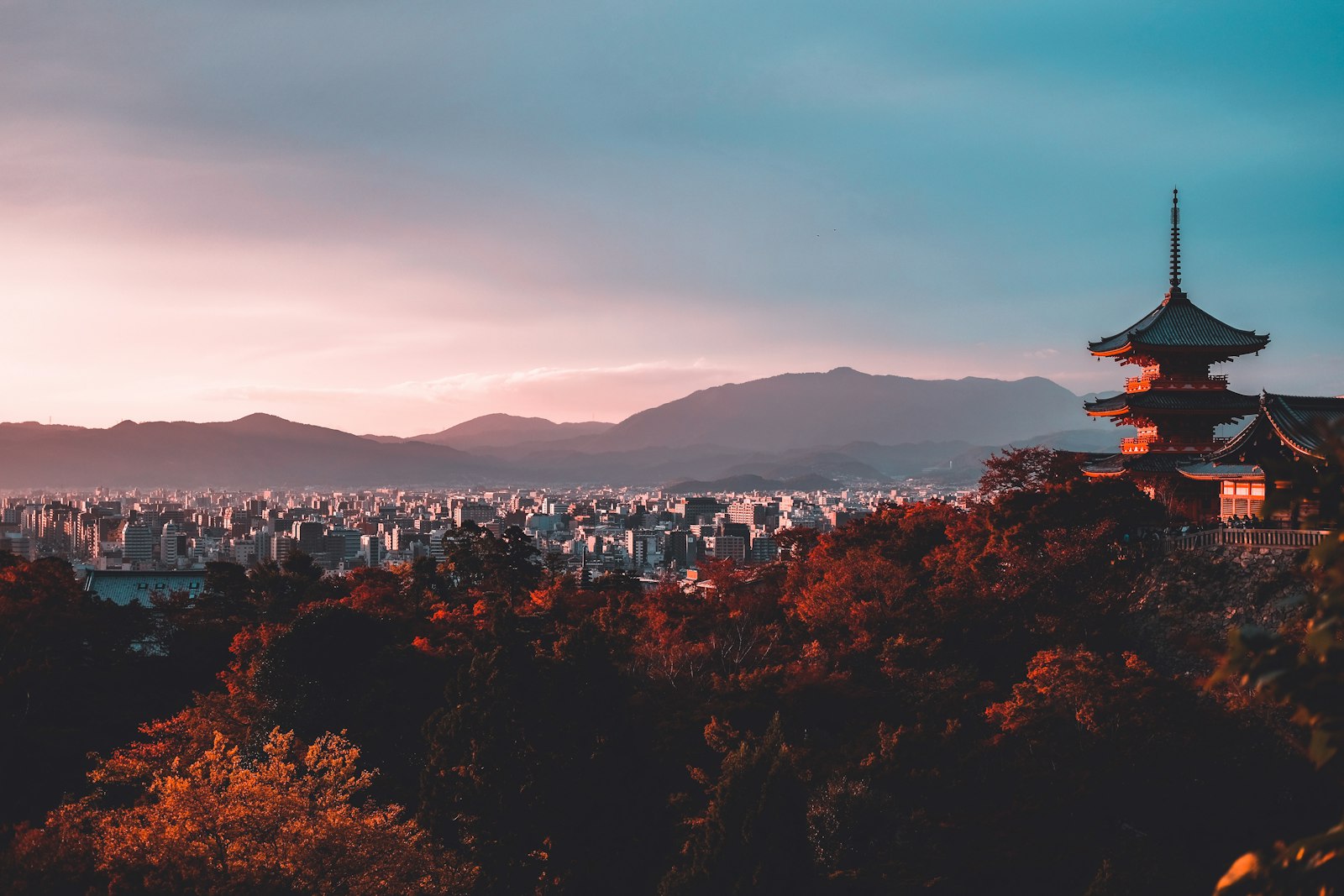
The concept of power spots (パワースポット, pawā supotto) in Japanese popular spirituality refers to places where spiritual energy — ki, or in the Shinto context, the vitality of enshrined deities — is particularly concentrated and accessible to those who come seeking it. Wakayama Prefecture contains a density of spiritually significant sites with no parallel in Japan outside Kyoto — and unlike Kyoto, these sites were not built for aesthetic display but for the specific spiritual purpose of holding and transmitting sacred power. The Kumano Grand Shrines are among the oldest religious foundations in Japan, predating written history; Koyasan’s esoteric Buddhist complex was designed according to precise cosmological principles to concentrate spiritual force. These are not places where power spot designation is a marketing afterthought. It is the founding reason.
🏔️ Koyasan Okunoin — The Most Sacred Buddhist Site in Japan
Access: Nankai Koya Line from Osaka Namba to Gokurakubashi (80 min), then cable car + bus; Okunoin entrance bus stop Admission: Free | Open: Always; lanterns lit dusk to dawn Best time: Dawn (before 8:00am) or evening (after 6:00pm); night visits particularly powerful
The approach to Kobo Daishi’s mausoleum through 200,000 graves is the most sacred ground in Shingon Buddhism and one of the most spiritually charged spaces in Japan regardless of religious affiliation. Two kilometres of stone-paved path through cryptomeria cedars several hundred years old, lined on both sides with the tombs of emperors, feudal lords, samurai, priests, and ordinary pilgrims who asked to be buried near the founder of Koyasan.
Kobo Daishi’s Eternal Presence
The monk Kukai (posthumously Kobo Daishi, 774–835 AD) founded Koyasan and, according to Shingon tradition, did not die — he entered eternal meditation (nyujo) in the innermost chamber of Okunoin on the 21st day of the 3rd month of 835. Monks have brought meals of rice and soup to the sealed inner chamber twice daily since that year, every day for over 1,200 years. The food is carried in a covered wooden box through the photographically-prohibited inner area; the ritual is not ceremonial theater but a practical expression of the belief that Kobo Daishi is genuinely, physically present.
This context transforms the walk through Okunoin: visitors are approaching not a memorial but a living presence. The white-clad pilgrims (henro) who arrive after walking the 88-temple pilgrimage circuit of Shikoku come here to report their completion directly to the teacher who established the pilgrimage tradition. The atmosphere of the path at dawn — mist in the cedar canopy, lanterns still burning from the night, the occasional sound of distant bells — is not created for visitors. It exists for Kobo Daishi.
The Toro-do Lantern Hall
Crossing the Mimyo Bridge (no photography; remove hats) leads to the Toro-do, where over 10,000 lanterns burn continuously — including two said to be unextinguished for over 1,000 years, one donated by the Emperor Shirakawa (who died in 1129) and one donated by a woman who sold her hair to buy lamp oil. The combined sound of chanting monks, the smell of ancient incense and cedar, and the visual field of thousands of flames in a dark wooden hall creates an overwhelming sensory experience.
⛩️ Kumano Hongu Taisha — Oyunohara & the World’s Largest Torii
Access: Bus from JR Shingu Station (80 min) or from Shirahama (2 hr) Admission: Free | Hours: 8:00–17:00 (shrine office); grounds always open
Kumano Hongu Taisha, the most interior of the three Kumano Grand Shrines, is considered the principal of the three — the destination that pilgrims on the Nakahechi and Kohechi routes aimed toward through days of mountain forest walking. The shrine’s power spot significance connects to its position in the innermost mountain valley, surrounded by primary forest, at the confluence of three rivers that have been considered sacred since before historical records.
Oyunohara — The Original Site
A 10-minute walk downstream from the current shrine leads to Oyunohara — the original location of Kumano Hongu Taisha before an 1889 flood destroyed the lower precincts. The rebuilt shrine moved to higher ground, but the original flat gravel area where the shrine stood remained sacred. In 2000, a grand torii gate was erected at Oyunohara: at 34 metres high (taller than the Statue of Liberty) and 42 metres wide, it is the largest torii gate in Japan. Standing beneath it looking up at the scale — a simple two-post structure with a crossbeam, enlarged to the size of a building — gives a sense of the cosmological ambition that Shinto architecture sometimes pursues.
The Oyunohara gravel plain is the site of annual fire ceremonies and the departure point for the sacred boat procession on the Kumano River. The atmosphere here, surrounded by primary forest with the oversized torii gate and the empty gravel where 1,500 years of ritual accumulated, is uniquely affecting.
🌊 Kumano Nachi Taisha — Fire, Falls & the Nature Deity
Access: JR Kisei Line to Kii-Katsuura Station; bus to Nachi (25 min) Admission: Grounds free; treasure hall ¥300 | Hours: 8:30–16:30
Kumano Nachi Taisha worships the waterfall itself as a manifestation of deity — Nachi-no-Taki (133 metres, Japan’s tallest single-drop fall) is enclosed in a sacred area marked by a rope tied at the fall’s midpoint, indicating the boundary between ordinary and sacred space. This is one of the oldest forms of nature worship in Japan: a waterfall so overwhelming in its permanence and power that ancient peoples could only interpret it as divine.
The Nachi Fire Festival (July 14) re-enacts the annual meeting between the fire deity and the water deity — torch-bearing priests descending the stone steps toward the falls in a ceremony that has been performed for over 400 years. Even outside festival time, the combination of the ancient shrine, the primary forest, and the unceasing roar of the waterfall visible through the trees creates a spiritual atmosphere that is not manufactured.
Hirou Shrine — The Sacred Waterfall Basin
Below the main shrine, a path leads to Hirou Shrine at the base of Nachi Falls — a small subsidiary shrine at the edge of the pool where the waterfall lands. The spray creates permanent mist; the sound is physically present in your chest. This is as close to the waterfall deity as the path allows.
🌳 Kumano Hayatama Taisha — The Sacred Ancient Trees
Access: JR Kisei Line to Shingu Station (5 min walk) Admission: Grounds free; treasure hall ¥600 | Hours: 8:00–17:00
Kumano Hayatama Taisha, at the coast in Shingu at the mouth of the Kumano River, is the third of the Grand Shrines — the arrival point for pilgrims who descended the Kumano River from Hongu Taisha by boat. The shrine’s sacred grounds contain two remarkable ancient trees: the Nagi tree (Nageia nagi, an ancient conifer species), whose leaf cannot be torn from the central rib and is therefore associated with unbreakable bonds, and a camphor tree over 1,000 years old in the shrine precinct.
The Nagi leaf is the sacred symbol of the Kumano shrines — distributed to pilgrims historically as a mark of having completed the pilgrimage, and sold today as a charm for relationships and bonds that should not be severed. The oldest nagi specimen in the Kumano area grows in the shrine’s inner precinct and is a designated Natural Monument.
🌲 Nachi Primeval Forest — UNESCO Sacred Wilderness
The forested mountains surrounding Kumano Nachi Taisha form part of the Sacred Sites and Pilgrimage Routes in the Kii Mountain Range UNESCO designation — a landscape that has been protected from logging for over 1,000 years because of its religious association. The result is primary forest of extraordinary ecological diversity: trees several centuries old, an understorey of ferns and moss that has developed over unbroken succession, and a stillness that comes from the complete absence of industrial sound.
Walking the pilgrimage path through this forest is the most direct access to what the power spot tradition is actually about: the belief that prolonged proximity to very old, undisturbed nature transmits something that cannot be found in altered landscapes. Whether or not you assign a spiritual framework to the experience, the forest produces a measurable change in emotional state.
🪨 Tamaki Shrine — The Mountain Power Stone
Access: Bus from JR Shingu Station toward Totsukawa; Tamaki-jinja bus stop (approximately 2 hr); or taxi from Hongu area Admission: Free | Character: Remote mountain shrine; limited visitor facilities
Tamaki Shrine (Tamaki-jinja) on the summit of Mount Tamaki (1,176m) is among the most remote of Wakayama’s significant spiritual sites and among the most visited by Japanese practitioners of power spot culture. The shrine enshrines Takamimosubi-no-mikoto, one of the creation deities of Japanese mythology, in a mountain summit setting that reinforces the deity’s cosmological associations with the creative force at the origin of things.
The summit location requires either a 4-hour hiking ascent from the trailhead or a combination of bus and shorter hike; the effort is considered part of the approach ritual. The shrine’s nanten-no-go-shintai — a sacred nandin (heavenly bamboo) branch maintained as the object of veneration — has been renewed in continuous tradition for over 1,400 years.
Practical Power Spot Planning
Spiritual sequence: The traditional pilgrimage order for the three Kumano shrines is Hongu Taisha → Hayatama Taisha → Nachi Taisha; following this sequence by bus or on foot is considered the proper approach. However, most visitors coming from the Kii Peninsula coast access Nachi first; either sequence is acceptable.
Purification before entering: Shrines typically have temizuya (hand-washing fountains) at the entrance for ritual purification. Wash left hand first, then right hand, then briefly rinse the mouth (cup water in left hand, do not drink from the ladle), then wash the left hand again. This is customary rather than strictly required for non-religious visitors.
Photography: Interior sanctuary areas of all three Grand Shrines prohibit photography. The paths, torii gates, and outer precinct buildings are generally photographable; when in doubt, observe what the Japanese visitors around you are doing.