Family Travel Guide to Yamagata Prefecture: A Child-Friendly Adventure in Japan’s Hidden Gem
Yamagata Prefecture offers international families an authentic slice of rural Japan without the overwhelming crowds of Tokyo or Kyoto. With seasonal fruit picking, mountain adventures, traditional festivals, and welcoming hot spring towns, this Tohoku region destination provides memorable experiences for children while remaining genuinely accessible for non-Japanese speakers. Here’s how to explore Yamagata with kids in tow.
1. Yamadera Temple: A Mountain Climb They’ll Remember
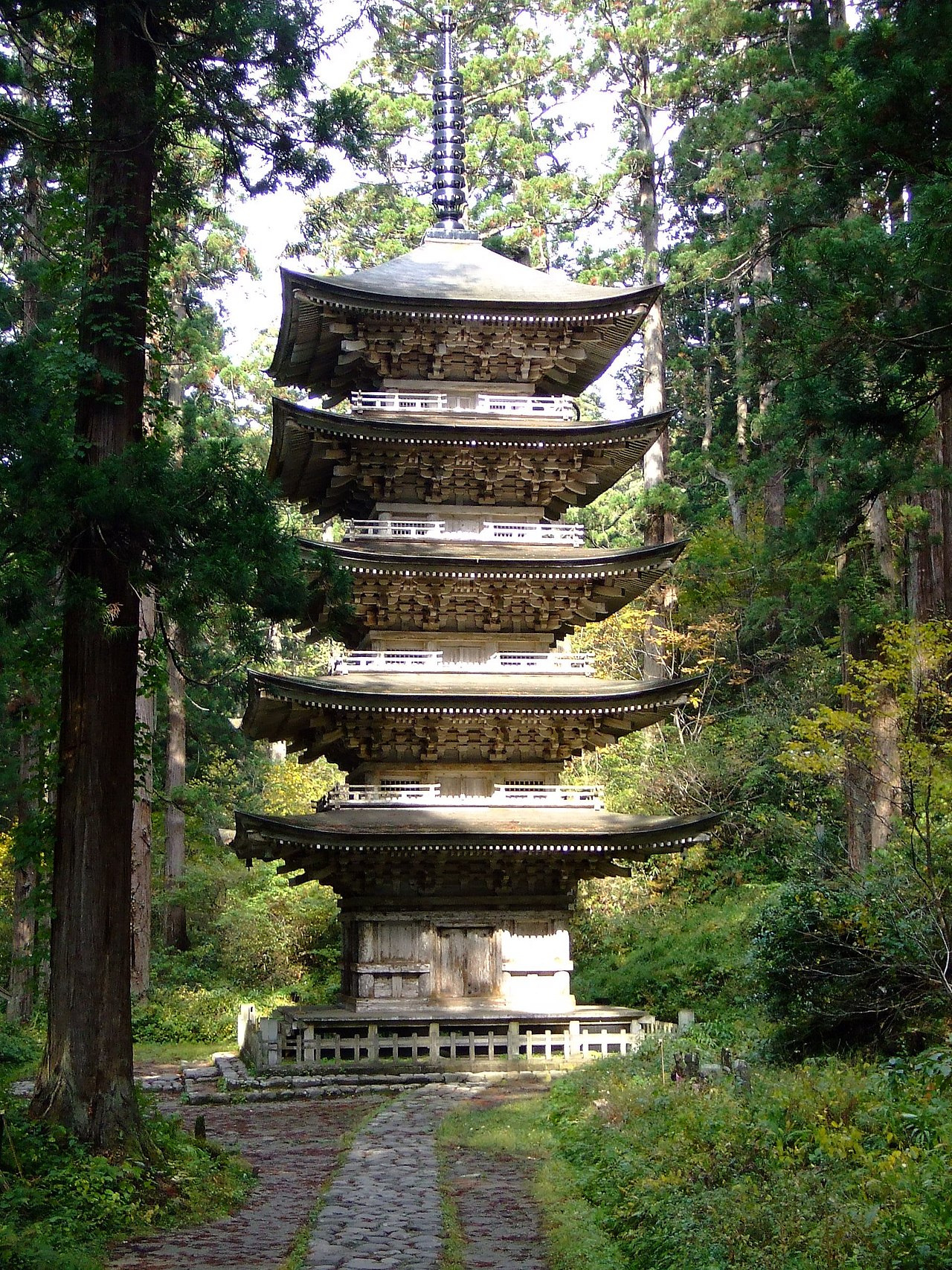
The 1,015 stone steps ascending Yamadera (Risshakuji Temple) sound daunting, but children aged six and older typically manage the climb with surprising enthusiasm—especially when framed as an adventure with a spectacular reward at the summit.
Making the Climb Manageable: The ascent takes 20–40 minutes depending on your family’s pace, with numerous natural rest stops offering benches, small shrine buildings, and increasingly impressive valley views. The steps vary in steepness, but handrails appear at challenging sections. Turn the climb into a game by counting stone lanterns, spotting moss patterns, or searching for the temple’s resident cats. Pack light snacks and water, though vending machines appear halfway up.
The panoramic view from Godaido Hall at the summit—overlooking forested mountains and the valley below—provides that crucial sense of accomplishment children need. The famous poet Matsuo Basho was inspired here to write “How still it is; stinging into the stones, the locusts' trill,” and even young children sense the special atmosphere of this mountaintop sanctuary.
At the Base: Before or after climbing, visit the Basho Haiku Museum included free with your temple ticket (¥300 adults, ¥200 children). Interactive displays in basic English explain haiku poetry through touchscreens and visual presentations that engage children, even those unfamiliar with Japanese literature.
Getting There: Yamadera is accessible by local train from either Sendai (50 minutes) or Yamagata City (20 minutes) on the JR Senzan Line—no car rental necessary. The temple entrance sits just 5 minutes' walk from Yamadera Station.
Stroller Note: The stone steps make strollers completely impractical. Use a baby carrier for children under four, or save this attraction for when all kids can walk independently.
2. Cherry Orchard Picking: Farm-to-Mouth Joy
Yamagata produces nearly 70% of Japan’s cherries, and June through July transforms the prefecture into a cherry-lover’s paradise. For children, the magic lies in the simple pleasure of picking fruit directly from trees and eating it immediately—warm from the sun, perfectly ripe, and unlimited.
Where to Go: The towns of Sagae and Higashine host numerous cherry orchards offering tabehoudai (all-you-can-eat) 30-minute picking sessions. Farms typically charge ¥1,200–¥1,500 per adult, with children priced around ¥800–¥1,000 depending on age. Some farms offer English reservation services online, though many accept walk-ins during the season.
The Experience: Farmers provide small baskets and brief instructions (often through gestures and simple Japanese, which children find amusing rather than frustrating). The premium varieties grown here—including the deep-red Sato-nishiki—taste completely different from imported supermarket cherries. Most farms operate under protective rain covers, making the activity viable even during light rain.
Afterward, explore the farm stalls selling cherry juice, soft-serve ice cream, and preserves. The drive through the orchard landscape, with rows of perfectly spaced trees stretching across hillsides, becomes part of the experience.
Practical Tip: Dress children in dark-colored clothing, as cherry juice stains. Bring wet wipes for sticky hands.
3. Zao Ropeway and Snow Monsters: Winter Wonderland
From December through late February, the Zao mountain range creates juhyo—“snow monsters”—when supercooled water droplets freeze onto trees, transforming them into bizarre, otherworldly ice sculptures. The ropeway ride to view these formations captivates children’s imaginations like few natural phenomena can.
The Experience: The Zao Ropeway ascends in two stages to the mountaintop observation area (round-trip: ¥3,000 adults, ¥1,500 children). Through the cable car windows, evergreen trees gradually transform into these massive, ghostly white figures. At the summit, walking paths (cleared and safe) let families explore among the monsters. Evening illuminations (select dates) add colored lights for an even more magical atmosphere.
Combine Activities: Near the ropeway base, gentle sledding slopes suit young children, with equipment rental available. Adventurous families can visit the Zao Dai-Rotenburo, one of Japan’s largest outdoor hot spring baths. While the bath itself is gender-separated, some nearby facilities offer family sections, and the novelty of bathing outdoors in winter snow creates stories children tell for years.
Safety Note: Winter temperatures drop well below freezing. Ensure children wear proper winter gear, including waterproof gloves and insulated boots.
4. Hanagasa Matsuri: Front-Row Festival Seats
Every August 5–7, Yamagata City hosts the Hanagasa Matsuri (Flower Hat Festival), one of Tohoku’s largest summer celebrations. For families, it offers the rare combination of spectacular cultural performance with zero admission cost and no advance planning required.
The Experience: Over 10,000 dancers parade through central Yamagata wearing yukata decorated with hanagasa—traditional hats adorned with bright red safflowers. The synchronized choreography and energetic atmosphere hold children’s attention despite the parade lasting several hours. Families can claim any pavement spot along the route—arriving 30 minutes early secures good views. The evening timing (starting around 6 PM) works well for children, and many food stalls line the route.
Participation: Some sections welcome audience members to join the dancing, which children typically love.
5. Mogami River Gorge Boat: Floating Through Autumn Colors
The 30-minute flat-bottom boat ride through the Mogami River Gorge offers gentle adventure suitable even for toddlers. Boatmen pole the traditional vessels while singing folk songs, their voices echoing off the gorge walls—a uniquely Japanese experience requiring no language comprehension to appreciate.
Best Season: While the boats operate spring through autumn, the October-to-early-November autumn foliage creates a spectacular natural backdrop. The boats run frequently, though weekends may require short waits.
Combined Activity: Pack a picnic to enjoy at the riverside park near the boat landing afterward, where children can play near the water (under supervision) and spot fish in the shallows.
6. Family-Friendly Accommodation
Ginzan Onsen Area: This photogenic hot spring town offers several ryokan with kazoku buro (family-reserved private baths), solving the challenge of bathing with young children in gender-separated facilities. Day-use options exist for those staying elsewhere.
Zao Onsen: Resort hotels here provide ski childcare services during winter, allowing parents some slope time. Many properties offer Western-style rooms alongside traditional tatami options.
Tendo Onsen: Hotels in this area generally provide more accessible facilities, including beds rather than futons, which some families with very young children prefer.
7. Sample 3-Day Family Itinerary
Day 1: Arrive Yamagata City. Afternoon visit to Yamadera (before closing at 5 PM). Overnight in Yamagata or Zao Onsen.
Day 2: Morning cherry picking in Sagae/Higashine (June-July) or Zao Ropeway (winter). Afternoon relaxation at accommodation. Evening stroll in Ginzan Onsen (20 minutes from Zao).
Day 3: Morning Mogami River boat ride. Afternoon departure or extend to Sendai.
Pricing and Practical Notes: Most attractions cost ¥300–¥3,000 per person. Children under six typically enter free or at reduced rates. Limited English signage exists, but major attractions provide basic English maps. Few attractions accept credit cards—carry cash. Stroller access varies significantly (excellent on trains and at modern facilities, impossible at temples and traditional sites).
Yamagata rewards families seeking authentic Japanese experiences beyond the typical tourist circuits. The prefecture’s combination of natural beauty, agricultural tourism, and cultural traditions creates memories children carry into adulthood—all at a pace that respects young attention spans and energy levels.