Leisure Activities Guide to Yamagata Prefecture
Nestled in the Tōhoku region of northern Japan, Yamagata Prefecture offers international visitors an extraordinary blend of outdoor adventures, cultural experiences, and seasonal delights that remain refreshingly off the typical tourist trail. From world-class powder snow to sacred mountain pilgrimages, this guide highlights six unforgettable leisure activities that showcase the best of Yamagata across all seasons.
1. Zao Onsen Ski Resort (蔵王温泉スキー場): Winter Wonderland
Zao Onsen stands among Japan’s premier powder destinations, offering 28 courses served by 12 lifts across terrain suitable for all abilities. The resort’s crown jewel is the legendary “Juhyo Course,” which descends through the mystical snow monster zone—an otherworldly landscape where rime ice transforms trees into towering frozen sculptures that resemble alien creatures.
Access and Practicalities: From Yamagata Station, direct buses depart regularly for the 40-minute journey (¥860 one-way). The compact resort village offers numerous rental shops with quality ski and snowboard equipment. The season runs December through April, with snow monsters at their most spectacular from late January through February.
Après-Ski Excellence: Don’t miss the Dai-Rotenburo, one of Japan’s finest outdoor communal baths (¥550 entry). Soaking in steaming mineral-rich waters while surrounded by snow-covered mountains provides the perfect recovery after a day on the slopes.
Day Trip Option: Adventurous travelers based in Sendai can combine Zao with other Yamagata attractions on an ambitious day trip, though overnight stays allow you to experience the resort’s atmospheric evening illumination of the snow monsters.
2. Mogami River Gorge Boat Ride: Traditional River Journey
The Mogami River (Mogami-gawa) boat ride offers a serene 12-kilometer, 30-minute journey through the spectacular Mogami-kyo gorge. Traveling in traditional flat-bottom boats, passengers are entertained by boatmen singing haunting Mogami-gawa folk songs—melodies that have echoed through these valleys for centuries.
Timing and Booking: While beautiful year-round, the experience reaches its peak during autumn foliage season in October, when the gorge blazes with red and gold. The fare is ¥2,500 per person. Boats depart from Furukichi port near Shinjō City. Advanced booking is strongly recommended during peak autumn season, as boats fill quickly. Several operators offer online reservation systems in English.
Cultural Context: The Mogami River served as a vital commercial waterway during the Edo period, and this boat ride preserves traditional river navigation techniques while providing commentary on the gorge’s natural and human history.
3. Cherry Orchard Picking (さくらんぼ狩り): Sweetest Summer Experience
Yamagata produces an astounding 70% of Japan’s cherries, and the prefecture opens its orchards to visitors for an authentic agricultural experience from mid-June to mid-July. The cities of Sagae, Higashine, and Tendo form the cherry-growing heartland.
How It Works: Most farms offer 30-minute unlimited picking sessions starting from ¥1,200. The experience of eating sun-warmed cherries straight from the tree—often the premium Sato-nishiki variety—creates taste memories that supermarket cherries can never match. Farms provide small containers for picking and typically offer shaded rest areas.
Finding Farms: Drive the Sagae–Higashine agricultural belt and watch for “さくらんぼ狩り” (sakuranbo-gari) signs. Many farms accept walk-ins, though calling ahead ensures availability. Some larger operations offer English-speaking staff or multilingual pamphlets. Tourist information centers at major stations provide farm maps and can assist with reservations.
4. Gassan Summer Skiing: Defying the Seasons
Gassan (Mt. Moon Mountain) offers Japan’s longest snowboarding season, with its upper slopes remaining skiable from late April through early July. This creates the surreal experience of skiing under warm May sunshine, often above a sea of clouds, while the valleys below burst with spring greenery.
Access: Route 112 provides vehicular access through lingering snowfields—itself a memorable journey. The road typically opens in mid-April. Gassan’s season perfectly bridges the gap between conventional ski season and summer activities, making it ideal for powder addicts unwilling to hang up their boards.
Important Notes: Facilities are more basic than winter resorts, and weather can be unpredictable. Bring sun protection—high-altitude May sunshine is intense. The ski area operates within sacred mountain territory, so observe posted restrictions respectfully.
5. Dewa Sanzan Pilgrimage Hike: Sacred Mountain Journey
The Dewa Sanzan (Three Mountains of Dewa) represent one of Japan’s most significant mountain pilgrimage sites, blending ancient Shugendō mountain worship with Buddhist and Shinto traditions.
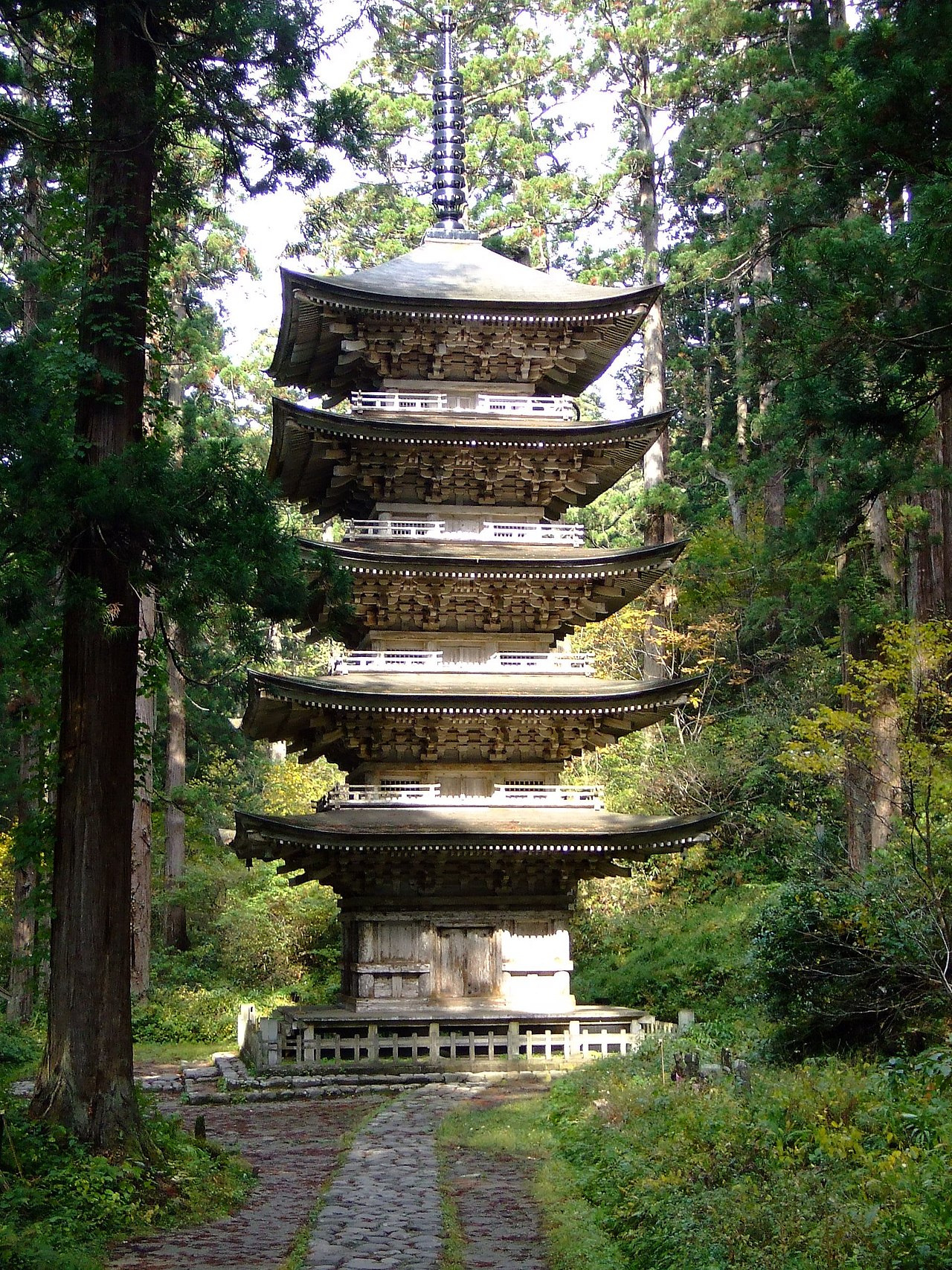
Mt. Haguro Approach: The 2,446-step cedar-lined stairway to Mt. Haguro’s summit shrine serves as an excellent introduction—a meditative 45-60 minute ascent through towering ancient cedars. The path passes the iconic five-story pagoda, a designated national treasure nestled in the forest. This can be completed as a half-day excursion.
Full Pilgrimage: Committed hikers can tackle the complete Dewa Sanzan route connecting all three peaks (Haguro, Gassan, and Yudono) over 2-3 days via the “Oku-no-Michi” pilgrim trail. This requires moderate fitness and proper planning, but rewards with profound spiritual atmosphere and stunning mountain scenery. Mountain huts provide accommodation. The full route is typically accessible June through September.
6. Yamadera Hiking: Temples in the Clouds
The Yamadera temple complex (formally Risshaku-ji) offers the perfect combination of cultural sightseeing and moderate hiking. The main 1,015-step climb takes 20-40 minutes depending on pace and fitness, ascending through temple buildings carved into cliffsides.
Beyond the Basics: Adventurous visitors should explore the optional ridge trail above the main complex, where forest paths offer magnificent valley views and a sense of discovery beyond the primary tourist route.
Scenic Train Journey: Combine Yamadera with the Senzan Line scenic train journey from Sendai—the track winds through mountain valleys, providing memorable views before you even begin hiking. This makes Yamadera an excellent half-day or full-day excursion from Sendai.
Practical Tips: Visit early morning or late afternoon to avoid crowds. Comfortable walking shoes are essential. The mountain setting means temperatures run cooler than valley cities—bring a light jacket even in summer.
Planning Your Yamagata Adventure
Yamagata’s leisure activities span all seasons, allowing year-round visits. Winter (December-March) belongs to skiing and snow monsters; summer (June-August) offers cherry picking and mountain hiking; autumn (October-November) showcases spectacular foliage; spring (April-May) provides unique shoulder-season skiing and cherry blossoms.
Most activities are accessible by public transportation, though renting a car significantly increases flexibility, especially for cherry picking and reaching trailheads. The Yamagata Shinkansen from Tokyo makes the prefecture increasingly accessible, reaching Yamagata City in under three hours.
Consider purchasing regional rail passes if combining multiple destinations across Tōhoku. Tourist information centers at major stations provide English-language maps, booking assistance, and current activity schedules—don’t hesitate to utilize these excellent resources.