Yamagata Prefecture Food & Restaurant Guide for International Visitors
Nestled in the mountainous Tohoku region, Yamagata Prefecture remains one of Japan’s best-kept culinary secrets. With fertile valleys, pristine mountain water, and four distinct seasons, this agricultural powerhouse produces everything from Japan’s finest beef to 70% of the nation’s cherries. Here’s your comprehensive guide to eating your way through Yamagata.
1. Yonezawa Beef (米沢牛): Japan’s Mountain-Raised Wagyu
Yonezawa beef stands alongside Kobe and Matsuzaka as one of Japan’s “Three Great Wagyu.” Raised in the cold mountain valley of Yonezawa City, these cattle develop exceptional marbling that melts at low temperatures, creating an almost buttery texture.
Where to Eat:
Yonezawa Beef登起波 (Tokiwa) is the city’s most prestigious establishment, serving beef exclusively from certified Yonezawa cattle. Their sukiyaki courses (¥8,000–¥15,000) feature paper-thin slices cooked tableside in a sweet soy broth. The beef’s fat renders beautifully into the sauce, creating an umami-rich experience.
Ushiya Zenzaemon offers excellent value with lunch sets starting at ¥5,000, including salad, rice, and premium cuts grilled before you. Their English menu features photographs, making ordering straightforward.
Bessho specializes in shabu-shabu (¥7,000–¥12,000), where the beef is swished through boiling dashi just seconds before eating—perfect for appreciating the meat’s delicate flavor.
Booking Tips: Most high-end Yonezawa beef restaurants accept reservations through your hotel concierge. Alternatively, use TableCheck.com (available in English) or call during business hours—many establishments have at least one English-speaking staff member. Walk-ins are possible at lunch on weekdays, but dinner reservations are essential, especially during cherry season (June–July) and autumn foliage (October–November).
Budget: Expect ¥5,000–¥8,000 for lunch courses, ¥8,000–¥15,000 for dinner. Some restaurants offer à la carte options starting around ¥3,500.
2. Imoni (芋煮): Autumn’s Riverside Celebration
Imoni is more than food—it’s a social phenomenon. Every autumn, Yamagata residents gather by riverbeds for imonikai (taro potato parties), cooking massive pots of taro root stew over open fires while drinking sake and celebrating the harvest.
The Dish: Yamagata-style imoni features taro potatoes, thinly sliced beef (often Yonezawa beef in premium versions), konnyaku, Welsh onions, and mushrooms in a soy sauce-based broth. This differs from neighboring Sendai’s miso-and-pork version—a distinction locals take seriously.
Yamagata Imoni Festival: Held annually in September along the Mamigasaki River in Yamagata City, this spectacle draws 30,000+ people to watch (and taste) imoni cooked in a six-meter-wide cauldron. The event uses heavy construction equipment to stir the massive pot—a sight worth traveling for. Free samples are distributed starting around 11 AM (arrive early; lines form quickly). The 2024 festival typically occurs mid-September; check Yamagata Tourism’s website for exact dates.
Joining an Imonikai: Some hotels and ryokan organize imonikai experiences for guests during autumn. Alternatively, riverside parks along the Mamigasaki River and Sagae River see spontaneous gatherings on weekends throughout September and October. While joining strangers' parties isn’t common, tourist-friendly spots in Yamagata City’s Kajo Park occasionally welcome visitors—ask at the tourist information center at Yamagata Station.
Year-Round Options: Imoni Kaido in Yamagata City serves imoni even outside autumn season (¥800 per bowl). Jimonoichi market at S-PAL Yamagata (connected to Yamagata Station) sells take-home imoni sets with all ingredients pre-portioned.
3. Yamagata Dashi (だし): Summer’s Cooling Condiment
When summer humidity blankets Yamagata, locals cool down with dashi—not the fish stock, but a finely chopped vegetable condiment that’s become the prefecture’s warm-weather obsession.
The Mix: Cucumbers, eggplant, okra, myoga ginger, and shiso leaves are diced into tiny cubes, mixed with soy sauce, and left to meld overnight. The result is a crunchy, refreshing topping eaten over steamed rice, cold tofu, or sōmen noodles.
Seasonality: Available June through September, with peak season in July–August when vegetables are most abundant.
Where to Try: Most izakayas and home-cooking restaurants serve dashi during summer. Gohanya near Yamagata Station offers excellent dashi-don (rice bowls topped with dashi, ¥850) with local sake pairings. Soba-dokoro Ichian, famous for its buckwheat noodles, serves dashi as a side dish (¥400). The morning market at Nanokamachi district (Saturdays, 6 AM–noon) sells fresh dashi by the container—perfect for picnics.
4. Cherries (さくらんぼ): Yamagata’s Ruby Treasure
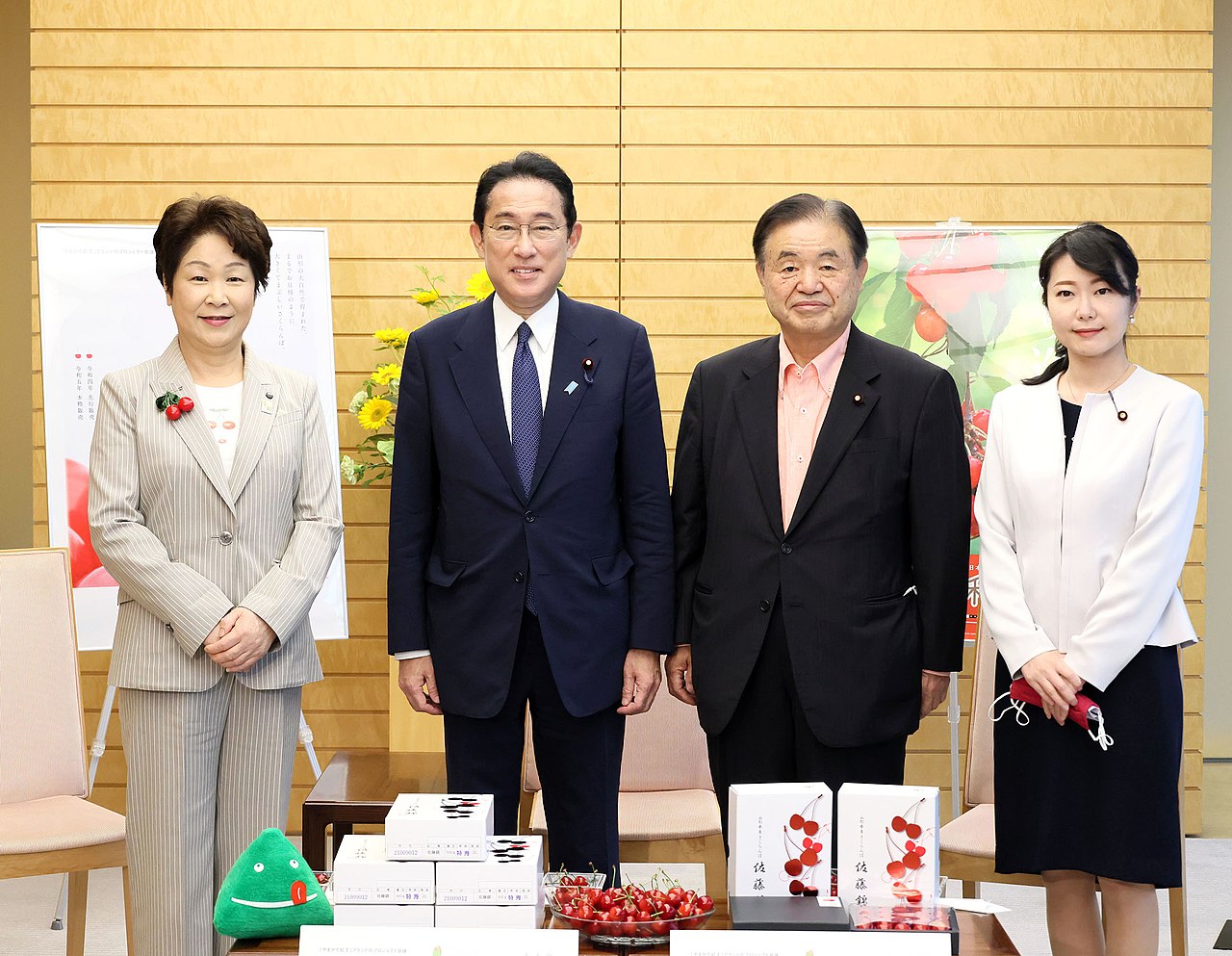
Yamagata produces 70% of Japan’s cherries, with the short mid-June to July season attracting fruit pilgrims nationwide.
Varieties: Sato Nishiki, with its pink-and-cream coloring, offers perfect sweetness balanced by slight tartness. Beni Shuho, a darker variety available from late June, provides more intense sweetness. Premium cherries reach ¥10,000 per kilogram in Tokyo—in Yamagata, they’re significantly cheaper and infinitely fresher.
Cherry Picking: Sagae and Higashine cities, 20–30 minutes from Yamagata City by train, are cherry central. Over 100 orchards offer tabehoudai (all-you-can-eat) picking experiences.
Recommended Orchards: Sakurambo-Kai Orchards in Sagae (¥2,000 for 30 minutes, June–July, reservation required) provides English instructions and rain-or-shine covered areas. Ougiya Farm in Higashine (¥1,500 for 40 minutes) grows 15 varieties across different ripening periods.
Gift Boxes: Yamagata Station’s Midori no Furusato Plaza and Yamagata Airport sell beautiful gift boxes (¥2,000–¥8,000) with insulated packaging suitable for air travel. Airport purchases can be timed for boarding—cherries stay fresh in carry-on luggage for 24+ hours when properly packed.
5. Yamagata Sake: The Water Makes the Difference
Yamagata’s 52 sake breweries benefit from snowmelt from the Zao and Gassan mountain ranges—soft, mineral-rich water that produces delicate, aromatic sake.
Notable Breweries: Dewazakura from Tendo City pioneered fragrant, modern sake styles in the 1980s, making their bottles (¥1,500–¥5,000) accessible nationwide but special when drunk at the source. Juyondai from Murayama is Japan’s most sought-after sake, nearly impossible to find and costing ¥10,000+ per bottle when available—allocated mostly to local restaurants.
Where to Drink: Sakeba Ippon in Yamagata City specializes in local sake, offering tasting sets (¥1,800 for three varieties) with knowledgeable staff. Hagi no Yu sake bar near Yamagata Station stocks 100+ local labels, with English explanations for popular varieties. Many bottles unavailable elsewhere appear here at reasonable prices (¥600–¥1,500 per glass).
What Makes It Special: Yamagata’s combination of Dewasansan and Dewa no Sato sake rice varieties with pristine water creates clean, fragrant profiles—more aromatic and lighter-bodied than richer Niigata styles.
6. Cold Ramen (冷やしラーメン): Yamagata’s Unlikely Invention
In 1952, Eibisha restaurant in Yamagata City invented cold ramen when a customer requested chilled noodles on a sweltering summer day. The dish—chilled Chinese-style noodles in an ice-cold soy-based soup—became a regional obsession.
Where to Try: Eibisha (the originator) still operates near Yamagata Station, serving the original recipe (¥800) June through September. The broth, chilled to near-freezing, features a delicate balance of soy sauce, chicken stock, and vinegar, topped with cucumber, tomato, ham, and a boiled egg. Sakaeya Honten offers a spicier version with sesame paste (¥850).
The Experience: Unlike tsukemen (dipping noodles), cold ramen arrives as a complete bowl with icy soup—refreshing and surprisingly addictive during Yamagata’s humid summers.
Practical Information: Yamagata City’s tourist information center at Yamagata Station provides English maps marking recommended restaurants. Many establishments close irregularly, so call ahead or check recent Google reviews. Cash remains preferred at smaller restaurants, though major establishments accept cards. The regional JR Pass covers trains to Yonezawa, Tendo, Sagae, and Higashine, making culinary adventures convenient and affordable.