Sakata was one of Japan’s great merchant ports — the northern terminus of the kitamaebune trading ships that carried rice, sake and goods along the Japan Sea coast in the Edo period. The Sankyo Soko complex of twelve 19th-century rice warehouses lines the Niida River canal, their black-painted boards and zelkova tree avenue creating one of Tohoku’s most evocative historic townscapes.
🗓️ At a Glance
| Location | Sakata, Yamagata |
| Hours | Grounds always open; shops ~9:00–17:00 |
| Admission | Free (grounds) |
| Time needed | About 1.5 hours |
| Best time | Year-round; autumn zelkova colour |
What to See
- Twelve black-boarded 19th-century rice warehouses.
- The zelkova tree avenue along the Niida canal.
- Craft shops and local produce inside several warehouses.
- The port’s history as a kitamaebune trading hub.
Combine Your Visit
- Explore historic Tsuruoka nearby.
- Ferry out to remote Tobishima Island .
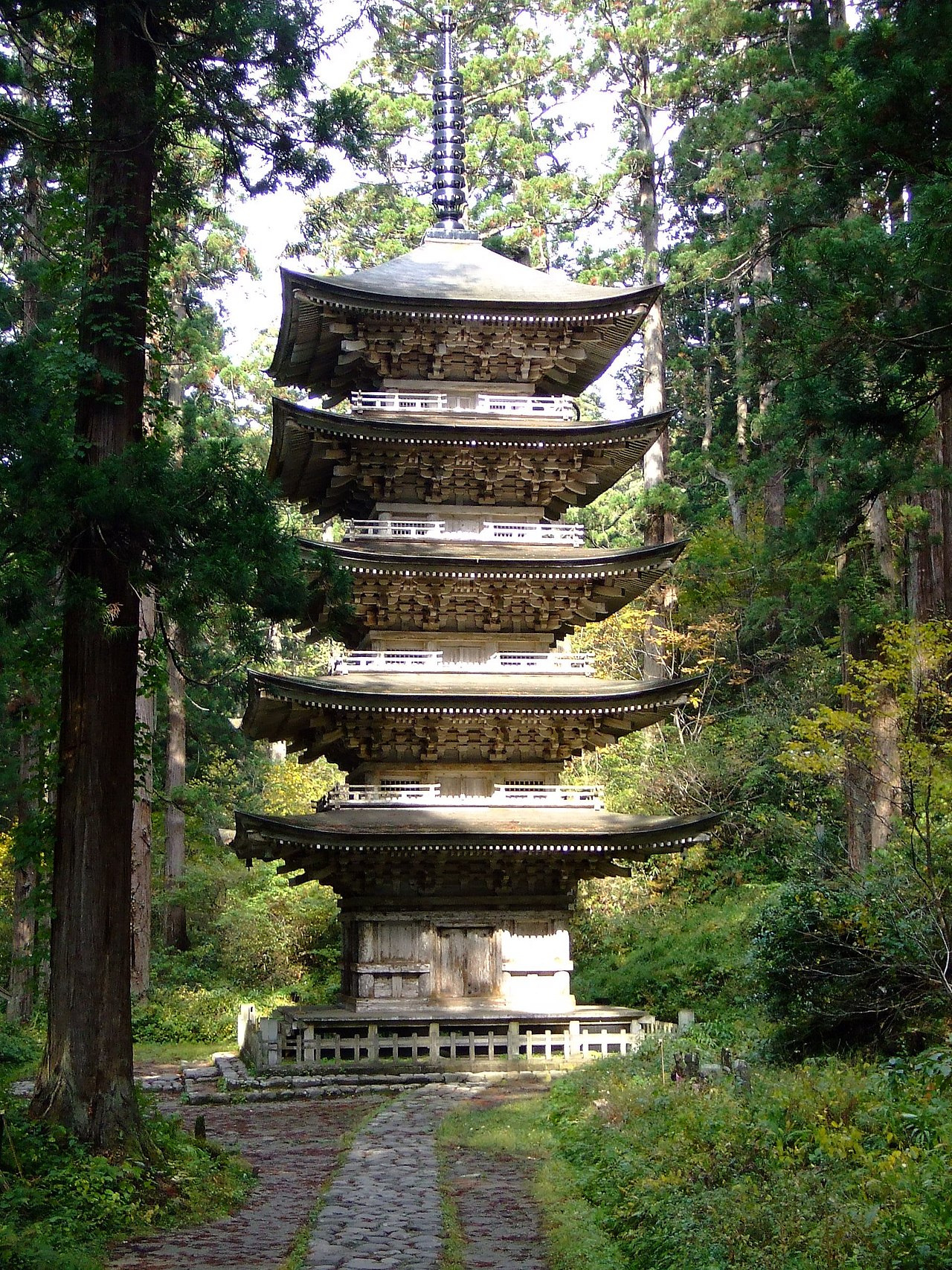
- See Dewa Sanzan .
Getting There
- By train: JR Uetsu Line to Sakata Station, then bus/taxi.
- By car: parking near the Sankyo Soko complex.
Tips
It’s an easy, atmospheric stop — the warehouse shops make good souvenir stops. Combine with Tsuruoka for a full Shonai coastal day.