Solo Travel Guide to Yamagata Prefecture
Yamagata Prefecture, tucked away in the Tōhoku region’s southwestern corner, is one of Japan’s most rewarding solo travel destinations. While Kyoto drowns in tourists and Tokyo overwhelms with crowds, Yamagata offers something increasingly rare: the profound satisfaction of discovering Japan at your own pace, often as the only international visitor in sight.
Why Yamagata Works for Solo Travel
Yamagata embodies everything that makes Tōhoku special for independent travelers. The region’s reputation for warmth and hospitality isn’t tourism marketing—it’s lived reality. Locals genuinely appreciate solo visitors making the effort to reach their prefecture, and you’ll encounter a welcoming curiosity rather than the weary indifference of over-touristed areas.
The prefecture’s geography favors solo exploration. Compact city bases like Yamagata City and Tsuruoka provide comfortable launchpads, while the excellent JR rail network makes car-free travel feasible. The Senzan Line, Ou Main Line, and seasonal tourist trains connect most major attractions without the stress of navigating rental car logistics—though having your own wheels unlocks even more.
Perhaps most appealing is the solitary experience itself. At Yamadera’s mountain temple or in a Nanokamachi sake bar, you’ll often find yourself genuinely alone or among only Japanese visitors. This isn’t loneliness—it’s the meditative quality that drew you to solo travel in the first place.
The Classic Solo Day Trip: Sendai → Yamadera → Yamagata
This journey along the JR Senzan Line represents solo travel perfection, costing under ¥3,000 total and delivering some of northern Japan’s most memorable experiences.
Depart Sendai by 7:00 AM (the 7:06 local is ideal) to reach Yamadera Station by 8:00 AM. The early start means you’ll climb Risshaku-ji Temple’s 1,015 stone steps in morning quiet, possibly mist, and blessed solitude. This is when solo travel reveals its magic—no one hurrying you, no group photos to coordinate, just you, ancient cedars, and the rhythmic meditation of stone steps ascending into fog.
The climb takes 40-60 minutes at a contemplative pace. The summit’s Godaido pavilion, cantilevered over the mountainside, offers views worth every step. Return to the station by 11:00 AM and catch a train to Yamagata City (30 minutes, ¥240), arriving perfectly timed for lunch.
Transport hack: Use a Suica or Pasmo card for seamless transfers. If visiting on a weekend, the JR East Pass (Tohoku Area) offers unlimited travel for ¥20,000/five days—worthwhile if combining Yamagata with other Tōhoku exploration.
Yamagata City: Your Solo Base
Yamagata City is criminally underrated. Everything worthwhile sits within 15 minutes' walk of the station, making it ideal for solo travelers without vehicles.
The Nanokamachi district (七日町) is your evening destination—a compact network of streets packed with izakaya, sake bars, and local restaurants. Unlike Tokyo’s overwhelming options, Nanokamachi’s scale suits solo exploration. You can wander, peek through noren curtains, and choose based on instinct.
For daytime exploration, the covered Honcho shopping arcade provides weather-proof wandering. Don’t miss the S-PAL Yamagata department store’s basement food hall (depachika)—perfect for solo food grazing. Purchase individual items for a DIY feast: fresh sashimi, local pickles, inari sushi, seasonal fruit.
Budget business hotels cluster near the station. Hotel Metropolitan Yamagata offers quality for ¥7,000-9,000/night, while Super Hotel Yamagata Station West provides efficient capsule-style accommodation from ¥5,000. Both cater routinely to solo business travelers—you won’t feel conspicuous.
Solo Sake Culture
Yamagata produces arguably Japan’s best sake, with 52 breweries including legendary names: Juyondai, Dewazakura, Tatenokawa, Ou Raikō. For solo travelers, this means unparalleled access to exceptional sake at reasonable prices.
Japanese izakaya culture actively accommodates solo diners. Counter seating (カウンター席) is standard, even preferred. Sitting at the counter places you in subtle community—the bartender becomes your guide, neighboring salarymen might offer recommendations, and you’re perfectly positioned to observe the kitchen’s choreography.
Order sake by the glass using “一合お願いします” (ichi-go onegai shimasu)—180ml, the standard pour. When overwhelmed by options, try: “おすすめは何ですか?” (osusume wa nan desu ka?)—“What do you recommend?”
Specific recommendations:
-
Kosho (香紬): Intimate counter-focused sake bar near Nanokamachi. English minimal but the owner is patient and knowledgeable. Try their Yamagata sake flight (¥2,000-2,500).
-
Robata Hyotanjima (炉端ひょうたん島): Grilled dishes paired with local sake. Counter seating gives you front-row seats to the robata grill action.
-
Yoshida Ramen Shoten: Not sake-focused, but the perfect pre-drinking stop. Rich, warming ramen for ¥800. Always counter seating.
The social magic happens naturally. Solo travelers at sake bar counters in Yamagata trigger friendly curiosity. Bring a translation app—conversations will happen.
Navigating Rural Yamagata Solo
Some destinations require wheels. Renting a car solo costs ¥5,000-8,000/day (Toyota Rent-a-Car near Yamagata Station offers compact vehicles). Essential for:
-
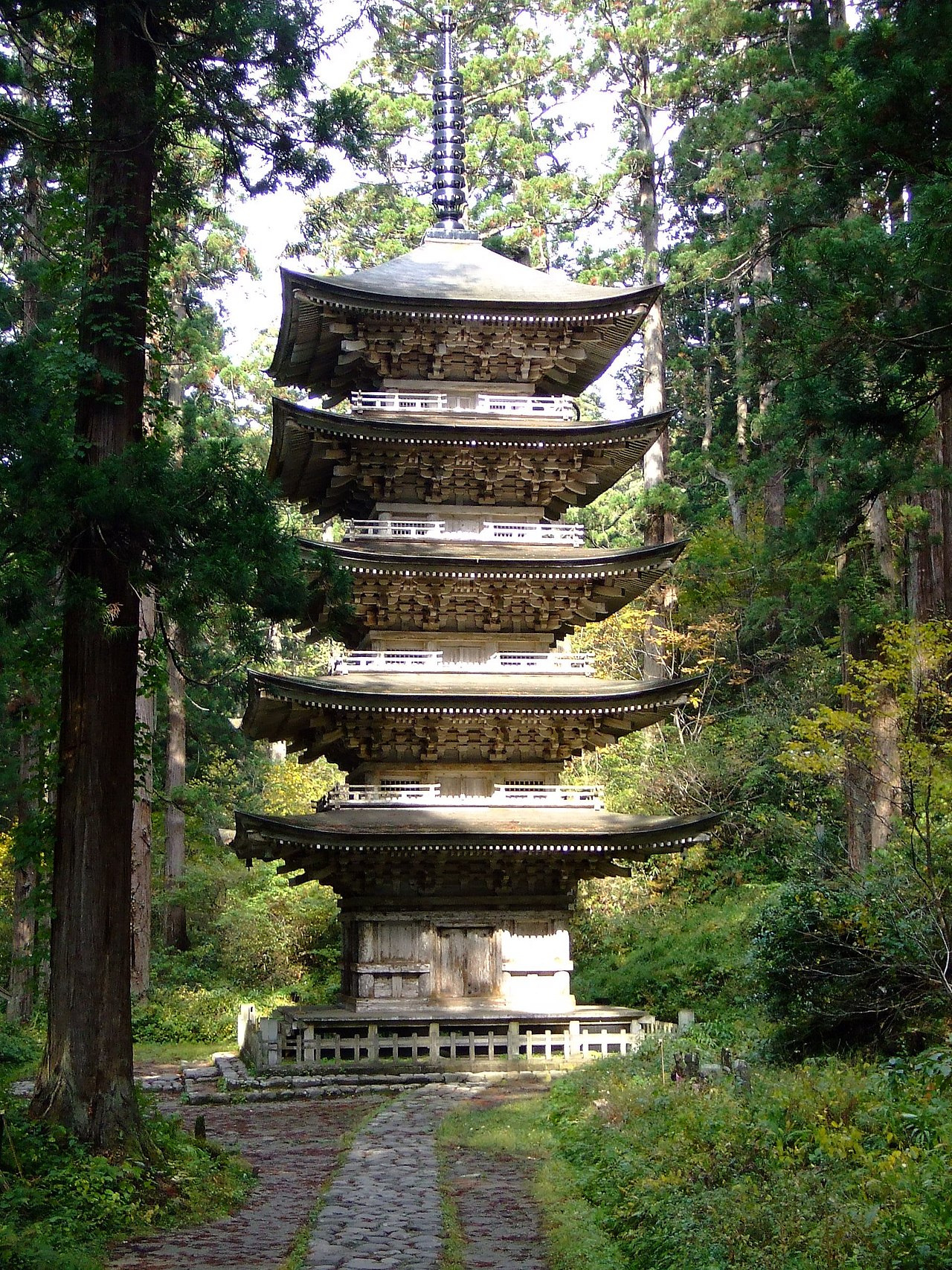
Ginzan Onsen: The picturesque hot spring village (1.5 hours from Yamagata City). Arrive mid-afternoon, before day-trippers crowd the main street.
-
Dewa Sanzan: The sacred three mountains. Google Maps works in most areas, but cellular coverage drops in mountain sections. Print backup maps from the Tsuruoka Tourist Association website before departing.
-
Mogami River Gorge: Autumn boat rides through dramatic gorges (spring through autumn only).
Car rental hack: Reserve online through Tabirai.net for English-language booking and better rates than walk-in. International Driving Permit required.
Budget Options
- Hotel Route Inn Yamagata Ekimae: ¥6,000/night with excellent breakfast buffet included
- Capsule Hotel: Yamagata Station area capsules run ¥3,500-4,500
- Teishoku restaurants: Set meals (定食) offer incredible value. Look for “日替わり定食” (higawari teishoku)—daily special sets, usually ¥800-1,200 including rice, miso soup, pickles, and a main dish
- Tsuruoka Asaichi: Morning market (6:00-9:00 AM) for incredibly fresh, cheap seafood. Buy sashimi-grade fish and have nearby shops prepare it.
Solo Female Safety
Yamagata Prefecture has one of Japan’s lowest crime rates—which is saying something in a country already exceptionally safe. Solo female travelers report zero significant concerns. Standard Japan safety practices apply: don’t leave drinks unattended, stay aware in crowded areas, keep valuables secure.
One practical note: Some traditional ryokan prefer advance notice for solo female guests, though this is about operational planning (meal portions, room assignment) rather than discrimination. When booking, simply mention you’re traveling alone—“一人です” (hitori desu).
The prefecture’s rural character means you might be conspicuous—but conspicuous in the sense that locals want to help, recommend restaurants, or practice English. Embrace the interactions or politely deflect with “すみません、ちょっと…” (sumimasen, chotto…) and a smile.
Yamagata rewards the solo traveler willing to venture beyond Japan’s heavily touristed routes. Here, solitude feels intentional rather than lonely, and the absence of English becomes part of the authentic experience rather than a frustration. Pack light, keep your schedule flexible, and let Yamagata work its quiet magic.