The Complete Sightseeing Guide to Yamagata Prefecture
Nestled in Japan’s northeastern Tohoku region, Yamagata Prefecture remains one of the country’s most rewarding destinations for travelers seeking authentic experiences beyond the Tokyo-Kyoto corridor. This mountainous prefecture offers a remarkable concentration of spiritual sites, natural wonders, and traditional hot spring towns that showcase Japan’s cultural depth and scenic beauty.
1. Yamadera (Risshakuji Temple): The Mountain Monastery
Yamadera stands as one of Japan’s most dramatically situated temples, clinging to sheer cliffs above the Yamagata Valley. Founded in 860 CE by the priest Ennin, this Tendai Buddhist complex requires ascending 1,015 stone steps carved directly into the mountainside—a pilgrimage that rewards visitors with both spiritual contemplation and spectacular panoramas.
The temple achieved literary immortality in 1689 when Japan’s most celebrated haiku poet, Matsuo Basho, visited during his famous journey through northern Japan. Moved by the profound silence broken only by cicada songs, he composed his most iconic verse: “Shizukasa ya iwa ni shimiiru semi no koe” (the stillness—the cicada’s cry seeps into the rocks). The Yamadera Basho Memorial Museum at the mountain’s base explores this connection through manuscripts, calligraphy, and exhibits detailing the poet’s five-month journey.
The climb itself becomes a meditation. Stone lanterns mark the ascending path through towering cryptomeria trees, passing smaller shrines, moss-covered Jizo statues, and weathered stone monuments. The Niomon Gate at the halfway point frames the valley below, while the ultimate destination—the Godaido observation platform—cantilevers over the cliff edge, offering vertiginous views across forested peaks toward the distant mountains.
Visit early morning before 9am when mist often fills the valley and you’ll have the paths largely to yourself. The entry fee of ¥300 is collected at the Sanmon Gate where the steps begin. From Sendai, take the JR Senzan Line directly to Yamadera Station (59 minutes, ¥860); from Yamagata City, it’s just 17 minutes. The temple area has several soba restaurants and shops selling local crafts near the station.
2. Ginzan Onsen: Japan’s Most Cinematic Hot Spring Town
Ginzan Onsen appears to exist outside time itself. This narrow valley, once a silver-mining settlement, is now Japan’s most photographed hot spring town, with three- and four-storey timber ryokan (traditional inns) lining both banks of the Ginzan River. Built during the Taisho era (1912–1926), these magnificent wooden structures feature ornate balconies, latticed windows, and architectural details that evoke early 20th-century Japan.
The town’s magic intensifies at dusk when gas lanterns illuminate along the riverside walkway, their warm glow reflecting off the water. In winter, when heavy Yamagata snowfall blankets the valley and icicles hang from eaves, Ginzan Onsen becomes almost impossibly picturesque—the scene that inspired the setting for the Studio Ghibli film Spirited Away.
With only thirteen ryokan accommodating perhaps 300 guests total, booking requires planning months in advance, especially for winter weekends. Day visitors can enjoy the public footbath beside the river and several paid bathing facilities. The town itself is just 300 meters long, walkable in ten minutes, making it perfect for evening strolls in yukata (casual kimono).
Access requires patience. Take the JR Ou Main Line to Oishida Station, then a 40-minute bus ride (¥730, coordinated with train arrivals). Alternatively, rental cars from Yamagata City take about one hour and provide flexibility for exploring the region. The narrow access road becomes challenging in heavy snow—check conditions before winter visits.
3. Zao: Crater Lakes and Snow Monsters
The volcanic Zao mountain range dominates southern Yamagata, offering dramatically different experiences by season. The summer attraction centers on Okama, a circular crater lake nicknamed goshiki-numa (five-color pond) for its shifting turquoise, emerald, and jade hues depending on light and season. Sitting at 1,670 meters, this 300-meter-wide crater formed 1,000 years ago and remains mildly acidic, too hostile for fish but mesmerizing for photographers.
Reach Okama via the Zao Echo Line toll road (¥540), open late April through November once snowmelt permits. The road terminates at a parking area requiring a 15-minute uphill walk to viewing platforms. On clear days, the vista extends across multiple prefectures.
Winter transforms Zao into something otherworldly. The Zao Ropeway ascends from Zao Onsen (itself a worthwhile hot spring town) to the “snow monster” zone, where supercooled moisture and fierce winds coat alpine trees in thick ice formations called juhyo. These grotesque, ten-meter-tall shapes peak in January and February, illuminated during night operations (until 9pm) for an eerie spectacle. The ropeway costs ¥3,200 return; Zao also functions as a major ski resort with 14 lifts serving varied terrain.
Access: From Yamagata Station, buses reach Zao Onsen in 40 minutes (¥1,000). For Okama in summer, seasonal buses run from both Yamagata and Zao Onsen to the Echo Line terminus.
4. Dewa Sanzan: Japan’s Sacred Mountain Pilgrimage
Dewa Sanzan—the “Three Mountains of Dewa”—represents one of Japan’s most important spiritual landscapes, home to Shugendo, a syncretic religion blending Buddhism, Shinto, and mountain asceticism. For over 1,400 years, white-robed yamabushi (mountain ascetics) have practiced austere rituals across these peaks.
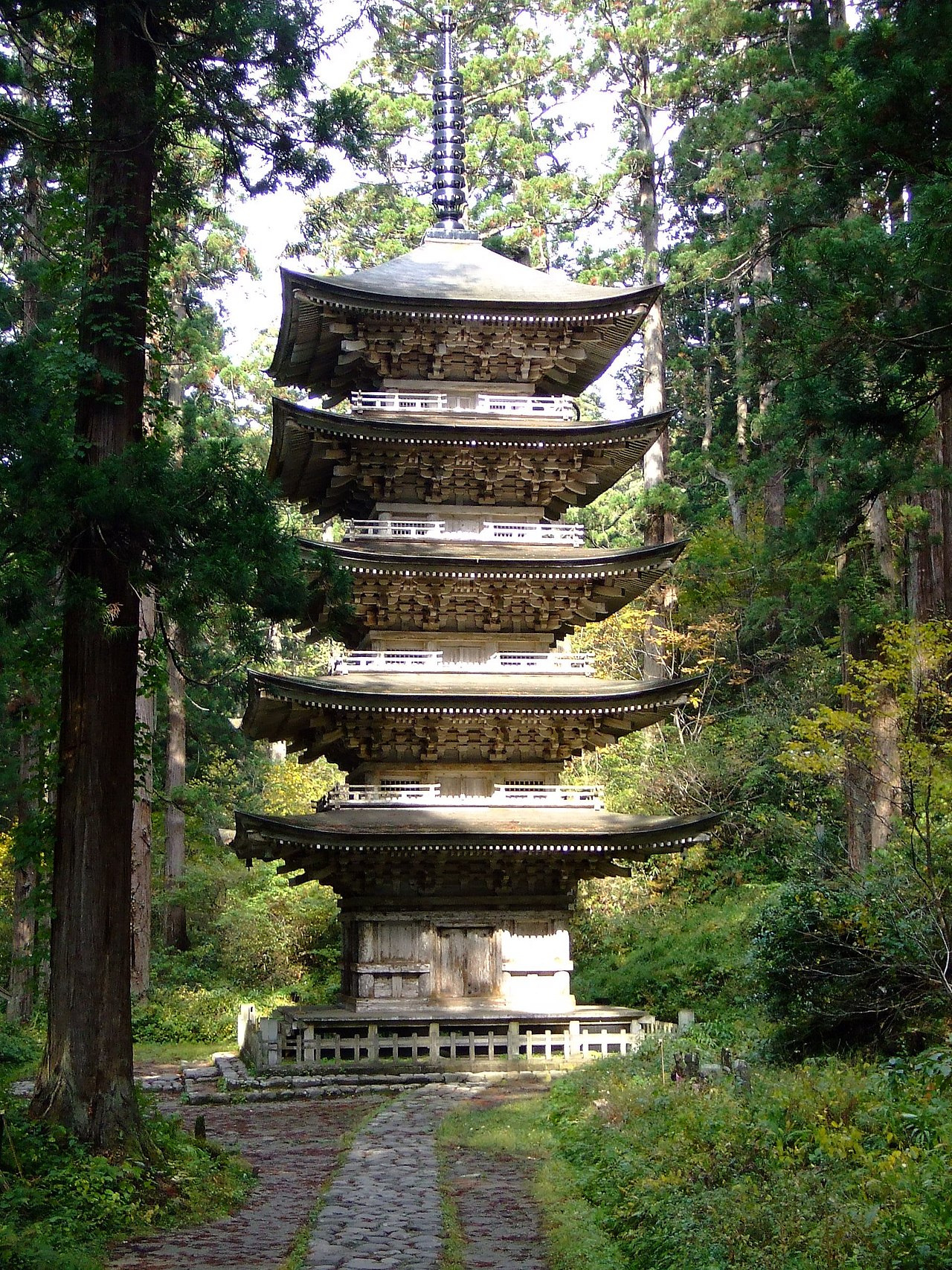
Mount Haguro, the most accessible, can be visited year-round. The approach follows 2,446 stone steps through primeval cedar forest, passing a magnificent five-storey pagoda (National Treasure, built 1372) standing 29 meters tall in a grove of 600-year-old trees. At the summit, the Sanjingosaiden shrine uniquely enshrines deities from all three mountains under its massive thatched roof—the largest such roof in Japan.
Mount Gassan (1,984m) opens only July through September due to heavy snow. This alpine hike requires 3-4 hours ascending to the summit shrine. While guides aren’t legally mandatory for experienced hikers, the mountain’s spiritual significance and sometimes challenging navigation make them advisable. Many tour operators in Tsuruoka arrange guided climbs.
Mount Yudono, the most sacred, forbids photography at the inner shrine where pilgrims encounter a mysterious orange rock formation (details cannot be shared due to religious protocol). Access requires a bus journey into a restricted valley, followed by a short walk. The experience remains deeply spiritual rather than touristic.
Tsuruoka City serves as the gateway, with buses to Mount Haguro’s base (50 minutes, ¥1,120). Consider staying in shukubo (temple lodging) on Mount Haguro for vegetarian Buddhist cuisine and morning prayers.
5. Tsuruoka and the Shonai Plain
Tsuruoka, your Dewa Sanzan base, merits a full day itself. The Chido Museum occupies the former estate of the Sakai clan, who governed Shonai domain for 250 years. This outstanding complex includes samurai residences, a merchant house, treasures from the feudal period, and most remarkably, three buildings relocated from Meiji-era Western influence—together illustrating Japan’s dramatic transformation.
Nearby Zenpoji Temple maintains connections to the Sakai family, with excellent garden landscapes and temple architecture. The surrounding Shonai Plain produces some of Japan’s finest rice, including premium tsuyahime and yukiwakamaru varieties. This agricultural abundance supports Yamagata’s thriving sake brewing industry—over 50 breweries prefecture-wide, many offering tastings.
Being coastal, Tsuruoka provides excellent seafood, particularly from October through March. Local specialties include sweet dadacha-mame edamame (August-September) and atsumi-kabu turnips.
Seasonal Highlights and Practical Itinerary
Best seasons: May-June (fresh greenery, fewer crowds), September-October (autumn colors), January-February (snow monsters and winter scenery). Avoid late July-August for humidity and crowds.
Suggested 4-day itinerary:
- Day 1: Arrive Yamagata City, visit Yamadera morning, afternoon Zao (Okama in summer, Ropeway in winter)
- Day 2: Travel to Ginzan Onsen, overnight stay
- Day 3: Morning at Ginzan, travel to Tsuruoka (via Yamagata City), visit Chido Museum
- Day 4: Dewa Sanzan (Mount Haguro minimum, full pilgrimage for serious hikers)
Transport: JR East Pass (Tohoku Area) covers most travel. Rent a car in Yamagata City for maximum flexibility, particularly for Zao and Ginzan Onsen.
Yamagata rewards slow travel and seasonal awareness, offering spiritual depth, natural grandeur, and cultural authenticity increasingly rare in modern Japan.