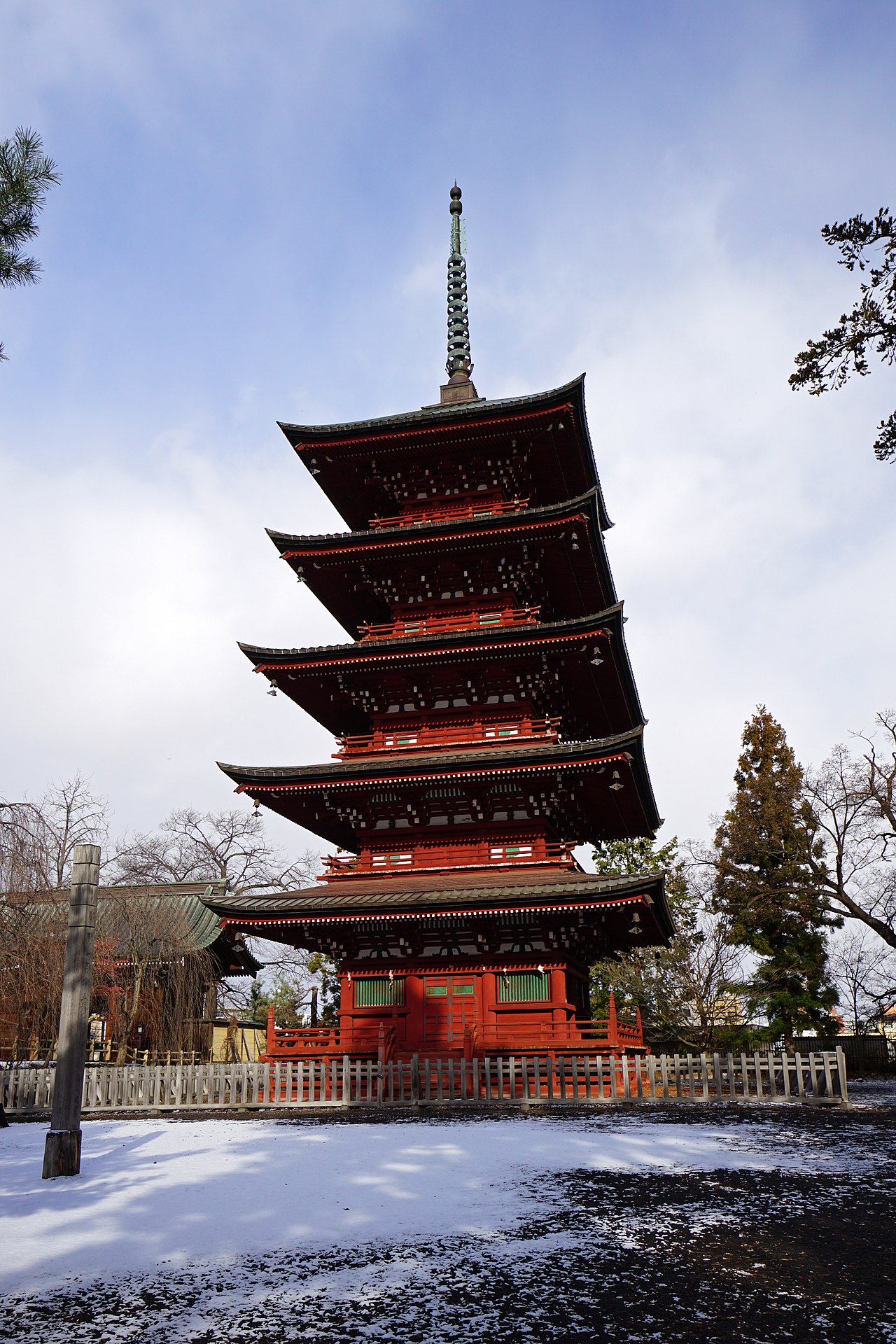
Hagi is one of Japan’s best-preserved castle towns, a quiet grid of streets on the Sea of Japan coast where whole quarters of samurai and merchant houses survive behind long earthen walls, summer oranges hanging over the lanes. Once the castle seat of the powerful Mori clan, Hagi became a cradle of the Meiji Restoration, the movement that overthrew the shogunate and founded modern Japan — its private academy schooled several of the new nation’s founding leaders, and the town’s industrial heritage sites are UNESCO-listed. Today you can walk the old samurai district, visit preserved residences and the castle ruins, and browse the potteries that make Hagi’s celebrated tea ware. It is history you can stroll through.
🗓️ At a Glance
| Location | Hagi, Yamaguchi |
| Hours | Streets open; sites ~9:00–17:00 |
| Admission | Free streets; sites small fees |
| Time needed | Half to full day |
| Best time | Spring and autumn; summer oranges |
What to See
- Preserved samurai and merchant quarters behind earthen walls.
- The castle ruins of the powerful Mori clan.
- Meiji Restoration history and UNESCO industrial sites.
- Potteries making Hagi’s celebrated tea ware.
Combine Your Visit
- Combine with a Hagi pottery workshop in town.
- Pair with the Hagi museums complex for context.
- Read our Yamaguchi overview .
Getting There
- By train: JR to Higashi-Hagi Station, then bus, taxi or rental cycle.
- By car: the easiest way, with parking near the old districts.
Tips
Rent a bicycle to cover the flat, spread-out old districts easily, which is how many locals and visitors get around, and pick up a combined ticket if you plan several of the preserved residences. Come in spring or autumn for the gentlest weather, allow half a day at least, and pair the streets with a pottery workshop for Hagi’s famous ceramics.