Tohoku · 현 여행 가이드

아오모리 여행 가이드

일본의 야생 북쪽 개척지 — 네부타 등불 전사들, 세계 최고의 참치, 안개 낀 원시림, 그리고 일본에서 가장 숭배받는 벚꽃 성

🏮 아오모리 네부타 축제 — 일본 최고의 여름 장관🍣 오마 참치 — 일본에서 가장 귀한 참치🏯 히로사키성 — 일본에서 가장 아름다운 벚꽃 명소🌊 오이라세 계류 — 도호쿠의 가장 경치 좋은 숲길♨️ 스카유 온천 — 400년 된 공동 목욕탕

🗾 소개: Aomori

아오모리는 일본에서 가장 보람 있지만 잘 알려지지 않은 현 중 하나입니다. 여름에는 네부타 축제가 아오모리시를 전사와 신화적 인물들의 거대한 조명 등불 수레로 변모시킵니다 — 일본 어디에서도 볼 수 없는 장관이며 일본 3대 축제 중 하나입니다. 봄에는 히로사키성이 2,600그루의 벚나무로 둘러싸이고 떨어진 꽃잎으로 가득 찬 해자가 형성됩니다 — 일본에서 가장 아름다운 벚꽃 명소로 꾸준히 선정됩니다. 이 현의 음식 문화는 오마 참치(일본에서 가장 비싼 참다랑어), 쓰가루식 센베이지루 전골, 그리고 일본 최고의 사과 생산량을 자랑합니다. 아오모리시 동쪽 산과 숲에서는 오이라세 계류 협곡과 도와다 호수가 일본 북부에서 가장 아름다운 풍경 중 하나를 형성합니다.

🌏
위치
혼슈 최북단, 도호쿠 지역 — 쓰가루 해협, 홋카이도를 마주보고 있음
🗣️
언어
일본어 (현지에서는 쓰가루 방언 사용; 주요 관광지에서는 영어 가능)
💴
통화
일본 엔 (JPY) — 시골 지역에서는 여전히 현금이 중요
🕐
시간대
JST (UTC+9) — 서머타임 없음
🌡️
최적 시즌
4월 말~5월 (벚꽃) & 8월 (네부타 축제)
✈️
가장 가까운 공항
아오모리 공항 (AOJ) — 아오모리역까지 버스로 35분
🚃
교통
JR 도호쿠 신칸센으로 신아오모리까지; 오이라세/도와다 지역은 렌터카 추천
전원 플러그
A형, 100V / 60Hz

✈️ 교통편

아오모리는 JR 도호쿠/홋카이도 신칸센으로 신아오모리역까지 도착합니다 (현지 열차로 아오모리와 연결, 6분). 현 내에서는 오이라세 계류, 도와다 호수, 쓰가루 반도 탐험을 위해 렌터카를 강력히 추천합니다 — 주요 도시 외의 대중교통은 제한적입니다.

✈️ 아오모리 공항(AOJ)에서
  • 공항 리무진 버스 → 아오모리역 — 35분. ¥740. 비행기 시간에 맞춰 운행.
  • 공항 리무진 버스 → 히로사키 버스 터미널 — 70분. ¥1,200. 일부 노선에서 직행 운행.
🚄 다른 일본 도시에서
  • 도쿄 → 신아오모리 (하야부사 신칸센) — 3시간. ¥17,470. 가장 빠른 옵션.
  • 센다이 → 신아오모리 (하야부사) — 1시간 30분. ¥10,890.
  • 모리오카 → 신아오모리 (하야부사) — 40분. ¥5,830.
  • 신아오모리 → 아오모리역 (로컬 JR) — 6분. ¥200.
🚗 아오모리 내 이동
  • 렌터카 (강력 추천) — 오이라세 계류, 도와다 호수, 스카유 온천, 쓰가루 반도에 가는 가장 실용적인 방법. 도로가 잘 정비되어 있고 영어 GPS 내비게이션이 널리 제공됩니다. 네부타 축제 기간(8월 2-7일)과 벚꽃 시즌(4월 말)에는 사전 예약하세요.
  • JR 오우 본선 — 아오모리시와 히로사키 연결: 35분, ¥680. 자주 운행.
  • JR 버스 (도와다 미나미선) — 아오모리역에서 오이라세 계류와 도와다 호수로 가는 계절 버스 (4월~11월). 네노쿠치(오이라세 협곡 시작점)까지 ¥2,250.
  • 아오모리 시내버스 — 도심, 아오모리 미술관 (A-FACTORY 노선), 네부타 박물관 WA RASSE 운행.
💡 여행 팁<strong>네부타 축제 기간(8월 2-7일)</strong>에는 아오모리시 호텔이 몇 개월 전에 매진됩니다 — 최대한 일찍 예약하세요. 아오모리시 숙박이 불가능하면 히로사키에 머물며 통근하는 것을 고려하세요(기차로 35분).

📖 추천 여행 가이드

여행의 모든 측면을 계획하는 데 도움이 되는 심층 가이드 — 주요 관광 명소부터 최고의 레스토랑, 계절 이벤트까지.

⛩️

관광명소

7 곳
Hirosaki Castle Cherry Blossom Festival
📍 Hirosaki, Aomori

Hirosaki Castle Cherry Blossom Festival

Held late April to early May, the Hirosaki Cherry Blossom Festival is consistently voted Japan's best hanami destination, with over 2,600 cherry trees of 52 varieties encircling the moats and ramparts of historic Hirosaki Castle. A carpet of fallen petals floats on the castle moat in a phenomenon locals call the 'flower raft,' creating one of Japan's most photographed spring scenes. Evening illuminations transform the blossoms into a glowing pink canopy.

Cherry Blossoms Castle Spring
Hirosaki Castle & Park
📍 Hirosaki, Aomori

Hirosaki Castle & Park

Japan's most celebrated cherry blossom site — 2,600 cherry trees surround the only surviving Edo-period castle in Tohoku. In late April and early May, the castle moat fills with fallen petals creating a legendary 'hanaikada' (flower raft) phenomenon. The keep itself is one of only 12 original castle towers remaining in all of Japan.

Cherry Blossoms Castle Tsugaru Clan Historic
Osorezan (Mt. Fear) — Entsuji Temple
📍 Mutsu City, Aomori

Osorezan (Mt. Fear) — Entsuji Temple

Japan's most otherworldly sacred site — a volcanic caldera on the Shimokita Peninsula where sulfurous fumes, grey pumice fields, and eerie-coloured lakes create a landscape believed by Buddhists to be the actual entrance to the afterlife. Blind shamanesses (itako) who commune with the dead gather at the Grand Festivals in July and October.

Sacred Mountain Buddhist Itako Shimokita Peninsula
Nebuta Museum WA RASSE
📍 Aomori City, Aomori

Nebuta Museum WA RASSE

Home to five of the giant illuminated Nebuta warrior floats, WA RASSE brings Aomori's greatest festival to life year-round. The towering paper-and-wire sculptures — some 9 metres tall and 20 metres wide — pulse with recorded taiko drumming, giving visitors a visceral sense of the August spectacle even outside festival season.

Nebuta Festival Lantern Floats Japanese Festival Museum
Sannai-Maruyama Jomon Site (UNESCO)
📍 Aomori City, Aomori

Sannai-Maruyama Jomon Site (UNESCO)

One of Japan's most significant archaeological sites — a 5,500-year-old Jomon settlement occupied for 1,500 years, covering 35 hectares and sheltering the remains of pit dwellings, burial grounds, and the iconic six-pillared watchtower. Added to UNESCO's World Heritage list in 2021 as part of the Jomon Prehistoric Sites designation.

UNESCO Jomon Archaeology Ancient Japan
Aomori Museum of Art (Aomori-ken Bijutsukan)
📍 Aomori City, Aomori

Aomori Museum of Art (Aomori-ken Bijutsukan)

Home to Yoshitomo Nara's colossal 8.5-metre 'Aomori Dog' sculpture — the iconic white dog that has become Aomori's modern symbol. The museum, designed by Jun Aoki with half-buried white volumes referencing archaeological excavation, holds an extensive collection of Nara's fierce-eyed children alongside Marc Chagall's set designs for Aleko.

Yoshitomo Nara Contemporary Art Aomori Dog Architecture
🍜

미식

8 곳
Hachinohe Minato Morning Market
📍 Hachinohe, Aomori

Hachinohe Minato Morning Market

Japan's largest Saturday morning market — 300+ stalls line the Tatehana Wharf from 3am, selling fresh seafood, vegetables, grilled fish, local snacks, and handmade goods. Hachinohe's fishermen and farmers trade directly with the public in a thoroughly local atmosphere that feels entirely unchanged by tourism. Perfect squid, crab, and fresh salmon roe at unbeatable prices.

Morning Market Street Food Seafood Local Life
Tsugaru Apple Orchard Tours
📍 Tsugaru, Aomori

Tsugaru Apple Orchard Tours

Aomori produces 60% of Japan's entire apple harvest — the Tsugaru Plain's orchards are the source of this extraordinary output. From August through November, several farms open for guided picking tours where visitors can taste 20+ apple varieties straight from the tree. Farm stalls sell fresh juice pressed on the spot and single-variety cider that never makes it to city shops.

Apple Picking Farm Tour Tsugaru Seasonal
Aomori Furukawa Fish Market (Asa-ichi)
📍 Aomori City, Aomori

Aomori Furukawa Fish Market (Asa-ichi)

Aomori's legendary morning market — open since the Meiji era, the Furukawa Fish Market and surrounding stalls offer the best street-level experience of Aomori's seafood culture. Fresh Oma bluefin tuna, Mutsu Bay scallops, sea urchin, and Hachinohe squid arrive daily. Don't miss the standing sushi counters where the morning's catch appears at remarkably low prices.

Fish Market Oma Tuna Seafood Morning Market
Hirosaki Apple Pie & Sweets Trail
📍 Hirosaki, Aomori

Hirosaki Apple Pie & Sweets Trail

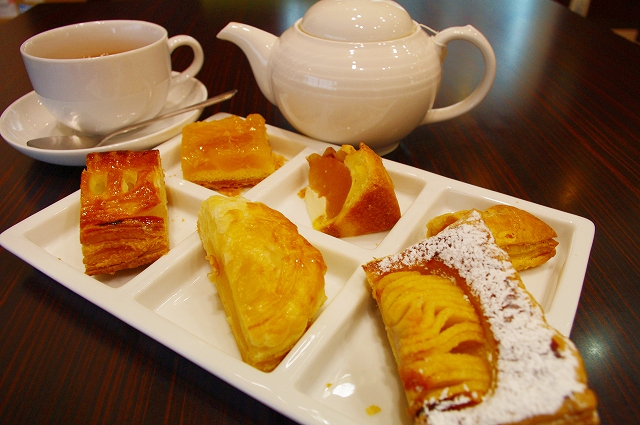
Hirosaki's delicious contribution to food tourism — over 50 bakeries, cafés, and restaurants within the city each create their own distinctive apple pie, resulting in a rich variety of styles from buttery lattice to French-style tarte. The informal 'apple pie road' circuit connects the best shops around the castle park area, making for a memorable afternoon of tastings.

Apple Pie Hirosaki Patisserie Local Sweets
Aomori Apple Varieties & Cider Tasting
📍 Hirosaki, Aomori

Aomori Apple Varieties & Cider Tasting

Aomori Prefecture produces over half of Japan's apples, cultivating more than 50 varieties from the classic Fuji to the rare Mutsu and Sekai-ichi. Visitors can tour roadside orchard stalls and dedicated cider breweries around Hirosaki and Kuroishi, sampling crisp craft ciders made from single-variety harvests. The October apple harvest season brings festivals, picking experiences, and freshly pressed juice.

Apples Cider Local Produce
A-FACTORY Aomori
📍 Aomori City, Aomori

A-FACTORY Aomori

The essential one-stop destination for Aomori food culture — a stylish market building next to Aomori Station showcasing the prefecture's finest edible products. The glass-enclosed cider brewery produces Aomori's famous apple cider on-site; the market hall offers apple juice, local sake, dried scallops, kelp, craft foods, and the best curated Aomori food souvenirs in the prefecture.

Apple Products Local Food Cider Souvenir Shopping
🏔️

자연

6 곳
Oirase Stream (Oirase Keiryu)
📍 Towada-Hachimantai NP, Aomori

Oirase Stream (Oirase Keiryu)

A designated National Scenic Treasure — 14km of pristine forest gorge along a rapid mountain stream, with 14 named waterfalls including the dramatic Choshi and Kumoi falls. The walking trail between Yakeyama and Nenokuchi is one of Japan's most celebrated nature walks, reaching peak beauty during late October's golden and crimson foliage.

Forest Walk Waterfalls National Park Scenic
Oirase–Towada Autumn Foliage Season
📍 Towada-Hachimantai NP, Aomori

Oirase–Towada Autumn Foliage Season

The Oirase Stream gorge and Lake Towada shore together form one of Japan's most celebrated autumn foliage landscapes — maples, beeches, and firs turning gold, orange, and crimson against rushing white water. Peak colour typically falls between October 20–November 5. Unlike Nikko or Kyoto's famous koyo spots, this landscape remains blissfully free of the most intense crowds.

Autumn Leaves Oirase Stream Lake Towada October
Hotokegaura (Buddha Shore) Coast
📍 Sai Village, Aomori

Hotokegaura (Buddha Shore) Coast

One of Japan's most extraordinary coastal landscapes — white dolomite columns rising up to 100 metres from the Sea of Japan along the Shimokita Peninsula's western coast, their shapes resembling Buddhist saints and figures. Medieval monks named individual formations after Bodhisattvas. Accessible only by seasonal boat tour from Sai village, which makes it almost unknown to foreign visitors.

Sea Cliffs Rock Formations Shimokita Boat Tour
Lake Towada
📍 Towada, Aomori

Lake Towada

A double volcanic crater lake sitting at 320 metres above sea level, filled with water of astonishing clarity. The famous 'Otome no Zo' bronze maidens sculpture graces the lakeside, and 50-minute boat tours reveal the lake's extraordinary blue depths. Autumn colours here — mid-October — rank among Japan's finest.

Volcanic Lake Boat Tour Autumn Leaves Scenic Drive
Shirakami-Sanchi (Juniko 33 Lakes)
📍 Nishitsugaru, Aomori

Shirakami-Sanchi (Juniko 33 Lakes)

The largest surviving tract of virgin beech forest in East Asia — UNESCO World Heritage since 1993. The accessible Juniko (33 Lakes) area features trails through ancient beech woodland to a series of mountain lakes, including Aoike (Blue Pond), whose intense cobalt colour rivals Hokkaido's famous Blue Pond. No crowds, just ancient trees and silence.

UNESCO Primeval Beech Forest Lakes Hiking
Hakkoda Mountains & Ropeway
📍 Aomori, Aomori

Hakkoda Mountains & Ropeway

A volcanic plateau 20 minutes from Aomori City, famed for Japan's deepest snowfall — drifts exceeding 8 metres bury the trees, creating sculpted snow monsters (juhyo) beloved by skiers. The ropeway ascends to 1,324 metres year-round: summer brings alpine wildflowers and 360-degree panoramas; winter offers world-class powder skiing and spectacular rime ice.

Ropeway Alpine Skiing Volcanic
🎿

레저

8 곳
Tsuta Onsen Ryokan
📍 Towada NP, Aomori

Tsuta Onsen Ryokan

One of Japan's most atmospheric and difficult-to-book small hot spring inns — a historic thatched-roof ryokan deep in the beech forest of Towada-Hachimantai National Park. Three naturally different hot springs feed wooden tub baths accessed by forest paths. The inn has stood here since 1909; rooms are strictly limited, and bookings open months in advance. Pure magic in autumn foliage season.

Secluded Onsen Beech Forest Historic Inn National Park
Hakkoda Ski Resort
📍 Aomori, Aomori

Hakkoda Ski Resort

One of Japan's legendary powder ski destinations — annual snowfall routinely exceeds 17 metres (among the highest in the world), creating prime conditions for tree skiing in old-growth fir forest. The resort is small (one gondola) but the terrain and snow quality attract serious skiers globally. Snow monsters (juhyo) — fir trees encased in wind-sculpted rime ice — appear from January.

Skiing Powder Snow Off-Piste Deep Snow
Sukayu Onsen
📍 Aomori City area, Aomori

Sukayu Onsen

One of Japan's most historically significant hot springs — operating for over 400 years on the slopes of the Hakkoda volcano. The famous 'sennin-buro' (thousand-person bath) is a vast 160-tatami wooden hall filled with milky sulfuric water, offering one of the last great traditional mixed-gender communal bathing experiences in Japan. Snow outside often exceeds 2 metres even in late March.

Historic Onsen Mixed Bath Hakkoda Milky Sulfur Water
Hakkoda Mountains & Ropeway
📍 Aomori, Aomori

Hakkoda Mountains & Ropeway

A volcanic plateau 20 minutes from Aomori City, famed for Japan's deepest snowfall — drifts exceeding 8 metres bury the trees, creating sculpted snow monsters (juhyo) beloved by skiers. The ropeway ascends to 1,324 metres year-round: summer brings alpine wildflowers and 360-degree panoramas; winter offers world-class powder skiing and spectacular rime ice.

Ropeway Alpine Skiing Volcanic
Tsugaru Apple Orchard Tours
📍 Tsugaru, Aomori

Tsugaru Apple Orchard Tours

Aomori produces 60% of Japan's entire apple harvest — the Tsugaru Plain's orchards are the source of this extraordinary output. From August through November, several farms open for guided picking tours where visitors can taste 20+ apple varieties straight from the tree. Farm stalls sell fresh juice pressed on the spot and single-variety cider that never makes it to city shops.

Apple Picking Farm Tour Tsugaru Seasonal
Aomori Museum of Art (Aomori-ken Bijutsukan)
📍 Aomori City, Aomori

Aomori Museum of Art (Aomori-ken Bijutsukan)

Home to Yoshitomo Nara's colossal 8.5-metre 'Aomori Dog' sculpture — the iconic white dog that has become Aomori's modern symbol. The museum, designed by Jun Aoki with half-buried white volumes referencing archaeological excavation, holds an extensive collection of Nara's fierce-eyed children alongside Marc Chagall's set designs for Aleko.

Yoshitomo Nara Contemporary Art Aomori Dog Architecture
🎆

이벤트

8 곳
Aomori Nebuta Festival (Aug 2–7)
📍 Aomori City, Aomori

Aomori Nebuta Festival (Aug 2–7)

One of Japan's three great festivals — and many argue the most spectacular. Giant illuminated warrior figures (up to 9 metres tall) crafted from wire and washi paper parade through Aomori City each evening, accompanied by thousands of Haneto dancers in matching costume chanting 'Rassera!' The final night (Aug 7) culminates with floats transported onto Aomori Bay.

Summer Festival Nebuta Floats Haneto Dancers One of Japan's Top 3
Hirosaki Sakura Festival (Late Apr – Early May)
📍 Hirosaki, Aomori

Hirosaki Sakura Festival (Late Apr – Early May)

Consistently voted Japan's single finest cherry blossom site — 2,600 trees around Hirosaki Castle reach peak bloom in late April. The signature image: fallen petals pack the castle moat into a solid pink 'hanaikada' (flower raft), framing the castle tower. Evening illumination until 11pm extends the viewing window; local vendors fill the park with food and sake stalls.

Cherry Blossoms Hirosaki Castle Spring Festival Flower Raft
Oirase–Towada Autumn Foliage Season
📍 Towada-Hachimantai NP, Aomori

Oirase–Towada Autumn Foliage Season

The Oirase Stream gorge and Lake Towada shore together form one of Japan's most celebrated autumn foliage landscapes — maples, beeches, and firs turning gold, orange, and crimson against rushing white water. Peak colour typically falls between October 20–November 5. Unlike Nikko or Kyoto's famous koyo spots, this landscape remains blissfully free of the most intense crowds.

Autumn Leaves Oirase Stream Lake Towada October
Hirosaki Castle Cherry Blossom Festival
📍 Hirosaki, Aomori

Hirosaki Castle Cherry Blossom Festival

Held late April to early May, the Hirosaki Cherry Blossom Festival is consistently voted Japan's best hanami destination, with over 2,600 cherry trees of 52 varieties encircling the moats and ramparts of historic Hirosaki Castle. A carpet of fallen petals floats on the castle moat in a phenomenon locals call the 'flower raft,' creating one of Japan's most photographed spring scenes. Evening illuminations transform the blossoms into a glowing pink canopy.

Cherry Blossoms Castle Spring
Hachinohe Emburi Festival (Feb 17–20)
📍 Hachinohe, Aomori

Hachinohe Emburi Festival (Feb 17–20)

One of Japan's most unusual and least-known major festivals — an ancient rice-planting ceremony performed by farmers wearing magnificent horse-head headdresses (eboshi), dancing to pray for a bountiful harvest. Dating back over 800 years, Emburi groups perform simultaneously across Hachinohe City in an experience that feels genuinely archaic. Virtually unknown to foreign visitors.

Winter Festival Shamanic Dance Horse Headdress Unique
Hirosaki Neputa Festival (Aug 1–7)
📍 Hirosaki, Aomori

Hirosaki Neputa Festival (Aug 1–7)

Hirosaki's answer to Aomori's Nebuta — the floats here are fan-shaped (ogi-neri) rather than warrior-form, featuring painted mythological scenes lit from within. The aesthetic is more refined and mysterious than Aomori's powerful warrior figures. Running simultaneously with Aomori Nebuta (Aug 1–7), the two festivals together form the centrepiece of the Tohoku summer festival circuit.

Summer Festival Fan-Shaped Floats Tsugaru Drumming
🎌

체험

2 곳
Tsugaru Shamisen Lesson
📍 Hirosaki, Aomori

Tsugaru Shamisen Lesson

Tsugaru shamisen — the ferociously energetic style of three-stringed lute playing born in Aomori's Tsugaru region — is one of Japan's most visceral musical traditions. Short taster lessons in Hirosaki introduce beginners to basic plucking technique and the characteristic hard-hitting bachi strikes, with instructors who perform in the nationally famous Tsugaru Jamisen competitions.

Shamisen Traditional Music Workshop Cultural
Aomori Apple Picking & Juice Pressing
📍 Hirosaki, Aomori

Aomori Apple Picking & Juice Pressing

Aomori produces 60% of Japan's apples and the region around Hirosaki is blanketed with orchards ripening from August to November. Pick-your-own sessions at family farms let visitors sample 30+ varieties straight from the branch, then press fresh juice in a hand-cranked mill to take home — a pure expression of Japan's finest apple-growing heritage.

Apple Fruit Picking Autumn Cider

💡 실용 여행 정보

방문 전후에 꼭 알아야 할 모든 정보.

🌸
방문하기 좋은 시기
  • 4월 말 – 5월 초 — 히로사키 벚꽃 축제(히로사키 사쿠라 마쓰리, 4월 말~5월 초)는 일본에서 가장 아름답다고 꾸준히 평가받습니다. 해자가 떨어진 꽃잎으로 가득 차 분홍색 카펫을 만듭니다. 호텔은 3~6개월 전에 예약하세요.
  • 8월 2-7일 (네부타 축제) — 도호쿠 달력의 하이라이트. 거대한 조명 종이 수레가 매일 저녁 아오모리시를 행진합니다; 마지막 날(8월 7일)은 수레가 아오모리만으로 진수되며 절정을 이룹니다. 센다이 타나바타(8월 6-8일)와 결합하여 도호쿠 축제 순회를 하세요.
  • 가을 (10월~11월) — 오이라세 계류와 도와다 호수는 일본 최고의 단풍 풍경 중 하나입니다. 절정 색상: 10월 중순~11월 초. 교토보다 적은 인파.
  • 겨울 (12월~3월) — 폭설이 아오모리를 깊은 겨울 풍경으로 변모시킵니다. 스카유 온천의 유명한 혼욕(센닌부로)은 눈 속에서 특히 분위기 있습니다. 사과 따기는 11월에 끝나지만 신선한 사과는 겨울 내내 농장 매점에서 구할 수 있습니다.
💴
예산 가이드
  • 저예산 (¥5,000–¥9,000/일) — 아오모리시 게스트하우스, 센베이지루 세트 점심(¥900–¥1,200), 네부타 박물관 WA RASSE (¥620), 오이라세 계류 버스 여행.
  • 중간 예산 (¥15,000–¥28,000/일) — 히로사키 비즈니스 호텔, 도와다 호수 당일 여행용 렌터카, 아오모리 어시장 신선한 참치 덮밥, 히로사키성 (¥420).
  • 럭셔리 (¥40,000+/일) — 스카유 온천의 가이세키 저녁식사가 포함된 전통 료칸, 오이라세 숲길 개인 가이드, 아오모리시에서 오마 참치 오마카세 스시.
  • 네부타 축제 관람석: ¥2,000–¥3,000. 조명 수레의 앞줄 뷰를 위해 가치가 있습니다.
🚗
교통 수단
  • 오이라세 계류, 도와다 호수, 스카유 온천, 쓰가루 반도 방문을 위해서는 렌터카가 필수입니다. 아오모리역이나 신아오모리역에서 픽업하세요. 도요타 렌터카와 타임즈 카 렌털은 신뢰할 수 있는 영어 GPS 장치를 제공합니다.
  • 아오모리와 히로사키를 잇는 JR 오우 본선은 신뢰할 수 있고 자주 운행합니다(35분, ¥680) — 두 주요 도시만 방문한다면 이것을 이용하세요.
  • 네부타 축제 기간에는 도심 도로가 행렬을 위해 폐쇄됩니다 — 택시와 버스는 통과할 수 없습니다. 호텔에서 노선까지 걸어가거나 히로사키에서 이른 열차를 타세요.
  • 쓰가루 프리 패스 (¥3,500, 4일)는 아오모리-히로사키를 포함한 쓰가루 지역의 JR 열차와 버스 연결을 포함합니다. 차를 렌트하지 않는 경우 유용합니다.
📱
인터넷 연결
  • 아오모리에 도착하기 전에 데이터 SIM이나 포켓 와이파이를 구매하세요 — 아오모리 공항의 선택은 주요 공항에 비해 제한적입니다. 히로시마 브랜드 SIM은 온라인에서 널리 구할 수 있습니다(IIJmio, Mineo).
  • 오이라세 계류와 도와다 호수 주변 시골 지역은 통신 커버리지가 불안정합니다 — 도시를 떠나기 전에 오프라인 지도(Maps.me 또는 구글 지도 오프라인)를 다운로드하세요.
  • 아오모리역, 히로사키역, 대부분의 주요 관광 시설에는 무료 와이파이가 있습니다.
🍽️
음식 & 식사 팁
  • 오마 참치 — 오마(혼슈 최북단 지점)의 참다랑어는 일본 최고로 여겨지며, 차가운 쓰가루 해협의 뛰어난 지방 함량을 자랑합니다. 아오모리시의 후루카와 어시장(朝市) 또는 아오모리 중심가의 전문 참치 레스토랑에서 먹는 것이 최고입니다. 사시미 세트 ¥1,500–¥3,000.
  • 센베이지루 (南部煎餅汁) — 쌀이나 면 대신 부순 밀 크래커를 넣은 전골 수프로 야채와 닭고기 또는 버섯이 들어갑니다. 아오모리와 이웃한 이와테에만 있는 진정한 위안 음식입니다. 현 전역의 전통 레스토랑에서 이용 가능합니다.
  • 쓰가루식 사과 — 아오모리는 일본 사과의 60%를 생산합니다. 쓰가루 평야의 농장 매점에서는 수확기(8월~11월)에 직접 판매합니다. 사과 주스, 애플파이, 사과 사이다는 연중 내내 구할 수 있는 지역 특산품입니다.
  • 아오모리역 옆 A-FACTORY 건물은 아오모리 음식 기념품을 한 곳에서 구입하기에 최고입니다 — 멘타이코 사과 제품, 현지 사케, 말린 가리비, 장인 음식 매점.
🎌
에티켓 & 문화
  • 네부타 축제에서는 수레를 동반하는 하네토 댄서 그룹에 합류할 수 있습니다 — 의상 대여(¥2,000–¥4,000)가 권장됩니다. 구호는 "랏세라, 랏세라, 랏세랏세랏세라!"입니다 — 가기 전에 연습하세요.
  • 쓰가루 방언은 표준 일본어와 현저히 다릅니다 — 현지인들은 방문객의 혼란을 재미있어하며 기꺼이 표준 일본어로 바꿀 것입니다.
  • 스카유 온천의 센닌부로 (천인탕)는 전통적인 남녀 공용 목욕탕입니다 — 현대 일본에서는 드문 경험입니다. 겸손 수건이 제공됩니다; 들어가기 전에 철저히 씻는 온천 에티켓을 따르세요.
  • 아오모리의 시골 문화는 환대(오모테나시)를 중시합니다 — 길을 잃거나 혼란스러울 때 현지인들은 종종 목적지까지 걸어가는 등 도와주기 위해 노력할 것입니다.

🏨 Aomori 호텔 찾기

수백 개의 호텔 가격을 비교해보세요 — 저렴한 캡슐 호텔부터 럭셔리 료칸까지.

Booking.com에서 검색 →

🎌 투어 &amp; 체험

가이드 투어, 당일치기 여행, 요리 교실, 문화 체험을 예약하세요.

Viator에서 투어 보기 →

🗺️ 액티비티 &amp; 명소

줄 서지 마세요 — 입장권, 당일 투어, 현지 체험을 미리 예약하세요.

GetYourGuide에서 탐색 →

🎟️ Aomori에서 즐길 거리

Klook에서 Aomori의 티켓, 교통 패스, 독특한 현지 체험을 발견하세요.

Klook에서 예약 →

🚄 JR 패스 &amp; 기차 티켓

도착 전에 온라인으로 일본 철도 패스를 구매하세요 — 신칸센으로 일본 전국을 여행하는 가장 쉬운 방법입니다.

JRPass.com에서 구매 →
🗺️ Plan