Kyushu · 현 여행 가이드

후쿠오카 여행 가이드

일본에서 가장 살기 좋은 도시 — 자정에도 연기 피어오르는 야타이 노점의 하카타 라멘, 유서 깊은 신사, 뱃놀이, 그리고 규슈의 정취

🍜 하카타 라멘 — 일본 최고의 돈코츠🧆 멘타이코 — 하카타에서 태어난 매콤한 명란⛩️ 다자이후 텐만구 — 1,100년 역사의 학문의 신사🥁 하카타 기온 야마카사 — 일본 3대 축제 중 하나🚣 야나가와 — 뱃놀이를 즐길 수 있는 수향 도시

🗾 소개: Fukuoka

후쿠오카는 일본에서 가장 살기 좋은 도시로 꾸준히 손꼽힙니다 — 그럴 만한 이유가 충분합니다. 진정한 음식 문화(라멘, 멘타이코, 모츠나베, 하카타식 야키토리)와 적당한 도시 규모, 훌륭한 교통망, 온화한 겨울, 도쿄나 오사카와는 다른 여유로운 규슈의 따뜻함이 어우러진 곳입니다. 하카타 지역의 야타이 노점 — 나카스 강변을 따라 늘어선 야외 포장마차 — 은 일본 최고의 심야 식도락 경험을 선사합니다. 남쪽으로 한 시간 거리에는 전국 각지의 학생들이 학문의 신 덴진(天神)의 가호를 빌러 찾아오는 다자이후 텐만구 신사가 있습니다. 후쿠오카는 나가사키, 구마모토성, 벳푸의 지열 온천 지대로의 당일치기 여행을 위한 최적의 거점이기도 합니다.

🌏
위치
규슈 섬 북단 — 하카타만, 한국 해협을 마주보는 위치
🗣️
언어
일본어 (하카타·텐진 지역에서 영어 통용; 하카타역 근처에 한국어 안내판 많음)
💴
화폐
일본 엔(JPY) — IC 카드(스이카·니모카·하야카켄) 광범위하게 사용 가능
🕐
시간대
JST (UTC+9) — 서머타임 없음
🌡️
최적 여행 시기
봄(3~5월) & 가을(10~11월)
✈️
가장 가까운 공항
후쿠오카 공항(FUK) — 지하철로 하카타역까지 6분 (일본에서 도심과 가장 가까운 주요 공항)
🚇
시내 교통
후쿠오카 시영 지하철(3개 노선) + 니시테츠 전철 및 버스 네트워크
전원 콘센트
A형, 100V / 60Hz

✈️ 교통편

후쿠오카 공항은 일본에서 가장 편리한 공항 중 하나로, 지하철로 하카타역까지 단 6분 거리입니다. 신칸센은 후쿠오카(하카타)에서 히로시마, 오사카, 도쿄를 연결합니다. 규슈 신칸센은 남쪽으로 구마모토와 가고시마까지 운행합니다.

✈️ 후쿠오카 공항(FUK)에서
  • 후쿠오카 시영 지하철(공항선) → 하카타 — 6분. ¥260. 세계에서 가장 편리한 공항-도심 연결.
  • 후쿠오카 시영 지하철(공항선) → 텐진 — 11분. ¥260. 주요 쇼핑·오락 지구로 직통.
🚄 일본 주요 도시에서
  • 도쿄 → 하카타(노조미 신칸센) — 4시간 45분. ¥22,950.
  • 오사카(신오사카) → 하카타(노조미) — 2시간 25분. ¥15,870.
  • 히로시마 → 하카타(노조미) — 50분. ¥7,790.
  • 구마모토 → 하카타(규슈 신칸센 사쿠라) — 35분. ¥4,460.
🚇 후쿠오카 시내 교통
  • 후쿠오카 시영 지하철 — 3개 노선(공항선·하코자키선·나나쿠마선). 하카타, 텐진, 오호리 공원, 주요 관광지 대부분 연결. IC 카드 또는 1일 승차권(¥640) 추천.
  • 니시테츠 전철(텐진오무타선) — 후쿠오카(텐진)역에서 다자이후까지: 총 40분(후쓰카이치 환승). ¥420.
  • 니시테츠 버스 — 지하철 노선 외 지역을 아우르는 광범위한 시내버스망. 니시테츠 전 노선에 동일한 IC 카드 사용 가능.
  • 택시 / 우버 — 하카타·텐진 전역에서 쉽게 이용 가능. 후쿠오카에서 우버 운행 중.
💡 여행 팁<strong>후쿠오카 투어리스트 시티 패스</strong>(¥1,500/일)로 시영 지하철 전 노선, 니시테츠 버스, 지정 노선을 무제한 이용할 수 있습니다 — 다자이후 방문이나 지하철을 여러 번 이용할 경우 매우 경제적입니다.

📖 추천 여행 가이드

여행의 모든 측면을 계획하는 데 도움이 되는 심층 가이드 — 주요 관광 명소부터 최고의 레스토랑, 계절 이벤트까지.

⛩️

관광명소

8 곳
Dazaifu Tenmangu Shrine
📍 Dazaifu, Fukuoka

Dazaifu Tenmangu Shrine

Japan's most important shrine dedicated to Sugawara no Michizane, the deity of learning, Dazaifu Tenmangu draws students nationwide to pray for exam success. The ornate main hall dates to 1591, and the 6,000 plum trees burst into fragrant bloom every February, creating a spectacular pink canopy.

Shrine Learning Plum Blossoms History
Miyajidake Shrine & Power Spot
📍 Fukutsu, Fukuoka

Miyajidake Shrine & Power Spot

Miyajidake Shrine on a hillside above Fukutsu city is famous for its 'light road' (hikari no michi) — twice a year at sunset the setting sun aligns perfectly with the shrine's stone staircase and the sea road below, creating a glowing golden corridor. The shrine's enormous shimenawa rope weighs three tonnes.

Shrine Power Spot Sunset Shichi-Go-San
Nanzoin Temple — World's Largest Bronze Buddha
📍 Sasaguri, Fukuoka

Nanzoin Temple — World's Largest Bronze Buddha

Nanzoin's reclining bronze Shakyamuni Buddha is 41 m long and 11 m tall — the world's largest bronze statue — lying serenely in a green valley near Sasaguri. The sprawling temple complex also houses smaller statues, koi ponds, and a prayer hall where visitors rub the Buddha's feet for luck.

Giant Buddha Temple Bronze Spiritual
Mojiko Retro District
📍 Moji-ku, Kitakyushu

Mojiko Retro District

At the tip of Kyushu, the former international trade port of Moji retains its Meiji-Taisho era Western-style buildings — customs house, railway station, and grand hotels — in an atmospheric retro district. The Kanmon Strait separating Kyushu from Honshu can be crossed via a 780-m underwater pedestrian tunnel.

Retro Architecture Port Town History Banana
Kushida Shrine
📍 Hakata-ku, Fukuoka

Kushida Shrine

The guardian shrine of Hakata and focal point of the Gion Yamakasa festival, Kushida Shrine preserves one of the giant yamakasa floats year-round in its treasure hall. The grounds include ancient camphor trees over a thousand years old and an ema collection representing Hakata's merchant history.

Shrine Yamakasa Festival Float Hakata History
Fukuoka Tower
📍 Sawara-ku, Fukuoka

Fukuoka Tower

At 234 m Japan's tallest seaside tower, Fukuoka Tower offers sweeping views from Hakata Bay to the mountains of Kyushu. The mirrored exterior tiles reflect the sea and sky, and the observation floor at 123 m is particularly magical at sunset and during seasonal illuminations.

Tower Observation Deck Bay View Landmark
🍜

미식

5 곳
Fukuoka Yatai Street Food Stalls
📍 Chuo-ku, Fukuoka

Fukuoka Yatai Street Food Stalls

Fukuoka's yatai (open-air food stalls) are a city institution found nowhere else in Japan at this scale. Dozens line the banks of Naka River and Tenjin streets each evening, serving tonkotsu ramen, yakitori, oden, and mentaiko dishes under red lantern light — a warm, communal dining ritual best enjoyed solo at the counter.

Yatai Street Food Night Food Local Experience
Hakata Tonkotsu Ramen
📍 Hakata-ku, Fukuoka

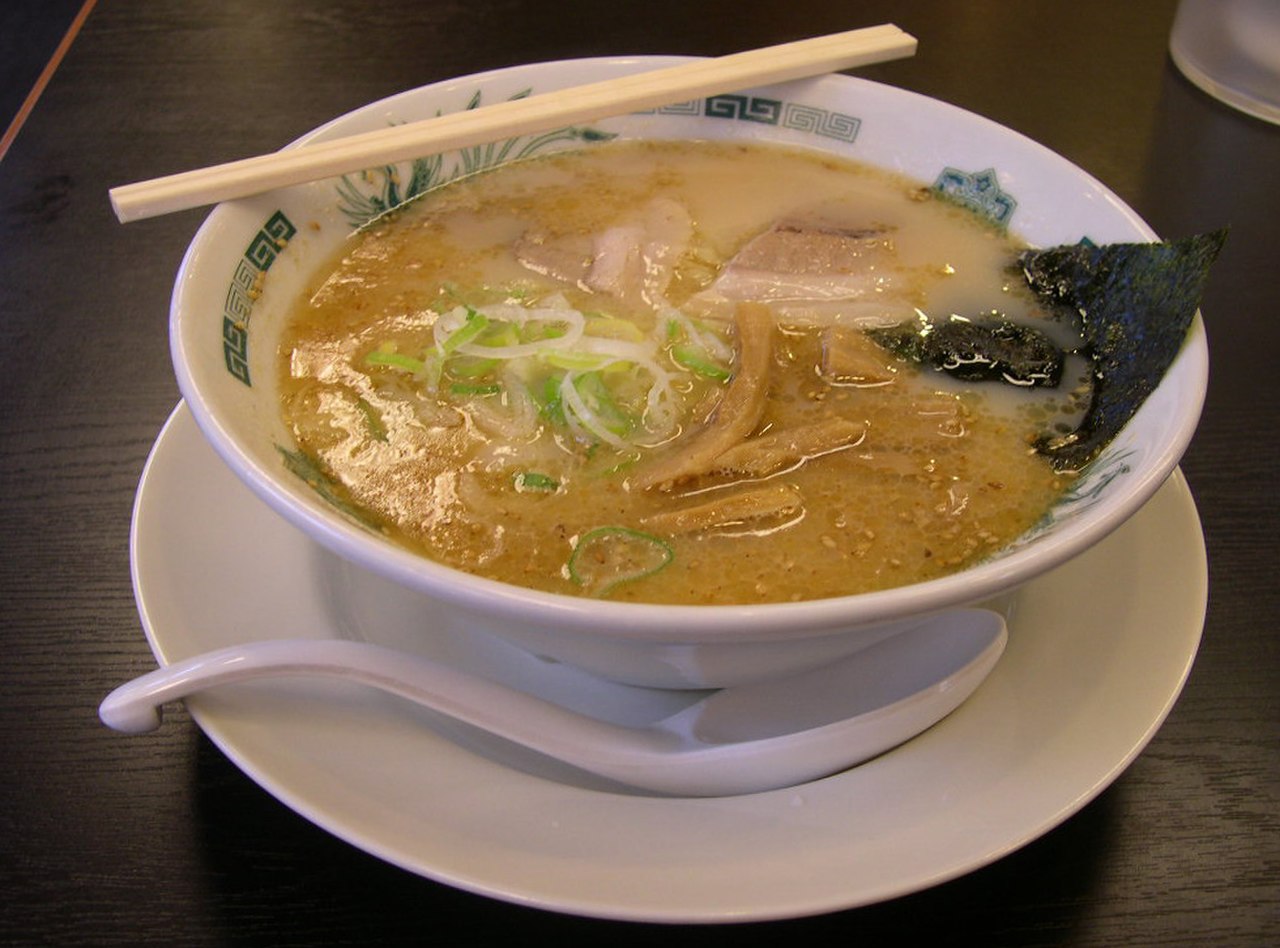
Hakata Tonkotsu Ramen

Hakata ramen — thin straight noodles in a milky pork-bone broth — is the original tonkotsu, invented in Kurume and perfected in Fukuoka. Choose your firmness (kata, or 'hard' is local style) and order kaedama (extra noodles) when your bowl is nearly empty. Shin-Shin and Ichiran are top destinations.

Ramen Tonkotsu Local Specialty Noodles
Itoshima Oyster Huts (Kaki-goya)
📍 Itoshima, Fukuoka

Itoshima Oyster Huts (Kaki-goya)

From November to March, smoke-filled kaki-goya (oyster shacks) pop up along Itoshima's coastline, serving mountains of freshly harvested oysters grilled directly over charcoal on corrugated iron sheets. Diners pick from buckets, prise shells open with metal claws, and devour them with ponzu — a messy, essential winter ritual.

Oysters Seafood Winter Gourmet Local
Mentaiko Culture in Fukuoka
📍 Hakata-ku, Fukuoka

Mentaiko Culture in Fukuoka

Fukuoka is the birthplace of mentaiko — spicy marinated pollock roe — introduced by a Korean immigrant in 1949. Today it flavours everything from ochazuke and pasta to bread and chips. Visit the Fukuya flagship store in Hakata for the full mentaiko experience, or order mentaiko cream pasta at any izakaya.

Mentaiko Pollock Roe Specialty Souvenir
Fukuoka Ramen Stadium
📍 Hakata-ku, Fukuoka

Fukuoka Ramen Stadium

Ramen Stadium on the fifth floor of Canal City Hakata assembles eight iconic ramen shops from across Japan under one roof, from Hakata tonkotsu and Sapporo miso to Kitakata shoyu. Themed in the style of a 1960s Japanese streetscape, it's a fun and delicious way to compare Japan's regional ramen styles side-by-side.

Ramen Food Court Tonkotsu Variety
🏔️

자연

4 곳
Itoshima Peninsula & Futamigaura Beach
📍 Itoshima, Fukuoka

Itoshima Peninsula & Futamigaura Beach

Itoshima's Futamigaura beach is famous for a pair of 'married rocks' (meoto-iwa) connected by a ceremonial rope, with a small vermilion torii gate rising from the sea — a perfect sunset spot. The peninsula combines Fukuoka-grown oysters, craft cafés in old farmhouses, and scenic coastal drives.

Beach Sunset Torii Gate Scenic Drive
Uminonakamichi Seaside Park
📍 Higashi-ku, Fukuoka

Uminonakamichi Seaside Park

Stretching 5 km across the Uminonakamichi peninsula, this national park hosts Japan's finest seasonal flower displays — nemophila covering hillsides in blue waves in spring, zinnia and cosmos in summer and autumn. Cycling paths loop through the entire park and beach access is available on calm Hakata Bay shores.

Seasonal Flowers Cycling Family Park
Ohori Park & Fukuoka Castle Ruins
📍 Chuo-ku, Fukuoka

Ohori Park & Fukuoka Castle Ruins

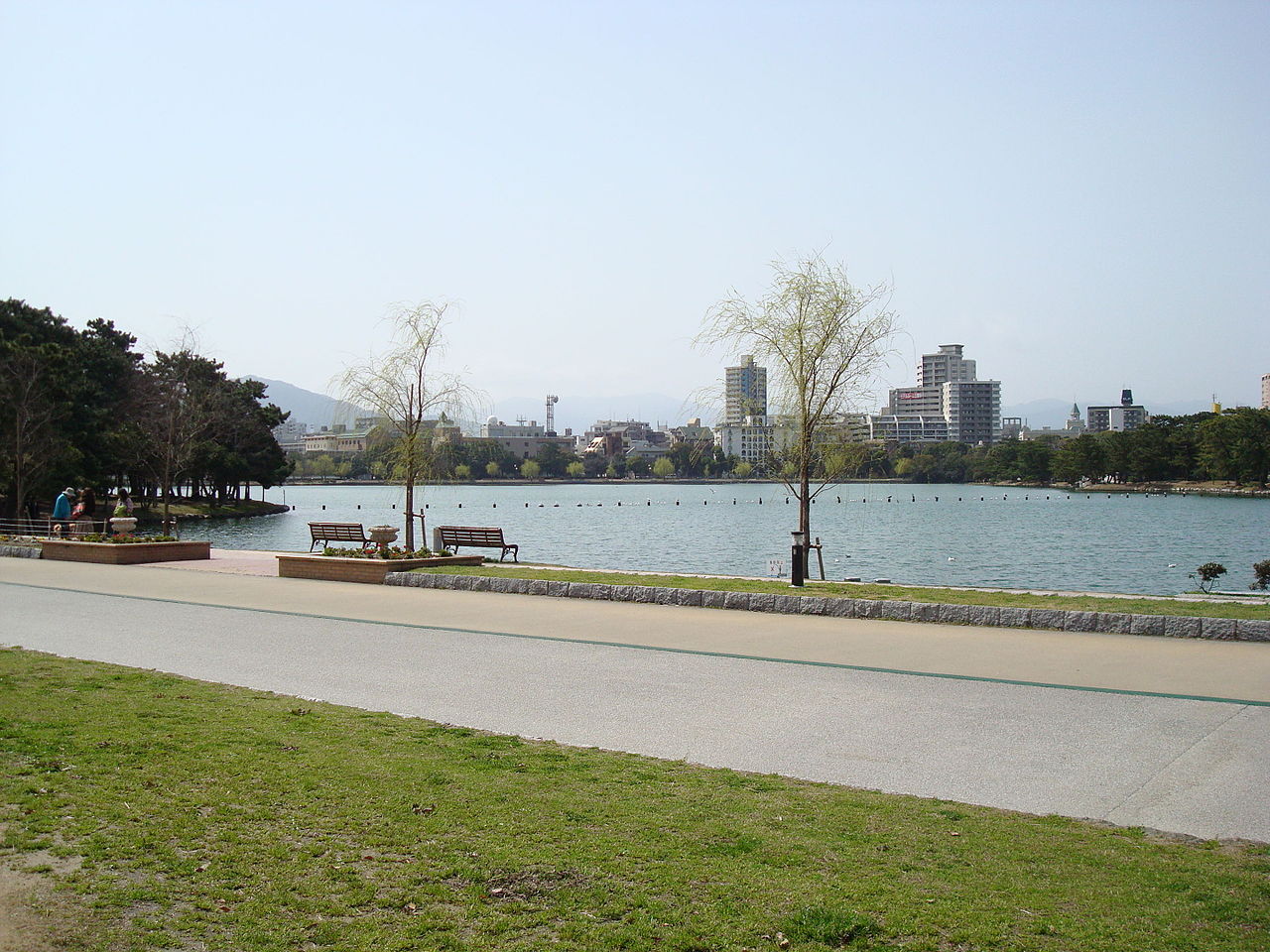
Ohori Park's large central pond, encircled by a 2-km jogging path, connects via a series of picturesque islands and bridges to Maizuru Park where Fukuoka Castle's stone walls and watchtower remain. In spring, over 1,000 cherry trees create a tunnel of blossoms that is among Kyushu's finest.

Park Lake Castle Ruins Cherry Blossoms
Shingu Beach & Genkai Quasi-National Park
📍 Shingu, Fukuoka

Shingu Beach & Genkai Quasi-National Park

North Fukuoka's Genkai coast offers the cleanest ocean swimming in the prefecture, with sandy beaches backed by pine forests and clear blue water perfect for snorkelling and sea kayaking. Shingu-cho and Shingumachi beaches are popular summer destinations easily reached by train from Fukuoka city.

Beach Swimming Sea Kayaking Coastal
🎿

레저

7 곳
Hakata-ori Silk Weaving Experience
📍 Hakata-ku, Fukuoka

Hakata-ori Silk Weaving Experience

Hakata-ori is a 750-year-old silk weaving technique producing the stiff, richly textured obi sashes prized by sumo referees and geisha across Japan. Several studios near Kushida Shrine offer hands-on weaving workshops where visitors create a small coaster or bookmark on a traditional loom to take home.

Traditional Craft Silk Weaving Workshop Cultural Experience
Yanagawa Canal Boat Cruise
📍 Yanagawa, Fukuoka

Yanagawa Canal Boat Cruise

Yanagawa's 930-km network of Edo-period waterways is best explored by traditional wooden punt (donko-bune), poled along by a boatman singing folk songs as you drift past willow-lined canals and white-walled merchant houses. In spring, the canals are lined with cherry blossoms; in summer, iris flowers.

Canal Boat Scenic Edo Period
Itoshima Peninsula & Futamigaura Beach
📍 Itoshima, Fukuoka

Itoshima Peninsula & Futamigaura Beach

Itoshima's Futamigaura beach is famous for a pair of 'married rocks' (meoto-iwa) connected by a ceremonial rope, with a small vermilion torii gate rising from the sea — a perfect sunset spot. The peninsula combines Fukuoka-grown oysters, craft cafés in old farmhouses, and scenic coastal drives.

Beach Sunset Torii Gate Scenic Drive
Ohori Park & Fukuoka Castle Ruins
📍 Chuo-ku, Fukuoka

Ohori Park & Fukuoka Castle Ruins

Ohori Park's large central pond, encircled by a 2-km jogging path, connects via a series of picturesque islands and bridges to Maizuru Park where Fukuoka Castle's stone walls and watchtower remain. In spring, over 1,000 cherry trees create a tunnel of blossoms that is among Kyushu's finest.

Park Lake Castle Ruins Cherry Blossoms
Marine World Uminonakamichi
📍 Higashi-ku, Fukuoka

Marine World Uminonakamichi

Set on the scenic Uminonakamichi peninsula facing Hakata Bay, this large aquarium is famous for its dolphin and sea lion shows, open-air penguin exhibit, and a 50,000-litre shark tank. The surrounding Uminonakamichi Seaside Park adds cycling paths, flower gardens, and beach access.

Aquarium Dolphins Family Seaside
Canal City Hakata
📍 Hakata-ku, Fukuoka

Canal City Hakata

A city within a city, Canal City Hakata is a vast indoor-outdoor retail and entertainment complex carved through by a curving artificial canal. Its dazzling fountain shows, rooftop theatre, and 250+ shops and restaurants make it Fukuoka's most visited leisure destination regardless of weather.

Shopping Entertainment Fountain Show Architecture
🎆

이벤트

3 곳
Hakata Gion Yamakasa Festival
📍 Hakata-ku, Fukuoka

Hakata Gion Yamakasa Festival

Listed as UNESCO Intangible Cultural Heritage, Yamakasa fills Hakata for the entire month of July. The climax is the Oiyama race on July 15 at 4:59 a.m., when competing teams sprint giant festival floats (kazariyama) weighing over a tonne through the old town streets in a breathtaking pre-dawn spectacle.

Festival UNESCO Traditional Racing
Hakata Dontaku Port Festival
📍 Hakata-ku, Fukuoka

Hakata Dontaku Port Festival

Held every May 3–4 across central Fukuoka, Hakata Dontaku is one of Japan's largest festivals with attendance exceeding two million. Parade floats of mythological figures wind through the streets, while dance groups in traditional Hakata costumes perform at dozens of stages city-wide, accompanied by the distinctive sound of shamoji (rice paddle) percussion.

Festival Golden Week Parade Traditional Dance
Fukuoka Halloween & Winter Illumination
📍 Chuo-ku, Fukuoka

Fukuoka Halloween & Winter Illumination

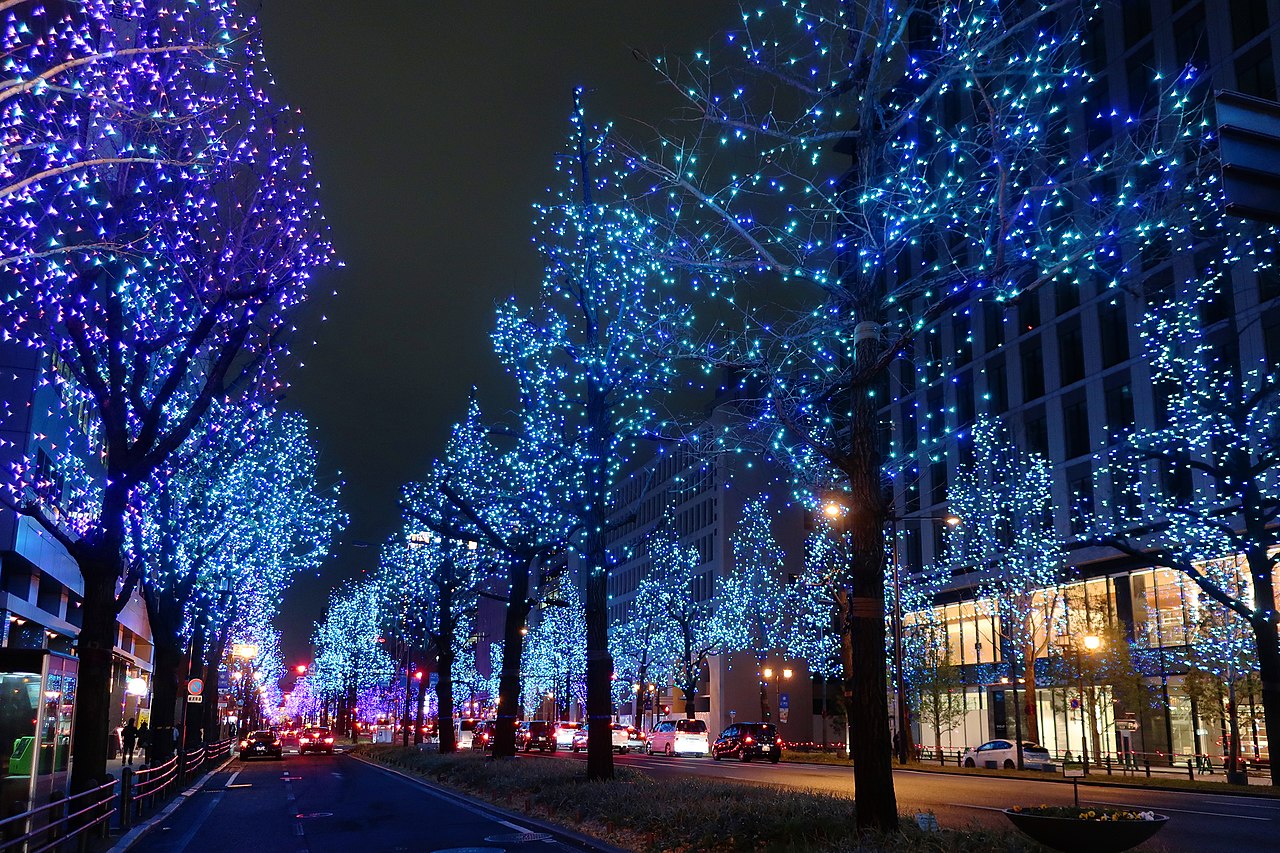
Fukuoka's Tenjin district hosts some of Kyushu's most elaborate seasonal events: vibrant Halloween street parties in October draw tens of thousands in costume, while December brings the Tenjin Christmas Market and spectacular LED illuminations transforming Keyaki-dori avenue into a tunnel of light.

Illumination Winter Events City Festival
🎌

체험

2 곳
Hakata Ramen School
📍 Chuo-ku, Fukuoka

Hakata Ramen School

The Hakata Ramen School in Tenjin offers half-day workshops teaching the secrets of authentic tonkotsu broth — how to blanch and pressure-boil pork bones to achieve the cloudy, collagen-rich white soup, season it with shio or shoyu tare, and cook the ultra-thin straight noodles to the local kata (firm) preference. Participants take home a recipe card and a jar of their own tare blend.

Ramen Cooking Tonkotsu Workshop
Hakata-ori Silk Weaving Experience
📍 Hakata-ku, Fukuoka

Hakata-ori Silk Weaving Experience

Hakata-ori — the 750-year-old silk weaving tradition producing the stiff, brightly striped brocade used in sumo referees' and geisha's obi sashes — is practised by just a handful of certified master weavers. Studios near Kushida Shrine offer hands-on weaving sessions where participants create a small coaster or bookmark on a traditional jacquard loom, experiencing the satisfying resistance of the tight brocade weave.

Hakata-ori Silk Weaving Traditional Craft Obi

💡 실용 여행 정보

방문 전후에 꼭 알아야 할 모든 정보.

🌸
최적 여행 시기
  • 봄(3~5월) — 마이즈루 공원과 나카강변의 벚꽃이 장관을 이룹니다. 온화한 기온(14~22°C)으로 도보 관광과 오호리 공원 자전거 라이딩에 최적입니다.
  • 가을(10~11월) — 연중 가장 좋은 시기: 쾌적한 날씨, 다자이후의 단풍, 활기찬 음식 문화가 어우러집니다.
  • 7월(야마카사) — 하카타 기온 야마카사 축제의 하이라이트인 오이야마(1톤 가마를 든 새벽 달리기)는 7월 15일에 열립니다. 일본에서 가장 박진감 넘치는 축제 중 하나 — 호텔이 일찍 매진되니 미리 예약하세요.
  • 겨울(12~2월) — 일본 북부에 비해 온화한 편입니다. 쌀쌀한 날씨에 더욱 운치 있는 야타이 노점을 즐길 수 있습니다. 1월부터 딸기 시즌이 시작됩니다.
💴
예산 가이드
  • 절약(¥4,000~¥8,000/일) — 하카타·텐진의 게스트하우스, 서서 먹는 라멘(¥700~¥950), 오호리 공원(무료), 야타이 노점 맥주(¥600).
  • 중급(¥12,000~¥22,000/일) — 하카타역 인근 비즈니스 호텔, 다자이후 당일치기, 멘타이코 쇼핑, 2인 모츠나베 저녁(¥3,000~¥4,000).
  • 고급(¥35,000+/일) — 텐진의 디자인 호텔, 오마카세 깃포 디너, 이토시마 반도 전세 차량, 나카스 환락가 사케 바.
  • 당일치기 비용: 다자이후 텐만구(신사 무료, 보물관 ¥500) — 교통비와 우메가에 모찌(화과자) 포함 ¥2,000 예산.
🚇
시내 교통
  • 시영 지하철이 핵심입니다 — 깔끔하고 자주 다니며 이용하기 쉽습니다. 공항에서 스이카, 하야카켄, 또는 니모카 IC 카드를 충전해 두면 모든 전철과 버스를 편리하게 이용할 수 있습니다.
  • 하카타와 텐진은 후쿠오카의 두 중심지입니다. 하카타는 비즈니스·교통의 중심, 텐진은 쇼핑·식도락·나이트라이프의 중심입니다. 지하철로 5분, 도보로 15분 거리입니다.
  • 다자이후는 지하철을 타고 후쓰카이치에서 니시테츠 다자이후선으로 환승하면 됩니다(총 40분, ¥420). 주말에는 텐진에서 다자이후 라이너가 직통 운행합니다.
  • 자전거도 후쿠오카에서 훌륭한 이동 수단입니다 — 오호리 공원에 자전거 대여소가 있으며, 베이사이드 플레이스에서 우미노나카미치까지의 해안 코스는 평탄하고 경치가 아름답습니다.
📱
통신 환경
  • 후쿠오카 공항에서 데이터 SIM 또는 포켓 와이파이를 구입하세요(도심과 매우 가까워 오래 기다릴 필요 없음). IIJmio, 도코모, 소프트뱅크 카운터가 있습니다.
  • 하카타역, 캐널시티 하카타, 주요 쇼핑 지역에서 무료 와이파이를 이용할 수 있습니다. 텐진 지하상가는 전 구역 커버리지를 제공합니다.
  • 후쿠오카시의 후쿠오카 Free Wi-Fi는 나카스와 해안가를 포함한 주요 관광 구역에서 사용 가능합니다.
🍽️
음식 & 식당 팁
  • 야타이 노점(야외 포장마차)은 후쿠오카의 상징적인 심야 음식 문화입니다. 주요 밀집 지역은 나카스 섬과 텐진입니다. 대부분 해질녘부터 새벽 2시경까지 영업합니다. 좋은 자리를 잡으려면 일찍(오후 7~8시) 가세요. 1인당 음료 포함 ¥2,000~¥3,000 예산.
  • 하카타 라멘: 기본 주문은 진한 돈코츠 국물에 가는 직면이 담긴 ¥700~¥900짜리 한 그릇입니다. 대부분의 가게에서 가에다마(면 추가)를 무료로 제공합니다 — 그릇이 거의 비었을 때 요청하세요.
  • 멘타이코(매콤하게 양념한 명란)는 후쿠오카의 대표 식재료입니다. 하카타역 데이토스 지하 식품관에서 기념품으로 구입하세요 — 플레인, 치즈, 다양한 맛으로 구성되어 있습니다.
  • 캐널시티 하카타에는 규슈 지역 요리를 한자리에서 맛볼 수 있는 훌륭한 식당가가 있습니다 — 현지 미식 문화를 편리하게 접할 수 있는 입문 코스입니다.
🎌
에티켓 & 문화
  • 후쿠오카는 뚜렷한 하카타 정체성을 가지고 있습니다 — 현지인들은 행정 명칭인 '후쿠오카'보다 역사적 상인 지구인 '하카타' 출신임을 자랑스러워합니다. 어느 쪽을 써도 무방하지만, 현지인이 친근하게 정정해 줄 수 있습니다.
  • 다자이후 텐만구에서는 학생들이 합격을 기원하는 에마(나무 소원판)를 걸어 놓습니다. 본전은 현재도 활발히 신앙이 이루어지는 장소이므로 조용히 경건하게 관람하세요.
  • 야타이 노점 에티켓: 빈자리가 있을 때만 앉고, 계산서를 나누어 달라고 하지 마세요(각자 주문하고 개별 결제), 노점이 붐빌 때는 오래 자리를 차지하지 않도록 합니다.
  • 한국·중국과 가까운 지리적 특성 덕분에 대부분의 일본 도시보다 국제적인 분위기를 풍깁니다 — 중심가에서는 영어·한국어 메뉴가 점점 늘어나고 있습니다.

🏨 Fukuoka 호텔 찾기

수백 개의 호텔 가격을 비교해보세요 — 저렴한 캡슐 호텔부터 럭셔리 료칸까지.

Booking.com에서 검색 →

🎌 투어 &amp; 체험

가이드 투어, 당일치기 여행, 요리 교실, 문화 체험을 예약하세요.

Viator에서 투어 보기 →

🗺️ 액티비티 &amp; 명소

줄 서지 마세요 — 입장권, 당일 투어, 현지 체험을 미리 예약하세요.

GetYourGuide에서 탐색 →

🎟️ Fukuoka에서 즐길 거리

Klook에서 Fukuoka의 티켓, 교통 패스, 독특한 현지 체험을 발견하세요.

Klook에서 예약 →

🚄 JR 패스 &amp; 기차 티켓

도착 전에 온라인으로 일본 철도 패스를 구매하세요 — 신칸센으로 일본 전국을 여행하는 가장 쉬운 방법입니다.

JRPass.com에서 구매 →
🗺️ Plan