Chugoku · 현 여행 가이드

히로시마 여행 가이드

비극에서 아름다움으로 재건된 도시 — 미야지마의 주홍빛 도리이, 겹겹이 쌓인 오코노미야키, 그리고 세계에서 가장 강렬한 평화의 상징

🕊️ 원폭 돔 — 유네스코 세계문화유산⛩️ 이츠쿠시마 신사 — 물 위의 도리이 문🦪 히로시마 굴 — 일본 최고의 굴🥞 히로시마 오코노미야키 — 층층이 쌓은 일본식 팬케이크🚴 시마나미 카이도 — 일본 최고의 사이클링 코스

🗾 소개: Hiroshima

히로시마는 역사를 놀라운 품위로 간직하고 있습니다. 원폭 돔과 평화 기념 공원은 세계에서 가장 감동적인 장소 중 하나로, 이 도시의 놀라운 활력을 결코 가리지 않는 필수 방문지입니다. 현대의 히로시마는 겹겹이 쌓은 오코노미야키와 히로시마 만에서 양식한 일본 최고의 굴을 중심으로 한 독특한 음식 문화를 가진 활기차고 미래 지향적인 도시입니다. 페리로 한 시간 거리의 미야지마 섬은 세토 내해에서 유명한 물 위의 도리이 문, 야생 사슴, 그리고 이츠쿠시마 신사의 고대 건축물과 함께 우뚝 솟아 있습니다. 활동적인 여행자에게는, 혼슈와 시코쿠를 섬과 섬을 잇는 다리들로 연결하는 70km의 사이클링 코스인 시마나미 카이도가 아시아 최고의 사이클링 경험 중 하나입니다.

🌏
위치
혼슈 섬, 주고쿠 지방 — 히로시마 만, 세토 내해 연안
🗣️
언어
일본어 (평화 공원 지역과 미야지마에서는 영어가 폭넓게 통용됨)
💴
통화
일본 엔 (JPY) — IC 카드 광범위하게 사용 가능
🕐
시간대
JST (UTC+9) — 서머타임 없음
🌡️
최적 시기
봄 (3월~4월) & 가을 (10월~11월)
✈️
가장 가까운 공항
히로시마 공항 (HIJ) — 버스로 시내까지 45분
🚇
시내 교통
히로시마 노면전차 (트램) — 200엔 균일 요금, 주요 명소 전체 커버
전원 플러그
A타입, 100V / 60Hz

✈️ 교통편

히로시마는 산요 신칸센 노선으로 잘 연결되어 있습니다. 시내 노면전차 네트워크는 일본에서 가장 편리한 것 중 하나로, 균일 요금 ¥200으로 평화 공원과 미야지마행 페리 터미널을 포함한 전 노선을 이용할 수 있습니다. 히로시마 공항은 시내에서 동쪽으로 고속버스로 45분 거리입니다.

✈️ 히로시마 공항 (HIJ)에서 출발
  • 공항 리무진 버스 → 히로시마역 — 45분. ¥1,340. 15~30분마다 직행 운행.
  • 공항 리무진 버스 → 신칸센 출구 — 45분. 동일 요금. 신칸센을 바로 이용할 경우 편리.
🚄 일본 다른 도시에서 출발
  • 도쿄 → 히로시마 (노조미 신칸센) — 4시간. ¥18,380.
  • 오사카 (신오사카) → 히로시마 (노조미) — 1시간. ¥10,440.
  • 후쿠오카 (하카타) → 히로시마 (노조미) — 50분. ¥7,790.
  • 교토 → 히로시마 (노조미) — 1시간 20분. ¥11,510.
🚇 히로시마 시내 교통
  • 히로시마 전기철도 (트램) — 시내 어느 구간이나 균일 요금 ¥200. 1호선, 2호선, 6호선이 평화 공원, 혼도리 쇼핑가, 페리 선착장 (히로덴 우지나)을 커버. IC 카드를 구입하면 편리하게 탑승 가능.
  • 미야지마 페리 (JR 페리) — 미야지마구치역에서 출발: 10분 소요, 편도 ¥200 (JR 패스 소지 시 무료). 페리는 10~15분마다 운행.
  • 히로시마 버스 — 히로시마 성 및 트램이 커버하지 않는 외곽 지역 이용 시 유용.
💡 여행 팁<strong>히로시마 투어리스트 패스</strong> (1일권 ¥700 / 2일권 ¥1,000)로 히로시마 시내 트램을 무제한 이용할 수 있습니다. 미야지마 당일치기 여행에는 JR 페리 구간을 추가하세요 — JR 패스로 이용 가능합니다.

📖 추천 여행 가이드

여행의 모든 측면을 계획하는 데 도움이 되는 심층 가이드 — 주요 관광 명소부터 최고의 레스토랑, 계절 이벤트까지.

⛩️

관광명소

9 곳
Miyajima Island & Itsukushima Shrine
📍 Hatsukaichi, Hiroshima

Miyajima Island & Itsukushima Shrine

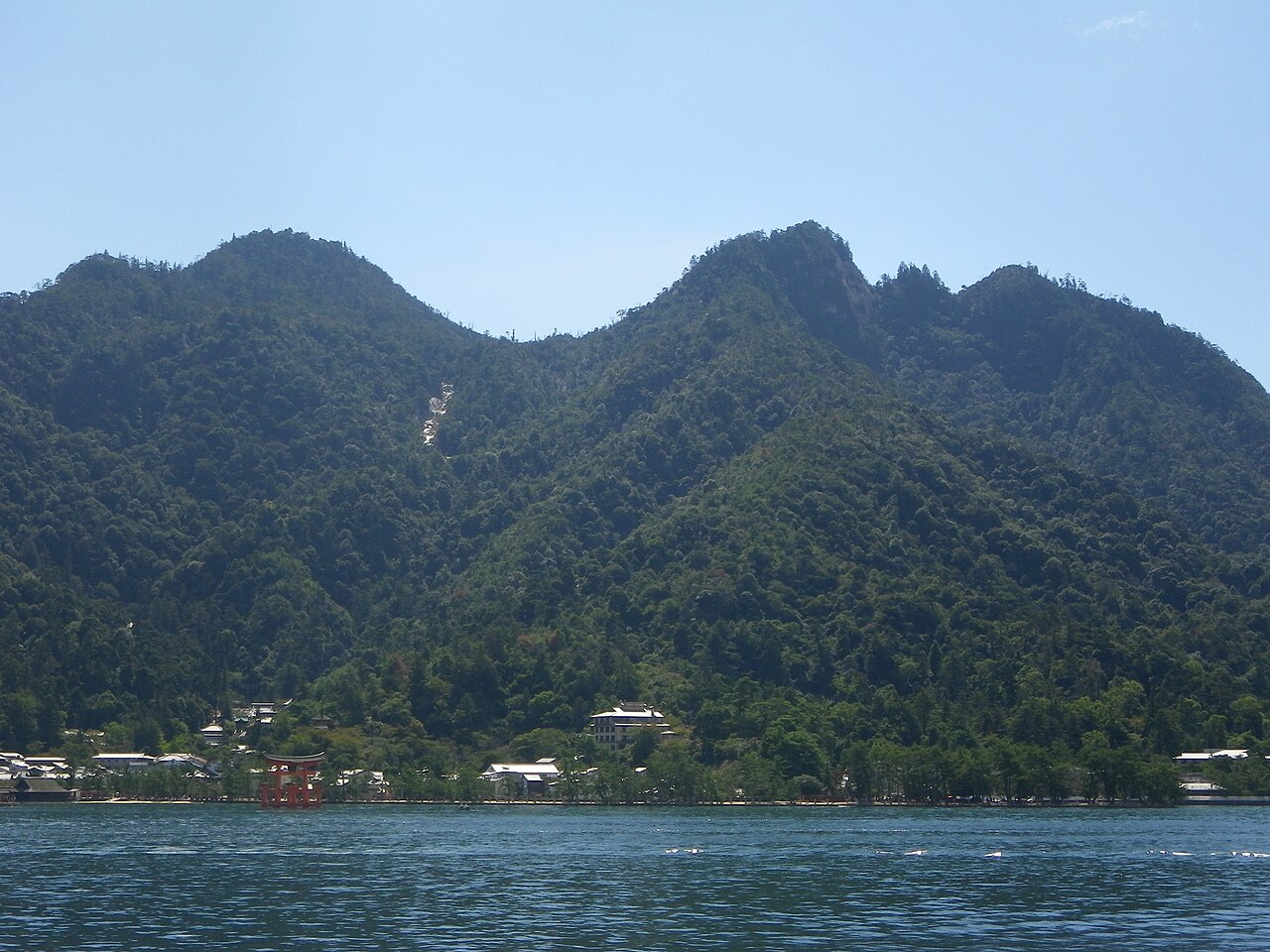
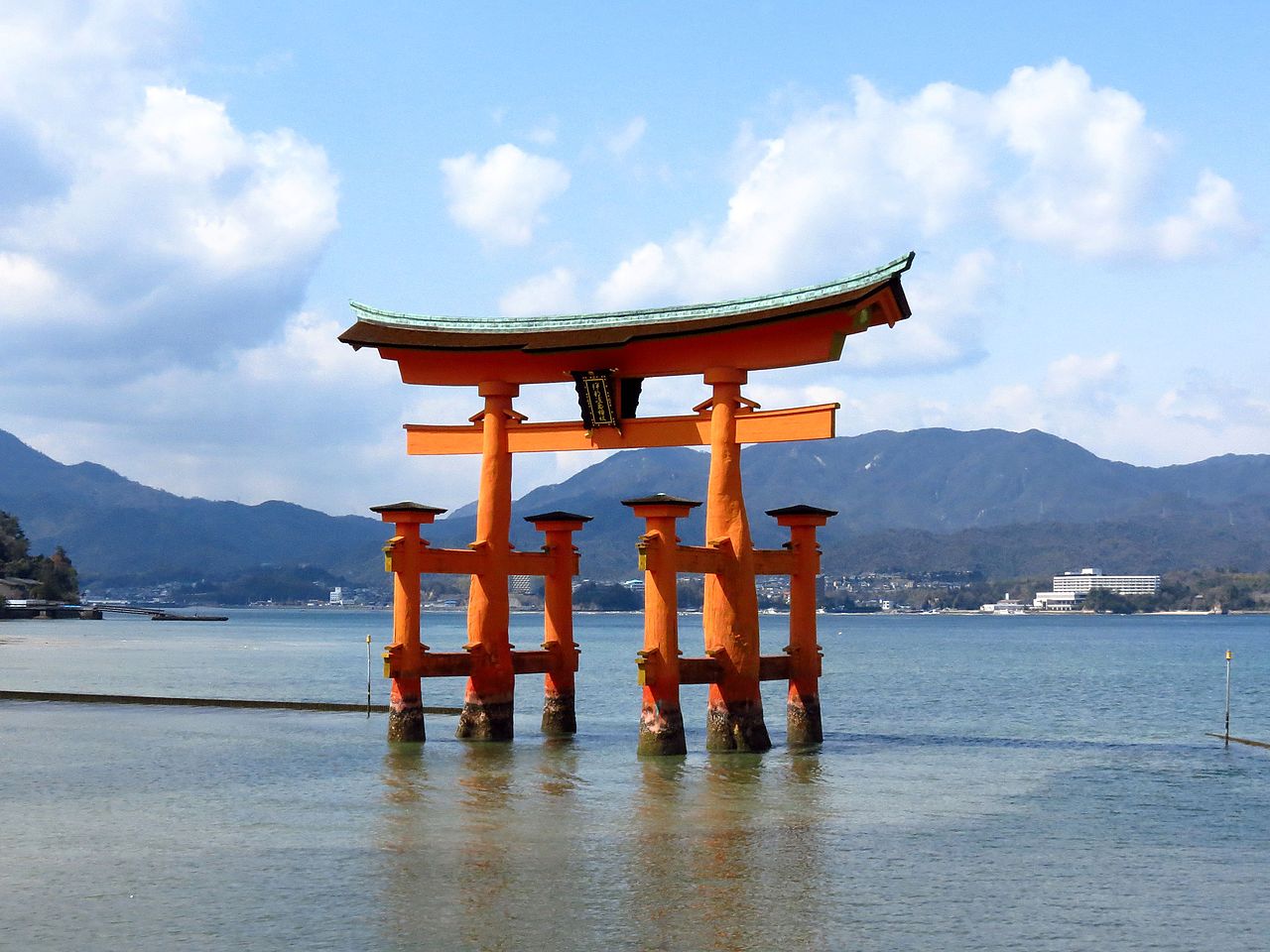
Itsukushima Shrine's iconic vermilion torii gate appears to float on the water at high tide, making this one of Japan's most photographed scenes. Miyajima Island also shelters sacred deer, a five-storey pagoda, and forested hiking trails leading to Mt. Misen's panoramic summit.

UNESCO Floating Torii Island Shrine
Hiroshima Peace Memorial Park
📍 Naka-ku, Hiroshima

Hiroshima Peace Memorial Park

The symbolic heart of Hiroshima, this park surrounds the ruins of the Genbaku Dome — the only structure left standing near the 1945 atomic bomb hypocenter. Wander cenotaphs, the Children's Peace Monument, and the eternal flame to absorb the city's profound message of peace and resilience.

UNESCO Atomic Bomb Dome Peace History
Hiroshima Peace Memorial Museum
📍 Naka-ku, Hiroshima

Hiroshima Peace Memorial Museum

One of Japan's most important museums, documenting the human toll of the 1945 atomic bombing through personal artifacts, photographs, and survivor testimonies. Deeply moving and essential for understanding modern history, the museum advocates nuclear abolition and world peace.

Museum History Atomic Bomb UNESCO
Onomichi Temple Walk & Cat Alley
📍 Onomichi, Hiroshima

Onomichi Temple Walk & Cat Alley

Onomichi's hillside lanes connect 25 temples and shrines via a scenic walking path loved by filmmakers and artists. The narrow alleys are famous for their cats, vintage shotengai shopping streets, and sweeping views over the Onomichi Channel and island-dotted Setonaikai.

Temple Walk Cats Retro Town Scenic
Kure: Yamato Museum & Iron Whale Museum
📍 Kure, Hiroshima

Kure: Yamato Museum & Iron Whale Museum

Kure's maritime heritage shines at two world-class museums. The Yamato Museum displays a 1:10 model of the legendary battleship alongside wartime artefacts, while JMSDF Kure Museum (Iron Whale) lets visitors board a real decommissioned submarine for a unique inside look at naval life.

Battleship Naval History Museum Submarine
Tomonoura Historic Port Town
📍 Fukuyama, Hiroshima

Tomonoura Historic Port Town

One of the Seto Inland Sea's best-preserved Edo-period port towns, Tomonoura's stone-walled harbour, old merchant houses, and evening glow over the sea inspired Hayao Miyazaki's Ponyo. Walk along the ancient quay and sip local bingo-mirin sake at a centuries-old brewery.

Historic Port Retro Setonaikai Filming Location
🍜

미식

5 곳
Hiroshima Oysters
📍 Hiroshima Prefecture

Hiroshima Oysters

Hiroshima produces over 60% of Japan's oysters, nurtured in the mineral-rich waters of the Seto Inland Sea. Enjoy them grilled (kaki-yaki), deep-fried (kaki-furai), or raw at waterfront restaurants in Miyajima or the city's oyster bars — best from October to March.

Oysters Seafood Local Specialty Setonaikai
Hiroshima-style Okonomiyaki
📍 Naka-ku, Hiroshima

Hiroshima-style Okonomiyaki

Unlike the mixed Osaka-style, Hiroshima okonomiyaki layers thin batter, cabbage, pork, and yakisoba noodles on a hot iron griddle, finished with a sweet-savoury sauce. Okonomimura — a six-storey building crammed with small stalls — is the pilgrimage site for this beloved local dish.

Okonomiyaki Street Food Local Specialty Noodles
Saijo Sake Brewery District
📍 Higashihiroshima, Hiroshima

Saijo Sake Brewery District

Saijo in eastern Hiroshima is one of Japan's top three sake-brewing towns. Eight historic breweries cluster together, their white-washed kura topped with distinctive red-brick chimneys. Visit during the October Sake Festival when 75,000 sake lovers pour into the streets for tastings.

Sake Brewery Tasting Kura
Momiji Manju Tasting
📍 Hatsukaichi, Hiroshima

Momiji Manju Tasting

Hiroshima's most famous souvenir is the maple-leaf-shaped momiji manju — a soft cake filled with sweet bean paste, custard, or chocolate. Miyajima has several bakeries where you can watch them being made fresh on cast-iron molds and eat them warm straight from the griddle.

Wagashi Souvenir Maple Leaf Sweet
Hiroshima-style Ramen
📍 Hiroshima City, Hiroshima

Hiroshima-style Ramen

Hiroshima ramen features straight noodles in a light soy-sauce-based chicken broth, often topped with chashu pork, menma, and green onions. Unlike Osaka or Sapporo ramen, the flavour is clean and delicate. The Eba district is particularly known for its long-established ramen shops.

Ramen Soy Sauce Local Food Noodles
🏔️

자연

5 곳
Shimanami Kaido Cycling
📍 Onomichi, Hiroshima

Shimanami Kaido Cycling

The Shimanami Kaido is a 70-km cycling route crossing six islands between Onomichi, Hiroshima and Imabari, Ehime via a series of spectacular suspension bridges over the Seto Inland Sea. Rental bikes are available at each island, and the scenery — citrus orchards, fishing villages, and open sea — is spectacular.

Cycling Bridge Seto Inland Sea Scenic Route
Miyajima Autumn Foliage
📍 Hatsukaichi, Hiroshima

Miyajima Autumn Foliage

From late October to mid-November, Miyajima Island transforms into a blaze of crimson and gold as the maple, cherry, and oak trees turn. The combination of autumn colour reflected in the sea around the floating torii gate and the sacred deer wandering amid fallen leaves is ethereally beautiful.

Autumn Leaves Maple Island Scenic
Mt. Misen Hiking (Miyajima)
📍 Hatsukaichi, Hiroshima

Mt. Misen Hiking (Miyajima)

At 535 m, Mt. Misen is Miyajima's highest peak and one of its most sacred. Three hiking trails wind through primeval forest past giant boulders, stone Buddhas, and the Eternal Fire — said to have burned for 1,200 years. The summit reveals jaw-dropping views across the Seto Inland Sea.

Hiking Summit Panoramic View Sacred Mountain
Sandankyo Gorge
📍 Akiota, Hiroshima

Sandankyo Gorge

A 16-km ravine carved through pristine mountain forest, Sandankyo rewards hikers with a string of emerald pools, suspension bridges, and the multi-tiered Mishigo Waterfall. Autumn foliage transforms the gorge into a mosaic of red, orange, and gold from late October.

Gorge Waterfalls Hiking Autumn Leaves
Shukkeien Garden
📍 Naka-ku, Hiroshima

Shukkeien Garden

A miniature landscape garden designed in 1620, Shukkeien compresses mountains, rivers, and forests into a strolling garden centred on a carp-filled pond. It miraculously survived near-total destruction in 1945 and today offers a tranquil green refuge in central Hiroshima.

Japanese Garden Teahouse Koi Pond Cherry Blossoms
🎿

레저

6 곳
Shimanami Kaido Cycling
📍 Onomichi, Hiroshima

Shimanami Kaido Cycling

The Shimanami Kaido is a 70-km cycling route crossing six islands between Onomichi, Hiroshima and Imabari, Ehime via a series of spectacular suspension bridges over the Seto Inland Sea. Rental bikes are available at each island, and the scenery — citrus orchards, fishing villages, and open sea — is spectacular.

Cycling Bridge Seto Inland Sea Scenic Route
Seto Inland Sea Island Cruise
📍 Seto Inland Sea, Hiroshima

Seto Inland Sea Island Cruise

The Setonaikai (Seto Inland Sea) is dotted with over 3,000 islands best explored by ferry. Routes from Onomichi lead to art-island Ikuchijima (Kosanji Temple) and Setoda. The calm blue water, pine-covered islands, and distant mountain silhouettes create scenery described as the Inland Sea of Japan.

Cruise Island Hopping Scenic Art Islands
Onomichi Temple Walk & Cat Alley
📍 Onomichi, Hiroshima

Onomichi Temple Walk & Cat Alley

Onomichi's hillside lanes connect 25 temples and shrines via a scenic walking path loved by filmmakers and artists. The narrow alleys are famous for their cats, vintage shotengai shopping streets, and sweeping views over the Onomichi Channel and island-dotted Setonaikai.

Temple Walk Cats Retro Town Scenic
Saijo Sake Brewery District
📍 Higashihiroshima, Hiroshima

Saijo Sake Brewery District

Saijo in eastern Hiroshima is one of Japan's top three sake-brewing towns. Eight historic breweries cluster together, their white-washed kura topped with distinctive red-brick chimneys. Visit during the October Sake Festival when 75,000 sake lovers pour into the streets for tastings.

Sake Brewery Tasting Kura
Mazda Zoom-Zoom Stadium Hiroshima
📍 Minami-ku, Hiroshima

Mazda Zoom-Zoom Stadium Hiroshima

Home of the Hiroshima Toyo Carp, one of Japan's most passionate baseball fan bases, Mazda Zoom-Zoom Stadium opened in 2009 with a retro open design that keeps fans close to the action. A full-stadium night game under the lights, with red-clad carp fans filling the stands, is an unforgettable experience.

Baseball Sports Carp Stadium
Shukkeien Garden
📍 Naka-ku, Hiroshima

Shukkeien Garden

A miniature landscape garden designed in 1620, Shukkeien compresses mountains, rivers, and forests into a strolling garden centred on a carp-filled pond. It miraculously survived near-total destruction in 1945 and today offers a tranquil green refuge in central Hiroshima.

Japanese Garden Teahouse Koi Pond Cherry Blossoms
🎆

이벤트

4 곳
Hiroshima Peace Memorial Lantern Floating
📍 Naka-ku, Hiroshima

Hiroshima Peace Memorial Lantern Floating

Every August 6th on the anniversary of the atomic bombing, thousands of paper lanterns are floated down the Motoyasu River past the Atomic Bomb Dome as dusk falls. This deeply moving ceremony honours the victims and draws visitors from around the world in a silent vigil of hope.

Lantern Festival Peace August 6 Obon
Hiroshima Sake Festival (Saijo)
📍 Higashihiroshima, Hiroshima

Hiroshima Sake Festival (Saijo)

Every second weekend of October, Saijo's brewery district hosts one of Japan's greatest sake celebrations. Attendees receive a festival cup and wander freely between eight historic breweries, sampling dozens of varieties. Over 75,000 visitors fill the lantern-lit streets each year.

Sake Autumn Festival Tasting Brewery
Hiroshima Flower Festival
📍 Naka-ku, Hiroshima

Hiroshima Flower Festival

Held every Golden Week (May 3–5) along the Peace Boulevard, Hiroshima's biggest festival draws over a million visitors with elaborate parade floats, regional food stalls, live stages, and a sea of flowers. The festival's joyful atmosphere powerfully symbolises Hiroshima's spirit of renewal and hope.

Festival Parade Golden Week Flowers
Hiroshima Illuminage
📍 Naka-ku, Hiroshima

Hiroshima Illuminage

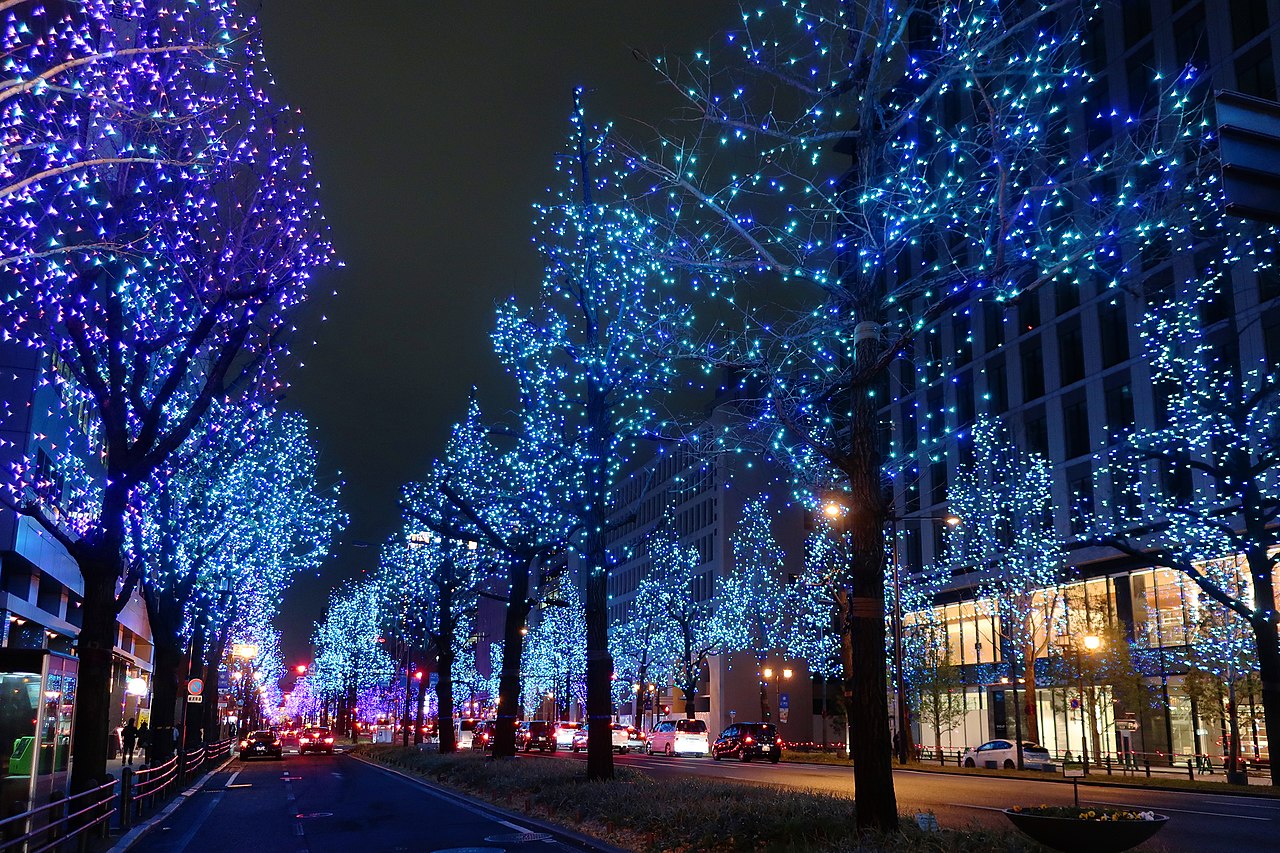
Each winter, Orizuru Tower and Peace Boulevard light up with millions of LED installations drawing on Hiroshima's iconic imagery — folded paper cranes, atomic dome silhouettes, and cherry blossoms — creating a dreamlike nocturnal walk that celebrates life, hope, and the city's vibrant future.

Illumination Winter Light Festival Family
🎌

체험

2 곳
Hiroshima Okonomiyaki Cooking Class
📍 Naka-ku, Hiroshima

Hiroshima Okonomiyaki Cooking Class

Learning to make Hiroshima-style okonomiyaki — the layered crepe-noodle-cabbage pancake that differs fundamentally from Osaka's mixed style — requires mastering the iron griddle, the precise layering sequence, and the perfectly timed flip that keeps all layers intact. Cooking classes in Okonomimura run by veteran okonomiyaki cooks teach the exact technique, ending with eating your creation topped with sauce and bonito.

Okonomiyaki Cooking Local Food Workshop
Hiroshima Paper Crane Origami Workshop
📍 Naka-ku, Hiroshima

Hiroshima Paper Crane Origami Workshop

The paper crane (orizuru) is Hiroshima's symbol of peace and healing, inspired by Sadako Sasaki who folded 1,000 cranes during her atomic bomb illness. Workshops near the Peace Memorial Park teach traditional origami from simple cranes to complex modular designs, explaining the senbazuru (1,000 cranes) tradition and the cultural significance of each fold in the context of Hiroshima's story.

Origami Paper Crane Peace Workshop

💡 실용 여행 정보

방문 전후에 꼭 알아야 할 모든 정보.

🌸
방문 최적 시기
  • 봄 (3월 말~4월) — 평화 기념 공원과 히로시마 성 해자의 벚꽃이 장관을 이룹니다. 미야지마의 벚나무가 도리이 문과 함께 피어나 드라마틱한 사진을 남길 수 있습니다.
  • 가을 (10월~11월) — 미야지마의 단풍(모미지) 시즌이 유명합니다 — 모미지다니(단풍 계곡) 공원이 선명한 빨간색과 주황색으로 물들고, 가을 방문객이 봄보다 적습니다.
  • 겨울 (12월~2월) — 히로시마의 겨울은 온화합니다. 굴 시즌이 절정(10월~3월)에 달하며, 미야지마와 히로시마 시내 굴 전문 식당에서 신선한 구운 굴을 즐기기에 최적의 시기입니다.
  • 여름 (7월~8월) — 8월 6일 평화 기념식은 매우 감동적이며 전 세계에서 방문객이 모여듭니다. 덥고 습하므로 가벼운 옷을 준비하세요.
💴
예산 가이드
  • 저예산 (¥5,000~¥9,000/일) — 히로시마역 근처 게스트하우스, 오코노미무라에서 오코노미야키 (¥1,000~¥1,200), 평화 공원 입장 (무료), 트램 1일 패스 (¥700).
  • 중간 예산 (¥15,000~¥25,000/일) — 평화 공원 근처 비즈니스 호텔, 미야지마에서 신선한 굴 점심, 이츠쿠시마 신사 (¥300), 아나고 밥 저녁 식사.
  • 고급 (¥40,000+/일) — 미야지마 섬 료칸 숙박과 가이세키 만찬, 시마나미 카이도 프라이빗 사이클링 투어, 만조 때 일몰 도리이 감상.
  • 미야지마: 이츠쿠시마 신사 ¥300. 히로시마 평화 기념관 ¥200. 두 곳 모두 훌륭한 가성비.
🚇
시내 교통
  • 트램 (노면전차)은 히로시마를 이동하는 가장 쉬운 방법입니다 — 균일 요금 ¥200, 자주 운행하며 이용이 간편합니다. 2호선이 평화 기념 공원 정류장(겐바쿠 돔 앞)으로 직접 연결됩니다.
  • 미야지마는 트램으로 히로덴 미야지마구치까지 이동한 후 JR 페리(10분, ¥200)를 이용하세요. 섬 전체가 도보로 충분합니다.
  • 시마나미 카이도는 오노미치(히로시마에서 JR로 40분)에서 시작합니다. 오노미치 항에서 자전거를 대여해 이마바리까지 편도 라이딩(70km, 1~2일)이 가능합니다.
  • 렌터카는 히로시마현의 농촌 지역 탐방에 매우 유용합니다 — 다이샤쿠쿄 계곡과 산단쿄 계곡은 자동차로 접근하기가 가장 편리합니다.
📱
통신 환경
  • 히로시마 공항 또는 히로시마역에서 데이터 SIM 또는 포켓 WiFi를 구입하세요. IIJmio, 도코모, au에 공항 카운터가 있습니다.
  • 평화 기념관, 미야지마, 대부분의 관광 명소에서 무료 공공 WiFi를 이용할 수 있습니다.
  • Google 지도는 히로시마 트램 노선 탐색에 잘 작동합니다 — 트램 노선 번호와 목적지 정류장을 검색하세요.
🍽️
음식 & 식사 팁
  • 오코노미무라 (오코노미야키 빌리지) — 각자의 레시피를 가진 25개의 오코노미야키 가게가 들어선 3층 건물입니다. 철판 카운터에 앉아 셰프가 층층이 쌓는 과정을 직접 보세요. 가격은 ¥900~¥1,300.
  • 히로시마 굴은 일반적으로 10월~4월에 먹을 수 있습니다. 카키후라이(튀김), 카키고항(굴밥), 또는 미야지마 굴 노점에서 반 껍데기째 구운 굴을 주문해 보세요.
  • 아나고 메시(붕장어 밥도시락)는 히로시마의 대표적인 역 도시락으로, 가장 유명한 것은 미야지마구치역 우에노 가게의 제품입니다. 페리 탑승 전에 미리 구입하세요.
  • 히로시마의 혼도리 쇼핑 아케이드에는 관광 중 간단한 점심을 즐기기 좋은 훌륭한 푸드 코트와 서서 먹는 바가 있습니다.
🎌
예절 & 문화
  • 평화 기념 공원에서는 조용하고 경건한 태도를 유지하세요. 위령비와 어린이 평화 기념비는 진정한 추모의 장소이므로 목소리를 낮추세요.
  • 미야지마에서 사슴은 야생이며 음식을 훔쳐갑니다 — 지도, 가방, 종이로 된 것이면 무엇이든 포함됩니다. 음식은 가방 안에 넣어 두고 사슴에게 먹이를 주지 마세요.
  • 이츠쿠시마 신사는 현역 신사입니다 — 도리이 문 앞에서 고개를 숙여 인사하고 표준 신사 예절을 지키세요 (큰 소리 금지, 신사 복도 내 취식 금지).
  • 히로시마는 오사카와 유사한 친근하고 활달한 지역 문화를 가지고 있습니다 — 현지인들은 일반적으로 해외 방문객을 매우 환영합니다.

🏨 Hiroshima 호텔 찾기

수백 개의 호텔 가격을 비교해보세요 — 저렴한 캡슐 호텔부터 럭셔리 료칸까지.

Booking.com에서 검색 →

🎌 투어 &amp; 체험

가이드 투어, 당일치기 여행, 요리 교실, 문화 체험을 예약하세요.

Viator에서 투어 보기 →

🗺️ 액티비티 &amp; 명소

줄 서지 마세요 — 입장권, 당일 투어, 현지 체험을 미리 예약하세요.

GetYourGuide에서 탐색 →

🎟️ Hiroshima에서 즐길 거리

Klook에서 Hiroshima의 티켓, 교통 패스, 독특한 현지 체험을 발견하세요.

Klook에서 예약 →

🚄 JR 패스 &amp; 기차 티켓

도착 전에 온라인으로 일본 철도 패스를 구매하세요 — 신칸센으로 일본 전국을 여행하는 가장 쉬운 방법입니다.

JRPass.com에서 구매 →
🗺️ Plan