도호쿠 · 현 여행 가이드

이와테 여행 가이드

도호쿠의 영적 중심지 — 산림 속에 묻힌 황금 유네스코 사찰, 일본에서 가장 극적인 동굴 호수, 전설의 해안, 그리고 한 도시에서 탄생한 세 가지 특별한 면 요리 전통

⛩️ 히라이즈미 — 유네스코 세계문화유산 (12세기 황금 사찰)🍜 모리오카 — 일본 유일의 3대 면 요리 도시🔵 류센도 — 일본 3대 석회암 동굴 중 하나🐎 차구차구 우마코 — 일본에서 가장 아름다운 말 축제🌊 산리쿠 해안 — 일본 최고의 리아스식 해안선

🗾 소개: Iwate

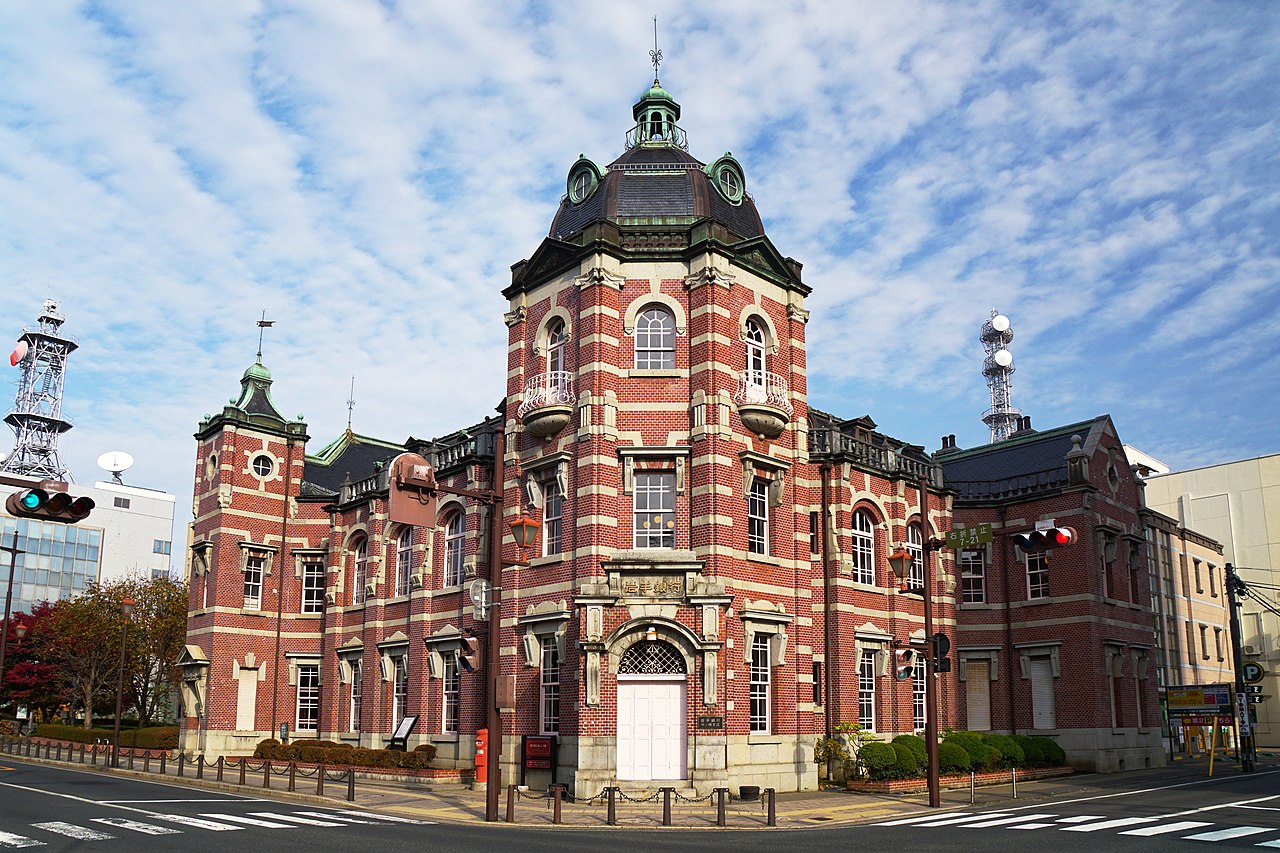
이와테는 일본에서 면적이 두 번째로 큰 현이며, 광활한 내륙은 주류 도호쿠 여행 일정을 넘어 더 깊이 탐험하는 이들에게 보상을 줍니다. 영적 중심지에는 히라이즈미가 자리잡고 있습니다 — 북방 후지와라 일족의 12세기 수도로, 그 황금당(곤지키도)은 900년이 지난 지금도 완벽하게 보존된 일본의 가장 완벽한 헤이안 시대 보물로 남아 있습니다. 동쪽의 산리쿠 해안은 200km에 달하는 극적인 해식 절벽, 숨겨진 만, 그리고 일본에서 가장 풍부한 해산물 어장을 제공합니다 — 국내 최고의 성게, 전복, 굴의 고향입니다. 내륙의 도노 계곡은 1910년 야나기타 구니오가 수집한 갓파와 산신령의 민속 전설이 살아 숨쉬고 있으며, 모리오카 시는 완코소바, 자자멘, 레이멘 등 세 가지 완전히 다른 면 요리 전통으로 놀라움을 선사합니다 — 모두 같은 도시에서 탄생했습니다. 류센도 동굴의 코발트빛 지하 호수는 초자연적인 투명함으로 빛나고, 이와테산 화산 — '난부 후지' — 은 거의 완벽한 원뿔 모양으로 고원을 장식합니다. 이와테는 천천히 움직이며 깊이 있게 자신을 드러냅니다.

🌏
위치
도호쿠 지역, 혼슈 북동부 — 일본에서 면적이 두 번째로 큰 현
🗣️
언어
일본어 (도호쿠 방언; 히라이즈미, 모리오카 및 주요 관광지에서 영어 가능)
💴
화폐
일본 엔 (JPY) — 시골 지역에서는 현금 필수; 모리오카에서 IC 카드 사용 가능
🕐
시간대
JST (UTC+9) — 서머타임 없음
🌡️
최적 시즌
봄 (4월 말~5월) 벚꽃; 여름 (7~9월) 등산; 가을 (10~11월) 단풍
✈️
가장 가까운 공항
하나마키 공항 (HNA) · 가장 가까운 신칸센: 신하나마키 / 모리오카 / 이치노세키
🚇
이동 수단
도호쿠 신칸센으로 모리오카 또는 이치노세키; 로컬 JR 노선; 해안과 산악 지역은 렌터카 필수
전원 플러그
A타입, 100V / 50Hz

✈️ 교통편

모리오카는 이와테의 관문으로, 도쿄에서 하야부사 신칸센으로 2시간 10분이면 쉽게 도착할 수 있습니다. 히라이즈미는 모리오카에서 남쪽으로 특급열차로 30분 거리입니다. 산리쿠 해안, 도노, 산악 지역을 방문하려면 렌터카를 강력히 권장합니다 — 시골 이와테의 대중교통은 드물고 운행 간격이 깁니다.

🚄 도쿄에서
  • 도호쿠/홋카이도 신칸센 하야부사 (도쿄 → 모리오카) — 2시간 10분. ¥14,900 (지정석). 가장 빠른 서비스; 도쿄역에서 30~40분마다 출발.
  • 하야부사 (도쿄 → 이치노세키) — 2시간. ¥12,420. 히라이즈미 방문에 최적 (이후 JR 도호쿠선으로 히라이즈미역까지 10분).
  • 고속버스 (신주쿠 → 모리오카) — 8~9시간 야간. ¥3,500~¥6,000. 저예산 야간 버스 옵션.
🚄 센다이(미야기)에서
  • 도호쿠 신칸센 하야부사 (센다이 → 모리오카) — 40분. ¥5,490. 대부분의 방문객이 센다이를 거점으로 이와테를 연계합니다.
  • JR 도호쿠선 (이치노세키 → 히라이즈미) — 10분. ¥200. 신칸센 환승역에서 유네스코 유적지까지 로컬 기차.
✈️ 오사카 / 나고야에서
  • JAL / ANA (ITM 또는 NGO → 하나마키 HNA) — 1시간 20분. ¥12,000부터. 하나마키 공항은 모리오카에서 버스로 45분. 신칸센보다 일일 항공편 수가 적음.
🚗 이와테 내 이동
  • 렌터카 — 산리쿠 해안, 도노, 류센도 동굴, 겐비케이 계곡에 필수. 도로가 넓고 혼잡하지 않음; 겨울 운전(11~3월)은 스노우 타이어 필요. 모리오카역에서 예약.
  • JR 야마노사치 / 오후나토선 BRT — 2011년 이후 재건된 버스 고속 수송 시스템으로 오후나토, 가마이시, 미야코를 연결 — 관광에 유용하나 느림.
  • 모리오카 시 — 컴팩트하고 도보 여행 가능; 주요 레스토랑과 성터는 역에서 도보 20분 이내.
  • 히라이즈미 — 역에서 자전거 대여가 모든 유네스코 유적지를 하루에 둘러보는 최선의 방법 (평탄한 지형, 유적지 간 10~15분).
💡 여행 팁도쿄에서 전체 여행하는 것보다 센다이에서 히라이즈미를 당일치기로 방문하는 것을 추천합니다 (이치노세키까지 신칸센으로 40분). 이와테에서 하루 이상 머문다면 렌터카를 이용해 모리오카를 거점으로 삼으세요 — 히라이즈미 (남쪽 1시간), 도노 (동쪽 1.5시간), 류센도 (동쪽 2시간) 모두 당일치기로 가능합니다.

📖 추천 여행 가이드

여행의 모든 측면을 계획하는 데 도움이 되는 심층 가이드 — 주요 관광 명소부터 최고의 레스토랑, 계절 이벤트까지.

⛩️

관광명소

6 곳
Hiraizumi Chusonji Temple (UNESCO)
📍 Hiraizumi, Iwate

Hiraizumi Chusonji Temple (UNESCO)

The Konjikido (Golden Hall) at Chusonji is one of Japan's most breathtaking survivals — a 12th-century chamber entirely sheathed in gold leaf, sheltering the mummified remains of four Fujiwara lords. Built in 1124, it is a UNESCO World Heritage Site and the centrepiece of Hiraizumi's ancient Buddhist culture.

UNESCO Golden Hall Fujiwara Clan History
Motsuji Temple Garden (UNESCO)
📍 Hiraizumi, Iwate

Motsuji Temple Garden (UNESCO)

Motsuji's 12th-century Pure Land garden is Japan's finest surviving example of Heian-period garden design — a vast central pond ringed by white-sand beaches, sculpted stone, and seasonal plantings recreating paradise on earth. The temple itself was once more magnificent than Kyoto's Byodoin.

UNESCO Pure Land Garden Heian Period Pond Garden
Ryusendo Cave
📍 Kuji, Iwate

Ryusendo Cave

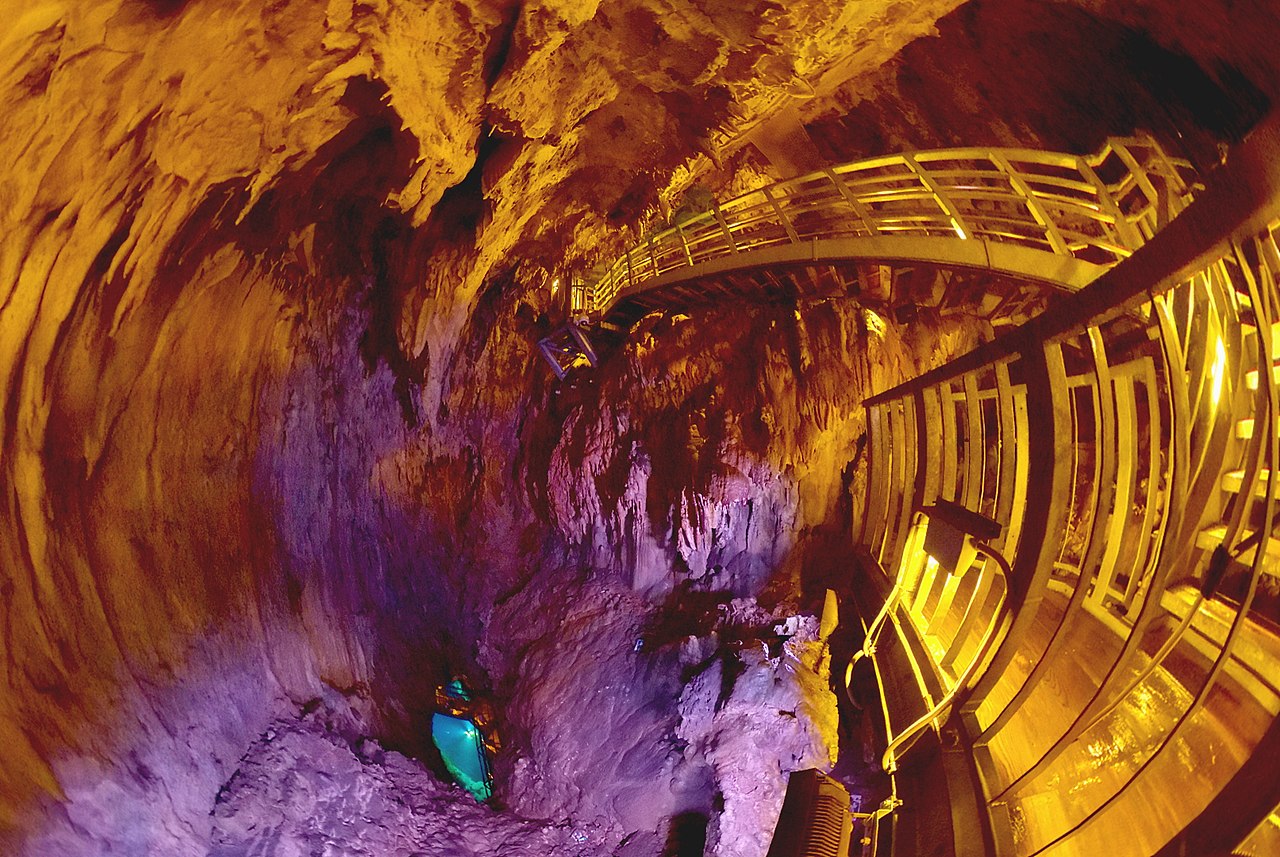
One of Japan's three great limestone caves — Ryusendo's underground lakes glow an impossibly vivid cobalt blue in the torchlight, with water clarity measured at 41.5 metres (among the world's clearest). The illuminated 700-metre walking route passes stalactites, underground rivers, and chambers of silent crystal pools.

Limestone Cave Underground Lake One of Japan's Top 3 Geology
Jodogahama Beach (Sanriku Coast)
📍 Miyako, Iwate

Jodogahama Beach (Sanriku Coast)

Named 'Pure Land Beach' by an 18th-century priest who found it too beautiful for this world — Jodogahama's jagged white rhyolite columns rise from translucent blue water in the Rikuchu Kaigan National Park. Glass-bottomed boat tours reveal the underwater world; swimming is possible in the sheltered cove.

White Rock Sea Sanriku Scenic
Tono Folklore Valley
📍 Tono, Iwate

Tono Folklore Valley

Tono is Japan's capital of folklore — the 1910 collection 'Tono Monogatari' recorded the valley's legends of kappa (river sprites), zashiki-warashi (child spirits), and other supernatural beings. Today, old thatched farmhouses (magariya), water mills, and kappa-inhabited streams create an atmosphere unlike anywhere else in Japan.

Folklore Kappa Tono Monogatari Rural Japan
Morioka Castle Ruins & Koen
📍 Morioka, Iwate

Morioka Castle Ruins & Koen

Morioka's castle was one of Tohoku's great fortresses — though only the stone walls remain, they are spectacular, rising over the Shizukuishi River with Iwate-san volcano framed behind. The surrounding Iwate Park is Morioka's finest cherry blossom spot, with over 300 trees.

Castle Ruins Cherry Blossoms City Centre History
🍜

미식

8 곳
Sanriku Oyster Grilling Experience
📍 Ofunato, Iwate

Sanriku Oyster Grilling Experience

The cold, nutrient-rich waters of the Sanriku Coast produce some of Japan's finest oysters, and many fishing villages offer kanigoya (crab/shellfish huts) where visitors grill freshly harvested oysters directly over charcoal. The oyster season peaks from November to March, when the plump, briny bivalves are at their creamiest. Village-run huts in Ofunato, Kamaishi, and Rikuzen-Takata serve all-you-can-eat sessions with seaweed miso soup.

Oysters Seafood Grilling
Sanriku Seafood & Sea Urchin
📍 Miyako, Iwate

Sanriku Seafood & Sea Urchin

The Sanriku coast's complex ria shoreline creates Japan's richest marine nursery — Iwate's uni (sea urchin), awabi (abalone), kaki (oyster), and salmon are among the finest in the country. Miyako's morning market and Kamaishi's harbour restaurants serve these at a fraction of Tokyo prices.

Sea Urchin Abalone Oyster Sanriku Coast
Wanko Soba (Morioka)
📍 Morioka, Iwate

Wanko Soba (Morioka)

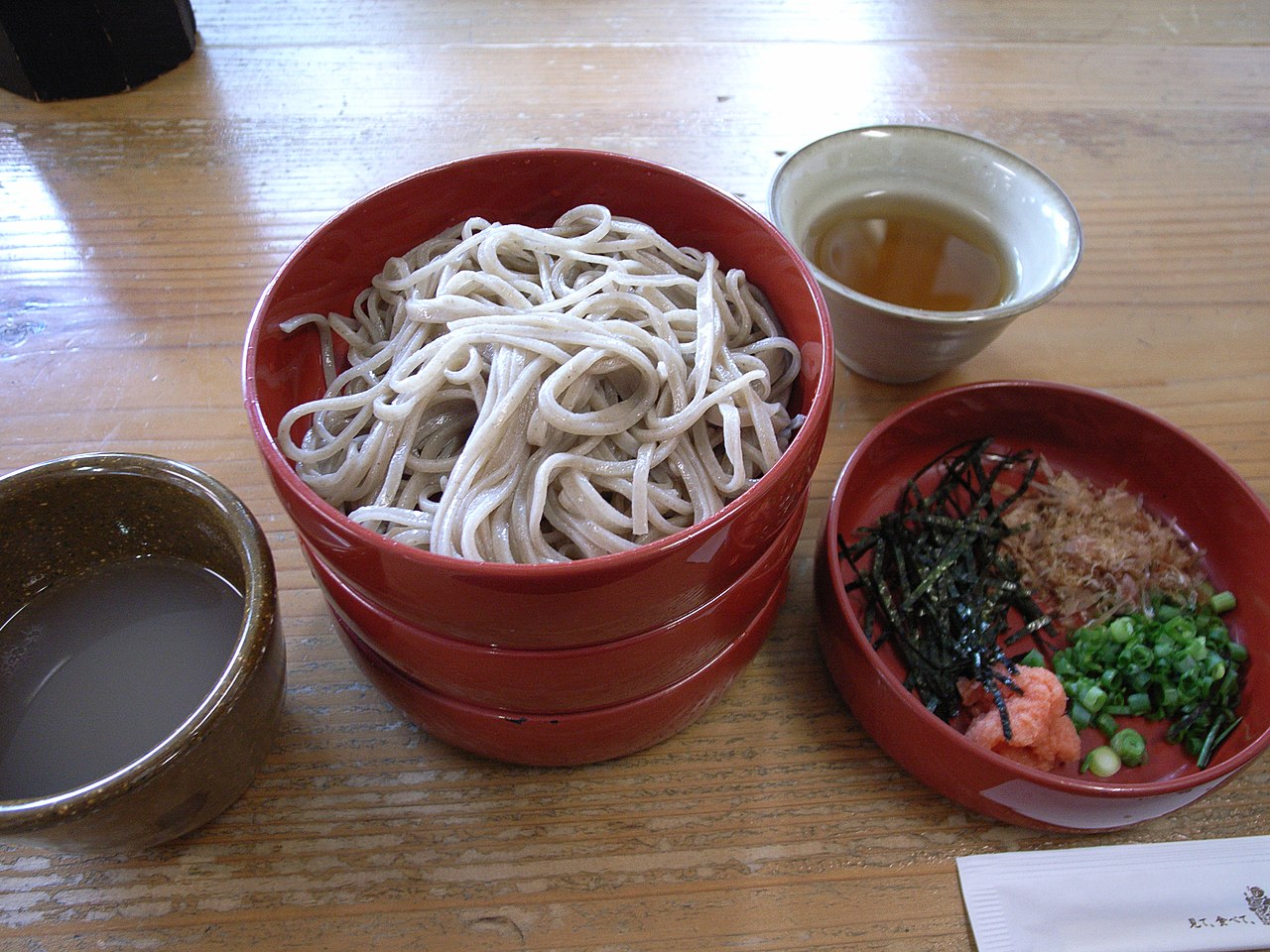
Wanko soba is Iwate's most theatrical food experience — waitresses in kimono continuously refill your bowl with tiny mouthfuls of buckwheat noodle until you slam your lid shut. The record stands at over 500 bowls; most visitors manage 30–60. Restaurants in central Morioka compete for the best performance.

Wanko Soba All-You-Can-Eat Unique Experience Noodles
Ichinoseki Mochi Cuisine Culture
📍 Ichinoseki, Iwate

Ichinoseki Mochi Cuisine Culture

Ichinoseki and neighboring Hiraizumi are the heartland of Iwate's extraordinary mochi food culture, where dozens of preparations of pounded rice cake are served as a full multi-course meal called mochi-zen. Each small dish presents mochi in a different guise — with walnut sauce, sesame, sweet red bean, grated radish, or kinako soybean powder — reflecting centuries of Buddhist feast-day traditions. Local restaurants and guesthouses offer mochi-zen tasting courses year-round.

Mochi Traditional Cultural Food
Koiwai Farm Dairy & Soft Cream
📍 Shizukuishi, Iwate

Koiwai Farm Dairy & Soft Cream

Koiwai Farm at the foot of Iwate-san volcano is one of Japan's oldest private farms (est. 1891) — 3,000 hectares of grazing land producing milk, cheese, and butter. The farm shop's soft-serve ice cream made from raw milk is legendary; spring lambing and autumn apple harvests draw families from across Tohoku.

Dairy Farm Soft Serve Milk Farm Experience
Morioka Craft Beer Scene
📍 Morioka, Iwate

Morioka Craft Beer Scene

Morioka's thriving craft beer scene is anchored by breweries like Iwate Kura Beer and a cluster of tap rooms near the Kitakami River that showcase local ingredients including Nanbu wheat and Iwate-grown hops. Tasting flights pair well with the city's famous three-noodle district (wanko soba, jajamen, and Morioka reimen), making a brewery crawl a natural complement to a Morioka food tour. Weekend brewpub events draw both locals and travelers.

Craft Beer Brewery Local
🏔️

자연

8 곳
Ryusendo Cave
📍 Kuji, Iwate

Ryusendo Cave

One of Japan's three great limestone caves — Ryusendo's underground lakes glow an impossibly vivid cobalt blue in the torchlight, with water clarity measured at 41.5 metres (among the world's clearest). The illuminated 700-metre walking route passes stalactites, underground rivers, and chambers of silent crystal pools.

Limestone Cave Underground Lake One of Japan's Top 3 Geology
Sanriku Ria Coast
📍 Sanriku, Iwate

Sanriku Ria Coast

The Sanriku coast's dramatic ria shoreline — where mountains plunge straight into the Pacific — creates one of Japan's most spectacular coastal landscapes. Sea arches, basalt sea stacks, and hidden coves stretch for 200 km from Miyako to the Aomori border, best explored by boat from Miyako or Kuji.

Ria Coastline Sea Caves Cliffs Tohoku
Jodogahama Beach (Sanriku Coast)
📍 Miyako, Iwate

Jodogahama Beach (Sanriku Coast)

Named 'Pure Land Beach' by an 18th-century priest who found it too beautiful for this world — Jodogahama's jagged white rhyolite columns rise from translucent blue water in the Rikuchu Kaigan National Park. Glass-bottomed boat tours reveal the underwater world; swimming is possible in the sheltered cove.

White Rock Sea Sanriku Scenic
Iwate-san Volcano (2,038 m)
📍 Shizukuishi, Iwate

Iwate-san Volcano (2,038 m)

Iwate's iconic stratovolcano — known as 'Nambu Fuji' for its perfect cone — is the highest peak in Tohoku outside Fukushima. The summer hiking season (July–October) offers crater rim walks with views across the Kitakami River basin. The most popular trail from Umagaeshi takes 4–5 hours to the summit.

Volcano Hiking Tohoku's Fuji Summit
Kitakami Tenshochi Riverside Cherry Walk
📍 Kitakami, Iwate

Kitakami Tenshochi Riverside Cherry Walk

Stretching two kilometers along the Kitakami River, Tenshochi Park is lined with 10,000 Yoshino cherry trees that form a blossoming tunnel each April. Rowboats can be rented to drift beneath the overhanging branches, and a miniature steam train chugs through the park for families. The combination of flowering canopy reflected in the river and the panorama of the distant Kitakami mountains makes this one of Tohoku's most beloved spring walks.

Cherry Blossoms Riverside Walk Spring
Ryusendo Cave Night Tour & Bat Watching
📍 Iwaizumi, Iwate

Ryusendo Cave Night Tour & Bat Watching

Ryusendo is one of Japan's three largest limestone caverns, renowned for its crystal-clear underground lakes that glow an ethereal blue under lighting — with visibility reaching 41 meters in depth. Special evening tours include bat-watching as thousands of Japanese horseshoe bats emerge from the cave entrance at dusk. The cave's constant 10°C temperature and dramatic stalactite formations make it a fascinating year-round destination.

Cave Underground Lake Bats
🎿

레저

9 곳
Sanriku Oyster Grilling Experience
📍 Ofunato, Iwate

Sanriku Oyster Grilling Experience

The cold, nutrient-rich waters of the Sanriku Coast produce some of Japan's finest oysters, and many fishing villages offer kanigoya (crab/shellfish huts) where visitors grill freshly harvested oysters directly over charcoal. The oyster season peaks from November to March, when the plump, briny bivalves are at their creamiest. Village-run huts in Ofunato, Kamaishi, and Rikuzen-Takata serve all-you-can-eat sessions with seaweed miso soup.

Oysters Seafood Grilling
Hiraizumi Cultural Landscape Cycling
📍 Hiraizumi, Iwate

Hiraizumi Cultural Landscape Cycling

Hiraizumi's UNESCO World Heritage sites are connected by a flat cycling route through rice paddies and old settlements — rent a bike from Hiraizumi Station and link Chusonji, Motsuji, Kanjizaio-in, and Muryokoin ruins in a half-day loop that reveals the full scale of the Fujiwara capital.

Cycling UNESCO Rice Fields Rural
Hiraizumi Firefly & Night Illumination
📍 Hiraizumi, Iwate

Hiraizumi Firefly & Night Illumination

In June and July, the rice paddies and streams around UNESCO World Heritage Hiraizumi come alive with thousands of fireflies, and local walking trails are organized for evening firefly viewing. Seasonal night illuminations of Chuson-ji Temple's Konjikido Golden Hall and Motsuji Temple's Pure Land Garden add a contemplative beauty to the summer evenings. The combination of heritage architecture glowing in the dark and natural bioluminescence is unique to this region.

Fireflies Night Walk UNESCO
Nanbu Tekki (Ironware) Workshop
📍 Morioka, Iwate

Nanbu Tekki (Ironware) Workshop

Nanbu tekki (southern Iwate ironware) is one of Japan's most celebrated crafts — hand-cast iron teapots and cookware produced in Morioka and Mizusawa for over 400 years. Several workshops in Morioka offer hands-on casting experiences; the finished pieces are used for a lifetime and handed down through generations.

Nanbu Ironware Craft Teapot Traditional
Kitakami Tenshochi Riverside Cherry Walk
📍 Kitakami, Iwate

Kitakami Tenshochi Riverside Cherry Walk

Stretching two kilometers along the Kitakami River, Tenshochi Park is lined with 10,000 Yoshino cherry trees that form a blossoming tunnel each April. Rowboats can be rented to drift beneath the overhanging branches, and a miniature steam train chugs through the park for families. The combination of flowering canopy reflected in the river and the panorama of the distant Kitakami mountains makes this one of Tohoku's most beloved spring walks.

Cherry Blossoms Riverside Walk Spring
Ryusendo Cave Night Tour & Bat Watching
📍 Iwaizumi, Iwate

Ryusendo Cave Night Tour & Bat Watching

Ryusendo is one of Japan's three largest limestone caverns, renowned for its crystal-clear underground lakes that glow an ethereal blue under lighting — with visibility reaching 41 meters in depth. Special evening tours include bat-watching as thousands of Japanese horseshoe bats emerge from the cave entrance at dusk. The cave's constant 10°C temperature and dramatic stalactite formations make it a fascinating year-round destination.

Cave Underground Lake Bats
🎆

이벤트

7 곳
Morioka Sansa Odori (Aug)
📍 Morioka, Iwate

Morioka Sansa Odori (Aug)

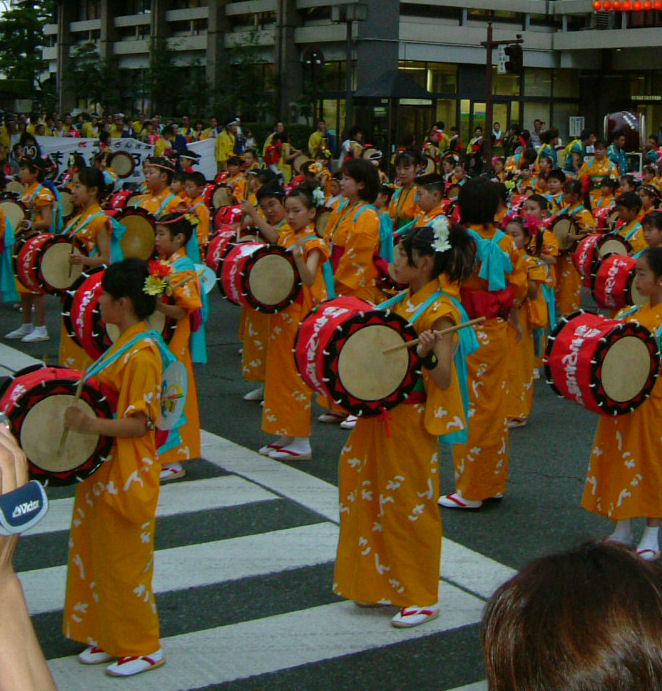
The world's largest taiko drum parade by Guinness record — Morioka Sansa Odori fills the city centre for four evenings in early August with 30,000 dancers and 10,000 taiko drummers performing the Sansa dance through the streets. The hypnotic rhythm of the drums is audible from kilometres away.

Dance Festival Taiko August Guinness Record
Hiraizumi Spring Festival (May)
📍 Hiraizumi, Iwate

Hiraizumi Spring Festival (May)

The Fujiwara no Aki Festival in May recreates the glory of Hiraizumi's 12th-century golden age — processions in full Heian court costume, sacred kagura dances at Motsuji, and the magnificent Ennen no Mai (longevity dance) performed by priests in ancient masks and robes within the temple grounds.

Festival Fujiwara Historical Parade Heian
Fujiwara no Aki Matsuri (Nov)
📍 Hiraizumi, Iwate

Fujiwara no Aki Matsuri (Nov)

The autumn counterpart to Hiraizumi's spring festival — held over three days in early November, it features the full historical procession of Fujiwara clan costumes, the Ennen no Mai sacred dance at Motsuji, and pageantry that draws visitors from across Japan to the autumn-coloured UNESCO temple grounds.

Autumn Festival Historical Parade UNESCO Hiraizumi
Chagu-Chagu Umakko Horse Festival (Jun)
📍 Takizawa, Iwate

Chagu-Chagu Umakko Horse Festival (Jun)

One of Japan's most colourful festivals — on the second Saturday of June, over 100 horses decorated with elaborate lacquerwork, embroidery, and bells parade 15 km from Onkoji shrine in Takizawa to Morioka's Hachimangu shrine. The gentle bell-ringing of the decorated horses gave the festival its onomatopoeic name.

Horse Parade June Traditional Decorated Horses
Morioka Cherry Blossoms (Late Apr)
📍 Morioka, Iwate

Morioka Cherry Blossoms (Late Apr)

Morioka's cherry blossoms bloom two to three weeks later than Tokyo's — in late April, Iwate Park (Morioka Castle ruins) erupts with over 300 trees against the ancient stone walls, with Iwate-san volcano's snow-capped peak visible behind. Kitakami Tenshochi (45 min away) has 10,000 trees along a 2 km riverside promenade.

Cherry Blossoms Late Spring Castle Tohoku
Sanriku Recovery & Memorial (Mar)
📍 Rikuzentakata, Iwate

Sanriku Recovery & Memorial (Mar)

Every March 11th, Iwate's coastal communities hold memorial ceremonies for the 2011 Great East Japan Earthquake and Tsunami. The rebuilt towns of Kamaishi, Miyako, and Rikuzentakata tell stories of extraordinary resilience — visits to the Memorial Museum at Rikuzentakata and the Miracle Pine are deeply moving pilgrimages.

3.11 Memorial Tsunami Recovery Kamaishi
🎌

체험

2 곳
Wanko Soba Eating Challenge
📍 Morioka, Iwate

Wanko Soba Eating Challenge

Wanko soba is Iwate's most famous food experience — small mouthfuls of buckwheat noodles refilled instantly into your bowl by an attendant who shouts encouragement until you place the lid to stop. Morioka's specialist restaurants issue certificates to anyone exceeding 100 bowls (about 1.5 kg). The combination of competitive eating and theatrical service is uniquely Japanese.

Wanko Soba Food Challenge Local Tradition Morioka
Nambu Ironware (Tetsubin) Casting Workshop
📍 Morioka, Iwate

Nambu Ironware (Tetsubin) Casting Workshop

Morioka's Nambu tekki ironware — sand-cast iron teapots and kettles with distinctive pebbled surfaces — has been produced for 400 years. Several ateliers now offer casting workshops where visitors pour molten iron into sand moulds and polish their own small iron coaster or trivet to take home — an experience combining ancient technique with tangible souvenir.

Nambu Ironware Casting Traditional Craft Workshop

💡 실용 여행 정보

방문 전후에 꼭 알아야 할 모든 정보.

🌸
최적 방문 시기
  • 4월 말 – 5월 — 벚꽃이 도쿄보다 2~3주 늦게 피어, 이와테는 봄 일본 여행의 훌륭한 두 번째 코스입니다. 모리오카 성터, 기타카미 덴쇼치 (만 그루의 나무), 만개한 히라이즈미는 도호쿠 최고의 풍경 중 하나입니다. 차구차구 우마코 말 축제는 6월에 열립니다.
  • 여름 (7~9월) — 이와테산 등산, 산리쿠 해안 보트 여행, 모리오카 산사 오도리 북 축제 (8월 초)에 최적. 모리오카 기온은 쾌적한 25~28°C입니다.
  • 가을 (10~11월) — 진홍빛 단풍으로 둘러싸인 히라이즈미의 유네스코 사찰은 숨막히게 아름답습니다; 11월의 후지와라 가을 축제가 연례 두 역사 축제 중 가장 분위기 있습니다.
  • 한겨울 (12~3월) 피하기 — 이와테는 많은 눈이 내립니다; 모리오카는 평균 90cm의 적설량. 대부분의 시골 도로는 개방되지만 운전이 어렵습니다. 류센도 동굴과 실내 면 요리 관광은 연중 쾌적합니다.
🍜
모리오카 3대 면 요리
  • 완코소바 — 완전한 연극적 경험을 위해서는 모리오카역 근처 아즈마야 또는 하나마키야 레스토랑 예약 필요. 30분 세션은 약 ¥3,000이며 무제한 리필 포함. 현재 세계 기록은 570그릇 (각각 일반 분량의 약 1/10). 방문객 기준으로 50~100그릇을 목표로 하세요.
  • 자자멘 — 필수 경험은 모리오카역 근처 원조 레스토랑 신타로입니다. 보통(나미) 사이즈를 주문하고 의식을 따르세요: 미소 소스를 철저히 섞고, 먹은 후 그릇에 계란을 깨뜨려 넣고 다시 주면 치탄 (계란 국물)으로 마무리합니다. 총 비용 ¥1,000 미만.
  • 모리오카 레이멘 — 저녁에 평양 레스토랑을 방문하면 쫄깃한 면이 가장 신선합니다. 김치를 추가로 요청하세요; 단맛-신맛-매운맛의 균형이 중요합니다. 여름 토핑으로 수박은 시도해볼 가치가 있습니다.
  • 하루에 3대 면 요리 챌린지는 매우 실현 가능합니다: 점심에 완코, 오후에 레이멘, 저녁에 자자멘 — 레스토랑은 모두 모리오카역에서 도보 10분 이내입니다.
⛩️
히라이즈미 팁
  • 추손지의 곤지키도 (황금당)는 현대적인 보호 건물 안에 둘러싸여 있습니다 — 작지만 압도적으로 아름답습니다. 입장하기 전에 눈을 적응시키세요; 금박이 벽, 기둥, 제단 패널을 포함한 모든 표면을 덮고 있습니다. 그 효과는 압도적입니다.
  • 히라이즈미는 자전거로 탐험하는 것이 가장 좋습니다 — 역에서 대여 (¥500/일). 추손지는 도보로 오르막 20분 또는 자전거로 10분; 모쓰지는 평탄하고 역에서 15분. 간잔지와 무료코인 유적은 추가 30분.
  • 맑은 하늘이 연못에 반사되고 정원이 조용한 모쓰지 정원을 아침에 방문하세요. 정토 정원은 불교 낙원을 나타냅니다 — 백사장과 돌 배치를 걷는 것은 서두르지 말아야 할 명상적 경험입니다.
  • 후지와라 축제 (5월과 11월)는 히라이즈미를 변화시킵니다 — 마을이 완전히 차므로 3~4개월 전에 숙박을 예약하세요. 모쓰지 정원 안에서 공연되는 엔넨노마이 (장수의 춤)는 일본에서 가장 희귀한 살아있는 공연 예술 중 하나입니다.
🌊
산리쿠 해안 팁
  • 미야코의 조도가하마 해변은 필수 방문지입니다 — 수중 암석 형성과 풍부한 해양 생물을 보기 위해 유리 바닥 보트 (¥1,500)를 타거나 맑은 여름날 보호된 만에서 수영하세요. 하얀 유문암 암석 형성은 일본 해안의 다른 어떤 곳과도 다릅니다.
  • 산리쿠 BRT (2011년 이후 재건된 버스 고속 수송)는 해안 마을들을 연결합니다 — 기능적이지만 느립니다. 완전한 해안 경험을 위해 모리오카에서 렌터카를 빌리세요; 미야코와 구지 사이의 바다 전망 절벽 도로는 도호쿠 최고의 드라이브 중 하나입니다.
  • 해산물은 오전 6시에 문을 여는 미야코 수산 시장 (미야코 우오이치바)을 방문하세요 — 시장 가격으로 가장 신선한 성게와 전복을 구하기 위해 일찍 도착하세요. 가마이시 항구 주변의 현지 레스토랑은 ¥800~¥2,000에 굽은 굴과 참치를 제공합니다.
  • 남부 이와테(이치노세키 신칸센에 가장 가까운)의 리쿠젠타카타 기념 공원은 일본의 가장 강력한 2011년 이후 추모지 중 하나입니다 — 쓰나미에서 살아남은 유일한 나무인 기적의 소나무가 지역 회복의 상징으로 변화된 해안선 위에 서 있습니다.
🔵
류센도 동굴 팁
  • 류센도 동굴은 모리오카에서 동쪽으로 차로 2시간 거리 (106번 도로 경유) — 실용적인 대중교통 옵션 없음. 조도가하마 해변 (추가 45분)과 결합하여 전체 동해안 당일 여행으로 구성하거나 이와이즈미 마을에서 하룻밤 숙박하세요.
  • 동굴은 연중 일정한 10°C를 유지합니다 — 여름에도 가벼운 옷을 준비하세요. 가장 깊은 조명이 있는 호수 (미로쿠 호수, 98m 깊이)가 가장 장관입니다; 코발트 블루는 동굴 뒤쪽으로 갈수록 강렬해집니다.
  • 인접한 류센도 동굴 박물관 (새로운 도부다니 연구 동굴 섹션, ¥1,700 통합 티켓)은 더 깊은 방을 서식지로 하는 희귀한 이와테 박쥐 종을 포함한 동굴 생태계를 탐구합니다.
  • 가능하면 평일에 방문하세요 — 주말과 일본 공휴일에는 동굴의 좁은 통로가 단체 관광객으로 매우 혼잡합니다.
🐎
도노 & 축제 팁
  • 도노 후루사토 마을은 민속 경관에 대한 가장 쉬운 소개입니다 — 재건된 마가리야 (L자형 농가), 물레방아, 갓파 연못이 모두 짧은 도보 거리 내에 있습니다. 하지만 진정한 도노 경험은 오래된 농가가 여전히 진정한 맥락에서 서 있는 논 사이의 뒷길을 자전거로 달리는 것입니다.
  • 차구차구 우마코 말 축제 (6월 둘째 주 토요일)는 여행을 계획할 가치가 있습니다 — 퍼레이드는 온코지 신사에서 오전 9:30에 출발하여 오후 2시경 모리오카의 하치만구에 도착합니다. 최고의 사진 촬영 위치는 도시 군중이 시작되기 전 경로의 시골 전반부입니다.
  • 모리오카 산사 오도리 (8월 1~4일)는 전체 시내 중심가를 댄서로 채웁니다 — 도호쿠의 가장 즐거운 축제 중 하나이며 같은 주에 열리는 센다이의 타나바타보다 훨씬 덜 붐빕니다. 4일째에 참가자로 댄스 라인에 합류하세요 — 적극적으로 권장됩니다.
  • 난부 텟키 철제 공예품은 이와테에서 가장 훌륭한 기념품입니다 — 작은 난부 테츠빈 (철 주전자)은 크기와 제작자에 따라 ¥5,000~¥30,000입니다. 최고의 상점은 성 터 근처 모리오카 중심부에 있으며, 카마사다와 료잔이 가장 존경받는 제작사입니다.

🏨 Iwate 호텔 찾기

수백 개의 호텔 가격을 비교해보세요 — 저렴한 캡슐 호텔부터 럭셔리 료칸까지.

Booking.com에서 검색 →

🎌 투어 & 체험

가이드 투어, 당일치기 여행, 요리 교실, 문화 체험을 예약하세요.

Viator에서 투어 보기 →

🗺️ 액티비티 & 명소

줄 서지 마세요 — 입장권, 당일 투어, 현지 체험을 미리 예약하세요.

GetYourGuide에서 탐색 →

🎟️ Iwate에서 즐길 거리

Klook에서 Iwate의 티켓, 교통 패스, 독특한 현지 체험을 발견하세요.

Klook에서 예약 →

🚄 JR 패스 & 기차 티켓

도착 전에 온라인으로 일본 철도 패스를 구매하세요 — 신칸센으로 일본 전국을 여행하는 가장 쉬운 방법입니다.

JRPass.com에서 구매 →
🗺️ Plan