Shikoku · 현 여행 가이드

고치 여행 가이드

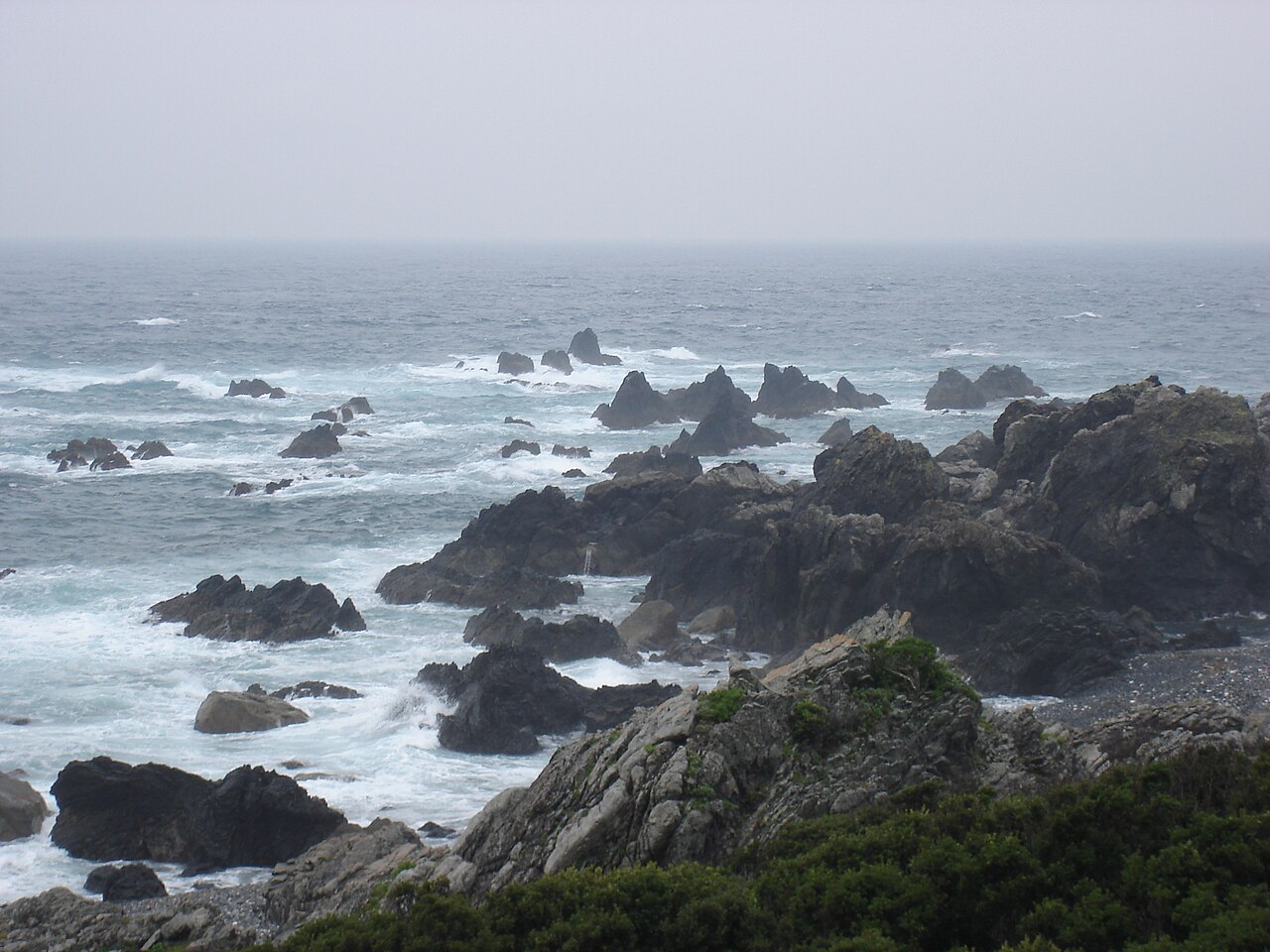
일본에서 가장 거친 해안선, 마지막 청정 강, 테이블에서 직화로 굽는 가다랑어 타타키, 사카모토 료마의 고향, 그리고 섬 전체를 뒤흔드는 여름 축제

🐟 가쓰오 타타키 — 일본의 가다랑어 수도🏯 고치 성 (현존 천수각)🌊 시만토 강 — 일본의 마지막 청정 강💃 요사코이 축제 (8월)⛰️ 아시즈리 곶 — 태평양의 원시지대

🗾 소개: Kochi

고치는 시코쿠에서 가장 야생적인 현으로 — 깊은 강 협곡, 웅장한 곶, 그리고 크게 축하하고 확신을 갖고 먹는 사람들이 사는 태평양을 바라보는 광활한 땅입니다. 시만토 강은 희귀한 청정 상태를 유지하며 산을 거쳐 바다로 굽이쳐 흐르고, 홍수 때는 물에 잠기는 낮은 침하교(沈下橋, 친카바시)가 강 표면을 가로지릅니다. 고치 성은 일본에 현존하는 원래의 천수각 중 하나이며, 그 아래에 펼쳐진 일요 시장은 1700년대 초부터 이어져 내려왔습니다. 이 지역의 가장 유명한 인물인 사카모토 료마는 곳곳에서 기념되고 있으며 — 그의 대담한 정신은 현 전체의 기질에 스며들어 있는 듯합니다. 8월에는 요사코이가 도시를 역동적인 색채와 북소리, 수백 개의 경쟁 댄스팀의 물결로 가득 채웁니다.

🌏
위치
시코쿠 중남부, 태평양 / 도사 만 방향
🗣️
언어
일본어 (고치 성과 주요 관광지에서는 영어 가능; 그 외 지역은 제한적)
💴
통화
일본 엔 (JPY) — 농촌 지역에서는 현금 필수; 고치 시내에서는 IC카드 사용 가능
🕐
시간대
JST (UTC+9) — 일광 절약 시간 없음
🌡️
최적 시기
봄 (4~5월) & 가을 (9~11월); 요사코이 축제는 8월
✈️
가까운 공항
고치 료마 공항 (KCZ) · 다카마쓰 (TAK) 1.5시간 · 마쓰야마 (MYJ) 2시간
🚌
이동 수단
도사 쿠로시오 철도 · 고치 노면전차 · 시만토 강 및 해안 탐방에는 렌터카 필수
전원 플러그
A타입, 100V / 50Hz

✈️ 교통편

고치 료마 공항이 주요 관문으로, 도쿄 하네다와 오사카에서 직항 편이 운행됩니다. 고치 내에서는 시만토 강, 무로토 곶, 아시즈리 곶 및 대부분의 자연 명소를 방문하려면 렌터카가 필수입니다. 도사 쿠로시오 철도(아시즈리 특급)는 고치역에서 시만토 강 인근의 나카무라까지 운행합니다.

✈️ 도쿄 (하네다)에서
  • 고치 료마 공항 (KCZ)으로 비행 — ANA/JAL 직항: 1시간 20분. ¥12,000부터 (할인 운임). 공항버스로 고치역까지: 35분, ¥740.
  • 신칸센 + 특급 열차 — 도쿄에서 오카야마, 이후 난푸 특급으로 고치까지: 총 약 5.5시간. ¥20,000 이상. JR 패스 유효.
🚄 오사카 / 다카마쓰에서
  • 오사카 (난바)에서 고속버스 — 고치까지 직행: 2시간 45분. ¥3,700–¥5,500. 야간버스 옵션 다수.
  • 도산선 경유 다카마쓰에서 JR — 난푸 특급: 1시간 45분. ¥4,190. 경치 좋은 산악 노선.
🚌 고치 시내 이동
  • 고치 노면전차 (도사 덴테쓰) — 가쓰라하마 해변 방향을 포함한 고치 시내 2개 노선. ¥190–¥230.
  • 렌터카 (필수) — 시만토 강, 아시즈리 곶 (고치에서 2시간), 무로토 곶 방문 시. 고치역 또는 공항에서 픽업.
  • 도사 쿠로시오 철도 — 아시즈리 특급으로 나카무라까지 (2시간, ¥3,150) — 시만토 강 탐방의 거점.
  • MY遊버스 (마이유 버스) — 가쓰라하마, 고치 성, 류가도 동굴을 커버하는 관광버스. 1일 패스 ¥1,000.
💡 여행 팁<strong>시만토 강 사이클링</strong> 루트 (나카무라역에서 렌털 자전거 이용 가능)는 일본 최고의 사이클링 코스 중 하나로 — 농촌 마을과 유명한 침하교를 지나며 강 양안을 따라 평탄한 길이 이어집니다. 하루 여유 있게 잡으세요.

📖 추천 여행 가이드

여행의 모든 측면을 계획하는 데 도움이 되는 심층 가이드 — 주요 관광 명소부터 최고의 레스토랑, 계절 이벤트까지.

⛩️

관광명소

7 곳
Shikoku 88 Temple Pilgrimage (Kochi)
📍 Kochi Prefecture

Shikoku 88 Temple Pilgrimage (Kochi)

Kochi contains 16 of the 88 sacred temples on the Shikoku Pilgrimage (Ohenro), including the remote Cape Ashizuri temples. Temple 24, Hotsumisakiji, and Temple 26, Kongochoji, are among the most dramatic — set on clifftops with sweeping Pacific views. Walking the Kochi section takes 5–7 days.

Buddhist Pilgrimage
Kochi Castle & Sunday Market
📍 Kochi City, Kochi

Kochi Castle & Sunday Market

One of Japan's 12 original-keep castles — uniquely, the entire castle complex including the main keep, connecting corridors, and main gate all survived intact from the Edo period. The Sunday morning market (Nichiyo Ichi) stretches along the boulevard below the castle, running since 1690.

Original Keep Castle
Cape Ashizuri & Kongofukuji Temple
📍 Ashizuri, Shimanto Town

Cape Ashizuri & Kongofukuji Temple

The southernmost point of Shikoku — a dramatic cape where granite cliffs plunge into the Pacific Ocean. Kongofukuji (Temple 38 of the 88-temple Shikoku Pilgrimage) sits at the cape tip among ancient camellia forests. The cliffside glass-bottom boat tour passes towering sea stacks.

Pacific Wilderness
Cape Ashizuri Pilgrimage & Pacific Views
📍 Tosa-Shimizu, Kochi

Cape Ashizuri Pilgrimage & Pacific Views

Cape Ashizuri, the southernmost point of Shikoku, is a dramatic rocky headland where 80-m cliffs drop directly into the deep blue Pacific. It is the sacred endpoint (Temple 38, Kongofukuji) on the 88-temple Shikoku Pilgrimage, and the resident sea turtles nesting on nearby beaches make it a wildlife destination. The lighthouse offers Japan's broadest ocean horizon viewpoint.

Cape Pacific Ocean Pilgrimage Lighthouse
Katsurahama Beach & Ryoma Statue
📍 Katsurahama, Kochi City

Katsurahama Beach & Ryoma Statue

Kochi's most famous beach — a dramatic crescent of dark sand beneath pine-covered headlands. Swimming is prohibited due to strong Pacific currents, but the scenery is striking. The bronze statue of Sakamoto Ryoma gazes out to sea, and the Tosa Fighting Dogs (tosa-inu) facility is nearby.

Iconic Kochi Landmark
Ryugado Cave
📍 Inotani, Kochi

Ryugado Cave

A spectacular 4-kilometre limestone cave system with elaborate stalactite and stalagmite formations, discovered in 1931. The cave contains Yayoi-period artefacts suggesting ancient human use. A challenging 'exploration course' allows visitors to crawl through unmaintained passages with headlamps.

Stalactite Cave
🍜

미식

8 곳
Hirome Market & Katsuo Tataki
📍 Kochi City, Kochi

Hirome Market & Katsuo Tataki

Hirome Market is Kochi's communal canteen — a cavernous, jovial indoor market where dozens of stalls serve local specialties to tables shared with strangers. The centrepiece is katsuo tataki: fresh skipjack tuna quickly seared over burning rice straw, sliced thick, and served with ponzu, grated ginger, and garlic — the pure expression of Kochi's Pacific fishing culture.

Katsuo Bonito Tataki Casual Dining
Kochi Sunday Market (Nichiyo-ichi)
📍 Kochi City, Kochi

Kochi Sunday Market (Nichiyo-ichi)

Operating continuously for 300 years every Sunday along a 1-km stretch of Otemachi street, Kochi's Sunday Market sells vegetables, flowers, local crafts, antiques, and cooked food from 300+ stalls from 5 a.m. to 6 p.m. The enormous yuzu (citrus), dried katsuo (bonito), and local fruits unavailable elsewhere make this a genuine agricultural market rather than a tourist event.

Market 300 Years Vegetables Street Food
Katsuo Tataki (Bonito Sashimi)
📍 Kochi City, Kochi

Katsuo Tataki (Bonito Sashimi)

Kochi's most iconic dish — thick slices of bonito seared over flaming rice straw (wara-yaki), then served with pungent condiments including garlic, ginger, myoga, green onion, and citrusy ponzu. The tataki in Kochi is bolder, thicker-cut, and oilier than versions elsewhere in Japan.

Kochi Signature Dish
Tosa Cuisine & Sawachi Platter
📍 Kochi City, Kochi

Tosa Cuisine & Sawachi Platter

Sawachi ryori is Kochi's traditional party cuisine — a massive ceramic platter (sawachi) piled high with colourful arrangements of sashimi, grilled fish, sweet potatoes, and local delicacies. Originally served at village celebrations, it is now available at traditional Tosa restaurants in Kochi City.

Traditional Banquet Dish
Hirome Market (Hirome Ichiba)
📍 Kochi City, Kochi

Hirome Market (Hirome Ichiba)

Kochi's beloved covered food market near the castle — a chaotic, lively collection of 60+ food and drink stalls surrounding communal tables. The atmosphere is uniquely festive from noon onwards. Must-try items: katsuo tataki, whale sashimi, Tosa gyoza, sea cucumber, and local sake on tap.

Food Hall
Tosa Sake (Suigei & Local Breweries)
📍 Kochi City, Kochi

Tosa Sake (Suigei & Local Breweries)

Kochi has Japan's highest per-capita sake consumption and a distinctive dry (karakuchi) sake culture. The Suigei (Drunken Whale) brewery is nationally famous, and local labels like Tsuki no Katsura and Tosa Jizake are sought by connoisseurs. Sake is traditionally drunk from wooden masu cups.

Dry Sake Culture
🏔️

자연

6 곳
Shimanto River Canoeing
📍 Shimanto, Kochi

Shimanto River Canoeing

The Shimanto River — often called Japan's last pristine river — flows 196 km through Kochi to the Pacific without a single large dam. The lower reaches are navigable by canoe and kayak, passing through ancient suibashi (submersible bridges built low to flow under, not stop, floodwater) and teagarden villages. Summer canoeing through this wilderness feels genuinely remote despite being just hours from Kochi city.

River Canoeing Pristine Japan's Last Clear Stream
Shimanto River & Chinkabashi Bridges
📍 Shimanto Town, Kochi

Shimanto River & Chinkabashi Bridges

Japan's last major undammed river flows 196 kilometres to the Pacific through pristine mountain valleys. The Shimanto is famous for its extraordinary water clarity and for the low-lying chinkabashi (submerged bridges) — structures intentionally built without handrails so they are submerged rather than damaged during floods.

Japan's Last Clear River
Niyodogawa River (Emerald Waters)
📍 Nakatosa, Ino Town, Kochi

Niyodogawa River (Emerald Waters)

The Niyodo River is famous for its astonishing blue-green colour — one of the clearest rivers in Japan, its waters take on a vivid turquoise hue in certain lighting conditions. The river is perfect for swimming in summer, and scenic gorge sections near Nakatosa are accessible by canoe.

Emerald River
Cape Ashizuri Pilgrimage & Pacific Views
📍 Tosa-Shimizu, Kochi

Cape Ashizuri Pilgrimage & Pacific Views

Cape Ashizuri, the southernmost point of Shikoku, is a dramatic rocky headland where 80-m cliffs drop directly into the deep blue Pacific. It is the sacred endpoint (Temple 38, Kongofukuji) on the 88-temple Shikoku Pilgrimage, and the resident sea turtles nesting on nearby beaches make it a wildlife destination. The lighthouse offers Japan's broadest ocean horizon viewpoint.

Cape Pacific Ocean Pilgrimage Lighthouse
Cape Muroto UNESCO Global Geopark
📍 Muroto, Kochi

Cape Muroto UNESCO Global Geopark

A UNESCO-designated geopark on Kochi's eastern cape where ancient ocean floor (pillow lava and chert) has been uplifted to sea level over millions of years. The dramatically eroded coastline, fossil-rich rock pools, and wild Pacific scenery are extraordinary. Monk Kukai (Kobo Daishi) is said to have attained enlightenment in a cave here.

UNESCO Geopark
Kashiwajima Island Coral Reef
📍 Kashiwajima Island, Shimanto Town

Kashiwajima Island Coral Reef

A small island at Kochi's southwestern tip surrounded by Japan's northernmost living coral reef — an anomaly created by the warm Kuroshio Current. The crystal-clear water and abundant reef fish make it one of Shikoku's best diving and snorkelling locations. Glass-bottom boat tours operate from the harbour.

Coral Diving
🎿

레저

6 곳
Shimanto River Canoeing
📍 Shimanto, Kochi

Shimanto River Canoeing

The Shimanto River — often called Japan's last pristine river — flows 196 km through Kochi to the Pacific without a single large dam. The lower reaches are navigable by canoe and kayak, passing through ancient suibashi (submersible bridges built low to flow under, not stop, floodwater) and teagarden villages. Summer canoeing through this wilderness feels genuinely remote despite being just hours from Kochi city.

River Canoeing Pristine Japan's Last Clear Stream
Shimanto River Canoeing
📍 Shimanto Town, Kochi

Shimanto River Canoeing

Guided canoe tours on the Shimanto River are one of Kochi's most popular outdoor activities. Routes of 8–15 kilometres pass beneath the famous chinkabashi bridges, through reed beds, and past traditional fishing villages. The peaceful river scenery and extraordinary water clarity make this a uniquely Japanese outdoor experience.

River Paddling
Kochi Sunday Market (Nichiyo-ichi)
📍 Kochi City, Kochi

Kochi Sunday Market (Nichiyo-ichi)

Operating continuously for 300 years every Sunday along a 1-km stretch of Otemachi street, Kochi's Sunday Market sells vegetables, flowers, local crafts, antiques, and cooked food from 300+ stalls from 5 a.m. to 6 p.m. The enormous yuzu (citrus), dried katsuo (bonito), and local fruits unavailable elsewhere make this a genuine agricultural market rather than a tourist event.

Market 300 Years Vegetables Street Food
Cape Muroto Diving & Surfing
📍 Muroto, Kochi

Cape Muroto Diving & Surfing

Cape Muroto's exposed Pacific position delivers consistent swells for surfing and access to deep, clear water for diving. The submarine canyon off Muroto drops steeply, bringing pelagic species including hammerhead sharks, manta rays, and whales close to shore. Several dive operators are based in Muroto town.

Pacific Water Sports
Niyodogawa River Swimming
📍 Nakatosa, Ino Town, Kochi

Niyodogawa River Swimming

The Niyodo River's exceptional clarity and turquoise colour make it one of Japan's most beloved river swimming destinations. Natural pools at Nakatosa and Ino are accessible by car, with rope swings, diving rocks, and campsites along the riverbanks. Snorkelling reveals freshwater fish swimming through the crystal water.

River Swimming
Ryugado Cave Exploration Course
📍 Inotani, Kochi

Ryugado Cave Exploration Course

Beyond the standard tourist route through Ryugado Cave, an adventure exploration course takes small groups through undeveloped passages with headlamps, crawling through narrow gaps and beneath impressive stalactite formations. The 90-minute course requires advance booking and a degree of physical agility.

Cave Adventure
🎆

이벤트

4 곳
Yosakoi Festival
📍 Kochi City, Kochi

Yosakoi Festival

The Kochi Yosakoi Festival (August 9–12) was invented here in 1954 and has since spread across Japan and the world. Teams of up to 150 dancers in flamboyant costumes perform highly choreographed high-energy routines carrying naruko (wooden clappers) through the city's 17 stages. The modern, competitive, joyful energy is entirely different from traditional odori — and utterly electrifying to watch.

Dance Yosakoi August Energetic
Yosakoi Festival (August 9–12)
📍 Kochi City, Kochi

Yosakoi Festival (August 9–12)

One of Japan's most spectacular festivals — over 20,000 dancers in 200 teams perform energetic Yosakoi dance routines through Kochi's streets over four days. Each team interprets the traditional Yosakoi song with their own costumes, choreography, and backing music. The combination of traditional and modern elements is electrifying.

Japan's Biggest Dance Festival
Cape Muroto Dolphin & Whale Watching
📍 Muroto, Kochi

Cape Muroto Dolphin & Whale Watching

The Kuroshio Current flowing past Cape Muroto brings exceptional marine life close to shore — bottlenose dolphins, spinner dolphins, Bryde's whales, and sperm whales are regularly sighted. Dedicated whale-watching boats depart from Muroto Port, and dolphins are frequently visible from the cape cliffs.

Wildlife Watching
Ryoma Festival (November)
📍 Katsurahama, Kochi City

Ryoma Festival (November)

Held each November around the anniversary of Sakamoto Ryoma's birth (November 15, 1836), the Ryoma Festival fills Kochi City with historical parades, samurai costume processions, and events celebrating the revolutionary figure. The Katsurahama area hosts the main ceremonies with dramatic outdoor performances.

Historical Festival
🎌

체험

1 곳
Kochi Katsuo Tataki Cooking Class
📍 Kochi City, Kochi

Kochi Katsuo Tataki Cooking Class

The authentic preparation of katsuo tataki — searing skipjack tuna over burning rice straw (wara) — is an art form perfected in Kochi over centuries. Hirome Market cooking workshops teach participants to trim and pin the tuna fillet, manage the wara fire to achieve the correct char-on-outside-raw-inside result, and slice it thickly across the grain for serving with ponzu, grated ginger, and garlic.

Katsuo Bonito Rice Straw Cooking Class

💡 실용 여행 정보

방문 전후에 꼭 알아야 할 모든 정보.

🐟
가쓰오 타타키 & 히로메 시장
  • 가쓰오 타타키 (가다랑어 직화구이)는 고치의 가장 상징적인 음식으로 — 가다랑어를 볏짚 불꽃으로 겉을 그슬린 후 두껍게 썰어 강판에 간 생강, 마늘, 폰즈 소스와 함께 냅니다. 고치의 타타키는 도쿄 버전과 확연히 다릅니다: 더 진하고 기름지며 맛이 뛰어납니다.
  • 히로메 시장 (히로메 이치바)은 고치 성 근처에 있는 도시의 실내 푸드홀로 — 수십 개의 가판대, 공용 테이블, 생맥주가 있습니다. 타타키, 고래 요리, 해삼, 달콤한 현지 교자를 꼭 맛보세요. 점심 또는 이른 저녁에 방문하세요.
  • 고치 일요 시장 (니치요 이치)은 1690년부터 겐초지 절로 이어지는 길을 따라 열리고 있습니다. 채소, 식물, 도구, 공예품을 파는 400개 이상의 가판대 — 일본에서 가장 분위기 있는 주간 시장 중 하나입니다.
  • 고치 사케도 탐닉할 가치가 있습니다 — 가쓰오 타타키와 함께 자주 제공되는 쓰키노 카쓰라스이게이 (술 취한 고래) 브랜드를 찾아보세요.
🌊
시만토 강 필수 정보
  • 시만토 강은 댐이 없는 일본의 마지막 주요 강으로 뛰어난 청정함으로 유명합니다. 침하교 (난간 없는 잠수교)는 가장 많이 촬영되는 명소로 — 떠내려가는 대신 홍수 때 물속으로 잠깁니다.
  • 시만토의 최적 거점은 나카무라 시로, 고치에서 아시즈리 특급으로 2시간 걸립니다. 나카무라역에서 렌털 자전거를 이용할 수 있습니다.
  • 나카무라 강변에서 출발하는 카누 투어는 약 10km를 커버하며 가이드 포함 ¥5,000–¥8,000입니다. 4~11월에는 사전 예약이 필요합니다.
  • 시만토 각샤 농가 호스텔은 강 활동, 현지 식사, 그리고 고치 농촌의 진정한 경험을 포함한 인기 숙소입니다.
🏯
고치 성 & 도시 역사
  • 고치 성은 일본의 현존하는 12개 원래 천수각 중 하나이며, 독특하게도 천수각, 연결 복도, 정문 등 성의 전체 복합 단지가 에도 시대에서 그대로 살아남았습니다. 입장료 ¥420.
  • 일요 아침 시장 (니치요 이치)은 성 근처 오테스지 대로를 따라 새벽 5시부터 오후 2시경까지 열립니다. 분위기를 즐기려면 오전 10시 이전에 방문하는 것이 좋습니다.
  • 사카모토 료마 기념관 (료마 기넨칸)은 가쓰라하마에 위치하며 사무라이 시대의 종식을 이끈 혁명적 인물의 이야기를 담고 있습니다. ¥700, 영어 전시 매우 훌륭합니다.
  • 가쓰라하마 해변은 고치에서 가장 유명한 해변으로 — 극적인 풍경이 펼쳐지지만 강한 해류로 인해 수영이 금지되어 있습니다. 거대한 료마 동상과 전통 도사이누 개 사육 시설로도 유명합니다.
💴
예산 가이드
  • 저예산 (¥5,000–¥9,000/일) — 고치 시내 호스텔, 히로메 시장 식사, 고치 성과 일요 시장 당일치기.
  • 중간 예산 (¥15,000–¥25,000/일) — 비즈니스 호텔, 시만토 강 렌터카, 타타키 저녁 식사, 류가도 동굴 탐방.
  • 럭셔리 (¥30,000+/일) — 아시즈리 곶 근처 태평양 전망 료칸, 프라이빗 카누 투어, 가이세키 도사 요리.
  • 고치는 전반적으로 매우 합리적인 가격대 — 히로메 시장의 타타키 세트는 ¥1,200–¥2,000이며, 일요 시장은 무료로 둘러볼 수 있습니다.

🏨 Kochi 호텔 찾기

수백 개의 호텔 가격을 비교해보세요 — 저렴한 캡슐 호텔부터 럭셔리 료칸까지.

Booking.com에서 검색 →

🎌 투어 &amp; 체험

가이드 투어, 당일치기 여행, 요리 교실, 문화 체험을 예약하세요.

Viator에서 투어 보기 →

🗺️ 액티비티 &amp; 명소

줄 서지 마세요 — 입장권, 당일 투어, 현지 체험을 미리 예약하세요.

GetYourGuide에서 탐색 →

🎟️ Kochi에서 즐길 거리

Klook에서 Kochi의 티켓, 교통 패스, 독특한 현지 체험을 발견하세요.

Klook에서 예약 →

🚄 JR 패스 &amp; 기차 티켓

도착 전에 온라인으로 일본 철도 패스를 구매하세요 — 신칸센으로 일본 전국을 여행하는 가장 쉬운 방법입니다.

JRPass.com에서 구매 →
🗺️ Plan