Kansai · 현 여행 가이드

교토 여행 가이드

일본의 고대 황도 — 유네스코 세계문화유산 17곳, 살아 숨 쉬는 게이샤 문화, 그리고 세계에서 가장 정교한 요리 전통

⛩️ 유네스코 세계문화유산 17곳🎎 기온 — 일본 게이샤의 수도🍁 일본 최고의 단풍 명소🍵 우지 — 일본 최고급 말차 산지🎆 기온 마츠리 — 일본 3대 축제 중 하나

🗾 소개: Kyoto

교토는 천 년 넘게 일본의 황도였으며, 그 흔적이 도시 곳곳에 남아 있습니다. 일본의 어떤 도시도, 아마 세계 어느 곳도, 이토록 좁은 공간 안에 이렇게 많은 세련된 문화와 살아 있는 전통, 그리고 숨막히는 아름다움을 품고 있지 않습니다. 이곳에서는 골목마다 유네스코 등재 사찰과 신사를 만날 수 있고, 황혼 무렵 가스등 켜진 골목을 미끄러지듯 걷는 게이코와 마이코를 볼 수 있으며, 수백 년 불교 사찰 요리에서 탄생한 세계에서 가장 정교한 다채롭고 코스 요리를 즐길 수 있습니다. 또한 도심 골목에서 시작해 몇 분 만에 고대 삼나무 숲으로 이어지는 산행도 경험할 수 있습니다. 교토는 천천히 여유를 갖는 여행자에게 더욱 많은 것을 선사합니다 — 한 동네를 꼼꼼히 탐방하면 열 곳을 급하게 돌아보는 것보다 훨씬 더 많은 것을 발견할 수 있습니다.

🌏
위치
혼슈 섬, 간사이 지방 — 오사카와 나라 사이
🗣️
언어
일본어 (주요 관광지에서 영어 소통 가능)
💴
통화
일본 엔 (JPY) — IC 카드 광범위하게 사용 가능; 사찰에서는 현금 유용
🕐
시간대
JST (UTC+9) — 서머타임 없음
🌡️
최적 여행 시기
봄 (3~4월) & 가을 (11월) — 8월 무더위 기간은 피할 것
✈️
가까운 공항
간사이 공항 (KIX) 75분 · 이타미 공항 (ITM) 60분 · 주부 공항 (NGO) 100분
🚇
시내 교통
시내버스, 교토 지하철, JR 노선 — IC 카드 필수; 저녁에는 택시 이용 권장
전기 플러그
A형, 100V / 60Hz

✈️ 교통편

교토는 도카이도 신칸센 노선상에 위치하며, 일본에서 가장 교통이 편리한 도시 중 하나입니다. 해외 방문객 대부분은 도쿄나 오사카를 경유하며, 신오사카에서 신칸센으로 15분 이내입니다. 간사이 국제공항까지는 75분 거리입니다. 시내에서는 버스와 지하철이 주요 목적지를 잘 커버하며, 지형이 평탄하여 자전거 이용도 훌륭한 선택입니다.

🚄 도쿄에서 출발
  • 도카이도 신칸센 노조미 (도쿄 → 교토) — 2시간 15분. ¥13,910 (지정석). 가장 빠르고 쾌적 — 10분 간격 운행.
  • 히카리 (도쿄 → 교토) — 2시간 40분. ¥13,340. 느리지만 JR 패스 소지자는 이 편을 이용해야 합니다 (노조미는 JR 패스 미적용).
  • 고속버스 (신주쿠 → 교토) — 7~8시간 야간 운행. ¥3,500~¥5,000. 저렴한 선택; 심야 출발, 이른 아침 도착.
✈️ 간사이 국제공항 (KIX)에서 출발
  • 하루카 특급 (KIX → 교토) — 75분 직행. ¥3,640 (ICOCA&HARUKA 패스 이용 시 ¥1,800). 가장 편리한 옵션.
  • 버스 (MK / 야사카 / 공항 리무진) — 90분. ¥2,600. 주요 호텔 도어-투-도어; 환승 불필요.
✈️ 이타미 공항 (ITM)에서 출발
  • 공항 리무진 버스 (ITM → 교토역) — 55분. ¥1,340. 국내선 공항에서 가장 실용적인 선택.
🚇 교토 시내 이동
  • 시내버스 — 거의 모든 관광지를 커버합니다. 1일 승차권 (¥700)은 사찰 순례 하루에 탁월한 가성비. '교토 시내버스 & 지하철' 앱에서 실시간 정보 확인 가능.
  • 교토 지하철 — 가라스마선과 도자이선 2개 노선으로 동서·남북 이동에 유용. 가라스마선은 교토역에서 시조, 오이케까지 연결.
  • 자전거 대여 — 교토는 대체로 평탄하여 자전거 여행에 이상적. 교토역 근처에서 대여 가능; 가모가와 강변 길이 도시 전체를 종단.
  • 택시 — 버스가 만원인 저녁 기온 방문 시, 그리고 버스 노선이 없는 외진 사찰 방문 시 필수. 교토 택시는 신뢰할 수 있으며 기사들이 주요 명소를 잘 알고 있음.
💡 여행 팁교토 버스는 성수기 (주말과 공휴일 오전 10시~오후 4시)에 극심히 혼잡합니다. 대부분의 사찰이 오전 8시 또는 8시 30분에 문을 열므로 일찍 시작하고, 버스가 가장 혼잡한 낮 시간대에는 지하철이나 택시를 이용하세요.

📖 추천 여행 가이드

여행의 모든 측면을 계획하는 데 도움이 되는 심층 가이드 — 주요 관광 명소부터 최고의 레스토랑, 계절 이벤트까지.

⛩️

관광명소

6 곳
Fushimi Inari Taisha
📍 Fushimi, Kyoto

Fushimi Inari Taisha

Thousands of vermilion torii gates wind up a forested mountain in southern Kyoto — the iconic image of Japan and one of the country's most visited shrines. Go before 8am to avoid crowds.

Shrine Torii Gates Hiking
Kinkakuji (Golden Pavilion)
📍 Kinkakuji, Kyoto

Kinkakuji (Golden Pavilion)

A Zen temple pavilion covered entirely in gold leaf, reflected in a mirror pond — a UNESCO World Heritage Site and one of the world's most photographed buildings.

Temple UNESCO Gold Leaf
Kiyomizudera Temple
📍 Higashiyama, Kyoto

Kiyomizudera Temple

An 8th-century temple perched on a forested hillside east of Kyoto, famous for its wooden stage jutting out over the valley and sweeping views of the city — a UNESCO World Heritage Site.

Temple UNESCO Views
Arashiyama Bamboo Grove
📍 Arashiyama, Kyoto

Arashiyama Bamboo Grove

A towering bamboo forest on the western outskirts of Kyoto — the rustling canopy overhead is a designated Sound Landscape of Japan. Visit at dawn for the most atmospheric experience.

Bamboo Scenic Walk Iconic
Gion Geisha District
📍 Gion, Kyoto

Gion Geisha District

Kyoto's most famous entertainment district — preserved machiya townhouses, ochaya teahouses, and the chance to spot a geiko or maiko gliding through Hanamikoji Street at dusk.

Geisha Historic Streets Evening Walk
Nijo Castle
📍 Nijo, Kyoto

Nijo Castle

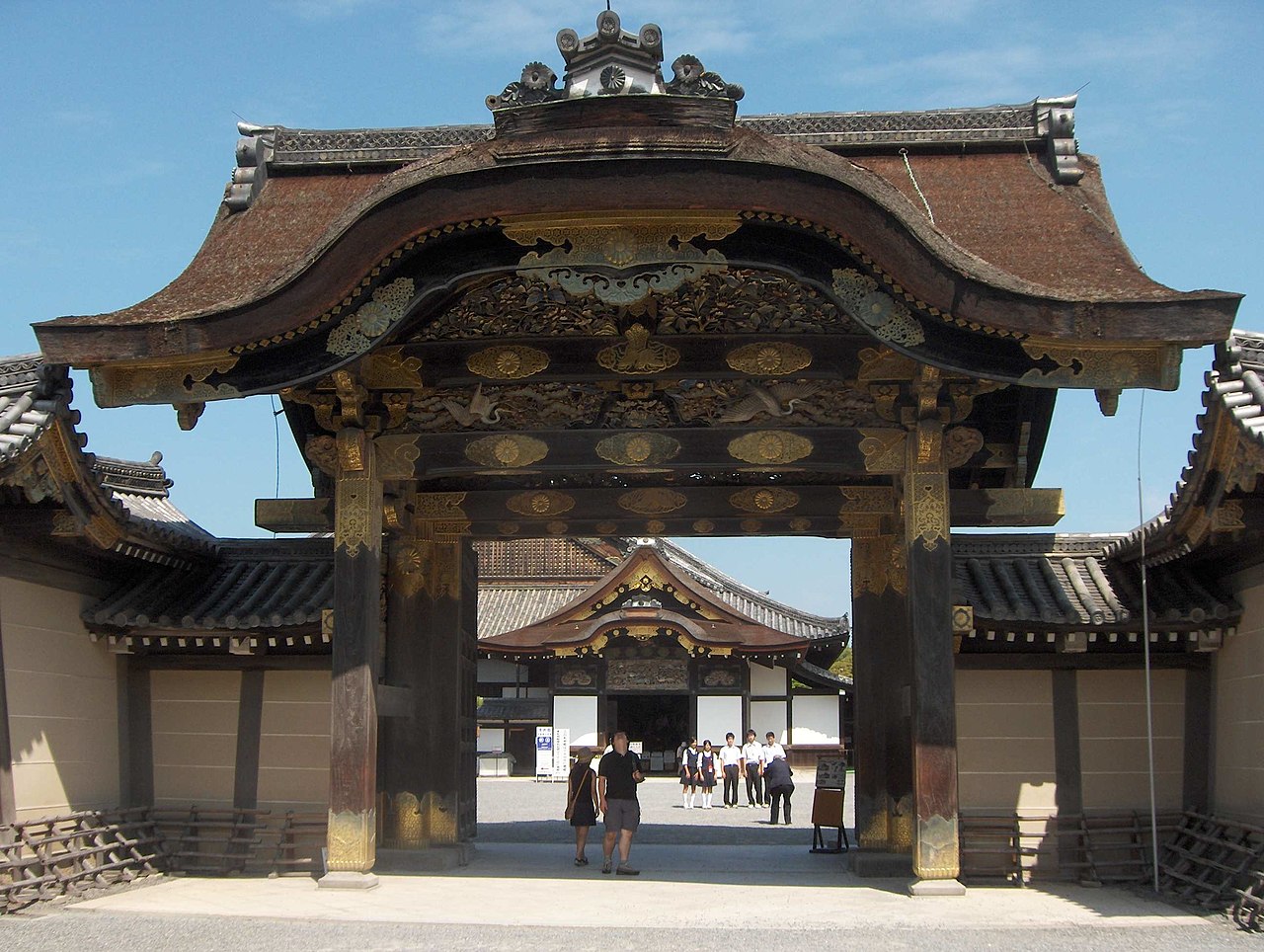
A UNESCO-listed shogun palace with the famous 'nightingale floors' that chirp when walked upon — a security feature against assassins. The Ninomaru Palace interiors are exceptionally preserved.

Castle UNESCO Nightingale Floor
🍜

미식

6 곳
Kyoto Kaiseki Cuisine
📍 City Centre, Kyoto

Kyoto Kaiseki Cuisine

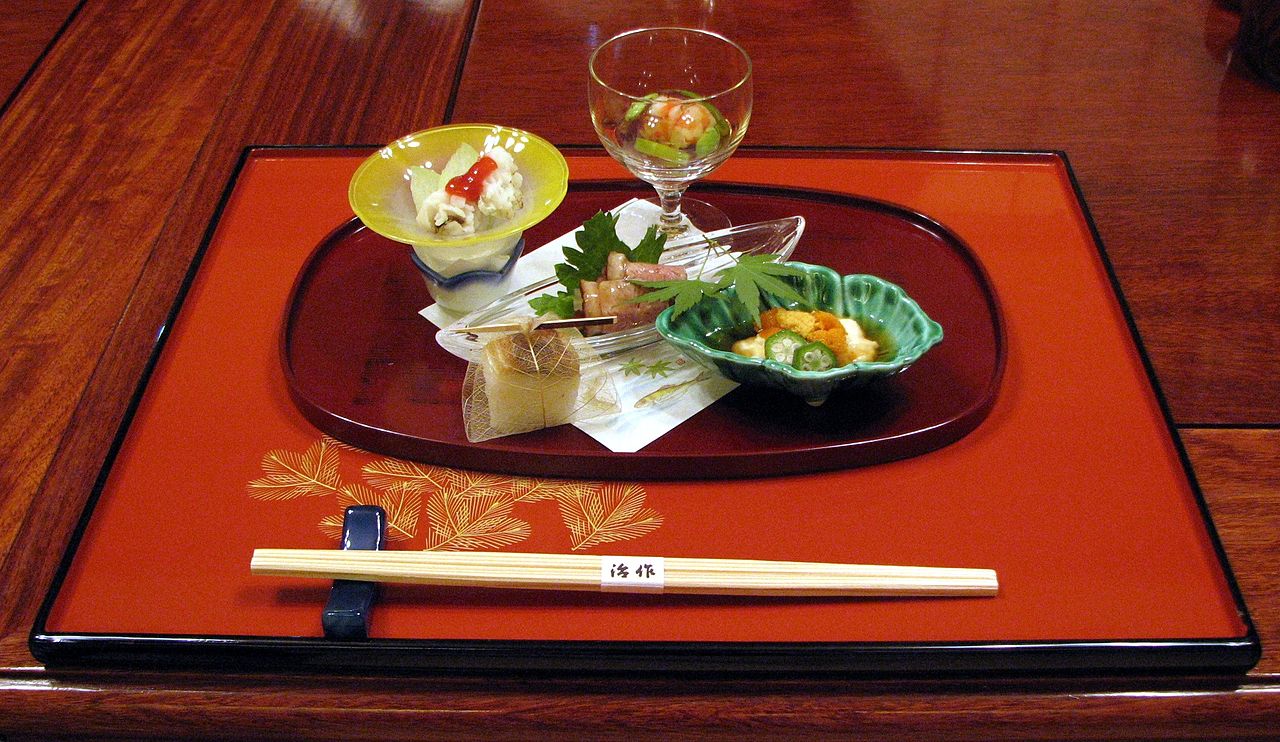
Kyoto is the birthplace and pinnacle of kaiseki — Japan's multi-course haute cuisine. Each course reflects the season in ingredient, presentation, and ceramic ware, served in a tatami room.

Kaiseki Fine Dining Seasonal
Uji Matcha & Tea Culture
📍 Uji, Kyoto

Uji Matcha & Tea Culture

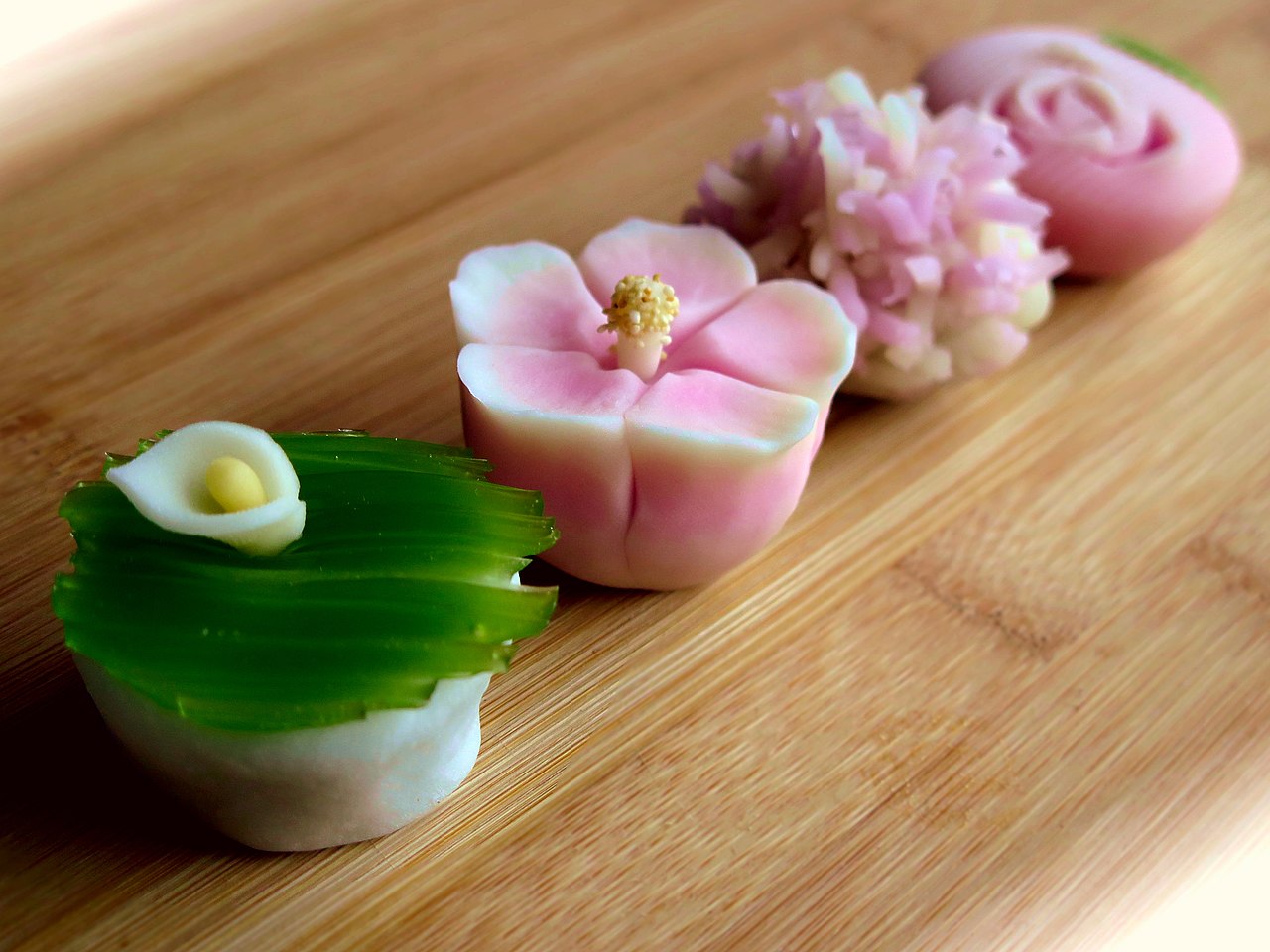
Uji, just south of Kyoto, is Japan's premier matcha-growing region. Try ceremonial-grade matcha in a traditional tearoom, or indulge in matcha parfaits, soft-serve, and wagashi sweets.

Matcha Tea Ceremony Uji
Nishiki Market — Kyoto's Kitchen
📍 Nakagyo-ku, Kyoto

Nishiki Market — Kyoto's Kitchen

A narrow 400-m covered arcade running through central Kyoto, Nishiki Market has served the city's cooks since the Edo period. Over 100 shops sell Kyoto specialties — fragrant kyo-tsukemono pickles, sesame tofu, fresh yuba (tofu skin), flavoured mochi, dashi stock, and skewered street food including chicken karaage and tamagoyaki. Best explored slowly and hungrily.

Market Street Food Pickles Tofu
Nishiki Market
📍 City Centre, Kyoto

Nishiki Market

Kyoto's 'Kitchen' — a covered 400 m arcade with 130+ stalls selling tsukemono pickles, yudofu tofu, fresh matcha sweets, grilled skewers, and seasonal Kyoto vegetables (kyo-yasai).

Market Street Food Local Produce
Kyoto Yudofu (Tofu Cuisine)
📍 Nanzenji, Kyoto

Kyoto Yudofu (Tofu Cuisine)

Silken tofu simmered in kombu broth — a Kyoto specialty born from Buddhist temple cuisine. The restaurants around Nanzenji Temple serve some of the finest yudofu in Japan.

Tofu Vegetarian Buddhist
Obanzai Home Cooking
📍 City Centre, Kyoto

Obanzai Home Cooking

Kyoto's traditional everyday cuisine — small dishes of simmered vegetables, tofu, and pickles made with kyo-yasai (Kyoto heirloom vegetables). Found at intimate neighbourhood restaurants throughout the city.

Home Cooking Vegetable Local
🏔️

자연

7 곳
Arashiyama Bamboo Grove & Sagano Walk
📍 Ukyo-ku, Kyoto

Arashiyama Bamboo Grove & Sagano Walk

The towering bamboo grove along the Sagano walking path in Arashiyama is one of Japan's most distinctive landscapes — sunlight filtering through dense columns of bright green bamboo creates a cathedral-like effect best experienced in the early morning before crowds arrive. Continue to Jojakko-ji Temple's moss garden and Okochi Sanso Villa for a complete mountain walk.

Bamboo Forest Arashiyama Scenic Walk Early Morning
Arashiyama & Hozu River
📍 Arashiyama, Kyoto

Arashiyama & Hozu River

The Hozu River gorge through the Arashiyama mountains offers traditional wooden boat rides (hozugawa kudari) through spectacular autumn scenery, and cherry blossom reflections in spring.

River Autumn Foliage Scenic
Sagano Romantic Train & Torokko
📍 Sagano, Kyoto

Sagano Romantic Train & Torokko

The open-sided Sagano Romantic Train runs through the Hozu River gorge between Saga-Torokko and Kameoka — 25 minutes of spectacular forest and river scenery in an old-fashioned sightseeing train.

Scenic Train Gorge Autumn
Arashiyama Bamboo Grove
📍 Arashiyama, Kyoto

Arashiyama Bamboo Grove

A towering bamboo forest on the western outskirts of Kyoto — the rustling canopy overhead is a designated Sound Landscape of Japan. Visit at dawn for the most atmospheric experience.

Bamboo Scenic Walk Iconic
Kurama & Kibune Mountains
📍 Kurama, Kyoto

Kurama & Kibune Mountains

Two atmospheric mountain villages north of Kyoto connected by a forest hiking trail over Mt. Kurama — Kurama Onsen at the trailhead and Kibune's summer kawadoko river-platform dining at the other end.

Mountains Hiking Onsen
Philosopher's Path
📍 Higashiyama, Kyoto

Philosopher's Path

A 2 km canal-side path lined with cherry trees in the Higashiyama foothills — at its most beautiful during sakura season when petals drift into the water like pink snow.

Cherry Blossoms Canal Walk Spring
🎿

레저

8 곳
Urasenke Tea Ceremony Experience
📍 Kamigyo-ku, Kyoto

Urasenke Tea Ceremony Experience

Urasenke, one of the three great tea families of Japan, offers English-guided tea ceremony demonstrations in a preserved machiya townhouse setting. Learn to observe and participate in chado (the Way of Tea) — the precise choreography of preparing and receiving matcha in a tatami tearoom, an art practiced and refined at this same Kyoto location since the 16th century.

Tea Ceremony Urasenke Cultural Experience Matcha
Tea Ceremony Experience
📍 City Centre, Kyoto

Tea Ceremony Experience

Participate in an authentic Japanese tea ceremony (chado) in a traditional machiya or temple garden — learning the precise movements and Zen philosophy behind every gesture.

Tea Ceremony Culture Hands-on
Kyoto Cooking Class
📍 City Centre, Kyoto

Kyoto Cooking Class

Learn to prepare classic Kyoto dishes — dashi stock, simmered vegetables, tofu dishes — in an intimate class led by local chefs, usually including a market visit to Nishiki beforehand.

Cooking Hands-on Culture
Nijo Castle
📍 Nijo, Kyoto

Nijo Castle

A UNESCO-listed shogun palace with the famous 'nightingale floors' that chirp when walked upon — a security feature against assassins. The Ninomaru Palace interiors are exceptionally preserved.

Castle UNESCO Nightingale Floor
Sagano Romantic Train & Torokko
📍 Sagano, Kyoto

Sagano Romantic Train & Torokko

The open-sided Sagano Romantic Train runs through the Hozu River gorge between Saga-Torokko and Kameoka — 25 minutes of spectacular forest and river scenery in an old-fashioned sightseeing train.

Scenic Train Gorge Autumn
Kimono Rental & Strolling
📍 Gion, Kyoto

Kimono Rental & Strolling

Rent a beautifully styled kimono from shops near Gion or Higashiyama and spend the day strolling Kyoto's stone-paved alleyways — the experience transforms photographs and deepens connection to the city.

Kimono Fashion Cultural Experience
🎆

이벤트

6 곳
Gion Matsuri Yamaboko Procession
📍 Nakagyo-ku, Kyoto

Gion Matsuri Yamaboko Procession

The Yamaboko Junko (Float Procession) on July 17 and 24 is the climax of Gion Matsuri — one of Japan's three greatest festivals. Thirty-three enormous floats (some 30 m tall, weighing 12 tonnes) built without nails using traditional joinery are pulled through Kyoto's streets by hundreds of men in white, accompanied by the haunting 'Conchita' festival music.

UNESCO Gion Matsuri Float Procession July
Gion Matsuri (Jul)
📍 City Centre, Kyoto

Gion Matsuri (Jul)

Japan's most famous festival — the entire month of July in Kyoto, culminating in the Yamaboko Junko parade on July 17 when 32 enormous tapestry-draped floats rumble through the city centre.

Festival Floats UNESCO
Kyoto Autumn Foliage (Nov)
📍 City Centre, Kyoto

Kyoto Autumn Foliage (Nov)

November is Kyoto's most spectacular month — maple foliage frames every temple, shrine, and garden in crimson and gold. Eikando, Tofukuji, and Arashiyama are the top viewing spots.

Autumn Foliage Photography Temples
Jidai Matsuri (Oct)
📍 City Centre, Kyoto

Jidai Matsuri (Oct)

The 'Festival of Ages' on October 22 — a 2 km procession of 2,000 people in historical costumes spanning every era of Japanese history from the Meiji period back to the Heian court.

Festival History Parade Autumn
Aoi Matsuri (May)
📍 City Centre, Kyoto

Aoi Matsuri (May)

One of Kyoto's three great festivals — an elegant procession of 500 people in Heian-period court costume from the Imperial Palace to Kamigamo and Shimogamo Shrines on May 15.

Festival Imperial Procession
Higashiyama Hanatouro (Mar)
📍 Higashiyama, Kyoto

Higashiyama Hanatouro (Mar)

The historic stone-paved lanes of Higashiyama are lined with hundreds of bamboo lanterns for two weeks each March — a magical night-walk experience past illuminated temples and traditional shops.

Illumination Lanterns Night Walk
🎌

체험

3 곳
Maiko Makeover Experience
📍 Higashiyama-ku, Kyoto

Maiko Makeover Experience

Several studios in Gion offer full maiko (apprentice geisha) transformation: white oshiroi base, vivid lip colour, eyebrow shaping, an elaborate wig of the ofuku hairstyle, and a layered hikizuri kimono with long trailing hem. Professional photographers shoot a formal portrait session in Gion's alleyways or private garden sets — one of the most dramatic personal transformation experiences available in Japan.

Maiko Geisha Transformation Kimono
Kyoto Kodo Incense Ceremony
📍 Nakagyo-ku, Kyoto

Kyoto Kodo Incense Ceremony

Kodo (the Way of Incense) is one of Japan's three classical arts alongside flower arranging and tea ceremony. Sessions in Kyoto's Nishiki and Gion districts guide participants through listening to (not smelling — the vocabulary is deliberate) several varieties of aloeswood and other precious incense woods, identifying their qualities and recording impressions in the classical poetic style.

Kodo Incense Traditional Art Zen
Nishijin Textile Weaving Experience
📍 Kamigyo-ku, Kyoto

Nishijin Textile Weaving Experience

Nishijin — Kyoto's historic weaving district — has produced Japan's finest silk brocade for 500 years, supplying the imperial court and highest-grade kimono makers. The Nishijin Textile Centre offers hands-on weaving sessions on traditional jacquard looms, while artisan studios in the surrounding neighbourhood welcome visitors to watch master weavers create fabric that takes weeks to produce one metre.

Nishijin Silk Weaving Kimono Traditional Craft

💡 실용 여행 정보

방문 전후에 꼭 알아야 할 모든 정보.

🌸
최적 여행 시기
  • 가을 (11월) — 교토에서 가장 아름다운 계절. 선홍색과 황금빛 단풍이 모든 사찰과 신사를 물들입니다. 절정은 보통 11월 둘째 주와 셋째 주입니다. 숙박은 3~6개월 전에 예약하세요.
  • 봄 (3월 하순~4월) — 벚꽃 시즌은 인파가 몰리지만 철학자의 길, 마루야마 공원, 기요미즈데라에서 실로 장관을 이룹니다. 마찬가지로 일찍 예약하세요.
  • 8월은 피하세요 — 교토 분지는 열기와 습기를 가두어 기온이 38°C를 웃도는 경우가 많습니다. 일본인 관광객도 8월 중순에는 교토를 피하는 경향이 있습니다.
  • 겨울 (12~2월) — 인파가 적고 사찰 지붕에 눈이 쌓이면 (사진 촬영에 환상적) 인기 명소 접근도 수월합니다. 대부분의 사찰은 연중 개방합니다.
💴
예산 가이드
  • 저예산 (¥8,000~¥14,000/일) — 게스트하우스 또는 캡슐 호텔, 편의점 아침, 라멘 또는 우동 점심, 사찰 입장 2~3곳 (각 ¥500~¥1,000), 오반자이 저녁 식사.
  • 중간 예산 (¥20,000~¥40,000/일) — 역 근처 비즈니스 호텔, 사찰 식당 가이세키 런치 (¥3,000~¥6,000), 기모노 대여 (¥3,000~¥6,000), 다도 체험 (¥2,000~¥5,000).
  • 고급 (¥80,000+/일) — 마치야 타운하우스 또는 가이세키 저녁 포함 료칸, 게이샤 오자시키 연회, 독점 입장 포함 프라이빗 사찰 투어.
  • 교토에서 가장 아름다운 공간 중 많은 곳이 무료입니다: 후시미 이나리, 킨카쿠지 정원 입구, 기온 거리, 철학자의 길, 니시키 시장.
🚇
시내 이동
  • 교토역 관광 안내소에서 시내버스 1일 승차권 (¥700)을 구입하세요 — 대부분의 사찰 버스 노선을 커버하며 3번만 타면 본전입니다.
  • 동부 언덕 지역 (기요미즈데라, 기온, 헤이안 신궁)은 혼잡한 버스를 피해 도자이 지하철로 히가시야마 또는 게아게역에서 하차하세요.
  • 아라시야마는 시조오미야에서 란덴 (게이후쿠) 전차로 가는 것이 가장 좋습니다 — 서쪽 교외를 달리는 매력적인 복고풍 전차입니다.
  • 가모가와 강변 길, 철학자의 길, 다이토쿠지 주변 평탄한 북부 지역을 탐방할 때는 자전거 하루 대여를 추천합니다 — 교토를 가장 잘 느낄 수 있는 방법 중 하나입니다.
⛩️
사찰 & 신사 이용 팁
  • 일찍 도착하세요 — 후시미 이나리, 아라시야마 대나무숲, 킨카쿠지는 오전 9시 이전에는 여유롭게 볼 수 있지만 11시가 되면 인파에 압도됩니다. 대부분 오전 8~8시 30분에 개장합니다.
  • 교토 시내버스 앱에서 실시간 출발 시각을 확인하세요 — 사찰 지역 간 연결을 계획할 때 필수입니다.
  • 많은 사찰이 본당, 정원, 내부 성역의 입장료를 별도로 받습니다. 주요 명소당 ¥500~¥1,000을 예산으로 잡으세요; 여러 구역을 합치면 ¥2,000까지 될 수 있습니다.
  • 니조성과 킨카쿠지는 성수기 (벚꽃 시즌과 단풍 시즌)에 온라인 사전 예약이 필요한 경우가 있습니다 — 방문 전에 공식 웹사이트를 확인하세요.
🍵
음식 & 문화 팁
  • 가이세키의 경우, 저녁에 ¥30,000 이상을 받는 레스토랑의 런치 코스 (¥3,000~¥8,000)는 같은 주방에서 비슷한 요리를 훨씬 저렴하게 즐길 수 있습니다.
  • 니시키 시장은 평일 오전 10시에 방문하는 것이 좋습니다 — 오후가 되면 어깨를 부딪혀야 할 정도로 붐빕니다. 대부분의 가게는 오전 9시~오후 6시에 영업하며 일부는 월요일에 문을 닫습니다.
  • 다도 체험은 10분짜리 관광용 행사부터 제대로 된 60분 학습 세션까지 다양합니다. 정통성을 원한다면 공인 다도 스승이 진행하는 세션을 찾아보세요 — 엔 다도 체험과 잇포도 차는 믿을 수 있는 선택입니다.
  • 교토의 킷사텐 (구식 커피숍)에서는 ¥450~¥600에 훌륭한 모닝 세트 (토스트, 삶은 달걀, 커피)를 제공합니다 — 지역 주민들이 사랑하는 아침 문화이자 알뜰한 하루의 시작입니다.
🙏
에티켓 & 문화
  • 기온에서는 게이코/마이코를 쫓아다니거나 허락 없이 사진을 찍지 마세요 — 이는 일반적으로 성희롱으로 여겨지며 교토는 해당 지역에 사진 촬영 금지 구역을 도입했습니다. 멀리서 조용히 감상하세요.
  • 많은 교토 사찰에는 사진 촬영 구역이 명확히 표시되어 있습니다 — 특히 사진 촬영이 금지된 경우가 많은 본당 내부에서는 안내문을 꼼꼼히 확인하세요.
  • 교토 골목을 따라 보이는 전통 마치야 타운하우스는 사유지입니다 — 출입하거나 창문을 통해 사진을 찍지 마세요.
  • 후시미 이나리에서 도리이 게이트는 기업들이 봉납한 신성한 공물입니다. 경건하게 대하세요 — 이는 관광용 소품이 아니라 현재도 종교적 의미를 지닌 성물입니다.

🏨 Kyoto 호텔 찾기

수백 개의 호텔 가격을 비교해보세요 — 저렴한 캡슐 호텔부터 럭셔리 료칸까지.

Booking.com에서 검색 →

🎌 투어 & 체험

가이드 투어, 당일치기 여행, 요리 교실, 문화 체험을 예약하세요.

Viator에서 투어 보기 →

🗺️ 액티비티 & 명소

줄 서지 마세요 — 입장권, 당일 투어, 현지 체험을 미리 예약하세요.

GetYourGuide에서 탐색 →

🎟️ Kyoto에서 즐길 거리

Klook에서 Kyoto의 티켓, 교통 패스, 독특한 현지 체험을 발견하세요.

Klook에서 예약 →

🚄 JR 패스 & 기차 티켓

도착 전에 온라인으로 일본 철도 패스를 구매하세요 — 신칸센으로 일본 전국을 여행하는 가장 쉬운 방법입니다.

JRPass.com에서 구매 →
🗺️ Plan