Kinki · 현 여행 가이드

미에 여행 가이드

일본 최고의 성지, 고베에 필적하는 마쓰사카 소고기, 세계 최초의 양식 진주 산업, 닌자의 역사, 그리고 구마노 고도의 고대 삼림 순례

⛩️ 이세 신궁 — 일본 최고의 성지🥩 마쓰사카 소고기 — 일본 최고의 와규💎 아고만 진주 (미키모토)🥷 이가 닌자 박물관🌲 구마노 고도 성스러운 길

🗾 소개: Mie

미에는 일본의 정신적 고향입니다. 이세 신궁은 2,000년 동안 일본에서 가장 신성한 장소로 자리해 왔으며, 20년마다 동일한 형태로 재건되는 의식 자체가 신도 철학의 정수를 보여줍니다. 인근의 오카게 요코초 골목은 한때 이곳을 향해 순례길을 걸었던 수백만 명의 에도 시대 분위기를 그대로 간직하고 있습니다. 30킬로미터 남쪽으로 내려가면, 진주 양식으로 유명한 아고만이 저녁 노을 아래 반짝이고, 도바 수족관은 일본 최고 수준을 자랑합니다. 내륙으로 들어가면, 이가 우에노는 닌자 전통의 역사적 발상지로, 해자로 둘러싸인 성과 수리검·연막탄 박물관이 있습니다. 그리고 고대 삼나무 숲을 지나는 유네스코 성스러운 길, 구마노 고도를 걷는 이들에게 미에는 일본의 애니미즘적 영혼과 깊이 교감하는 경험을 선사합니다.

🌏
위치
긴키 지방, 혼슈, 태평양을 바라보는 이세시마 반도
🗣️
언어
일본어 (이세 신궁에서는 영어 가이드 이용 가능; 도바·이가에는 다국어 전시 있음)
💴
통화
일본 엔 (JPY) — 이세 오카게 요코초에서는 현금 필수; 도시에서는 IC 카드 사용 가능
🕐
시간대
JST (UTC+9) — 서머타임 없음
🌡️
최적 시기
봄 (3~5월) & 가을 (10~11월); 이세 순례를 위한 신년
✈️
가까운 공항
나고야 추부 (NGO) 80분 · 오사카 이타미 (ITM) 90분 · 간사이 (KIX) 100분
🚄
이동 수단
긴테쓰 철도 (주요 접근) · JR 미에/기세이선 · 구마노 고도는 렌터카 필요
전원 플러그
A형, 100V / 50Hz

✈️ 교통편

이세로 가장 효율적으로 가는 방법은 오사카 난바(1시간 30분), 나고야(1시간 30분), 교토(2시간)에서 긴테쓰 특급을 이용하는 것입니다. JR도 이 지역을 운행하지만, 이세까지는 긴테쓰가 더 빠릅니다. 아고만 반도와 남부 구마노 해안을 여행하려면 렌터카가 필수입니다.

🚃 오사카·교토에서 (긴테쓰)
  • 긴테쓰 특급 오사카 난바 → 이세시 — 1시간 30분. ¥3,550. 직행, 환승 불필요.
  • 긴테쓰 특급 교토 → 이세시 — 2시간. ¥3,940. 야마토야기 환승 경유 — 나라를 통과하는 경치 좋은 노선.
🚄 나고야에서
  • 긴테쓰 특급 나고야 → 이세시 — 1시간 30분. ¥3,140. 가장 자주 운행.
  • JR 와이드뷰 미에 — 나고야에서 이세시까지: 1시간 50분. JR 패스 적용. 긴테쓰보다 운행 횟수 적음.
🚌 미에 내 이동
  • 이세시 내 (게쿠 → 나이쿠) — 외궁은 이세시역에서 도보 10분. 내궁: 이세시역에서 CAN 버스로 20분, 편도 ¥220.
  • 도바 & 아고만 — 긴테쓰로 이세시에서 도바까지: 18분, ¥330. 아고만 크루즈를 위한 가시코지마: 남쪽으로 40분 더 이동.
  • 렌터카 — 구마노 고도 이세지 루트와 오와세 남쪽의 장엄한 오니가조 암석 지대를 여행할 때 필수.
  • 이가 우에노 — 오사카에서 JR 또는 긴테쓰로 이동 (1시간 30분). 이세와는 별도 — 단독 당일치기 여행으로 계획하세요.
💡 여행 팁<strong>긴테쓰 이세시마 패스</strong> (2일권 ¥3,700)는 특급 요금 포함 이세시마 지역 내 긴테쓰 무제한 승차가 가능 — 이세, 도바, 가시코지마를 2일간 여행할 경우 매우 가성비 좋은 선택입니다.

📖 추천 여행 가이드

여행의 모든 측면을 계획하는 데 도움이 되는 심층 가이드 — 주요 관광 명소부터 최고의 레스토랑, 계절 이벤트까지.

⛩️

관광명소

7 곳
Ise Jingu Inner Shrine (Naiku)
📍 Ise, Mie

Ise Jingu Inner Shrine (Naiku)

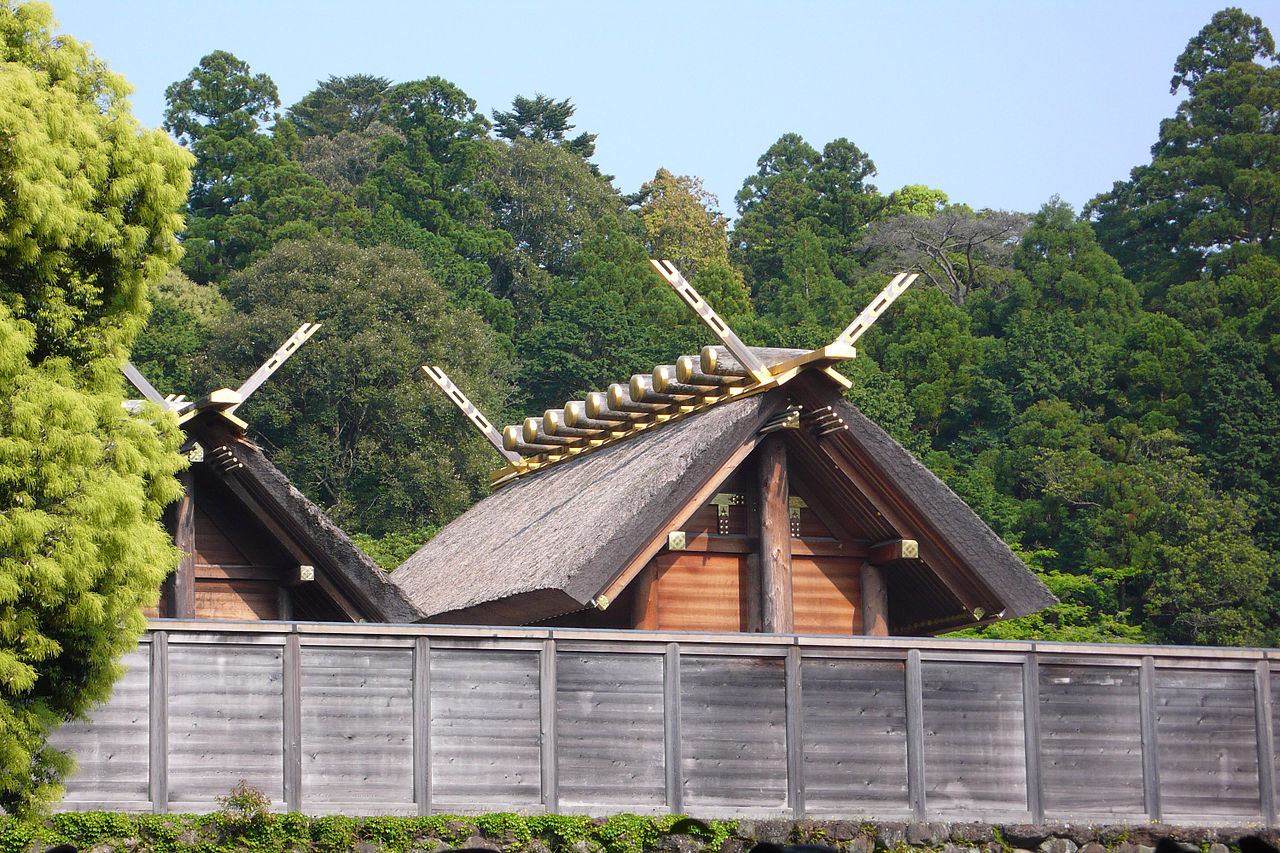
Ise Jingu's Naiku is the most sacred site in Shinto religion, enshrining the sun goddess Amaterasu and considered the spiritual home of the Japanese nation. The main hall is rebuilt completely every 20 years in the sengu ceremony — a 1,300-year-old practice of ritual renewal — with the next rebuilding due in 2033. Entry to the outer gravel precincts is free, though the inner sanctum itself is screened from view, making the forested approach through ancient cedar trees as powerful as any building.

Shinto Most Sacred Shrine UNESCO Candidate
Ise Grand Shrine Pilgrimage Walk
📍 Ise, Mie

Ise Grand Shrine Pilgrimage Walk

Japan's most sacred Shinto complex comprises the Naiku (Inner Shrine) dedicated to Amaterasu and Geku (Outer Shrine) dedicated to Toyouke. A 2-hour pilgrimage walk connects both via the Isuzu River purification site and Oharaimachi shopping street — the original path walked by millions of Edo-period pilgrims on the Okage-mairi. Visit at dawn for the most spiritual atmosphere.

Grand Shrine Shinto Pilgrimage UNESCO Candidate
Ise Jingu Outer Shrine (Geku)
📍 Ise, Mie

Ise Jingu Outer Shrine (Geku)

The Geku, or Outer Shrine, enshrines Toyouke no Omikami, the deity of food, clothing, and shelter, and is the traditional first stop on any Ise pilgrimage before proceeding to the Naiku. A solemn morning ceremony in which food offerings are presented to the deity takes place twice daily, giving early-rising visitors a glimpse of living Shinto ritual. The surrounding cedar forest and stone-paved approach paths are free to walk and impressively serene.

Shinto Food Goddess Cedar Forest
Okage Yokocho Lane
📍 Ise, Mie

Okage Yokocho Lane

Stretching from the Naiku's Uji Bridge, Okage Yokocho is a reconstructed Meiji-era townscape of 60-plus shops and restaurants selling everything from Ise lobster skewers to matcha soft-serve and the famous Akafuku mochi. The lanes replicate the atmosphere of the Edo-period okage mairi mass pilgrimages that once brought millions to Ise, and the architecture is a careful blend of thatched roofs and wooden merchant facades. It is the most atmospheric place in Japan to snack your way through a sacred pilgrimage town.

Shopping Lane Meiji Era Akafuku Mochi
Meoto Iwa Wedded Rocks
📍 Futami, Mie

Meoto Iwa Wedded Rocks

Two rocks in the sea off Futami beach are joined by a massive shimenawa sacred rope and are worshipped as a married couple representing Izanagi and Izanami, the creator deities of Japanese mythology. The larger rock bears a small torii gate on its summit, and the scene at sunrise — with Mt. Fuji sometimes visible on the distant horizon in winter — is one of Japan's most iconic images. The viewing area is free and the nearby Okitama Shrine is one of the region's oldest frog-deity sanctuaries.

Sacred Rocks Sunrise Shimenawa Rope
Iga Ueno Castle and Ninja Museum
📍 Iga, Mie

Iga Ueno Castle and Ninja Museum

Iga city is the legendary birthplace of the Iga ninja school, and the Iga-ryu Ninja Museum beside the castle moat is the world's most authentic exploration of ninjutsu, featuring a genuine 17th-century ninja house riddled with hidden doors, rotating walls, and trapdoors. Live demonstrations of shuriken throwing and acrobatics are staged multiple times daily. The reconstructed three-storey castle, with Japan's tallest original stone wall at 30 metres, costs ¥800 and provides fine views over the castle town.

Ninja Castle Hidden Traps
🍜

미식

7 곳
Matsusaka Wagyu Beef
📍 Matsusaka, Mie

Matsusaka Wagyu Beef

Matsusaka beef — raised in Mie Prefecture using strict traditional methods and considered by many connoisseurs to surpass even Kobe beef — features the most extensive fat marbling of any wagyu breed. Specialist steakhouses and yakiniku restaurants in Matsusaka city serve this extraordinary meat in a reverential setting befitting its premium status. Wagyu beer and classical music are reportedly part of the raising process.

Wagyu Matsusaka Premium Beef Steak
Akafuku Mochi
📍 Ise, Mie

Akafuku Mochi

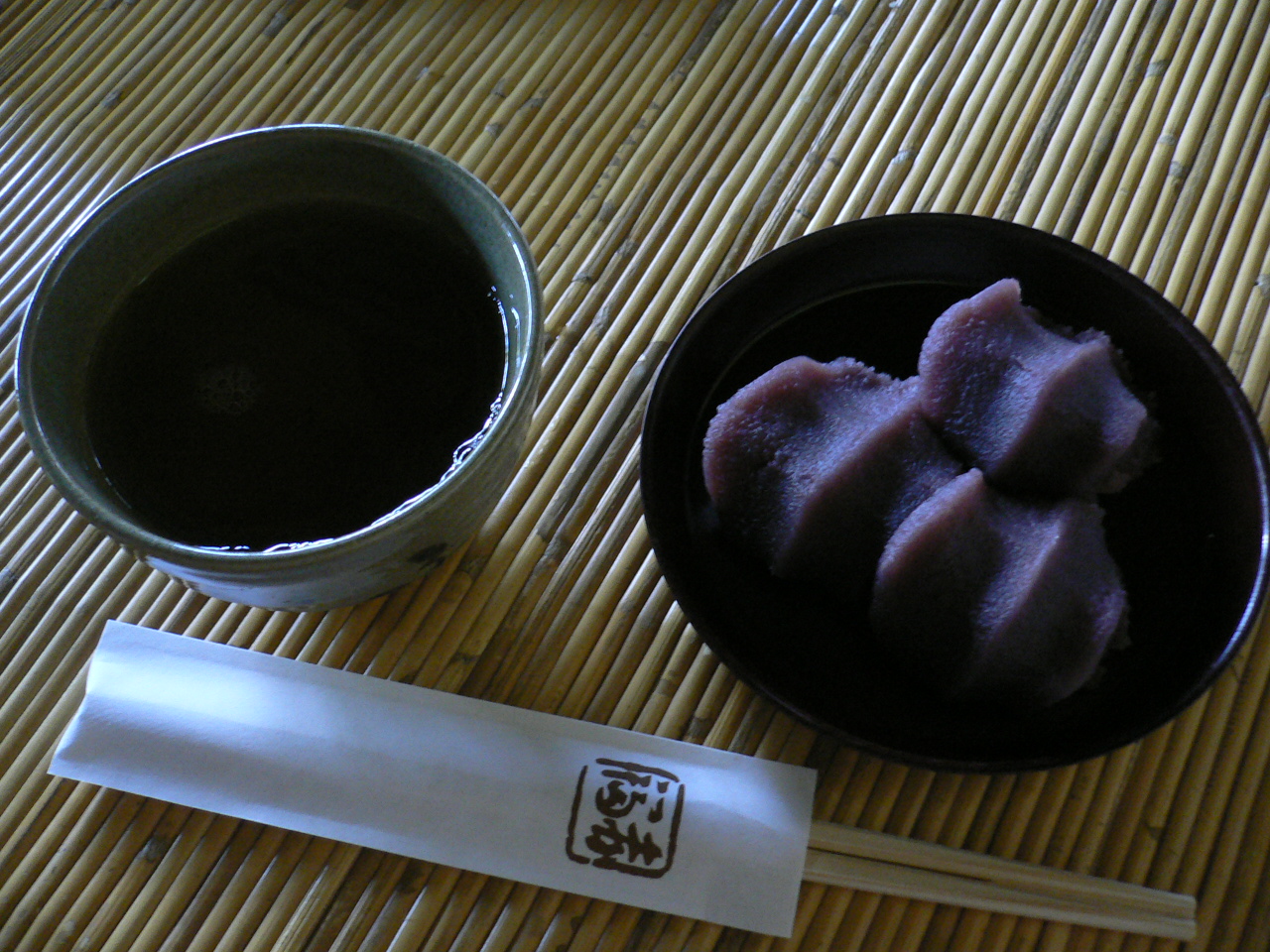
Akafuku mochi has been made using the same recipe since 1707 at a single family-run shop in Okage Yokocho, and the product is deliberately sold only at this location and cannot be purchased online or taken by overnight courier because it contains no preservatives. Each piece is a small ball of soft rice cake topped with smooth red-bean paste shaped to evoke the Isuzu River's flow, and the combination of freshness and simplicity makes it one of Japan's most sought-after confections. At ¥250 for three pieces, it is exceptional value.

Mochi Okage Yokocho Fresh Daily
Matsusaka Beef Wagyu
📍 Matsusaka, Mie

Matsusaka Beef Wagyu

Matsusaka beef is widely regarded as Japan's most prestigious wagyu, raised from female cattle only — never oxen — in a centuries-old tradition of careful feeding, sake massage, and stress-free rearing in the cedar mountains of Mie. The resulting meat has an extraordinary fat-marbling that melts at low temperatures, producing a sweetness and tenderness that even Kobe beef aficionados concede is singular. Sukiyaki in a Matsusaka restaurant, with local sake and tofu, costs ¥6,000–¥15,000 and is an unforgettable meal.

Wagyu Japan's Finest Beef Sukiyaki
Ise Ebi (Japanese Spiny Lobster) Cuisine
📍 Toba, Mie

Ise Ebi (Japanese Spiny Lobster) Cuisine

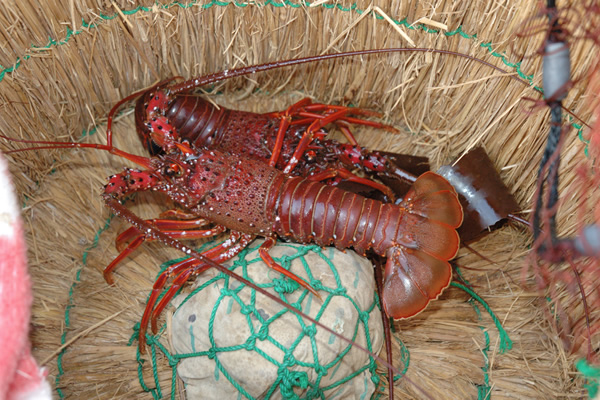
Ise-ebi (Japanese spiny lobster), named for this coastline where it is most abundant and prized, is the most ceremonially important seafood in Japan — displayed at weddings and new year celebrations for its auspicious curved shape. Coastal restaurants in Toba and Shima serve it as sashimi, miso soup, and grilled with butter from October to April.

Lobster Seafood Ise Ebi Local Specialty
Ise Lobster (Ise-ebi)
📍 Kashikojima, Mie

Ise Lobster (Ise-ebi)

The spiny Ise lobster from the rocky reefs of Ago Bay is the defining luxury seafood of the Shima peninsula, so intertwined with the region's identity that it appears on festival ornaments, shrine offerings, and souvenir packaging throughout Mie. Grilled over charcoal with salt or simmered into a rich miso soup, a single lobster meal in Toba or Kashikojima typically costs ¥3,000–¥8,000. The season runs September through April and the fishing is done by small-boat ama and male fisher crews.

Ise Lobster Seafood Ago Bay
Ama Diver Seafood Huts
📍 Osatsu, Mie

Ama Diver Seafood Huts

Mie's ama are female free-divers who have harvested abalone, turban shells, and sea urchin from the coastal reefs without equipment for over 2,000 years, and several ama huts around Toba and Osatsu village now offer visitors the chance to eat the morning's catch grilled over charcoal at communal hearths. The experience combines cultural immersion — the ama women chat while cooking — with extraordinarily fresh seafood at farm-gate prices. A reservation is strongly recommended as the huts operate limited sessions and sell out quickly.

Ama Divers Abalone Fresh Grilled
🏔️

자연

4 곳
Kumano Kodo Iseji Route
📍 Kumano, Mie

Kumano Kodo Iseji Route

The Iseji is the coastal-to-mountain pilgrimage route connecting Ise Jingu with the Kumano Grand Shrines, listed alongside the Camino de Santiago as one of UNESCO's dual World Heritage pilgrimage trails. The route follows ancient stone-paved paths through cedar forests, fishing villages, and sea-cliff headlands, with guesthouses and pilgrim lodges at day's-end intervals. Individual sections of 10–20 kilometres can be walked in a day, making it accessible to travellers who cannot commit to the full multi-day journey.

UNESCO Pilgrimage Coastal Trail Forest Path
Akame 48 Waterfalls
📍 Akame, Mie

Akame 48 Waterfalls

The Akame gorge in western Mie shelters a series of cascading waterfalls connected by a 4-kilometre forest trail that passes mossy boulders, suspension bridges, and pools inhabited by the giant Japanese salamander, one of the world's largest amphibians. In June the gorge fills with thousands of fireflies that rise from the forest floor at dusk, creating one of Kansai's most magical natural spectacles. The trail is well-maintained with handrails and takes about two hours to complete.

Waterfalls Gorge Giant Salamander
Onigajo Rock Formation
📍 Kumano, Mie

Onigajo Rock Formation

Onigajo, the Demon's Castle, is a dramatic UNESCO Global Geopark site near Kumano where millennia of wave action have carved the coastal cliffs into a labyrinth of caverns, sea arches, and jagged spires that resemble a fortified demon stronghold. A free boardwalk winds through the formations at sea level, and higher viewpoints accessible by short hike reveal the full extent of the coastal erosion drama. The site is spectacular in rough weather when waves surge through the caves.

Sea Caves Geopark Wave-Carved Rock
Ago Bay Pearl Farms
📍 Kashikojima, Mie

Ago Bay Pearl Farms

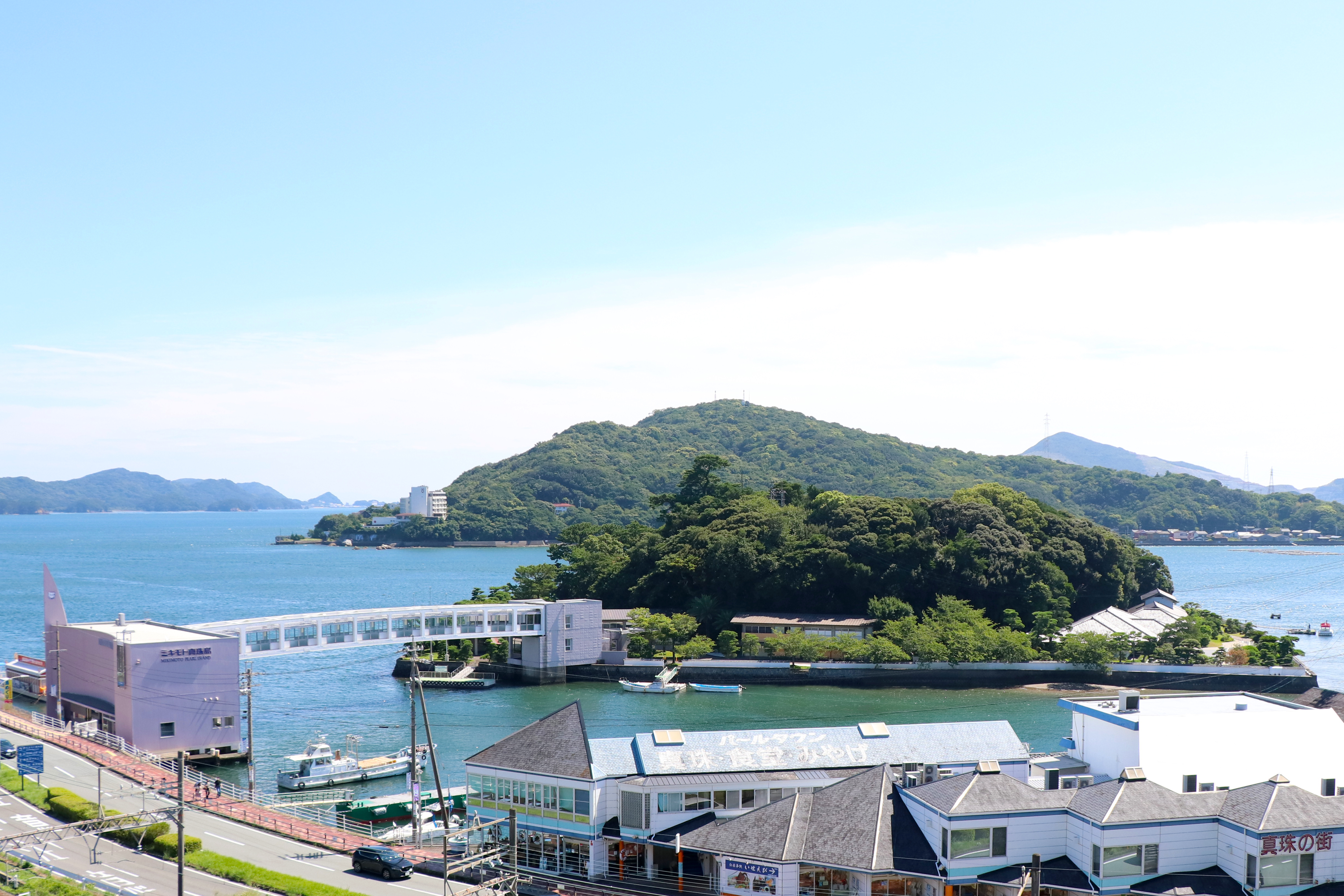
Ago Bay's sheltered, island-dotted waters are so ideally suited to akoya pearl oyster cultivation that they produce some of the world's finest round cultured pearls, and the hundreds of wooden raft structures floating across the bay create a distinctive and photogenic landscape. Sunset cruise boats navigate between the rafts as the sky turns pink over Kashikojima Island. The bay is also a bird sanctuary attracting black-tailed gulls and oystercatchers in winter.

Pearl Oysters Calm Bay Sunset Cruise
🎿

레저

6 곳
Kumano Kodo Hiking
📍 Kumano, Mie

Kumano Kodo Hiking

Walking the Kumano Kodo on Mie's Iseji route combines the spiritual dimension of a 1,200-year-old pilgrimage with the practical pleasure of excellent forest hiking infrastructure, including traditional minshuku guesthouses, luggage-forwarding services, and a UNESCO-recognised trail map network. Daily stages of 10–20 kilometres pass cedar cathedrals, coastal cliffs, and isolated village shrines where fresh water is still offered to pilgrims. The route connects logistically with the Wakayama section for those wishing to complete the full Kumano circuit.

Pilgrimage Hiking Forest Trail Guesthouses
Ama Pearl Diver Experience
📍 Shima, Mie

Ama Pearl Diver Experience

The ama (female free divers) of the Shima Peninsula have harvested abalone, sea cucumber, and pearl oysters for over 2,000 years, diving without equipment to depths of 15 m on single breaths. Several coastal inns and diving schools now offer supervised beginner ama experiences in shallow water, followed by a meal prepared by retired ama divers at their community hut (amagoya).

Ama Pearl Diver Underwater Cultural Heritage
Ago Bay Pearl Island Cruise
📍 Shima, Mie

Ago Bay Pearl Island Cruise

Ago Bay's sheltered waters, dotted with raft after raft of pearl oyster nets hanging below the surface, are best experienced by glass-bottomed boat or kayak tour. The cruise demonstrates the Mikimoto pearl cultivation technique — Mie is where Mikimoto Kokichi cultivated the world's first cultured pearl in 1893 — with stops at pearl factories and archipelago islet viewpoints.

Pearl Cruise Bay Scenic
Mikimoto Pearl Island
📍 Toba, Mie

Mikimoto Pearl Island

Mikimoto Pearl Island in Toba Bay marks the site where Kokichi Mikimoto perfected the world's first cultured pearl in 1893, revolutionising the global jewellery industry. The museum traces the history of the discovery and displays spectacular pearl art pieces including a pearl-encrusted replica of the Liberty Bell. Live ama diving demonstrations in traditional white suits take place several times daily, and the pearl jewellery shop offers pieces from ¥5,000 to several million yen. Admission is ¥1,650.

Cultured Pearls Ama Diving Demo History
Iga Ninja Experience
📍 Iga, Mie

Iga Ninja Experience

Iga's ninja experience facilities offer hands-on workshops in shuriken throwing, fukiya blowgun use, smoke bomb deployment, and the art of disguise, taught by instructors in full shinobi attire against the backdrop of the castle grounds. The Ninja Museum's performance shows demonstrate wall-climbing, water-walking, and escape techniques that make ninja capabilities feel genuinely plausible rather than theatrical. Workshops start from ¥800 and are suitable for ages 6 and up, making Iga one of the best family destinations in the Kansai region.

Ninja Shuriken Throwing Workshop
Ago Bay Glass-Bottom Boat
📍 Kashikojima, Mie

Ago Bay Glass-Bottom Boat

A 50-minute glass-bottom cruise through the pearl oyster rafts of Ago Bay offers a unique perspective on the cultivation process, with underwater viewing panels revealing the oyster baskets suspended in the turquoise water below the rafts. The cruise also passes small uninhabited islands, fishing net platforms, and the occasional sea bream and yellowtail visible in the clear water. Departing from Kashikojima harbour, tickets cost around ¥1,600 and no reservation is required outside peak season.

Glass-Bottom Boat Pearl Rafts Cruise
🎆

이벤트

3 곳
Ise Jingu Kagura Ceremonies
📍 Ise, Mie

Ise Jingu Kagura Ceremonies

Kagura is the sacred Shinto musical performance offered to the gods, and at Ise Jingu private kagura ceremonies can be commissioned year-round at the Naiku's Kaguraden hall, with public performances incorporated into the shrine's major festival calendar. Witnessing priests and miko shrine maidens perform music and masked dance in the lantern-lit hall is one of the most atmospheric and spiritually resonant experiences available to visitors in Japan. Certain festivals open parts of the ceremony to general viewing.

Sacred Music Kagura Dance Shinto Ritual
Matsusaka Beef Festival
📍 Matsusaka, Mie

Matsusaka Beef Festival

Each autumn the Matsusaka Beef Festival in central Matsusaka city offers the rare opportunity to purchase premium wagyu steaks and sukiyaki sets at near-cost prices, as local ranchers and restaurants compete to attract buyers and celebrate the prefecture's most prestigious agricultural product. A lottery system allocates some of the most coveted cuts, and the festival grounds fill with the aroma of thousands of portions grilling simultaneously over charcoal. It draws tens of thousands of visitors and tickets for the lottery should be entered the moment they open.

Food Festival Wagyu Autumn
Toba Sea Fireworks Festival
📍 Toba, Mie

Toba Sea Fireworks Festival

Held each August over Toba Bay, the sea fireworks festival launches shells directly from platforms in the water, surrounding spectators on the surrounding hills and ferries with bursts reflected in the calm pearl-farming bay below. The combination of maritime setting and the silhouettes of pearl raft structures against the illuminated sky makes this one of the most photogenic fireworks events on the Pacific coast. Viewing spots along the Toba waterfront and on chartered boat tours fill quickly.

Fireworks Summer Toba Bay
🎌

체험

1 곳
Mikimoto Pearl Island Jewelry Workshop
📍 Toba, Mie

Mikimoto Pearl Island Jewelry Workshop

On Mikimoto Pearl Island — where Mikimoto Kokichi cultivated the world's first cultured pearl in 1893 — visitors can design and string their own pearl necklace or bracelet from a selection of Akoya pearls graded by lustre, size, and colour. The adjacent museum traces the pearl cultivation process from seed insertion to harvest, ending with certified pearl grading and selection.

Pearl Jewelry Mikimoto Workshop

💡 실용 여행 정보

방문 전후에 꼭 알아야 할 모든 정보.

⛩️
이세 신궁 필수 정보
  • 이세 신궁은 게쿠(외궁)나이쿠(내궁) 두 개의 주요 구역으로 이루어져 있으며 6km 떨어져 있습니다. 전통적으로 게쿠를 먼저 참배합니다. 두 곳 모두 돌아보려면 하루를 온전히 비워두세요.
  • 내궁(나이쿠)에는 아마테라스 오미카미, 태양 여신이자 일본 황실의 조상신이 모셔져 있어 일본에서 가장 신성한 신도 성지입니다. 내부 신전의 사진 촬영은 허용되지 않습니다.
  • 오카게 요코초(내궁 인근)는 메이지 시대의 거리 풍경 속에서 아카후쿠 모치(¥250), 이세 랍스터, 마쓰사카 소고기 꼬치 등을 즐기기에 안성맞춤입니다.
  • 신사 건물은 20년마다 완전히 새로 지어집니다(다음: 2033년) — 재생 가능 건축과 장인 정신의 계승을 이어온 1,300년 전통입니다.
🥩
마쓰사카 소고기
  • 마쓰사카 소고기(松阪牛)는 일본 최고의 와규로 널리 알려져 있습니다 — 암소만 사용, 평생 스트레스 없는 사육, 극도의 마블링. 제대로 된 스키야키 런치는 ¥6,000~¥15,000 수준입니다.
  • 마쓰사카시는 이세시역에서 긴테쓰로 30분 거리입니다. 예산이 적은 여행자에게는 마쓰사카 소고기 크로켓(¥250)이 맛있는 입문 메뉴입니다.
  • 가장 맛있게 먹는 방법: 스키야키(얇게 썬 고기를 달콤한 간장 국물에 끓여 날달걀에 찍어 먹기) 또는 야키니쿠(테이블에서 직접 구워 먹기).
💎
아고만 진주
  • 도바의 미키모토 진주섬에는 훌륭한 전시와 살아있는 아마(여성 해녀) 시연이 준비되어 있습니다(¥1,650). 아고만은 미키모토 고키치가 1893년 양식 진주 재배를 완성한 곳입니다.
  • 아고만 유리 바닥 보트 투어(¥1,600, 50분)를 타면 굴 뗏목 양식장을 지나갑니다. 도바의 진주 주얼리 상점은 도쿄보다 더 좋은 가격을 제공합니다.
🥷
이가 닌자 체험
  • 이가 우에노의 이가 닌자 박물관에는 숨겨진 문과 함정이 있는 시노비야시키(닌자 가옥), 무기 시연, 닌자 쇼(¥800)가 마련되어 있습니다. 체험 요소가 풍부하고 가족 단위 여행에도 적합합니다.
  • 박물관 인근의 이가 우에노 성은 인상적인 원형 천수각과 해자를 자랑합니다. 입장료 ¥600. 시내 중심에는 닌자 테마의 레스토랑과 상점이 즐비합니다.
💴
예산 가이드
  • 저예산 (¥5,000~¥9,000/일) — 긴테쓰 패스로 당일치기, 이세 신궁(무료 입장), 오카게 요코초 점심, 마쓰사카 소고기 크로켓.
  • 중간 예산 (¥15,000~¥30,000/일) — 이세 또는 도바 근처 여관, 마쓰사카 소고기 저녁, 아고만 투어, 미키모토 진주섬.
  • 럭셔리 (¥50,000+/일) — 아고만 럭셔리 료칸, 마쓰사카 소고기 가이세키 코스, 프라이빗 아마 다이빙 체험.

🏨 Mie 호텔 찾기

수백 개의 호텔 가격을 비교해보세요 — 저렴한 캡슐 호텔부터 럭셔리 료칸까지.

Booking.com에서 검색 →

🎌 투어 &amp; 체험

가이드 투어, 당일치기 여행, 요리 교실, 문화 체험을 예약하세요.

Viator에서 투어 보기 →

🗺️ 액티비티 &amp; 명소

줄 서지 마세요 — 입장권, 당일 투어, 현지 체험을 미리 예약하세요.

GetYourGuide에서 탐색 →

🎟️ Mie에서 즐길 거리

Klook에서 Mie의 티켓, 교통 패스, 독특한 현지 체험을 발견하세요.

Klook에서 예약 →

🚄 JR 패스 &amp; 기차 티켓

도착 전에 온라인으로 일본 철도 패스를 구매하세요 — 신칸센으로 일본 전국을 여행하는 가장 쉬운 방법입니다.

JRPass.com에서 구매 →
🗺️ Plan