Tohoku · 현 여행 가이드

미야기 여행 가이드

도호쿠의 관문 도시 — 일본 3대 절경 중 하나, 일본에서 가장 유명한 소 혀 요리, 일본 최대 타나바타 축제, 회복의 정신으로 빚어진 해안선

🌊 마쓰시마 — 일본 3대 절경🥩 센다이 규탄 — 일본에서 가장 유명한 소 혀🎋 센다이 타나바타 — 일본 최대 타나바타 축제🏯 다테 마사무네 — 외눈 용의 성하 마을🪆 나루코 — 일본 고케시 인형의 수도

🗾 소개: Miyagi

미야기는 도호쿠에서 가장 크고 가장 많은 방문객이 찾는 현으로, 100만 인구의 세련된 지방 수도 센다이가 중심입니다. 1601년 이곳에 성하 마을을 세우고 이 지역을 문화와 교역의 중심지로 변모시킨 탁월하고 냉철한 외눈 다이묘 다테 마사무네의 유산을 이어받은 도시입니다. 센다이에서 기차로 40분 거리의 마쓰시마 만은 에도 시대부터 일본 3대 절경 중 하나로 칭송받고 있습니다 — 잔잔한 태평양 만에 흩어진 260개의 소나무로 덮인 섬들은 새벽이나 황혼 무렵 느린 배 위에서 감상하면 풍경이 수묵화처럼 변할 때 가장 아름답습니다. 마쓰시마 남쪽으로 이어지는 산리쿠 해안은 더 복잡한 이야기를 들려줍니다: 오나가와, 미나미-산리쿠, 그리고 그 사이의 마을들이 2011년 지진과 쓰나미로 황폐해졌으며, 재건된 지역 사회, 활기찬 해산물 시장, 감동적인 추모 시설을 갖춘 놀라운 회복의 여정이 도호쿠에서 가장 의미 있는 여행 경험 중 하나가 되었습니다. 내륙으로는 아키우와 나루코의 온천 마을이 도호쿠 온천 문화의 깊이를 제공합니다: 센다이 시내에서 30분 거리의 아키우, 안개 자욱한 산골 계곡에 위치한 별세계 나루코에는 11가지 샘 유형과 일본 최고의 고케시 공예 전통이 기다립니다.

🌏
위치
도호쿠 중부, 태평양 연안 — 센다이는 도호쿠 최대 도시로 이와테, 아키타, 야마가타, 후쿠시마와 접경
🗣️
언어
일본어 (도호쿠 방언; 센다이, 마쓰시마 및 주요 관광지에서 영어 이용 가능)
💴
통화
일본 엔 (JPY) — 센다이에서 IC카드(Suica/Pasmo) 사용 가능; 농촌 지역에서는 현금 필수
🕐
시간대
JST (UTC+9) — 일광절약시간 없음
🌡️
최적 시기
4월 초 (센다이·마쓰시마 벚꽃); 8월 6~8일 (타나바타); 9월 (마쓰시마 달맞이); 10~11월 (나루코 협곡 단풍); 1~2월 (자오 수빙)
✈️
가까운 공항
센다이 공항 (SDJ) · 센다이공항 액세스선으로 센다이역까지 17분. 서울, 상하이, 타이베이에서 국제선 운항
🚇
교통
도호쿠 신칸센으로 센다이까지 (도쿄에서 1시간 30분); 마쓰시마는 센세키선; 나루코 온천과 자오는 렌터카
전원 플러그
A타입, 100V / 50Hz

✈️ 교통편

센다이는 도호쿠의 최고 교통 허브입니다 — 도쿄에서 하야부사 신칸센으로 최단 1시간 30분이면 센다이에 도달해, 도호쿠 북부 전체로 가는 가장 빠르고 편리한 관문이 됩니다. 센다이 공항은 서울 김포, 상하이 푸동, 타이베이 타오위안에서 직항편으로 연결되어 도쿄를 경유하지 않고도 동아시아 방문객들이 미야기에 접근할 수 있게 합니다.

🚄 도쿄에서 (신칸센)
  • 도호쿠 신칸센 하야부사 (도쿄 → 센다이) — 1시간 30분~1시간 45분. ¥11,410 (지정석). 가장 빠른 서비스; 도쿄역에서 20~40분마다 출발. JR패스 유효.
  • 도호쿠 신칸센 야마비코 (도쿄 → 센다이) — 2시간. ¥11,410. 더 많은 역에 정차; 우쓰노미야나 후쿠시마에서 환승 시 유용.
  • 고속버스 (신주쿠/도쿄 → 센다이) — 5~6시간. ¥3,500~¥5,500. 야간 서비스 다수; 시내 직통 하차하는 예산형 옵션.
✈️ 센다이 공항 경유 국제선
  • 센다이 공항 (SDJ) — 서울 김포에서 아시아나항공, 상하이 푸동에서 중국동방항공, 타이베이 타오위안에서 에바항공/만다린항공 취항. 홍콩과 방콕에서 계절 전세편도 운항.
  • 공항 액세스선 (SDJ → 센다이역) — 17분. ¥660. 30분마다 운행; 신칸센 플랫폼에 직결.
✈️ 오사카 / 나고야에서
  • JAL / ANA (ITM → SDJ) — 1시간 15분. ¥10,000부터. 오사카에서 가장 빠른 옵션; 하루 4~5편.
  • ANA (NGO → SDJ) — 1시간 10분. ¥9,000부터. 나고야 추부 공항에서 하루 2~3편.
  • 오사카에서 도쿄 경유 신칸센 — 4시간 (도쿄까지 노조미, 센다이까지 하야부사). 신칸센 패스 소지자에게 유용.
🚗 미야기 내 이동
  • 센다이 시내 — 지하철 (난보쿠·도자이선), 루플 센다이 관광 버스 (¥630/1일권), 시내버스 노선이 모든 시내 명소를 커버. 센다이 중심부는 아담하고 도보로 이동 가능.
  • 마쓰시마 — 센다이에서 JR 센세키-도호쿠선으로 마쓰시마카이간역까지 (40분, ¥420). 페리로 마쓰시마-시오가마 연결 (25분, ¥1,500)으로 경치 좋은 순환 코스.
  • 나루코 온천과 자오 — 렌터카 강력 추천. 나루코는 센다이에서 1시간 30분; 자오 스키장은 1시간 10분. JR 리쿠-동선으로도 나루코에 갈 수 있지만 2시간 이상 소요.
  • 산리쿠 해안 — 미나미-산리쿠와 오나가와는 렌터카 또는 고속버스. 오나가와는 JR 센세키선으로 센다이에서 1시간 10분.
💡 여행 팁마쓰시마는 JR 센세키-도호쿠선(마쓰시마카이간역 하차) 또는 구 센세키선으로 센다이역에서 40분밖에 걸리지 않습니다 — 대도시에서 당일치기로 가기 가장 쉬운 일본 여행지 중 하나입니다. 돌아올 때는 25분 시오가마 페리를 이용해 가장 경치 좋은 코스로 돌아오세요, 시오가마 항구에서 스시 점심을 먹고 센다이로 돌아가는 기차를 타면 됩니다.

📖 추천 여행 가이드

여행의 모든 측면을 계획하는 데 도움이 되는 심층 가이드 — 주요 관광 명소부터 최고의 레스토랑, 계절 이벤트까지.

⛩️

관광명소

10 곳
Matsushima Bay — One of Japan's Three Views
📍 Matsushima, Miyagi

Matsushima Bay — One of Japan's Three Views

Matsushima is one of Japan's three canonically great views — a calm bay scattered with over 260 pine-covered islands, each shaped by centuries of wave erosion into arches, caves, and pinnacles draped in wind-twisted black pines. Viewed from Saigyo Modoshi no Matsu hilltop at dusk, the islands recede in layers of blue-grey haze that seem more painting than reality. Boat cruises departing every 30 minutes wind between the islands at water level, revealing hidden grottoes and cormorant colonies.

Three Views of Japan Pine Islands UNESCO Candidate Scenic Bay
Shichi-Go-San at Osaki Hachimangu Shrine
📍 Sendai, Miyagi

Shichi-Go-San at Osaki Hachimangu Shrine

Sendai's Osaki Hachimangu, a stunning Momoyama-era shrine designated as a National Treasure, becomes the focal point of Miyagi's Shichi-Go-San celebrations each November, when families dress children aged 3, 5, and 7 in elaborate kimono and hakama for blessing ceremonies. The gold-lacquered shrine facade and crimson torii set against autumn foliage create a vivid backdrop for this cherished Japanese rite of passage. The shrine's black-lacquered hall and intricate carvings make it a must-visit regardless of the festival.

Shrine Children Festival Autumn
Narugo Gorge (Autumn Colours)
📍 Osaki, Miyagi

Narugo Gorge (Autumn Colours)

Narugo Gorge erupts in some of Tohoku's finest autumn colour each October and November — a 2 km ravine where the Narugo River has cut through volcanic rock to create vertical walls of deep red maple, yellow ginkgo, and ochre oak reflected in the dark river below. The Ofukazawa Bridge viewpoint is the classic vantage point, but walking the gorge trail at water level reveals cascades and mossy boulders almost hidden beneath the blazing canopy. The nearby kokeshi doll workshops add a warm cultural dimension to what would already be a compelling autumn destination.

Autumn Foliage Gorge Tohoku Scenic Ravine
Zuiganji Temple (Major Zen Temple)
📍 Matsushima, Miyagi

Zuiganji Temple (Major Zen Temple)

Zuiganji is Tohoku's most important Zen temple, founded in 828 and rebuilt in its current magnificent form by Date Masamune in 1609 — the gilded sliding-door paintings inside the main hall are among the finest surviving examples of Momoyama-period art. The approach from the main gate is one of Japan's most atmospheric temple walks: a corridor of ancient cedar trees several hundred years old, their canopy blotting out the sky. Cliff-carved meditation caves line the path, used by Heian-period monks who carved their own tombstones into the rock face.

Zen Temple Date Masamune Cedar Approach Momoyama Art
Kinkazan Island (Sacred Island — Deer & Monkeys)
📍 Ishinomaki, Miyagi

Kinkazan Island (Sacred Island — Deer & Monkeys)

Kinkazan — 'Gold Flower Mountain' — is one of Japan's three great power spots, a sacred island off the Oshika Peninsula where hundreds of sika deer and wild macaque monkeys roam freely among the ancient shrine buildings. Koganeyama Shrine at the island's centre has been a pilgrimage destination since the 8th century, and traditional belief holds that three consecutive January visits guarantee lifelong financial fortune. The 30-minute ferry from Oshika Peninsula deposits visitors into a wild, half-tame landscape unlike anywhere else in Tohoku.

Sacred Island Deer Wild Monkeys Remote Shrine
Shiogama Shrine & Tuna Port
📍 Shiogama, Miyagi

Shiogama Shrine & Tuna Port

Shiogama is one of Japan's top tuna-landing ports, supplying much of Tokyo's premium maguro market — the Sunday morning market at Uontana lets visitors buy directly from wholesalers at extraordinary prices, followed by sushi at restaurants that open at 7am. Above the port, Shiogama Shrine rises on a wooded hill with 202 stone steps framed by ancient cedar trees, its main halls designated National Treasures. The shrine's September Minato Festival — when sacred portable shrines are carried across the bay by boat — is one of Tohoku's most spectacular waterborne festivals.

Shiogama Shrine Tuna Port Sushi Coastal Town
🍜

미식

7 곳
Sendai Gyutan (Beef Tongue)
📍 Sendai, Miyagi

Sendai Gyutan (Beef Tongue)

Sendai gyutan is Japan's most famous regional beef dish — thick-sliced beef tongue (three to four times the thickness of ordinary gyutan) grilled over charcoal until lightly charred outside and juicy within, served with mugi-meshi (barley rice), pickled cabbage, and a rich oxtail soup. The dish was invented in 1948 by restaurateur Keishiro Sano who sought a use for the tongue and tail cuts ignored by the postwar American occupation forces stationed in Sendai. Today over 30 specialist gyutan restaurants cluster in Sendai's Kokubuncho district, each with its own proprietary cure, thickness, and grill technique.

Gyutan Beef Tongue Sendai Specialty Charcoal Grilled
Seafood Don at Shiogama Market
📍 Shiogama, Miyagi

Seafood Don at Shiogama Market

Shiogama's Sunday market (Uontana) is one of Japan's great seafood bargains — a cavernous wholesale hall where tuna, salmon, scallops, sea urchin, and Matsushima oysters are sold at prices a fraction of Tokyo retail. Several restaurants adjacent to the market open at 7am serving kaisendon (seafood rice bowls) piled high with the morning's freshest catch — a maguro and uni combination for under ¥2,000 is a Miyagi staple. The 10-minute ferry from Matsushima makes combining the two into a morning circuit easy.

Seafood Bowl Tuna Fresh Market Shiogama
Shiogama Shrine & Tuna Port
📍 Shiogama, Miyagi

Shiogama Shrine & Tuna Port

Shiogama is one of Japan's top tuna-landing ports, supplying much of Tokyo's premium maguro market — the Sunday morning market at Uontana lets visitors buy directly from wholesalers at extraordinary prices, followed by sushi at restaurants that open at 7am. Above the port, Shiogama Shrine rises on a wooded hill with 202 stone steps framed by ancient cedar trees, its main halls designated National Treasures. The shrine's September Minato Festival — when sacred portable shrines are carried across the bay by boat — is one of Tohoku's most spectacular waterborne festivals.

Shiogama Shrine Tuna Port Sushi Coastal Town
Zunda Mochi (Green Edamame Mochi)
📍 Sendai, Miyagi

Zunda Mochi (Green Edamame Mochi)

Zunda mochi is Miyagi's most beloved sweet and most distinctive souvenir — soft rice cakes coated in a vivid green paste made from lightly sweetened, pounded edamame (young soybean). The colour is a striking natural green unlike any processed food dye, and the flavour is grassy, slightly sweet, and entirely unlike anything else in Japanese confectionery. Zunda Saryo in Sendai Station has perfected the art with a menu that extends from classic mochi to zunda parfaits, zunda smoothies, and zunda shakes.

Zunda Mochi Sendai Souvenir Edamame Sweet
Onagawa Seafood Market (Post-2011 Recovery)
📍 Onagawa, Miyagi

Onagawa Seafood Market (Post-2011 Recovery)

Onagawa was among the most heavily damaged towns in the 2011 disaster — the tsunami wave here reached 18 metres, destroying over 70% of the town. The rebuilt Onagawa is now one of Japan's most admired recovery projects: a compact, architecturally ambitious new town centre on elevated ground, anchored by a striking station building and a seafood market (Onagawa Jikkamachi) drawing visitors from across Tohoku. The sea bream, oysters, saury, and sea urchin from this Sanriku inlet are genuinely exceptional; eating here carries a warmth of meaning beyond the meal itself.

Recovery Town Seafood Sanriku Coast 2011 Tsunami
Sasa Kamaboko (Bamboo-Leaf Fish Cake)
📍 Sendai, Miyagi

Sasa Kamaboko (Bamboo-Leaf Fish Cake)

Sasa kamaboko is Sendai's most photographed street food — fresh white fish paste shaped by hand into a semicircle and grilled directly on a bamboo-leaf skewer until golden-brown on the outside and yielding within. The bamboo imparts a subtle woody fragrance that distinguishes it completely from the boiled kamaboko found elsewhere in Japan. Dozens of producers in Sendai each guard their own fish blend and grilling style; Abe Kamaboko, founded in 1935, is the city's most respected maker.

Kamaboko Fish Cake Sendai Local Craft Food
🏔️

자연

7 곳
Matsushima Bay — One of Japan's Three Views
📍 Matsushima, Miyagi

Matsushima Bay — One of Japan's Three Views

Matsushima is one of Japan's three canonically great views — a calm bay scattered with over 260 pine-covered islands, each shaped by centuries of wave erosion into arches, caves, and pinnacles draped in wind-twisted black pines. Viewed from Saigyo Modoshi no Matsu hilltop at dusk, the islands recede in layers of blue-grey haze that seem more painting than reality. Boat cruises departing every 30 minutes wind between the islands at water level, revealing hidden grottoes and cormorant colonies.

Three Views of Japan Pine Islands UNESCO Candidate Scenic Bay
Zao Snow Monsters (Juhyo)
📍 Zao, Miyagi

Zao Snow Monsters (Juhyo)

Zao's 'snow monsters' (juhyo) are one of Japan's most surreal natural phenomena — fir trees on the Zao plateau above 1,400 m are encased in successive layers of freezing fog and blizzard snow from January through February, creating enormous white figures that fill the ski slopes like a silent army of frost giants. The best viewing is from the Zao Ropeway gondola at dawn when the low sun casts long blue shadows across the transformed landscape. The Zao resort straddles the Miyagi-Yamagata border; the Miyagi side is less crowded and offers equally spectacular juhyo fields.

Snow Monsters Juhyo Winter Ski Resort
Narugo Gorge (Autumn Colours)
📍 Osaki, Miyagi

Narugo Gorge (Autumn Colours)

Narugo Gorge erupts in some of Tohoku's finest autumn colour each October and November — a 2 km ravine where the Narugo River has cut through volcanic rock to create vertical walls of deep red maple, yellow ginkgo, and ochre oak reflected in the dark river below. The Ofukazawa Bridge viewpoint is the classic vantage point, but walking the gorge trail at water level reveals cascades and mossy boulders almost hidden beneath the blazing canopy. The nearby kokeshi doll workshops add a warm cultural dimension to what would already be a compelling autumn destination.

Autumn Foliage Gorge Tohoku Scenic Ravine
Matsushima Bay Boat Cruise
📍 Matsushima, Miyagi

Matsushima Bay Boat Cruise

The 50-minute loop cruise from Matsushima pier is the classic way to experience Japan's three great views — the boat weaves between pine-draped islands at water level, revealing sea arches, hidden coves, and cormorant roosts invisible from the shore. The larger 'Red Dragon' and 'Blue Dragon' cruisers depart every 30 minutes in peak season; smaller express ferries connecting Shiogama to Matsushima (25 min) are the more scenic option, passing through the densest section of the island labyrinth. Autumn and spring light on the water creates photographic conditions of extraordinary quality.

Boat Cruise Pine Islands Scenic Bay Wildlife
Kinkazan Island (Sacred Island — Deer & Monkeys)
📍 Ishinomaki, Miyagi

Kinkazan Island (Sacred Island — Deer & Monkeys)

Kinkazan — 'Gold Flower Mountain' — is one of Japan's three great power spots, a sacred island off the Oshika Peninsula where hundreds of sika deer and wild macaque monkeys roam freely among the ancient shrine buildings. Koganeyama Shrine at the island's centre has been a pilgrimage destination since the 8th century, and traditional belief holds that three consecutive January visits guarantee lifelong financial fortune. The 30-minute ferry from Oshika Peninsula deposits visitors into a wild, half-tame landscape unlike anywhere else in Tohoku.

Sacred Island Deer Wild Monkeys Remote Shrine
Shizugawa Bay & Minami-Sanriku Recovery Coast
📍 Minami-Sanriku, Miyagi

Shizugawa Bay & Minami-Sanriku Recovery Coast

Shizugawa Bay is Miyagi's most productive marine farming zone — the cold Oyashio current and warm Kuroshio meet here, creating nutrient-rich water that produces some of Japan's finest oysters, scallops, and wakame seaweed. The coastal town of Minami-Sanriku was almost entirely destroyed by the 2011 tsunami; its remarkable recovery — rebuilt on elevated ground with a striking new market and memorial park — has made it one of Japan's most visited recovery sites. The preserved steel frame of the Disaster Prevention Centre, rising above the rebuilt town, stands as a powerful memorial to the 43 staff who remained at their posts.

Oyster Farming Recovery Sanriku Coast Seaweed
🎿

레저

7 곳
Matsushima Bay Boat Cruise
📍 Matsushima, Miyagi

Matsushima Bay Boat Cruise

The 50-minute loop cruise from Matsushima pier is the classic way to experience Japan's three great views — the boat weaves between pine-draped islands at water level, revealing sea arches, hidden coves, and cormorant roosts invisible from the shore. The larger 'Red Dragon' and 'Blue Dragon' cruisers depart every 30 minutes in peak season; smaller express ferries connecting Shiogama to Matsushima (25 min) are the more scenic option, passing through the densest section of the island labyrinth. Autumn and spring light on the water creates photographic conditions of extraordinary quality.

Boat Cruise Pine Islands Scenic Bay Wildlife
Matsushima Bay Sea Kayaking
📍 Matsushima, Miyagi

Matsushima Bay Sea Kayaking

Paddling through Matsushima's island maze by sea kayak reveals a completely different world from the tourist boat cruises — narrow channels between pine-topped rocks, hidden sea caves only accessible at low tide, and the eerie silence of isolated island beaches where the only sound is water lapping against ancient stone. Half-day guided tours depart from Matsushima pier between April and October; no prior kayaking experience is necessary for the standard routes. Sunrise paddling tours, when mist still hangs over the bay and the light turns the water to pale gold, are available for early risers.

Kayaking Islands Sea Adventure Matsushima
Onagawa Seafood Market (Post-2011 Recovery)
📍 Onagawa, Miyagi

Onagawa Seafood Market (Post-2011 Recovery)

Onagawa was among the most heavily damaged towns in the 2011 disaster — the tsunami wave here reached 18 metres, destroying over 70% of the town. The rebuilt Onagawa is now one of Japan's most admired recovery projects: a compact, architecturally ambitious new town centre on elevated ground, anchored by a striking station building and a seafood market (Onagawa Jikkamachi) drawing visitors from across Tohoku. The sea bream, oysters, saury, and sea urchin from this Sanriku inlet are genuinely exceptional; eating here carries a warmth of meaning beyond the meal itself.

Recovery Town Seafood Sanriku Coast 2011 Tsunami
Akiu Onsen (Nearest Onsen to Sendai)
📍 Aoba-ku, Sendai

Akiu Onsen (Nearest Onsen to Sendai)

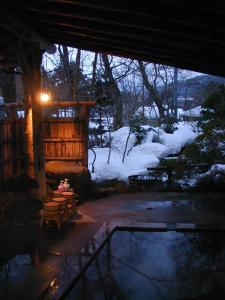
Akiu is Sendai's closest hot spring resort — a cluster of elegant ryokan in a forested river valley just 30 minutes from the city centre, making it the city's natural evening escape. The sodium-sulphate alkaline waters are considered good for the skin, and the setting above the Hirose River gorge with waterfalls audible from open-air baths adds a wildness that distinguishes Akiu from more manicured onsen towns. The nearby Akiu Great Falls (55 m high) and Rairaikyo Gorge make it a full-day destination combining onsen with walking and autumn foliage.

Onsen Sendai Day Trip River Valley Ryokan
Naruko Onsen & Kokeshi Dolls
📍 Osaki, Miyagi

Naruko Onsen & Kokeshi Dolls

Naruko is Japan's kokeshi doll capital — the tradition of turning painted wooden dolls on a lathe began here in the early 19th century, and today dozens of craft workshops line the town's main street where visitors can watch masters at work or try their own hand at the lathe. What makes Naruko extraordinary among onsen towns, however, is the remarkable variety of its springs: 11 different water types emerge within the compact town, ranging from milky-white sulphur baths that smell of hard-boiled eggs to clear alkaline springs of needle-sharp tingling warmth. The surrounding mountains provide world-class autumn foliage from mid-October.

Onsen Kokeshi Dolls 11 Spring Types Craft
Sendai City — Tohoku's Largest City
📍 Sendai, Miyagi

Sendai City — Tohoku's Largest City

Sendai is Tohoku's most sophisticated city — nicknamed the 'City of Trees' for its zelkova-lined boulevards, it blends the heritage of Date Masamune's 17th-century castle town with a modern, cosmopolitan energy that sets it apart from other Tohoku cities. The city centre is compact and walkable, anchored by Aoba Castle ruins on the wooded hill above and the famous Kokubuncho nightlife district below. Sendai is also the essential transport hub for all of northern Tohoku, with Shinkansen connections to every major town.

Tohoku Capital Date Masamune City of Trees Regional Hub
🎆

이벤트

8 곳
Sendai Tanabata Festival
📍 Sendai, Miyagi

Sendai Tanabata Festival

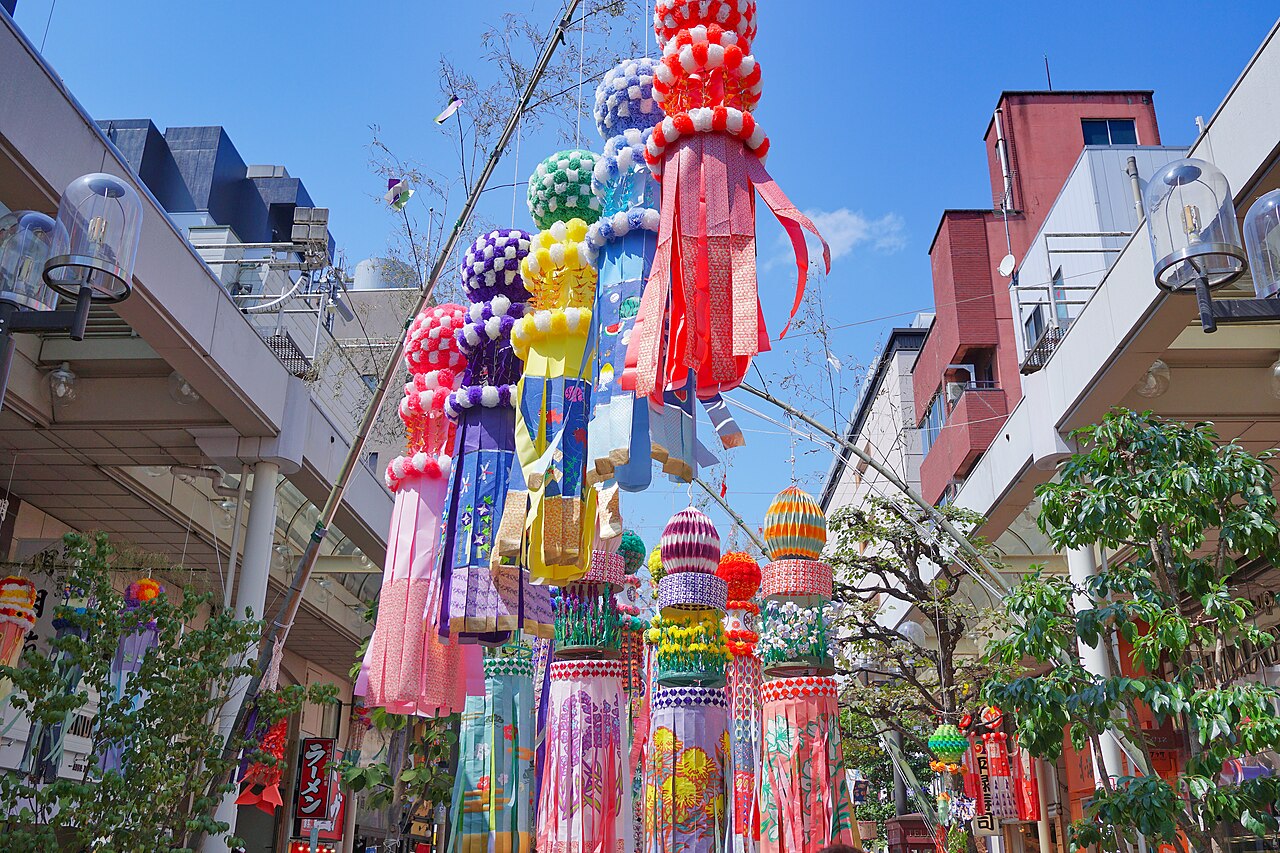
Held from August 6 to 8, the Sendai Tanabata Festival is Japan's largest and most spectacular celebration of the star festival, filling the city's covered shopping arcades with thousands of enormous, hand-crafted bamboo streamers decorated with paper ornaments in seven traditional styles. The tradition dates to the Edo period and the patronage of feudal lord Date Masamune. A fireworks display on the eve of the festival launches three days of color, music, and street food.

Tanabata Summer Largest in Japan
Matsushima Hanabi (Fireworks over the Bay)
📍 Matsushima, Miyagi

Matsushima Hanabi (Fireworks over the Bay)

Each August, the pine-clad islands of Matsushima Bay serve as a spectacular natural stage for one of Tohoku's most dramatic fireworks displays. Shells burst directly over the hundreds of rocky islets, their reflections shimmering across the water in a scene that has no rival in Japan. Viewing spots along the Matsushima waterfront promenade and aboard chartered sightseeing boats fill quickly, making early arrival essential.

Fireworks Bay Summer
Sendai Pageant of Starlight (December Illumination)
📍 Sendai, Miyagi

Sendai Pageant of Starlight (December Illumination)

From early to late December, Sendai's iconic Jozenji-dori and Aoba-dori boulevards are transformed into glittering corridors of light as over 600,000 LED bulbs drape the giant zelkova trees in warm white and gold. The Pageant of Starlight is one of Japan's most beloved winter illumination events, drawing over two million visitors to the 'City of Trees' for the festive season. Evening food stalls, jazz performances, and horse-drawn carriage rides complete the seasonal atmosphere.

Illumination Winter Keyaki Avenue
Sendai Tanabata Matsuri (Aug 6-8)
📍 Sendai, Miyagi

Sendai Tanabata Matsuri (Aug 6-8)

Sendai Tanabata is Japan's largest and most spectacular Tanabata festival — every August 6 to 8, the city's covered shopping arcades are transformed by over 3,000 enormous paper streamers (kazari) up to 10 metres long, in every colour imaginable, each hand-crafted by local organisations and businesses using traditional washi paper techniques. The festival draws over two million visitors over three days and extends throughout the city centre, with street food stalls, performances, and the famous fireworks display on the evening of August 5th that opens the celebrations. The scale and craftsmanship of the decorations has no equal in Japan.

Tanabata Summer Festival Streamers August
Shichi-Go-San at Osaki Hachimangu Shrine
📍 Sendai, Miyagi

Shichi-Go-San at Osaki Hachimangu Shrine

Sendai's Osaki Hachimangu, a stunning Momoyama-era shrine designated as a National Treasure, becomes the focal point of Miyagi's Shichi-Go-San celebrations each November, when families dress children aged 3, 5, and 7 in elaborate kimono and hakama for blessing ceremonies. The gold-lacquered shrine facade and crimson torii set against autumn foliage create a vivid backdrop for this cherished Japanese rite of passage. The shrine's black-lacquered hall and intricate carvings make it a must-visit regardless of the festival.

Shrine Children Festival Autumn
Jozenji Street Jazz Festival
📍 Sendai, Miyagi

Jozenji Street Jazz Festival

Every September, the tree-lined Jozenji-dori avenue in central Sendai becomes Japan's finest open-air jazz festival, with over 700 bands and 1,500 performances across multiple outdoor stages over two days. From New Orleans swing to contemporary fusion, the festival draws world-class musicians alongside local amateur groups, all performing free of charge beneath the zelkova canopy. The festival reflects Sendai's reputation as one of Japan's most culturally vibrant cities.

Jazz Street Music Autumn
🎌

체험

2 곳
Matsushima Oyster Harvesting Experience
📍 Matsushima, Miyagi

Matsushima Oyster Harvesting Experience

Matsushima Bay's island-sheltered waters produce Miyagi oysters prized across Japan. Guided harvesting tours take visitors onto aquaculture rafts to pull up oyster cages, prise shells open with a shucking knife, and eat them raw on the spot with a squeeze of lemon — a briny, exhilarating experience best in the cold months of November to March.

Oyster Harvesting Matsushima Seafood
Sendai Tansu Woodworking Workshop
📍 Sendai, Miyagi

Sendai Tansu Woodworking Workshop

Sendai tansu — ornate lacquered chest-of-drawers with intricate ironwork fittings — is one of Japan's finest furniture traditions. Workshops led by certified craftsmen teach hand-planing, joinery, and lacquer polishing techniques, with participants completing a small wooden tray or box using the same methods applied to these museum-quality pieces.

Woodworking Traditional Craft Tansu Workshop

💡 실용 여행 정보

방문 전후에 꼭 알아야 할 모든 정보.

🌸
방문 최적 시기
  • 4월 초 — 센다이 니시 공원과 히로세강 주변의 벚꽃은 도쿄보다 약간 늦게 핍니다(4월 7~12일경), 미야기를 봄 일본 여행 일정의 훌륭한 두 번째 목적지로 만듭니다. 벚꽃으로 둘러싸인 마쓰시마 섬들은 도호쿠 최고의 봄 전망 중 하나입니다.
  • 8월 6~8일 (센다이 타나바타) — 일본 최대 타나바타 축제가 3,000개 이상의 대형 수공예 종이 장식으로 센다이 쇼핑 아케이드를 변신시킵니다. 3~4개월 전에 숙박을 예약하세요; 전날 밤(8월 5일) 히로세강 불꽃놀이는 도호쿠 최고의 무료 볼거리입니다.
  • 9월 — 마쓰시마 만 위에 뜨는 보름달은 일본에서 가장 유명한 계절 풍경 중 하나로, 칸게쓰카이 보트 음악회는 이 지역에서 가장 구하기 어려운 티켓 중 하나입니다. 기온이 쾌적하게 내려가고; 여름 관광객이 줄어듭니다.
  • 10~11월 — 나루코 협곡의 단풍은 10월 하순에 절정에 달해 도호쿠 어디와도 견줄 수 없습니다. 자오 산자락이 짙은 진홍빛으로 변하고; 가을 안개 속 마쓰시마 섬들은 아마도 만에서 가장 회화적인 계절입니다.
  • 1~2월 — 자오의 수빙(주효)은 1월 말~2월 초에 가장 크게 성장합니다. 틈새이지만 장관인 겨울 경험; 미야기 완전한 추위 여행을 위해 나루코 온천과 결합하세요.
🌊
마쓰시마 팁
  • 마쓰시마의 클래식 전망 포인트는 사이교 모도시노 마쓰 언덕 공원으로, 부두에서 도보 10분 거리입니다 — 새벽이나 아침 안개 속에서 푸른 회색 안개에 겹겹이 쌓인 섬들의 전망은 부두 지역보다 아름답고 덜 붐빕니다. 거의 혼자만의 공간을 누리려면 오전 9시 전에 방문하세요.
  • 시오가마 페리 (25분, ¥1,500)는 마쓰시마 출발 순환 유람보다 뛰어난 대안입니다 — 매 시간 시오가마에서 출발해 가장 밀집된 섬 군락을 통과한 뒤 마쓰시마 부두에 도착합니다. 시오가마 시장에서 스시 아침 식사와 결합하면 센다이에서 출발하는 완벽한 오전 코스가 됩니다.
  • 즈이간지의 삼나무 진입로는 단체 관광객이 도착하기 전 이른 아침에 감상하는 것이 최고입니다 — 천천히 걸으며 진입로 오른쪽 절벽 면에서 직접 암석에 새겨진 헤이안 시대 승려 매장 동굴을 살펴보세요. 본당 내부 보물(모모야마 금박 그림)은 별도 티켓이 필요하지만 충분히 그 가치가 있습니다.
  • 마쓰시마 위 언덕에 있는 4개의 정자(고다이도, 엔쓰인, 칸란테이, 즈이호덴)는 모두 페리 부두에서 도보 20분 이내에 갈 수 있습니다. 석등에 숨겨진 비밀 장미 조각이 있는 엔쓰인 정원은 대부분의 방문객이 놓치는 즐거운 발견입니다.
🥩
규탄 팁
  • 센다이역 지하 '준다코 거리'와 S-PAL 백화점 지하층의 규탄 거리에는 8~10개의 규탄 전문 레스토랑이 있습니다 — 신칸센 환승 사이 빠른 식사에 이상적입니다. 피크 시간대(낮 12시~1시 30분, 저녁 6시~8시)에는 20~40분 대기를 예상하세요.
  • 추천 레스토랑: 기스케 (1950년대 창업, 센다이에서 가장 두꺼운 슬라이스), 리큐 (가장 인기 있는 체인, 안정된 품질), 타스케 (다테 가문 영감의 서비스와 인테리어). 세 곳 모두 센다이역에서 5분 이내에 있습니다.
  • 기본 주문(정식 세트)에는 소금 구이(시오) 또는 미소 절임(미소) 규탄, 무기메시(보리밥과 날달걀), 절인 배추, 소꼬리 스프(스이 스프)가 포함됩니다. 맛을 제대로 즐기려면 150g 또는 200g 분량을 주문하세요 — 100g 서빙은 맛을 느끼기에 너무 적습니다.
  • 규탄은 저렴한 음식이 아닙니다 — 세트 식사 한 끼에 ¥2,500~¥4,000을 예상하세요. 이는 소고기 품질, 노동집약적 준비 과정(굽기 전 2~3일 소금 절임), 그리고 프리미엄 숯불 그릴 기법을 반영합니다. 충분한 가치가 있습니다.
🎋
센다이 타나바타 축제 팁
  • 메인 장식 전시는 추오도리와 이치반초 쇼핑 아케이드를 따라 이어집니다 — 후지사키 백화점 쪽에서 시작해 3개의 유개 구역을 북쪽으로 걸어가세요. 수공예 장식을 제대로 감상하려면 1시간 30분~2시간을 허용하세요; 각 장식은 만드는 데 수십 시간의 자원봉사 작업이 필요하며 고유한 예술적 표현을 담고 있습니다.
  • 불꽃놀이(타나바타 전야인 8월 5일) 히로세강에서는 기술적으로는 별도의 행사이지만 20만 명의 관람객을 끌어모으며 도호쿠 최고의 불꽃놀이 중 하나입니다. 오후 6시까지 강변 자리를 확보하세요; 공연은 오후 7시 30분에 시작해 약 1시간 지속됩니다.
  • 8월 6~8일은 숙박이 완전히 예약됩니다 — 3~4개월 전에 예약하거나, 야마가타(신칸센으로 40분)에서 숙박하고 통근하는 것을 고려하세요. 센다이 호텔은 축제 기간 동안 일반 요금의 2~3배를 받습니다.
  • 8월 6일 오전(오전 10시 이전)은 아케이드 전시에 붐비지 않고 최적으로 접근할 수 있는 시간입니다 — 장식이 가장 신선하고, 아케이드 지붕을 통한 빛이 가장 분위기 있으며, 관광객이 아직 몰려들지 않았습니다. 저녁에는 조명 전시와 포장마차 분위기를 즐기러 다시 방문하세요.
🪆
나루코 온천 팁
  • 나루코는 렌터카로 센다이에서 1시간 30분입니다 (도호쿠 고속도로와 국도 47호 경유) — JR 리쿠-동선 2시간 이상 소요보다 훨씬 실용적입니다. 나루코 협곡을 통과하는 산악 드라이브는 그 자체로 아름다우며 가는 길에 포함시킬 수 있습니다.
  • 나루코의 11가지 샘 유형은 마을의 공중 목욕탕과 료칸에 나뉘어 있습니다 — 전용 '탕 순례'(유메구리) 코스가 각기 다른 수질의 7개 공중 목욕탕을 지나갑니다. 관광 안내소에서 나무 배지 카드를 구입하고 각 목욕탕에서 도장을 모으세요. 7개 목욕탕 전체 비용: ¥2,500 이하.
  • 고케시 인형 페인팅 워크숍은 큰 거리를 따라 여러 공방(토가타야, 이시바시 고케시텐)에서 인형당 약 ¥1,500~¥2,500에 이용 가능합니다. 대부분의 공방에서 예약 불필요. 전통 나루코 고케시 스타일은 돌리면 삐걱거리는 소리가 나는 둥근 머리가 특징입니다 — 마을 이름이 이 소리를 본떴다고 합니다.
  • 나루코 협곡 최고의 단풍 감상은 오후카자와 다리에서입니다, 자동차로 접근 가능(국도 108호, 마을 중심에서 10분) 또는 도보(나루코온센역에서 45분 도보). 단풍 절정은 보통 10월 20일~11월 5일입니다. 협곡은 도로에서 내려가는 짧은 등산로를 통해서도 접근 가능하며 붉은 단풍 절벽을 가까이에서 볼 수 있습니다.

🏨 Miyagi 호텔 찾기

수백 개의 호텔 가격을 비교해보세요 — 저렴한 캡슐 호텔부터 럭셔리 료칸까지.

Booking.com에서 검색 →

🎌 투어 & 체험

가이드 투어, 당일치기 여행, 요리 교실, 문화 체험을 예약하세요.

Viator에서 투어 보기 →

🗺️ 액티비티 & 명소

줄 서지 마세요 — 입장권, 당일 투어, 현지 체험을 미리 예약하세요.

GetYourGuide에서 탐색 →

🎟️ Miyagi에서 즐길 거리

Klook에서 Miyagi의 티켓, 교통 패스, 독특한 현지 체험을 발견하세요.

Klook에서 예약 →

🚄 JR 패스 & 기차 티켓

도착 전에 온라인으로 일본 철도 패스를 구매하세요 — 신칸센으로 일본 전국을 여행하는 가장 쉬운 방법입니다.

JRPass.com에서 구매 →
🗺️ Plan