

도톤보리 운하 거리
네온 불빛으로 가득한 오사카 유흥의 중심지로, 거대한 조명 간판과 타코야키 노점, 게 요리 전문점이 늘어선 운하와 상징적인 글리코 러닝맨 광고판이 자리합니다. 밤에 꼭 들러야 할 곳입니다.
📖 가이드 보기 →Kansai · 현 여행 가이드
일본의 음식 수도 — 네온으로 빛나는 운하 거리, 벚꽃 속의 성, 그리고 잘 먹는 것에 진심인 도시
오사카는 일본 어느 도시와도 다른 개성을 가지고 있습니다. 도쿄가 세련되고 조용하다면, 오사카는 시끄럽고 따뜻하며 음식에 있어서는 진심 그 자체입니다 — '쿠이다오레(먹다가 쓰러질 때까지 먹어라)'라는 도시의 비공식 모토가 모든 것을 설명해줍니다. 네온으로 가득한 도톤보리 운하, 벚꽃 공원 위로 우뚝 솟은 오사카 성의 장엄함, 구로몬 시장의 활기, 유니버설 스튜디오 재팬이 모두 한 도시 안에 모여 있습니다. 교토까지 신칸센으로 15분, 나라까지 30분 거리의 간사이 여행 거점으로도 최적입니다.
오사카는 일본에서 교통이 가장 편리한 도시 중 하나입니다. 간사이 국제공항에서 급행열차로 난바까지 50분. 도카이도 신칸센은 교토에서 15분, 도쿄에서 2시간 30분 만에 신오사카역에 도착합니다. 시내에서는 오사카 메트로가 깨끗하고 자주 운행하며 영어 안내가 잘 되어 있어 누구나 쉽게 이용할 수 있습니다.
여행의 모든 측면을 계획하는 데 도움이 되는 심층 가이드 — 주요 관광 명소부터 최고의 레스토랑, 계절 이벤트까지.
네온 불빛으로 가득한 오사카 유흥의 중심지로, 거대한 조명 간판과 타코야키 노점, 게 요리 전문점이 늘어선 운하와 상징적인 글리코 러닝맨 광고판이 자리합니다. 밤에 꼭 들러야 할 곳입니다.
📖 가이드 보기 →
오사카를 상징하는 랜드마크로, 돌담과 해자로 둘러싸인 웅장하게 복원된 천수각입니다. 넓은 공원에 둘러싸여 매년 봄이면 일본 최고의 벚꽃 명소 중 하나로 변신합니다.
📖 가이드 보기 →
중국의 영향을 받기 이전부터 존재한, 일본에서 가장 오래되고 건축적으로 중요한 신토 신사 중 하나입니다. 독특한 스미요시즈쿠리 양식의 건물들과 유명한 아치형 돌다리는 1,800년이 넘는 역사를 자랑합니다.
📖 가이드 보기 →
1910년대에 파리와 뉴욕을 본떠 지어진 멋스러운 분위기의 옛 동네로, 지금은 쿠시카츠 식당과 옛날식 파친코 가게, 그리고 츠텐카쿠 타워가 자리하고 있습니다.
📖 가이드 보기 →
지상 170m 높이에서 두 개의 타워를 잇는 인상적인 공중정원 전망대를 갖춘 건물로, 일본에서 가장 독특한 현대 건축물 중 하나입니다. 오사카 시내 스카이라인을 360도로 한눈에 담을 수 있습니다.
📖 가이드 보기 →
높이 300m로 일본에서 가장 높은 초고층 빌딩으로, 유리벽 전망대 '하루카스 300'에서 맑은 날엔 오사카부터 교토·고베까지 360° 절경을 감상할 수 있습니다.
📖 가이드 보기 →


사카이에 자리한 5세기 거대 고분군으로 유네스코 세계유산이며, 열쇠구멍 모양의 초대형 다이센 고분은 지구상 최대급 무덤 중 하나입니다.
📖 가이드 보기 →
네온 불빛이 가득한 도톤보리 운하변 거리는 오사카 식문화와 나이트라이프의 중심지입니다. 길이 500m의 도톤보리스지 먹거리 거리를 걸으며 오사카를 대표하는 길거리음식들을 맛보세요. 타코야키(문어 반죽 구이), 쿠시카츠(튀김 꼬치), 오코노미야키, 신선한 네기토로 초밥을 즐길 수 있으며, 거대한 기계 게와 글리코 러닝맨 간판이 상징적인 배경을 이룹니다.
📖 가이드 보기 →
「취향대로」 만들어 먹는 오사카식 부침개로, 양배추와 삼겹살, 해산물을 듬뿍 넣은 두툼한 반죽을 철판 위에서 직접 구운 뒤 달콤한 소스와 함께 가츠오부시를 눈처럼 흩뿌려 완성합니다.
📖 가이드 보기 →
구로몬 시장(「검은 문 시장」)은 길이 580m의 아케이드 상가로, 오사카 외식업계에 식재료를 공급하는 170개의 전문 식료품점이 모여 있습니다. 지금은 갓 조리한 해산물과 구운 꼬치, 그리고 오사카의 유명한 길거리음식(쿠이다오레 문화)을 즐기려는 관광객들을 반갑게 맞이합니다. 참다랑어 마구로 노점과 살아 있는 성게, 타코야키 가판대 앞에는 가장 긴 줄이 늘어섭니다.
📖 가이드 보기 →
겉은 바삭하고 속은 녹아내릴 듯 부드러운 문어 반죽 구이로, 가츠오부시와 마요네즈, 달콤한 소스를 얹은 오사카의 대표 길거리음식입니다. 난바의 「와나카」나 오사카에서 가장 오래된 「아이즈야」(1933년 창업)에서 맛보세요.
📖 가이드 보기 →
한입 크기의 고기, 채소, 해산물을 튀김옷을 입혀 꼬치에 끼워 튀긴 음식으로, 신세카이의 카운터 앞에서 서서 즐깁니다. 절대 규칙은 공용 소스에 두 번 찍지 않기입니다.
📖 가이드 보기 →
오사카의 「부엌」이라 불리는 길이 600m의 지붕 덮인 시장으로, 신선한 해산물과 와규, 복어, 길거리음식을 파는 180여 개의 점포가 늘어서 있습니다. 활기찬 상인들의 호객 소리와 갓 구운 노점 음식이 가장 큰 볼거리입니다.
📖 가이드 보기 →
신세카이의 츠텐카쿠 타워 일대는 파친코와 점집, 센베로(저렴한 술집), 그리고 빼곡히 늘어선 쿠시카츠(튀김 꼬치) 식당이 어우러진 쇼와 시대의 정취를 간직하고 있습니다. 「소스에 두 번 찍기 금지」라는 황금률이 공용 소스 그릇을 지배하며, 이곳에서 60종이 넘는 튀김 꼬치를 담가 먹습니다. 떠들썩하고 활기 넘치는, 오사카에서 빼놓을 수 없는 경험입니다.
📖 가이드 보기 →
고기 굽는 냄새가 가득한 골목이 미로처럼 얽힌 오사카의 정취 있는 코리아타운으로, 정통 야키니쿠와 김치, 한국 간식을 즐기기 가장 좋은 곳입니다.
📖 가이드 보기 →
오사카의 우동 문화는 도쿄의 진한 간장 베이스와는 사뭇 다른, 가볍고 달큰한 다시 국물이 중심입니다. 유부를 올린 키츠네 우동이 이 도시의 대표 메뉴이며, 동네의 서서 먹는 면집에서 400엔부터 즐길 수 있습니다.
📖 가이드 보기 →
폭신한 찐 고기만두는 오사카의 소울푸드로, 길거리 매장에서 갓 쪄내는 유명한 551 호라이 부타만은 사랑받는 향토 간식이자 선물입니다.
📖 가이드 보기 →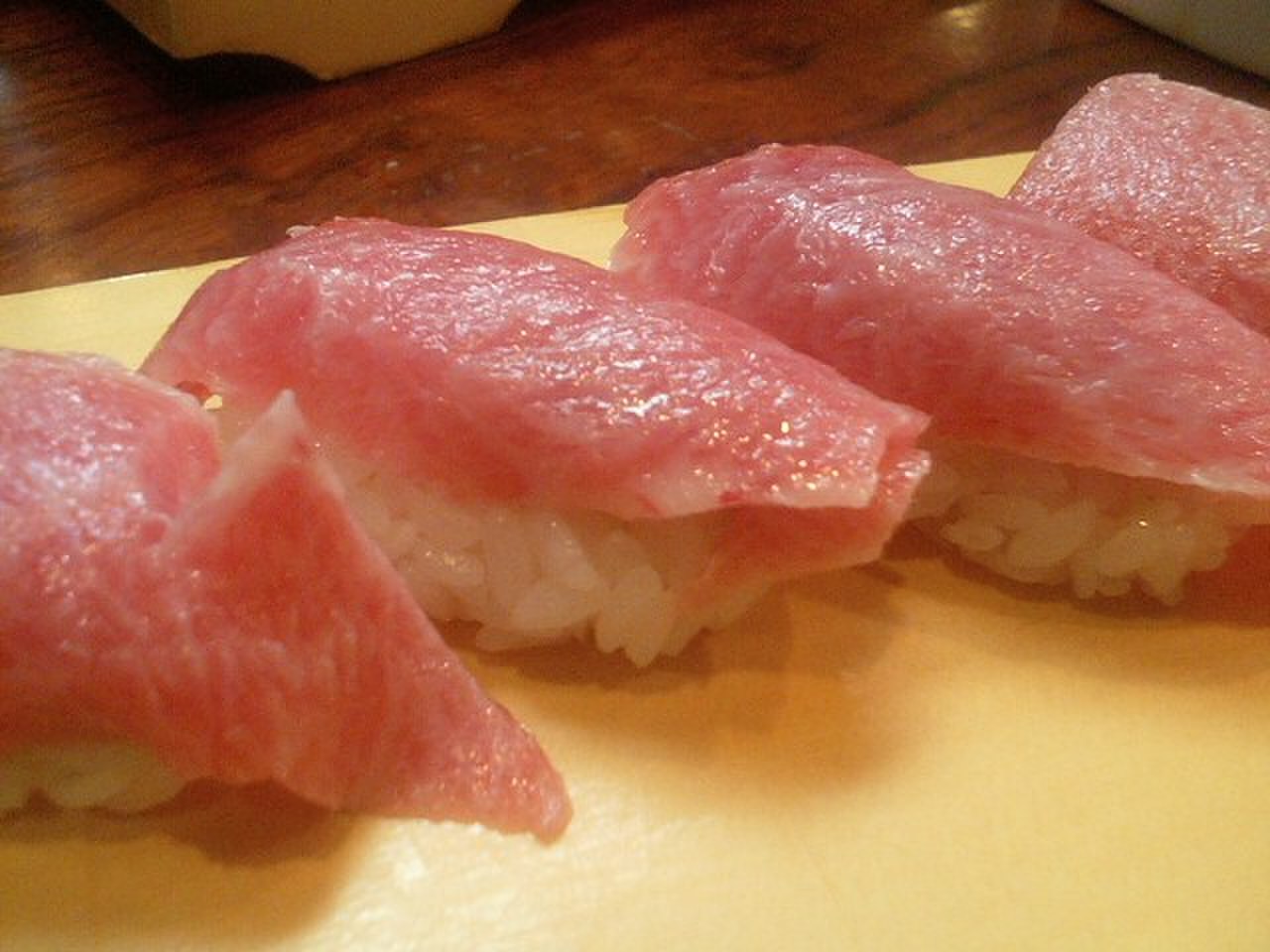
회전초밥(가이텐즈시)은 1958년 오사카에서 탄생했습니다 — 눈앞으로 흐르는 신선하고 저렴한 접시를 집어 즐기는, 재미있고 가성비 좋은 초밥 먹방입니다.
📖 가이드 보기 →
오사카성을 둘러싼 드넓은 공원에는 간사이 최고의 벚꽃 명소 중 하나(4,000그루가 넘는 벚나무)와 매화 정원, 그리고 옛 해자를 따라 이어지는 넓은 자전거 길이 있습니다.
📖 가이드 보기 →
오사카 중심부에서 30분 거리에 있는, 숲이 우거진 계곡 산책로 끝의 33m 폭포입니다. 11월의 화려한 단풍과 길가 노점에서 파는 단풍잎 튀김(모미지 튀김)으로 유명합니다.
📖 가이드 보기 →
해발 1,125m로 오사카부에서 가장 높은 봉우리이자, 정상에 웅장한 신사가 자리한 영산입니다. 겨울에는 눈이 쌓이며, 오사카와 나라의 경계에 펼쳐진 원시림 사이로 멋진 능선 하이킹 코스가 이어집니다.
📖 가이드 보기 →
오카와를 따라 약 4,800그루의 벚나무가 늘어선 4km의 강변 공원으로, 봄이면 분홍 벚꽃 아래 유람선 전망까지 어우러지는 오사카 최고의 하나미 명소입니다.
📖 가이드 보기 →
오사카만의 넓은 해변 산책로는 사쿠라지마에서 덴포잔까지 이어지며, 아카시 해협 너머로 펼쳐지는 극적인 석양과 탁 트인 바닷바람, 도심에서 벗어난 여유로운 휴식을 선사합니다.
📖 가이드 보기 →
오사카 중심부의 두 강 사이에 길게 자리한 섬으로, 시내 최고의 장미 정원과 고딕 리바이벌 양식의 시청사, 그리고 도시의 번잡함과는 의외로 동떨어진 듯한 푸르른 산책로가 펼쳐집니다.
📖 가이드 보기 →

신세카이와 아베노 사이의 녹지 오아시스로, 잔디밭과 우아한 게이타쿠엔 연못 정원, 동물원, 미술관이 있어 아베노 하루카스 아래에서 즐기는 가족 나들이에 좋습니다.
📖 가이드 보기 →
느릅나무가 늘어선 세련된 도심 공원으로, 약 170종의 장미가 피는 유명한 장미원이 있어 오사카 비즈니스 지구 속 향기롭고 우아한 녹색 안식처입니다.
📖 가이드 보기 →
「해리포터의 마법 세계」와 「닌텐도 월드」, 계절별 핼러윈과 크리스마스 이벤트를 갖춘 아시아 최고의 테마파크 중 하나입니다. 익스프레스 패스와 입장권은 미리 예매해 두는 것이 좋습니다.
📖 가이드 보기 →
현지 가정집 주방에서 타코야키와 오코노미야키, 다시 육수 만드는 법을 배우거나, 도톤보리와 구로몬을 둘러보는 가이드 동반 저녁 푸드 투어에 참여해 보세요. 오사카의 음식 사랑을 이해하는 가장 좋은 방법입니다.
📖 가이드 보기 →
네온 불빛이 가득한 도톤보리 운하변 거리는 오사카 식문화와 나이트라이프의 중심지입니다. 길이 500m의 도톤보리스지 먹거리 거리를 걸으며 오사카를 대표하는 길거리음식들을 맛보세요. 타코야키(문어 반죽 구이), 쿠시카츠(튀김 꼬치), 오코노미야키, 신선한 네기토로 초밥을 즐길 수 있으며, 거대한 기계 게와 글리코 러닝맨 간판이 상징적인 배경을 이룹니다.
📖 가이드 보기 →
세계 최대 규모의 수족관 중 하나로, 고래상어와 만타가오리가 헤엄치는 깊이 9m의 태평양 수조가 자랑거리입니다. 오사카만의 랜드마크 건물로, 반나절을 투자할 만한 가치가 충분합니다.
📖 가이드 보기 →
신사이바시스지 아케이드 상가(600m)와 난바 파크스는 일본에서 가장 붐비는 쇼핑 지구를 이룹니다. 명품 브랜드와 패스트패션, 전자제품, 그리고 오사카 최고의 백화점 식품관이 모여 있습니다.
📖 가이드 보기 →
신세카이의 츠텐카쿠 타워 일대는 파친코와 점집, 센베로(저렴한 술집), 그리고 빼곡히 늘어선 쿠시카츠(튀김 꼬치) 식당이 어우러진 쇼와 시대의 정취를 간직하고 있습니다. 「소스에 두 번 찍기 금지」라는 황금률이 공용 소스 그릇을 지배하며, 이곳에서 60종이 넘는 튀김 꼬치를 담가 먹습니다. 떠들썩하고 활기 넘치는, 오사카에서 빼놓을 수 없는 경험입니다.
📖 가이드 보기 →
난바역 옆 협곡을 닮은 인상적인 쇼핑몰로, 8층까지 나선형으로 이어지는 푸른 계단식 옥상 정원이 얹혀 있어 쇼핑과 산책을 즐기는 녹색 건축 랜드마크입니다.
📖 가이드 보기 →
신세카이에 자리한 여러 층 규모의 거대한 온천 복합시설로, 로마식 욕탕과 핀란드식 사우나, 일본식 노천탕 등 세계 각국을 테마로 한 욕탕을 갖추고 있습니다. 워터슬라이드와 옥상 수영장도 함께 즐길 수 있습니다.
📖 가이드 보기 →
가이유칸 수족관 옆 오사카 베이프런트 레저 명소로, 일본 최대급 대관람차(112m)에서 눈부신 항구 전망을 즐길 수 있고 레고랜드와 마켓도 있습니다.
📖 가이드 보기 →
오사카의 '아키하바라'로, 전자상가와 애니·만화 상점, 레트로 게임 오락실, 메이드 카페, 피규어 숍이 가득한 활기찬 덕후·게이머의 거리입니다.
📖 가이드 보기 →
우메다 헵 파이브 쇼핑몰 옥상에서 솟아오른 새빨간 대관람차로, 지상 106m에서 도심 전망을 즐길 수 있고 아래층엔 쇼핑과 오락실이 있습니다.
📖 가이드 보기 →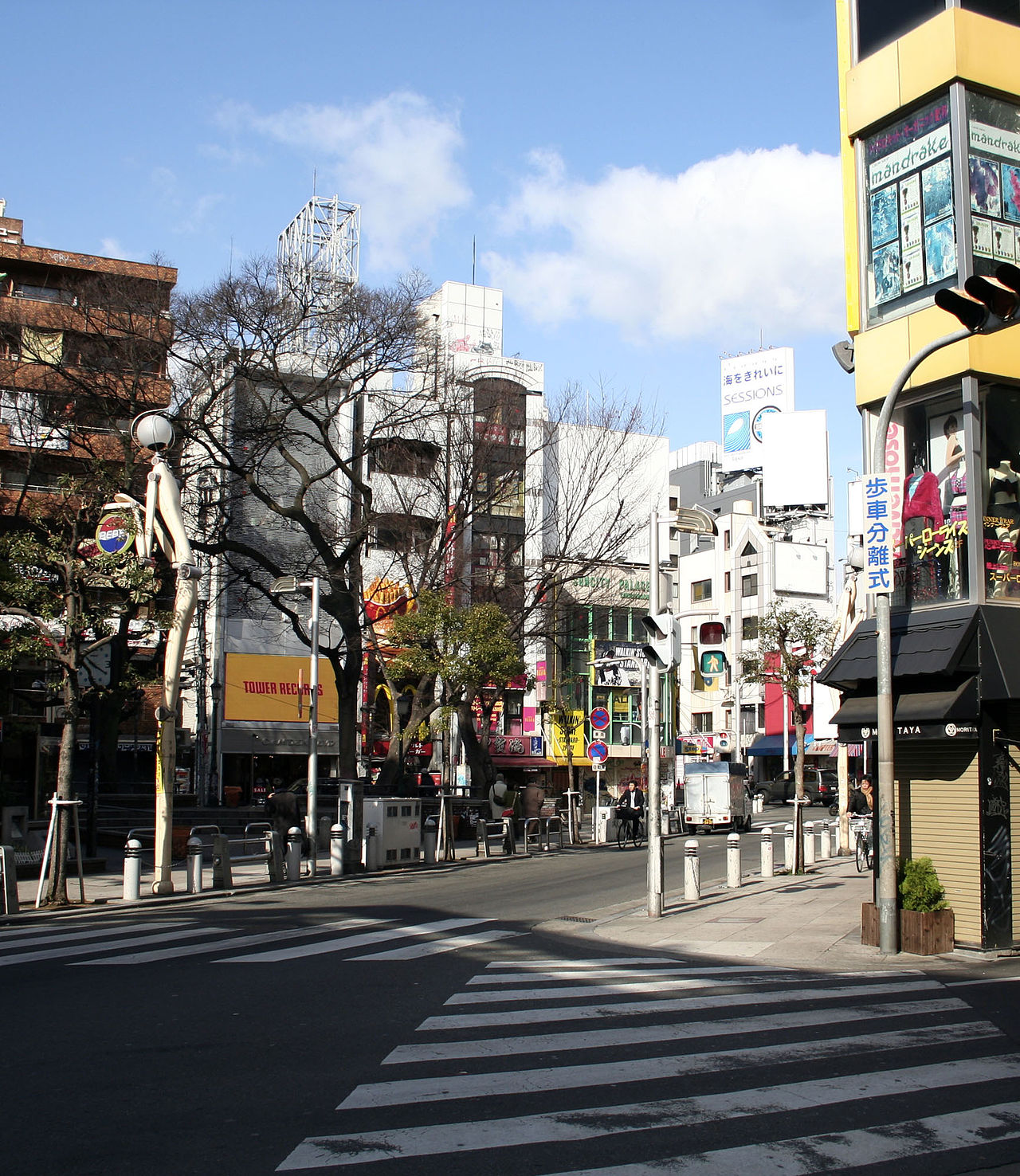

오사카의 텐진 마츠리(7월 24~25일)는 일본 3대 축제 중 하나입니다. 둘째 날에는 100척의 화려한 배가 강을 따라 행진하고, 흰옷을 입은 수천 명의 참가자가 미코시를 메며, 물 위에서 고대 궁중음악(가가쿠)이 울려 퍼지고, 오카와강 위로 4,000발의 화려한 불꽃놀이가 펼쳐집니다. 이 모든 광경을 강변에 모인 130만 명이 넘는 관중이 지켜봅니다.
📖 가이드 보기 →
일본 3대 축제 중 하나로, 7월 24~25일에 헤이안 시대 의상을 입은 3,000명의 행렬이 오카와강으로 모여 장관을 이루는 뱃놀이 퍼레이드와 불꽃놀이를 펼칩니다.
📖 가이드 보기 →
오사카성 공원과 게마사쿠라노미야 공원, 난바 파크스 모두 3월 말부터 4월 초에 걸쳐 장관을 이루는 벚꽃 시즌을 맞이합니다. 해자 옆에서 펼쳐지는 이 도시의 꽃놀이 파티는 그야말로 전설적입니다.
📖 가이드 보기 →
도톤보리는 10월 31일 주말이면 아시아에서 가장 떠들썩한 핼러윈 축제의 무대로 변신합니다. 코스튬을 차려입은 수십만 명의 인파가 운하변 거리를 가득 메우며 놀라운 장관을 연출합니다.
📖 가이드 보기 →
1월 9~11일 이마미야 에비스 신사에서 열리는 일본 최대 규모의 에비스(상업의 신) 축제입니다. 100만 명의 참배객이 기모노를 입은 무녀에게서 대나무 부적을 사며 사업 번창을 기원합니다.
📖 가이드 보기 →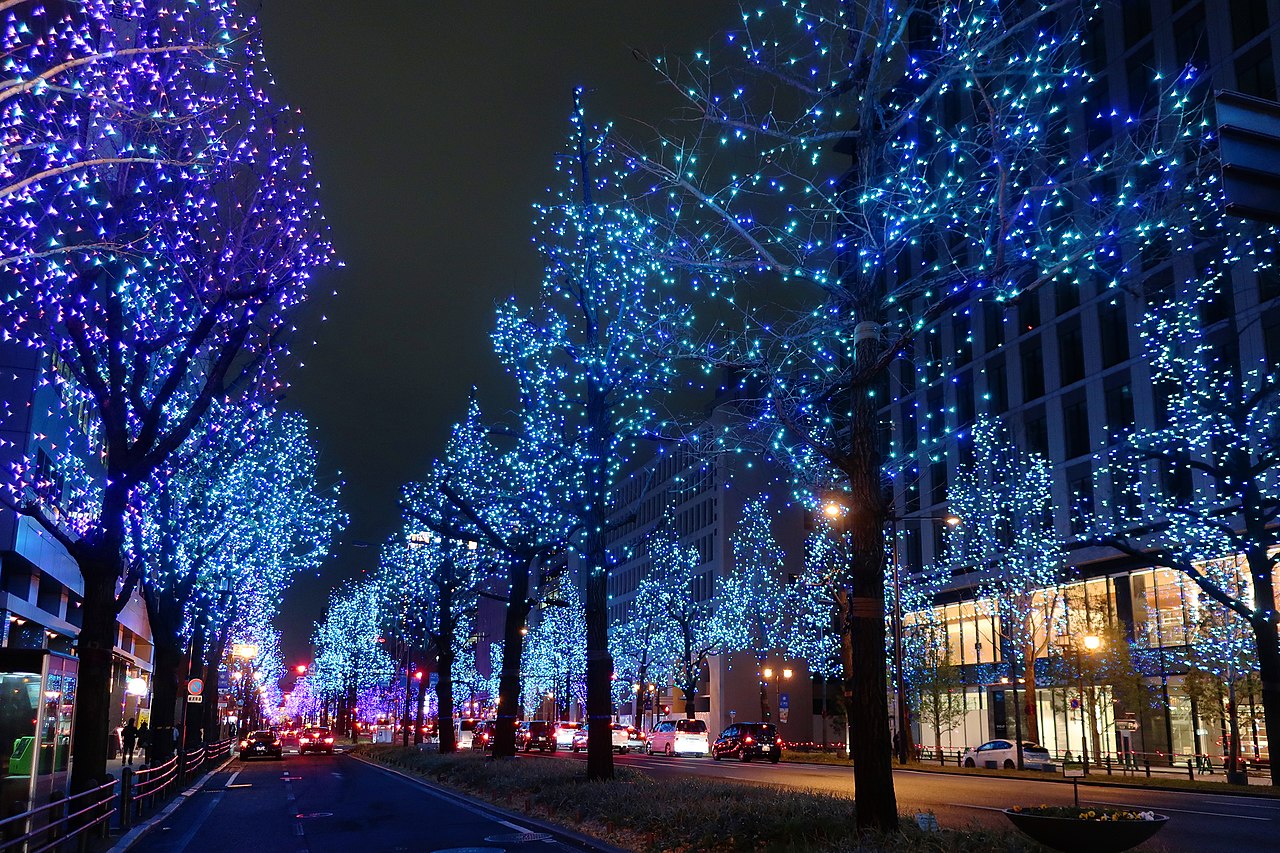
매년 겨울이면 성 일대가 형형색색의 조명 설치물 수백 개로 화려하게 물듭니다. 빛이 비치는 해자에 비친 돌담과 천수각이 마법 같은 야경 사진을 선사합니다.
📖 가이드 보기 →
오사카에서 가장 오래된 신사에서 열리는 스미요시 축제(7월 30~31일)에서는 의례적인 스모와 야외 무대에서 펼쳐지는 노 무용, 그리고 아치형 다이코바시 다리를 건너 미코시(가마)를 메고 행진하는 장관이 펼쳐집니다. 일본에서 가장 오래된 신사 건축인 네 채의 본전은 이 도시보다도 오래된 고대 의식 속에서 수백 개의 등불로 환하게 밝혀집니다.
📖 가이드 보기 →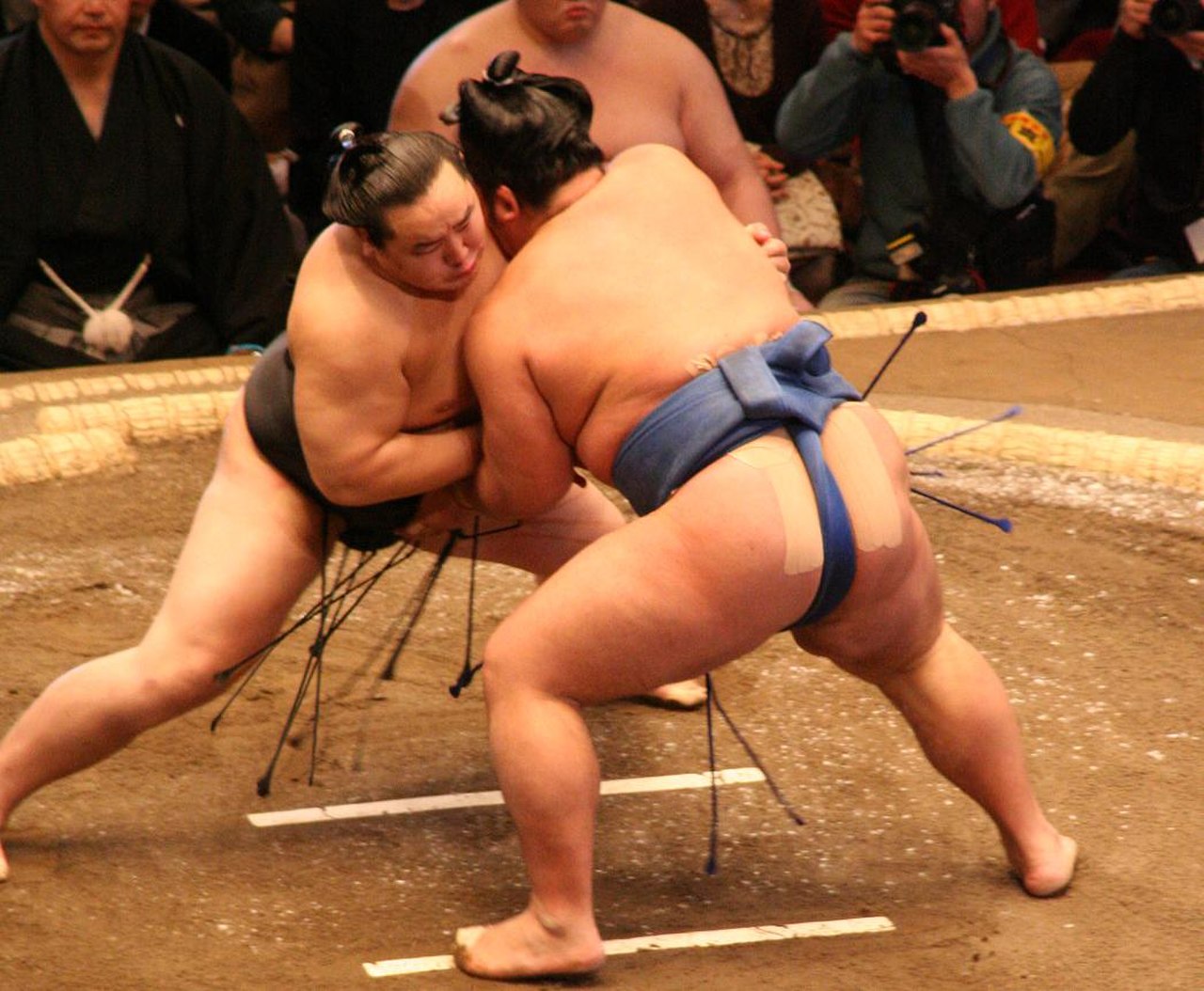
매년 3월 오사카에서 연 6회 열리는 오즈모 본바쇼 중 하나인 하루바쇼가 개최되어, 난바 에디온 아레나에서 최고 역사들이 15일간 열전을 펼칩니다.
📖 가이드 보기 →

요도강 위로 수만 발의 불꽃을 쏘아 올리는 오사카 최대급 여름 불꽃 축제로, 유카타 차림의 거대한 인파가 모이는 눈부신 8월의 밤입니다.
📖 가이드 보기 →
매년 11월 오사카의 산과 정원이 붉고 노랗게 물듭니다 — 특히 미노오 계곡은 단풍이 늘어선 폭포 산책로로 유명하며 튀긴 단풍잎 과자로도 알려져 있습니다.
📖 가이드 보기 →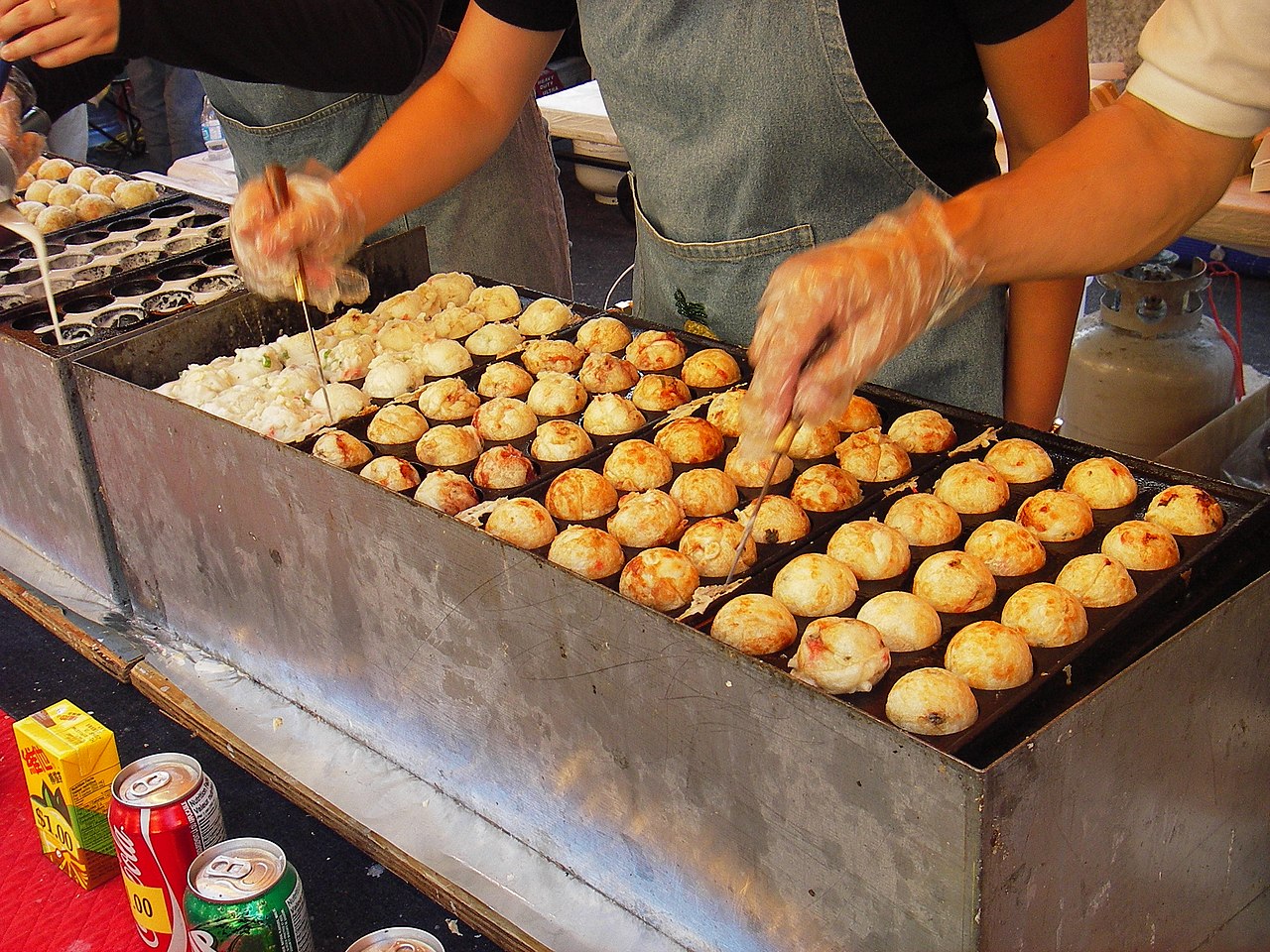
타코야키는 반구형 무쇠 틀에 반죽을 부어 꼬치 하나로 톡톡 뒤집어 속이 녹아내리게 만드는 문어 반죽 구이로, 오사카의 대표 길거리음식이자 하나의 퍼포먼스 예술입니다. 난바와 도톤보리의 요리 교실에서는 반죽 붓기, 속 채우기, 뒤집기, 소스 바르기 기술을 배우며, 참가자들이 가장 동그란 타코야키를 만들기 위해 경쟁합니다. 클래스 마지막에는 직접 만든 것을 모두 먹으며, 김 위에서 춤추는 가츠오부시를 얹어 마무리합니다.
📖 가이드 보기 →
오사카의 영어 가능 검도 도장에서는 초보자를 위한 체험 세션을 운영하며, 일본 검술의 기본인 올바른 자세와 발놀림, 다섯 가지 기본 베기, 그리고 갑옷(보구)을 갖춘 짝 연습을 배울 수 있습니다. 폭발적인 기합 소리와 갑옷에 부딪히는 죽도 소리가 어우러진 검도의 신체적이면서도 명상적인 매력은 다른 어떤 무도 입문 체험과도 다른 즉각적인 몰입감을 선사합니다.
📖 가이드 보기 →
뜨거운 철판 위에서 오사카의 명물 오코노미야키를 반죽하고 굽고 뒤집는 법을 배워 직접 만든 것을 먹는, 도시의 음식 혼을 손으로 맛보는 즐거운 체험입니다.
📖 가이드 보기 →
매년 3월 오사카에서 연 6회 열리는 오즈모 본바쇼 중 하나인 하루바쇼가 개최되어, 난바 에디온 아레나에서 최고 역사들이 15일간 열전을 펼칩니다.
📖 가이드 보기 →
오사카는 유네스코에 등재된 일본 인형극 분라쿠의 본고장으로, 국립분라쿠극장에서 명인 인형 조종사와 다유, 샤미센이 극적인 이야기를 생생히 되살립니다.
📖 가이드 보기 →
전문가의 안내로 프리미엄 사케를 맛보고 활기찬 이자카야 안주와 곁들이는, 먹다 쓰러진다는 오사카의 '구이다오레' 문화를 맛있게 즐기는 체험입니다.
📖 가이드 보기 →방문 전후에 꼭 알아야 할 모든 정보.
수백 개의 호텔 가격을 비교해보세요 — 저렴한 캡슐 호텔부터 럭셔리 료칸까지.
Agoda에서 호텔 검색 → Booking.com에서도 비교하기 → Trip.com에서도 호텔 검색 →