

📖 추천 여행 가이드
여행의 모든 측면을 계획하는 데 도움이 되는 심층 가이드 — 주요 관광 명소부터 최고의 레스토랑, 계절 이벤트까지.
Kanto · 현 여행 가이드
고에도 거리 마을, 산악 협곡, 세계적 수준의 위스키, 분재 정원 — 모두 도쿄에서 한 시간 이내
사이타마는 도쿄 바로 옆에 위치하지만, 대부분의 해외 방문객은 신칸센을 타고 무엇을 놓치고 있는지도 모른 채 그냥 지나쳐 버립니다. 이것은 실수입니다. 가와고에의 흙벽으로 이루어진 에도 시대 거리는 1800년대의 타임캡슐 같은 느낌을 주며, 이케부쿠로에서 불과 30분 거리에 있습니다. 지치부 산맥은 본격적인 야생 하이킹, 크래프트 위스키로 유명한 계곡을 제공하며, 봄이 되면 히쓰지야마의 언덕이 분홍색과 흰색 꽃잔디로 뒤덮여 일본에서 가장 많이 촬영되는 자연 경관 중 하나가 됩니다. 사이타마는 도쿄에서 당일치기 여행으로 가기 좋은 숨은 명소입니다 — 진짜 역사, 진정한 풍경, 그리고 훨씬 적은 인파.
사이타마는 도쿄에서 당일치기 여행이 가장 쉬운 현입니다. 가와고에는 도부 도조 선으로 이케부쿠로에서 30분, 오미야는 도쿄역에서 25분, 지치부는 세이부 지치부 선으로 이케부쿠로에서 약 80분 거리입니다. 대부분의 목적지는 자동차 없이도 이동 가능합니다.
여행의 모든 측면을 계획하는 데 도움이 되는 심층 가이드 — 주요 관광 명소부터 최고의 레스토랑, 계절 이벤트까지.

에도 시대의 흙벽 창고, 유명한 종루, 고구마 간식 거리가 있는 유서 깊은 상인 마을 — 일본에서 가장 잘 보존된 성하촌 중 하나입니다.
📖 가이드 보기 →

일본에서 가장 오래되고 중요한 신사 중 하나로, 오미야 중심에서 2,400년 넘게 모셔져 왔으며 웅장한 느티나무 참배로를 갖추고 있습니다.
📖 가이드 보기 →

지치부 증류소는 일본에서 가장 이름난 크래프트 위스키 생산자입니다. 시음에 현지 지치부 사케(지자케)를 곁들이면 완전한 산속 술 체험이 됩니다.
📖 가이드 보기 →
가와고에는 에도 시대부터 일본의 고구마 수도였습니다. 가시야 요코초 간식 골목에서 이모요칸(고구마 양갱), 이모만주, 바삭한 칩을 맛보세요.
📖 가이드 보기 →
두툼하고 쫄깃한 손칼 면을 진한 돼지고기·채소 국물에 내는 — 사이타마의 대표적인 소울 푸드로, 무사시노 대지 곳곳의 농가풍 식당에서 사랑받습니다.
📖 가이드 보기 →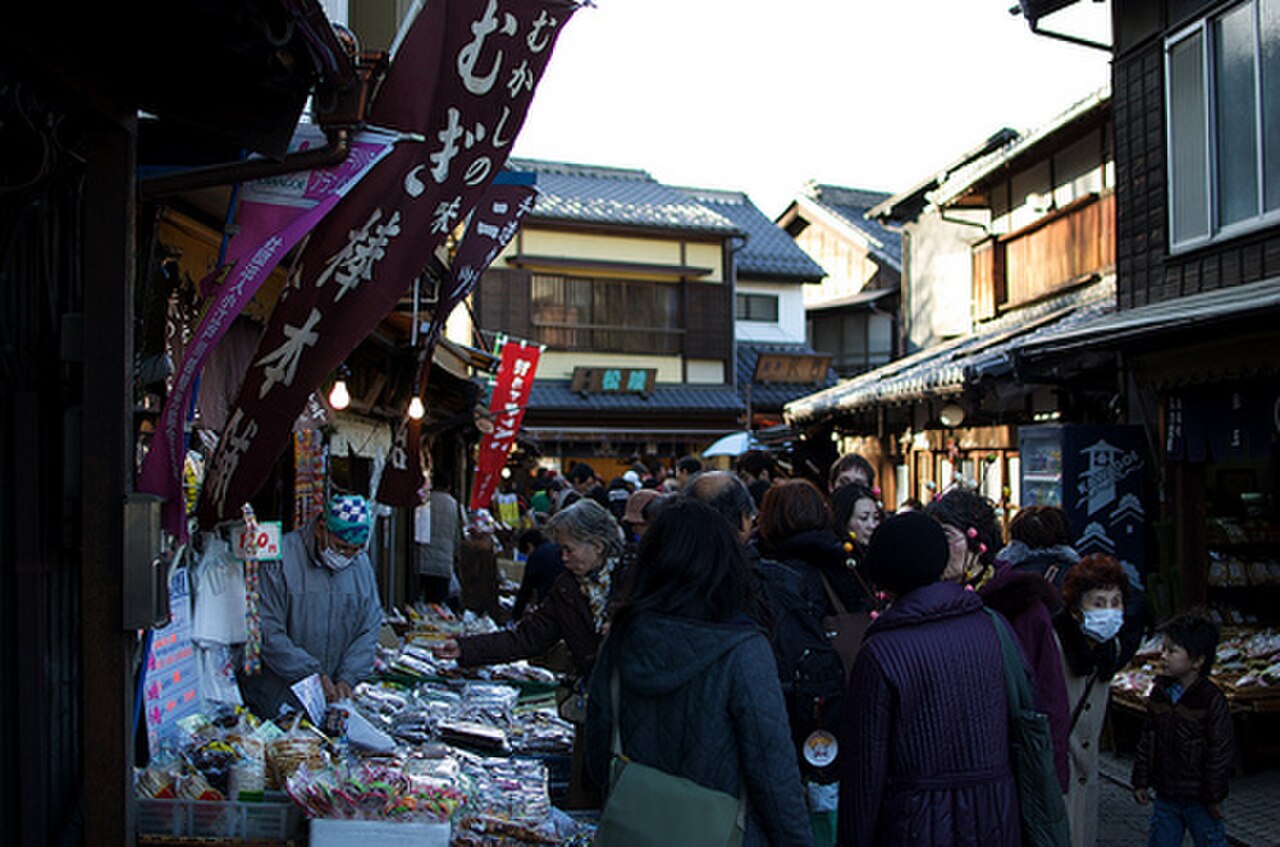
가와고에 에도 시대 옛 동네의 좁은 골목으로, 메이지 시대 이래 변치 않은 조리법으로 만든 전통 군것질거리 — 다가시 — 를 파는 작은 사탕 가게들이 늘어서 있습니다. 고구마 사탕, 흑설탕, 라무네 맛 군것질을 맛보며, 17세기로 거슬러 올라가는 두꺼운 벽의 상가 건물이 늘어선 인근 구라즈쿠리 창고 거리를 함께 둘러보세요.
📖 가이드 보기 →
사이타마를 흐르는 강은 오랫동안 일본 우나주 전통을 위한 최고의 민물장어를 공급해 왔습니다. 옛 동네에는 지금도 백년 역사의 장어 노포가 여럿 남아 있습니다.
📖 가이드 보기 →
우라와 옛 동네 상점가에는 폭신한 달걀로 감싼 오므라이스를 내는 쇼와 시대 레트로 킷사텐(카페)이 점점이 자리해 — 일본 현지인에게 사랑받는 향수 어린 소울 푸드입니다.
📖 가이드 보기 →

매년 4~5월, 지치부 인근의 이 언덕은 분홍·흰색·보라색 꽃잔디(시바자쿠라) 융단으로 물듭니다 — 일본에서 가장 눈부신 꽃 풍경 중 하나입니다.
📖 가이드 보기 →
1,000m가 넘는 봉우리들로 둘러싸인 너른 산간 분지로, 경치 좋은 능선길, 파노라마 전망, 계절 꽃을 선사합니다 — 사이타마 으뜸의 자연 나들이 명소입니다.
📖 가이드 보기 →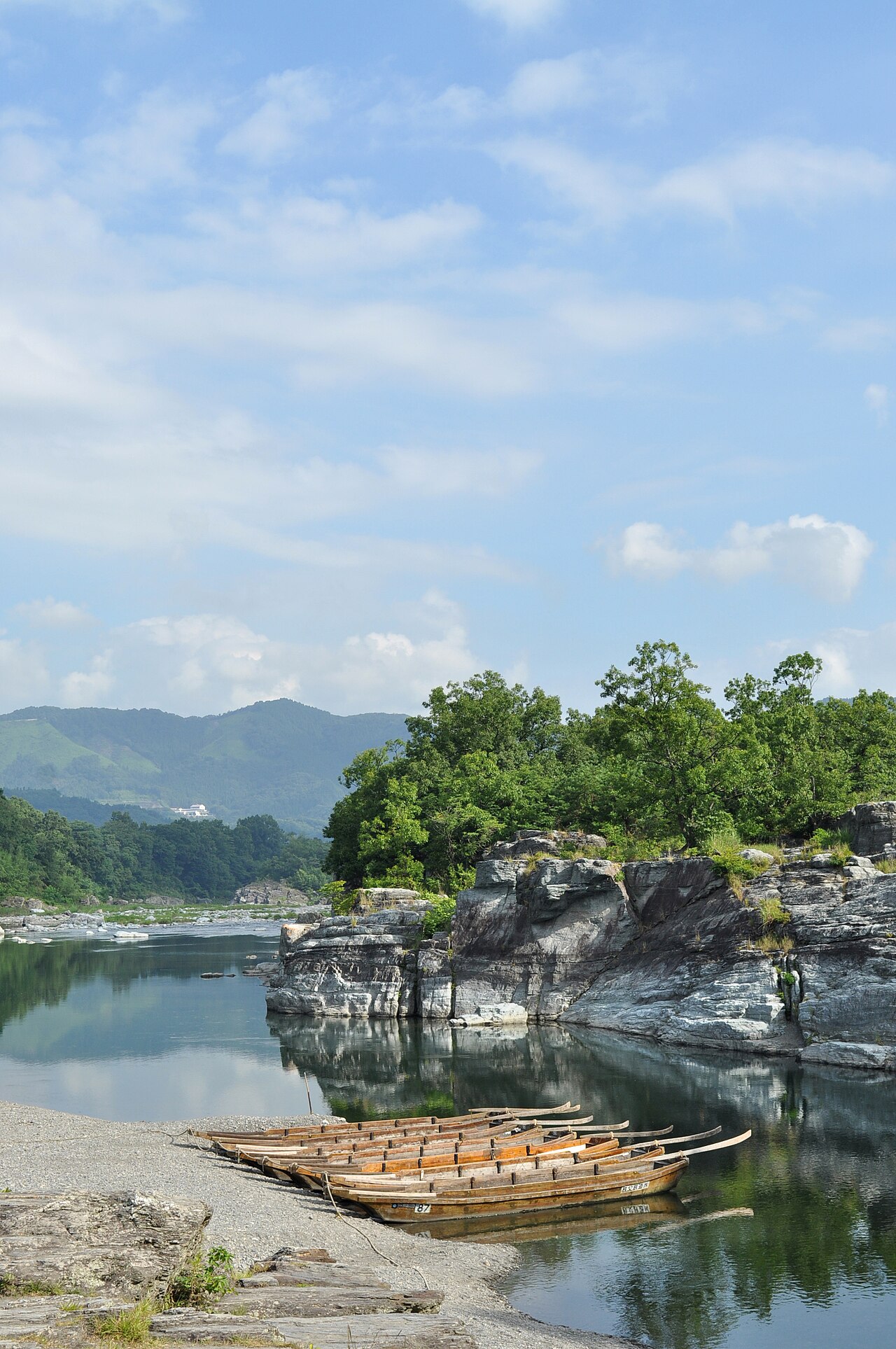
강에서 솟아오른, 침식으로 빚어진 인상적인 붉고 보랏빛 바위 절벽. 가을에 눈부시며, 여름에는 강물이 맑아 물놀이와 소풍에 좋습니다.
📖 가이드 보기 →
간토 산자락에 자리한 이 광대한 숲에서는 1월 하순부터 3월까지 35,000그루가 넘는 매화나무가 만개합니다 — 도쿄에서 떠나는 겨울 당일치기로 안성맞춤입니다.
📖 가이드 보기 →


36대의 역사적 기관차, 인터랙티브 시뮬레이터, 거대한 디오라마 레이아웃을 갖춘 일본 최대의 철도 박물관 — 나이를 불문하고 기차 애호가라면 놓칠 수 없습니다.
📖 가이드 보기 →

거대한 만화·애니메이션 도서관(EJ 애니메 뮤지엄), 미술 전시, 식당, 그리고 조명을 밝힌 랜드마크 석조 건물을 갖춘 가도카와의 대표 문화 복합 시설입니다.
📖 가이드 보기 →
가와고에 에도 시대 옛 동네의 좁은 골목으로, 메이지 시대 이래 변치 않은 조리법으로 만든 전통 군것질거리 — 다가시 — 를 파는 작은 사탕 가게들이 늘어서 있습니다. 고구마 사탕, 흑설탕, 라무네 맛 군것질을 맛보며, 17세기로 거슬러 올라가는 두꺼운 벽의 상가 건물이 늘어선 인근 구라즈쿠리 창고 거리를 함께 둘러보세요.
📖 가이드 보기 →

유네스코 무형문화유산으로 등재된 지치부 야간 축제는 12월 2~3일, 수백 명의 남자들이 네 대의 거대한 목조 수레(야타이)를 끌고 등불 밝힌 거리를 지나 지치부 신사로 향합니다. 일부는 20톤에 달하는 이 수레들은 내부에서 불을 밝히며, 자정에는 겨울 산 위로 6,000발의 장관을 이루는 불꽃이 터집니다.
📖 가이드 보기 →
일본 3대 수레 축제 중 하나 — 12월 2~3일, 등불을 밝힌 거대한 수레가 다이코 북소리에 맞춰 지치부의 겨울 거리를 끌려 지나갑니다.
📖 가이드 보기 →
매년 4~5월, 지치부 인근의 이 언덕은 분홍·흰색·보라색 꽃잔디(시바자쿠라) 융단으로 물듭니다 — 일본에서 가장 눈부신 꽃 풍경 중 하나입니다.
📖 가이드 보기 →
매년 10월, 화려한 에도 시대 축제 수레가 작은 에도 거리를 행진하고 경연 악단이 하야시 음악을 연주합니다 — 유네스코 무형문화유산 축제입니다.
📖 가이드 보기 →
히쓰지야마 공원의 유명한 꽃잔디 개화를 한 달간 기리는 축제로, 음식 노점, 민속 공연이 어우러지며 지치부에서 기차로 쉽게 갈 수 있습니다.
📖 가이드 보기 →
오고세 매화 숲에서 한 달간 열리는 축제로, 35,000그루의 만개한 매화나무를 배경으로 전통 공연, 다도 시연, 사진 대회가 어우러집니다.
📖 가이드 보기 →
일본에서 가장 중요한 신사 중 하나인 오미야 히카와 신사는 매년 8월 1~3일 대제(레이타이사이)를 엽니다. 핵심은 100기의 가마가 도시를 누비는 오래된 미코시 행렬이며 — 전통 음악, 무용 공연, 그리고 2,400년 역사의 신사 경내에서 올리는 제례 봉납이 함께합니다.
📖 가이드 보기 →
간토 산자락에 자리한 이 광대한 숲에서는 1월 하순부터 3월까지 35,000그루가 넘는 매화나무가 만개합니다 — 도쿄에서 떠나는 겨울 당일치기로 안성맞춤입니다.
📖 가이드 보기 →
가와고에의 잘 보존된 에도 시대 구라즈쿠리 창고 거리는 기모노에 완벽한 배경입니다. 중심 상점가 인근 대여점은 방문객에게 계절 기모노를 오비와 액세서리와 함께 입히고, 전통 간자시로 머리를 단장해 하루 종일 옛 거리를 거닐게 합니다. 메이지 시대 건축, 잉어가 노니는 해자, 기모노 차림의 산책객이 어우러진 풍경은 그야말로 사진이 잘 나옵니다.
📖 가이드 보기 →방문 전후에 꼭 알아야 할 모든 정보.