


센소지 (浅草寺)
645년에 창건된 도쿄에서 가장 오래되고 상징적인 사원입니다. 웅장한 가미나리몬 천둥문을 지나 등불이 줄지어 선 나카미세 상점가를 거닐다 보면 일본에서 가장 많은 참배객이 찾는 본당에 이릅니다.
📖 가이드 보기 →Kanto · 현 여행 가이드
고대 사원과 네온 타워가 공존하는 세계적인 도시 — 모든 여행자에게 특별한 경험이 기다립니다
도쿄는 지구상 어느 도시와도 다릅니다. 세계 최대의 대도시이면서도 가장 안전하고 효율적이며 맛있는 도시입니다. 유리 마천루 그늘 아래 고대 신도 신사가 자리하고, 한 블록 안에 미슐랭 스타 스시 카운터, 레트로 오락실, 300년 된 사원, 새벽 3시에도 문 여는 패밀리마트가 공존합니다. 3일이든 3주든, 도쿄는 미식가, 역사 애호가, 팝컬처 마니아, 도시 탐험가 등 모든 여행자에게 보답합니다.
도쿄는 두 개의 국제공항과 일본 신칸센 고속철도 네트워크의 허브로, 일본 전국으로 이동하는 가장 편리한 관문입니다.
여행의 모든 측면을 계획하는 데 도움이 되는 심층 가이드 — 주요 관광 명소부터 최고의 레스토랑, 계절 이벤트까지.
645년에 창건된 도쿄에서 가장 오래되고 상징적인 사원입니다. 웅장한 가미나리몬 천둥문을 지나 등불이 줄지어 선 나카미세 상점가를 거닐다 보면 일본에서 가장 많은 참배객이 찾는 본당에 이릅니다.
📖 가이드 보기 →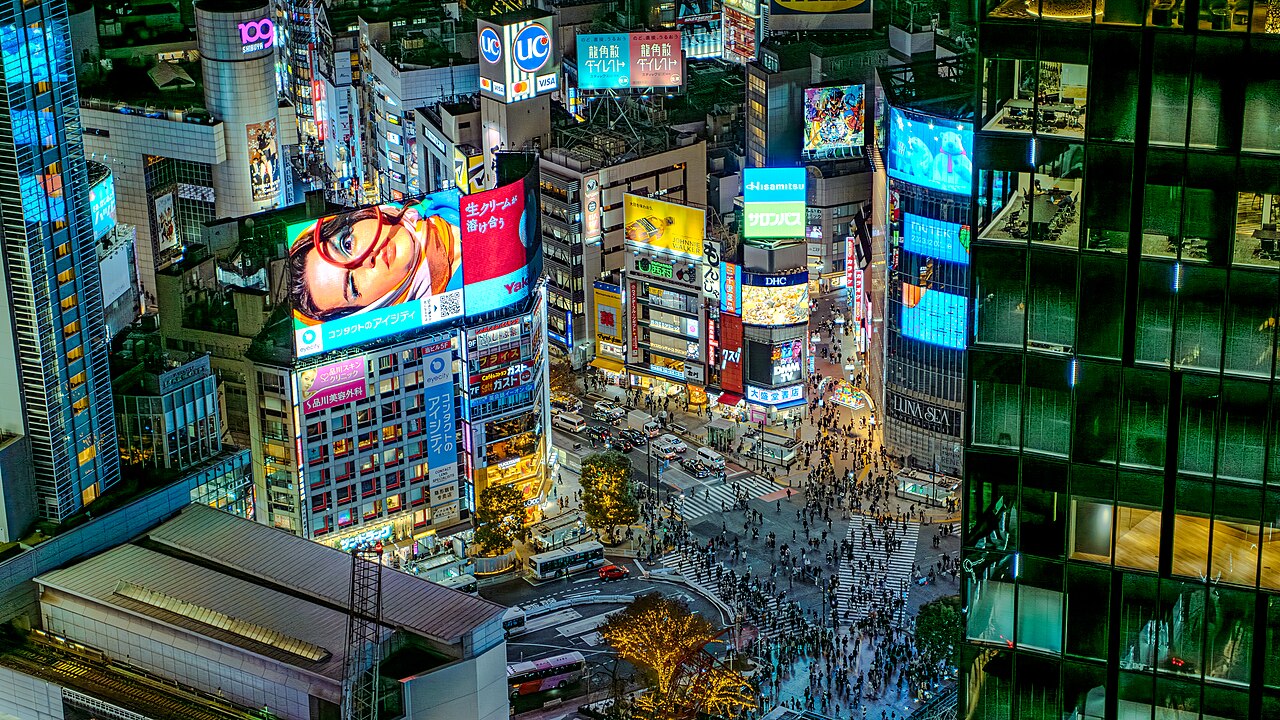
한 번에 최대 3,000명이 건너는 세계에서 가장 붐비는 횡단보도입니다. 빛나는 네온사인 아래 펼쳐지는 장관을 스타벅스 창가나 시부야 스카이 전망대 옥상에서 내려다보는 것이 압권입니다. 현대 도쿄를 상징하는 랜드마크입니다.
📖 가이드 보기 →
메이지 천황을 모시는 고요한 신토 신사로, 하라주쿠 한복판에 7만 그루의 나무로 가득한 울창한 숲 공원 안에 자리합니다. 높이 솟은 목조 도리이 문과 자갈길이 도시의 소음을 잊게 하는 평화로운 쉼터를 만들어 줍니다.
📖 가이드 보기 →
도쿄 도심에 넓은 해자와 석벽으로 둘러싸인 일본 황실의 거처입니다. 동쪽 정원은 일반에 개방되어 에도성의 유적과 정갈하게 다듬어진 잔디밭, 계절마다 피어나는 꽃들을 감상할 수 있습니다.
📖 가이드 보기 →

1914년에 지어진 도쿄역의 웅장한 붉은 벽돌 마루노우치 역사로, 아름답게 복원되어 밤이면 조명이 켜지며, 고급 다이닝·쇼핑의 마루노우치 지구를 마주합니다.
📖 가이드 보기 →
높이 634m로 세계에서 두 번째로 높은 건축물에서 간토 평야의 탁 트인 파노라마를 감상할 수 있으며, 맑은 날에는 후지산까지 보입니다. 타워 아래 복합시설에는 쇼핑몰, 수족관, 수십 개의 레스토랑이 들어서 있습니다.
📖 가이드 보기 →
모리 타워가 우뚝 솟은 세련된 언덕 위 복합단지로, 모리 미술관과 도쿄 시티 뷰 전망대가 있어 도시 최고의 스카이라인 파노라마를 자랑합니다.
📖 가이드 보기 →

전쟁을 피해 살아남은 정겨운 저층 동네로, 레트로한 야나카 긴자 상점가를 중심으로 옛 가게와 사찰, 길거리 음식, 동네 고양이가 가득합니다.
📖 가이드 보기 →
긴자에는 세계 최고 수준의 스시 카운터가 모여 있으며, 장인들이 제철 재료로 한 점 한 점 완성도 높은 작품을 빚어냅니다. 셰프를 온전히 믿고 맡기는 오마카세 경험은 세계 어디에서도 따라올 수 없습니다. 예약은 훨씬 미리 해두세요.
📖 가이드 보기 →
구 츠키지 수산시장 주변의 외부 시장은 오전 5시부터 문을 여는 해산물 레스토랑과 전문 식재료 상점들이 활기차게 운영되고 있습니다. 명물 타마고야키(계란말이) 전문점의 아침 의식을 체험하고, 갓 구운 타마고야키 스시와 사시미 아침 세트를 즐겨보세요. 도쿄 최고의 레스토랑에 식재료를 공급하는 도매상들과 어깨를 나란히 하는 특별한 경험입니다.
📖 가이드 보기 →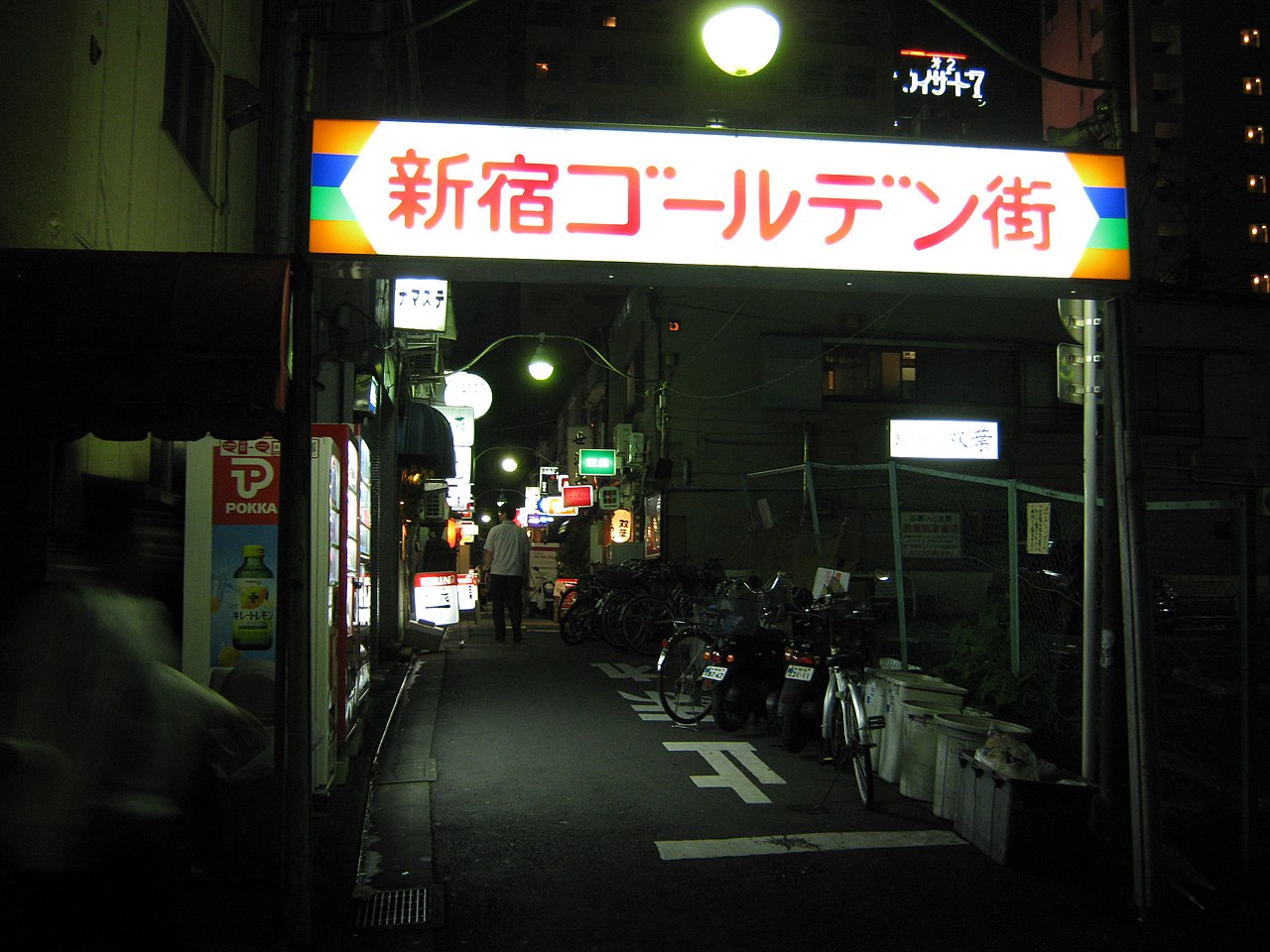
등불이 켜진 좁은 골목 여섯 줄에 200곳이 넘는 개성 있고 분위기 있는 작은 바가 빼곡한 곳으로, 옛 신주쿠 밤문화를 만끽하기 좋습니다 — 해 진 뒤가 제격.
📖 가이드 보기 →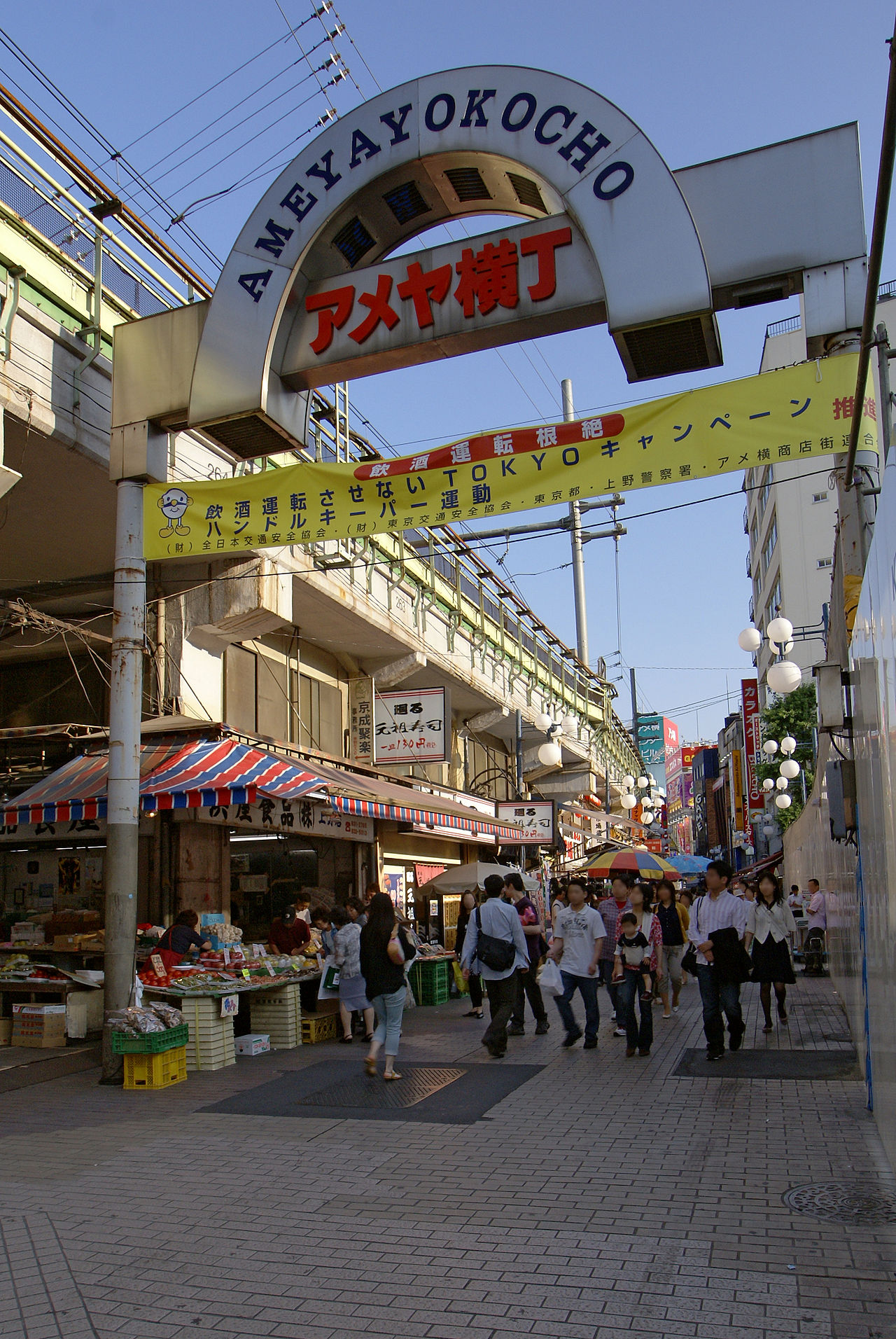
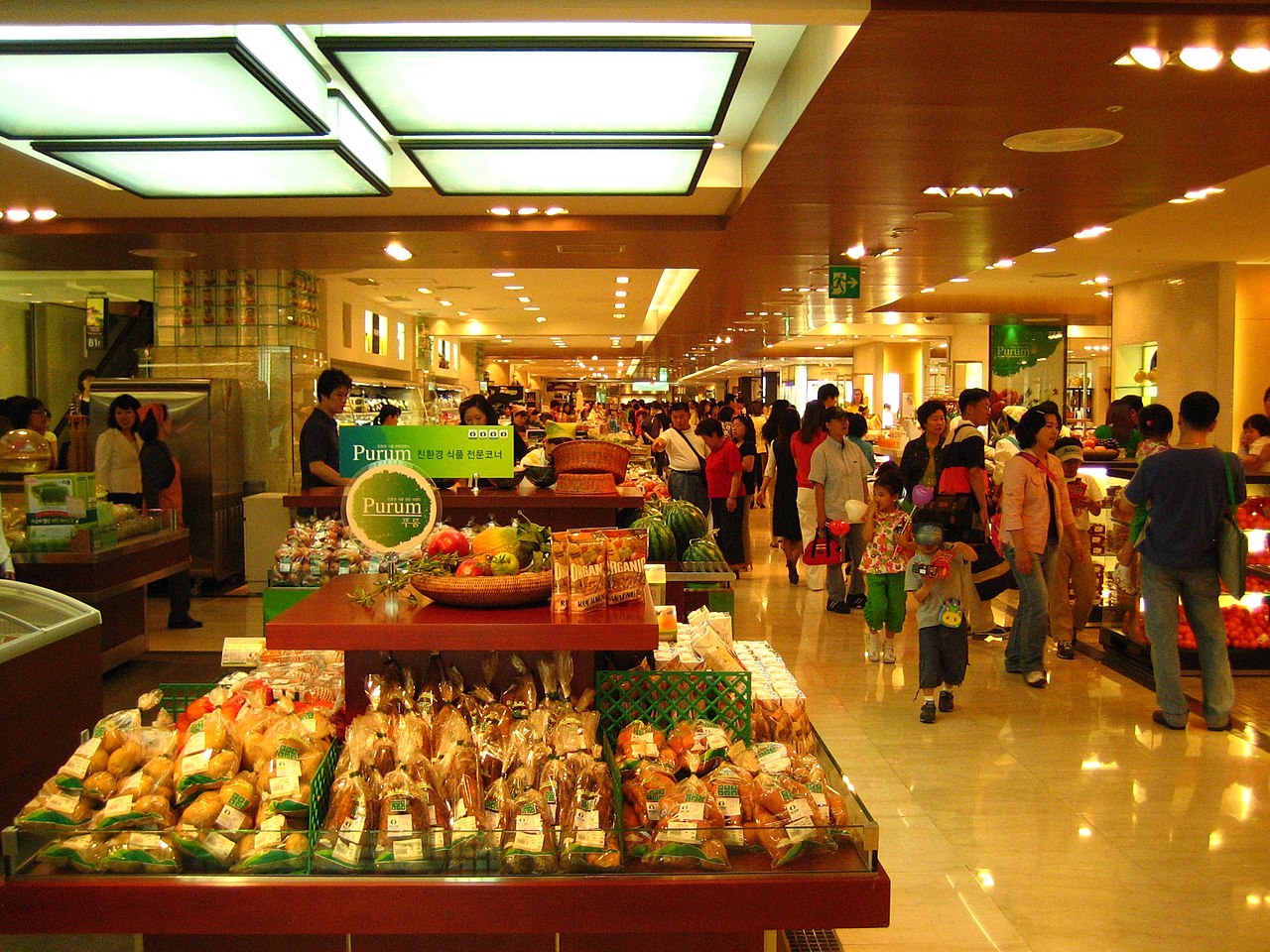
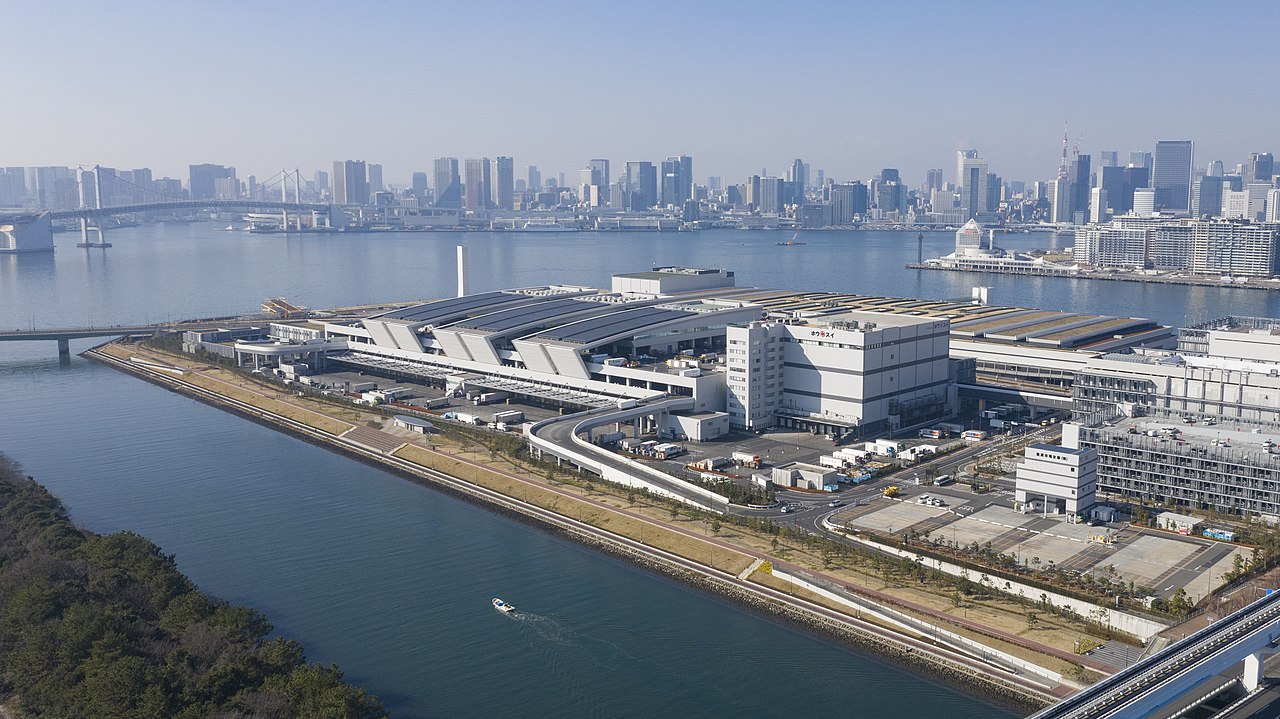
쓰키지를 잇는 도쿄의 거대한 현대식 수산 도매시장으로, 견학 통로에서 유명한 참치 경매를 보고 시장 식당에서 초신선 스시로 아침을 즐길 수 있습니다.
📖 가이드 보기 →
세계 최대 어시장이었던 자리의 외부 시장은 지금도 도쿄 최고의 신선 스시, 구운 가리비, 타마고야키 계란말이, 사시미를 이른 아침부터 즐길 수 있는 최적의 장소입니다. 가장 신선한 것을 맛보려면 일찍 방문하세요.
📖 가이드 보기 →
츠키시마는 도쿄 오리지널 요리인 몬자야키의 본고장입니다. 오코노미야키보다 묽은 이 반죽을 테이블의 철판에 직접 구워 먹는 방식으로, 니시나카도리 거리에 70개가 넘는 식당이 늘어서 있어 이 희귀한 현지 음식을 맛보기에 최적의 장소입니다.
📖 가이드 보기 →
신주쿠에는 전설적인 라멘 가게들이 즐비합니다. 이치란의 진한 돈코츠 국물부터 후우지의 굵은 면 츠케멘까지 다양하게 즐길 수 있습니다. 가부키초 인근 지하 라멘 골목은 밤 어느 시각이든 네온빛 아래서 한 그릇 뚝딱할 수 있는 분위기를 자아냅니다.
📖 가이드 보기 →
신주쿠역 바로 옆 좁은 골목에 작은 야키토리 노점과 이자카야 선술집이 빼곡히 들어선 곳입니다. 연기와 지글지글 끓는 꼬치, 그리고 사케 향이 퍼지는 이 수십 년 된 가게들은 전후 재건 속에서도 살아남았습니다. 옛 도쿄의 정취를 느낄 수 있는 필수 코스입니다.
📖 가이드 보기 →
프랑스식, 영국식, 일본 전통 정원 양식을 58헥타르에 걸쳐 조화롭게 갖춘 일본 최고의 공원 중 하나입니다. 1,000그루의 벚나무가 있어 매년 봄 도쿄 최고의 하나미(꽃구경) 명소로 손꼽힙니다.
📖 가이드 보기 →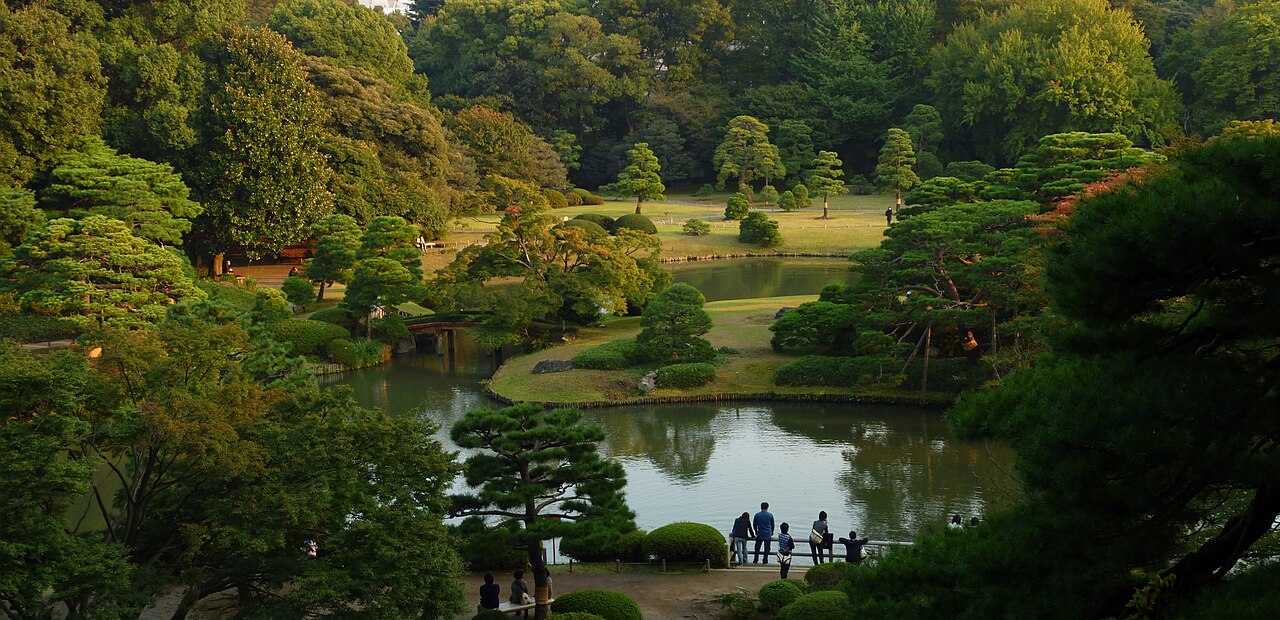

매력적인 기치조지 동네의 넓은 연못 주변을 감싸는 사랑받는 공원입니다. 노 젓는 보트나 백조 페달보트를 빌려 타거나, 봄에는 벚꽃 터널 아래를 산책해 보세요. 인근에는 일본이 사랑하는 애니메이션 스튜디오 지브리의 박물관도 있습니다.
📖 가이드 보기 →
도쿄도 서쪽 끝자락에 자리한 오쿠타마는 험준한 산골짜기와 맑은 강, 그리고 간토 지방에서도 손꼽히는 화려한 단풍 풍경을 자랑합니다. 기차로 도심에서 90분 거리에 있어 당일치기 자연 탈출로 제격입니다.
📖 가이드 보기 →

하라주쿠 옆 드넓은 녹지로, 도쿄 사람들이 조깅하고 피크닉을 즐기며 모이는 곳 — 주말엔 거리 공연자와 드러머, 코스플레이어로 활기차고 가을엔 은행나무가 금빛으로 물듭니다.
📖 가이드 보기 →
연간 300만 명 이상이 찾는 세계에서 가장 많이 오르는 산으로, 해발 599m에 불과하지만 맑은 날에는 정상에서 후지산을 바라볼 수 있습니다. 다양한 체력 수준에 맞는 여러 등산로가 있으며, 케이블카를 이용하면 누구나 정상에 오를 수 있습니다.
📖 가이드 보기 →
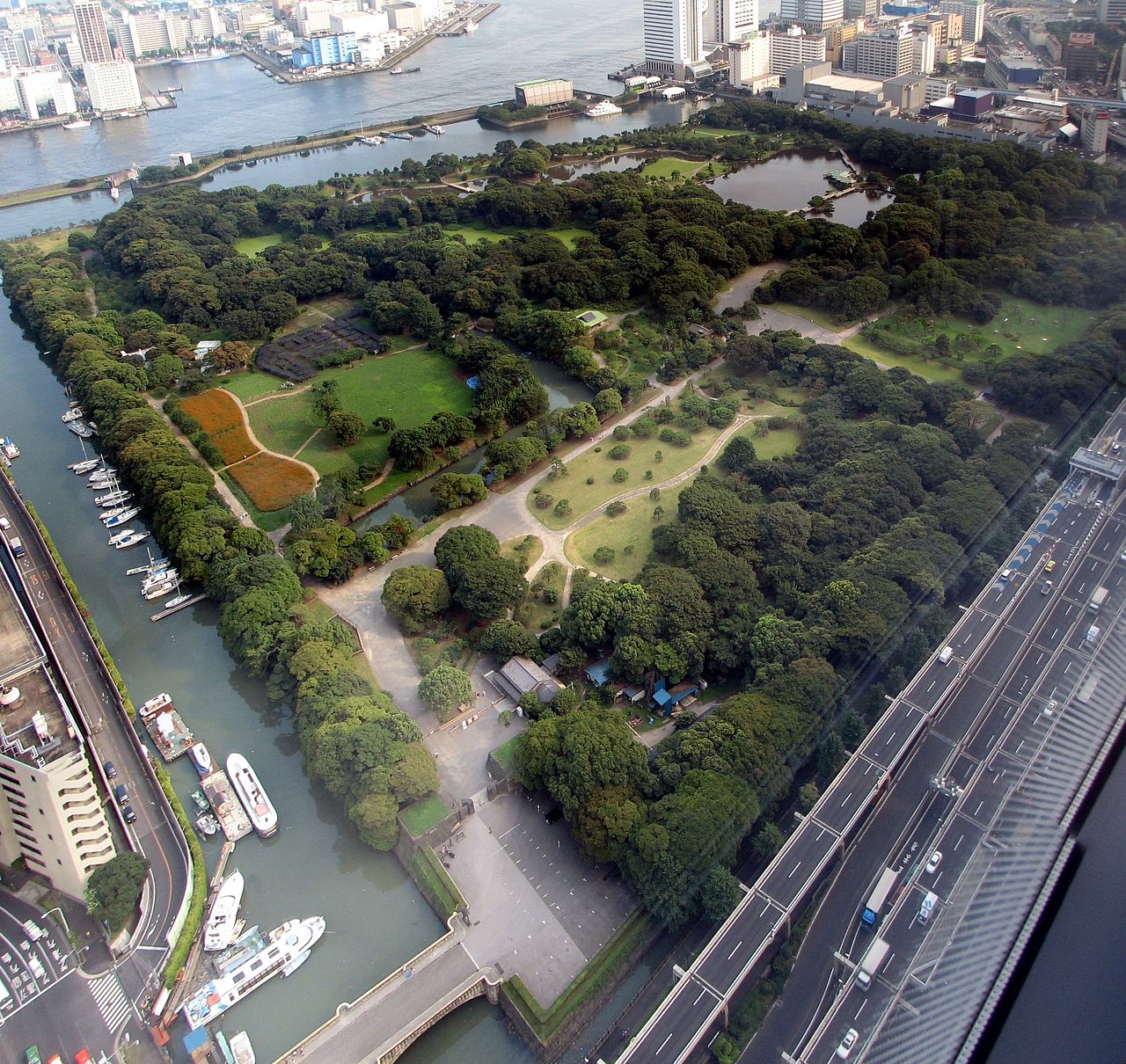
조수 간만에 따라 수위가 변하는 연못과 시오도메의 유리 빌딩 숲이 어우러진 300년 역사의 번주 정원입니다. 이곳에서 수상버스를 타고 스미다강을 따라 아사쿠사까지 유람할 수도 있습니다. 정원 중앙 섬의 전통 다실에서는 말차와 화과자를 즐길 수 있습니다.
📖 가이드 보기 →
도쿄 유일의 자연 협곡으로, 시냇물을 따라 약 1km 이어지는 시원하고 푸른 계곡길에 사찰과 찻집이 있어 시부야에서 몇 분 거리인데도 별천지 같습니다.
📖 가이드 보기 →
세계에서 가장 아름다운 테마파크로 꼽히는 디즈니씨는 일본에서만 경험할 수 있는 곳입니다. 중앙의 화산섬 주변에 7개의 테마 항구가 펼쳐지며, 지중해 항구와 인디아나 존스 어드벤처, 판타스프링스(인어공주 구역)가 특히 인기입니다.
📖 가이드 보기 →
2024년 아자부다이 힐즈에 재개관한 팀랩 보더리스는 경계 없이 끊임없이 진화하는 디지털 작품들이 방과 방 사이를 자유롭게 흐르는 1만 제곱미터 규모의 미로 같은 공간입니다. 관람객은 자유롭게 이동하며 자신의 존재에 반응하는 빛의 세계를 거닙니다. 도쿄에서 가장 경이로운 체험입니다.
📖 가이드 보기 →
녹음 우거진 미타카에 자리한 스튜디오 지브리 전용 미술관으로, 마법 같은 전시와 옥상 로봇, 이곳에서만 볼 수 있는 단편 영화가 있습니다. 티켓은 사전 예약 필수.
📖 가이드 보기 →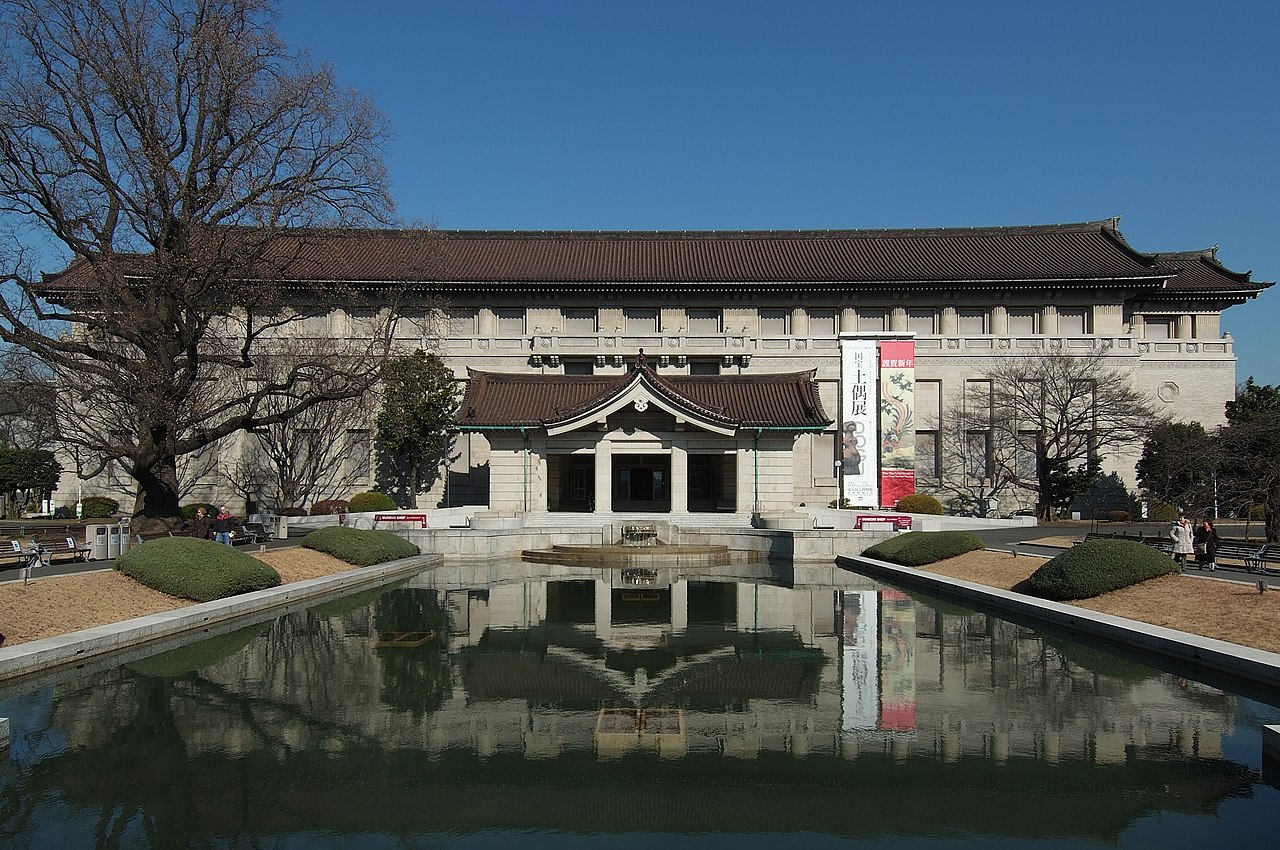
일본에서 가장 오래되고 가장 큰 박물관으로, 일본 미술·고미술 세계 최대 컬렉션을 소장 — 사무라이 칼과 갑옷, 불교 미술, 도자기, 국보를 만날 수 있습니다.
📖 가이드 보기 →
무한한 수정 우주와 발밑을 헤엄치는 잉어, 손길에 반응해 피어나는 꽃들이 가득한 공간을 맨발로 걸어보세요. 팀랩의 경계 없는 디지털 아트 설치 작품은 미술관의 개념을 완전히 새롭게 정의합니다. 절대 놓쳐서는 안 될 경험입니다.
📖 가이드 보기 →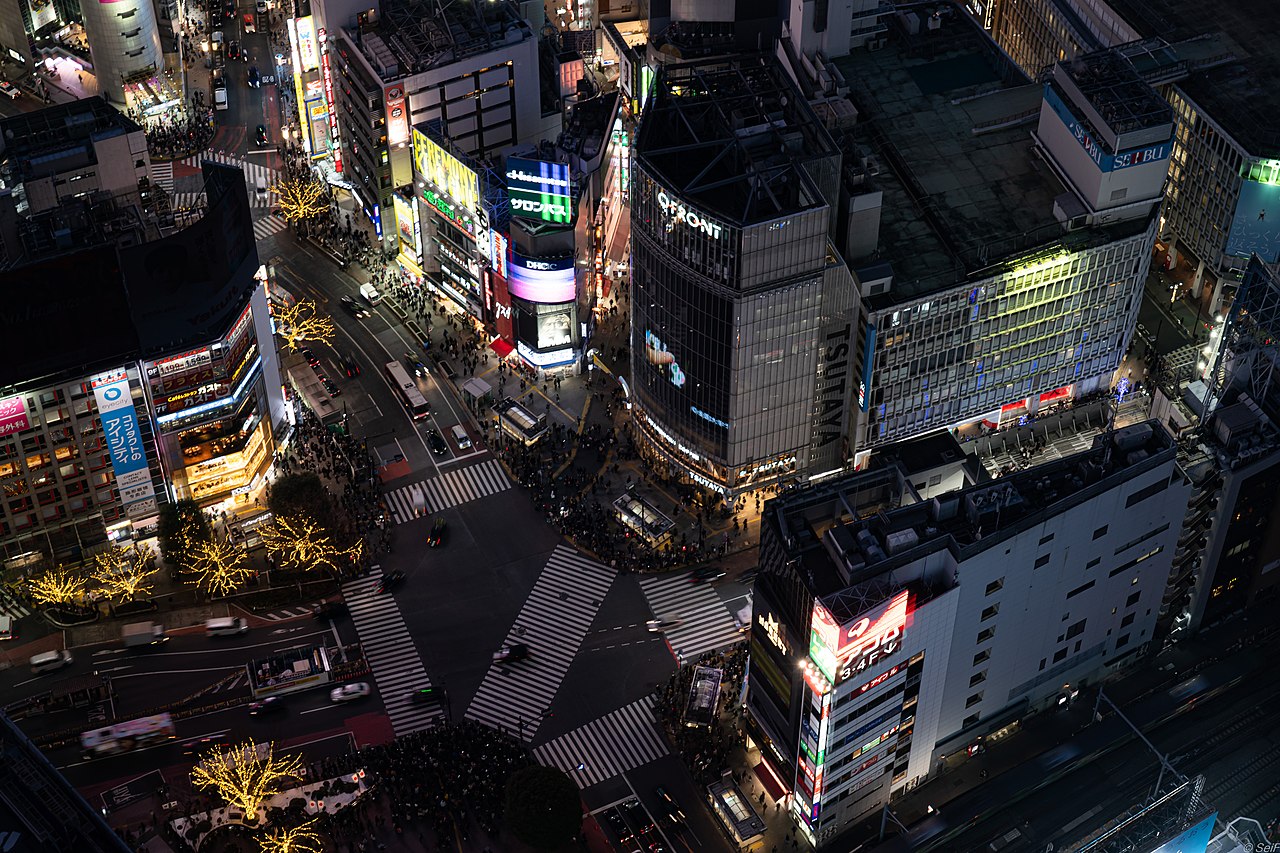
시부야 스크램블 스퀘어 229m 높이의 야외 옥상에서 도쿄 360도 파노라마를 가로막힘 없이 감상할 수 있습니다. 유명한 스크램블 교차로가 발아래 작은 점들의 물결로 보이고, 황금빛 노을이 스카이라인을 영화처럼 물들입니다. 저녁 티켓은 일찍 예약하세요.
📖 가이드 보기 →
긴자에 자리한 도쿄 제일의 가부키 극장으로, 수백 년 전통의 극적인 일본 무대 예술을 웅장한 공간에서 감상할 수 있으며, 단막 티켓으로 입문자도 가볍게 즐길 수 있습니다.
📖 가이드 보기 →
오타쿠 문화의 세계 수도로, 빈티지 패미컴 게임부터 최신 GPU까지 모든 것을 판매하는 다층 상점들이 즐비합니다. 메이드 카페, 애니메이션 피규어, 가샤폰 캡슐 토이, 레트로 오락실이 거리마다 가득합니다. 도쿄에서만, 일본에서만 경험할 수 있는 독특한 문화입니다.
📖 가이드 보기 →
오다이바 매립지에 자리한 이 대형 온천 시설은 지하 1,400m에서 끌어올린 천연 염화나트륨 광천수를 사용하며, 전체 시설을 에도 시대 마을 풍경으로 꾸몄습니다. 유카타 차림의 방문객들은 포장마차를 구경하고, 축제 게임을 즐기며, 도쿄만이 내려다보이는 실내외 욕탕에서 몸을 녹입니다.
📖 가이드 보기 →
다마에 자리한 헬로키티와 산리오 캐릭터 전용 실내 테마파크로, 공연·놀이기구·퍼레이드·포토 스폿이 가득해 가족과 팬에게 '귀여움'의 천국입니다.
📖 가이드 보기 →
도쿄만의 미래형 인공섬으로, 쇼핑몰과 거대한 건담 동상, VR 오락실, 팀랩 디지털 아트 뮤지엄, 오에도 온천 리조트가 한데 모여 있습니다. 어두워진 후에는 레인보우 브리지와 도쿄 스카이라인의 야경이 더욱 빛납니다.
📖 가이드 보기 →
우에노 공원 한가운데 자리한 일본에서 가장 오래된 동물원으로, 자이언트 판다로 유명하며 300종 이상이 살아 가족과 동물 애호가에게 즐겁고 저렴한 나들이입니다.
📖 가이드 보기 →
도쿄에서 가장 마법 같은 계절로, 도시 전체가 연분홍 벚꽃 구름으로 뒤덮입니다. 우에노 공원, 신주쿠 교엔, 치도리가후치 해자, 메구로강이 최고의 명소입니다. 시민들은 파란 돗자리를 깔고 사케를 따르며 꽃 아래서 봄을 만끽합니다.
📖 가이드 보기 →
도쿄에서 가장 오래된 불꽃 축제 중 하나로, 매년 7월 스미다강 위로 2만 발이 넘는 불꽃이 터집니다. 강변은 유카타 여름 기모노를 입은 수십만 명의 인파로 가득 찹니다. 최고의 자리를 원한다면 강변 레스토랑 예약을 몇 달 전에 서둘러야 합니다.
📖 가이드 보기 →
메이지 신궁은 새해 첫 3일간 300만 명 이상의 참배객이 찾는 일본에서 가장 붐비는 하츠모데(첫 신사 참배) 명소입니다. 오마모리 부적이나 에마 소원 판을 구입하고, 자정의 종소리를 들으며 일본의 가장 신성한 연례 의식을 체험해 보세요.
📖 가이드 보기 →
8월 마지막 주말에 열리는 고엔지 아와오도리는 도쿄 최대의 춤 축제입니다. 밀짚모자와 유카타 차림의 1만 명 댄서들이 샤미센, 타이코, 피리의 최면적인 음악에 맞춰 거리를 누비는 열광적인 행렬이 펼쳐집니다. 120만 명의 관객이 행렬 양옆을 메우며 일본에서 가장 전염성 강한 축제 전통을 함께 즐깁니다.
📖 가이드 보기 →
1년에 두 번 도쿄 빅사이트에서 열리는 세계 최대 자체 출판 만화 박람회입니다. 70만 명이 넘는 방문객이 수십만 종의 오리지널 동인지를 둘러보고, 공들여 제작한 의상을 입은 코스플레이어들이 광장을 야외 공연장으로 변모시킵니다. 일본 어디에서도 볼 수 없는 광경입니다.
📖 가이드 보기 →

약 150그루의 은행나무가 늦가을마다 눈부신 황금빛으로 물드는 장관의 가로수길로, 인기 먹거리 축제도 함께 열리는 도쿄에서 가장 많이 촬영되는 계절 명소입니다.
📖 가이드 보기 →
도쿠시마 이외 지역에서 열리는 가장 큰 아와오도리 축제로, 이틀 저녁 동안 100만 명의 관객을 끌어모읍니다. 1만 명이 넘는 공연자들이 전통 의상을 입고 샤미센, 타이코, 피리의 최면적인 리듬에 맞춰 고엔지 상점가를 누빕니다.
📖 가이드 보기 →
세계 6대 메이저 마라톤 중 하나로, 매년 3월 3만 8천 명의 주자가 도쿄의 명소를 누비며, 코스를 따라 늘어선 관중이 응원하는 거대하고 축제 같은 행사입니다.
📖 가이드 보기 →

시부야 할로윈 거리 파티는 세계 최대 규모의 자발적 코스튬 축제 중 하나입니다. 스크램블 교차로와 인근 거리는 수만 명의 코스튬 참가자들로 가득 차고, 정교한 그룹 코스튬이 기본입니다. 티켓 없이 그냥 나타나면 됩니다.
📖 가이드 보기 →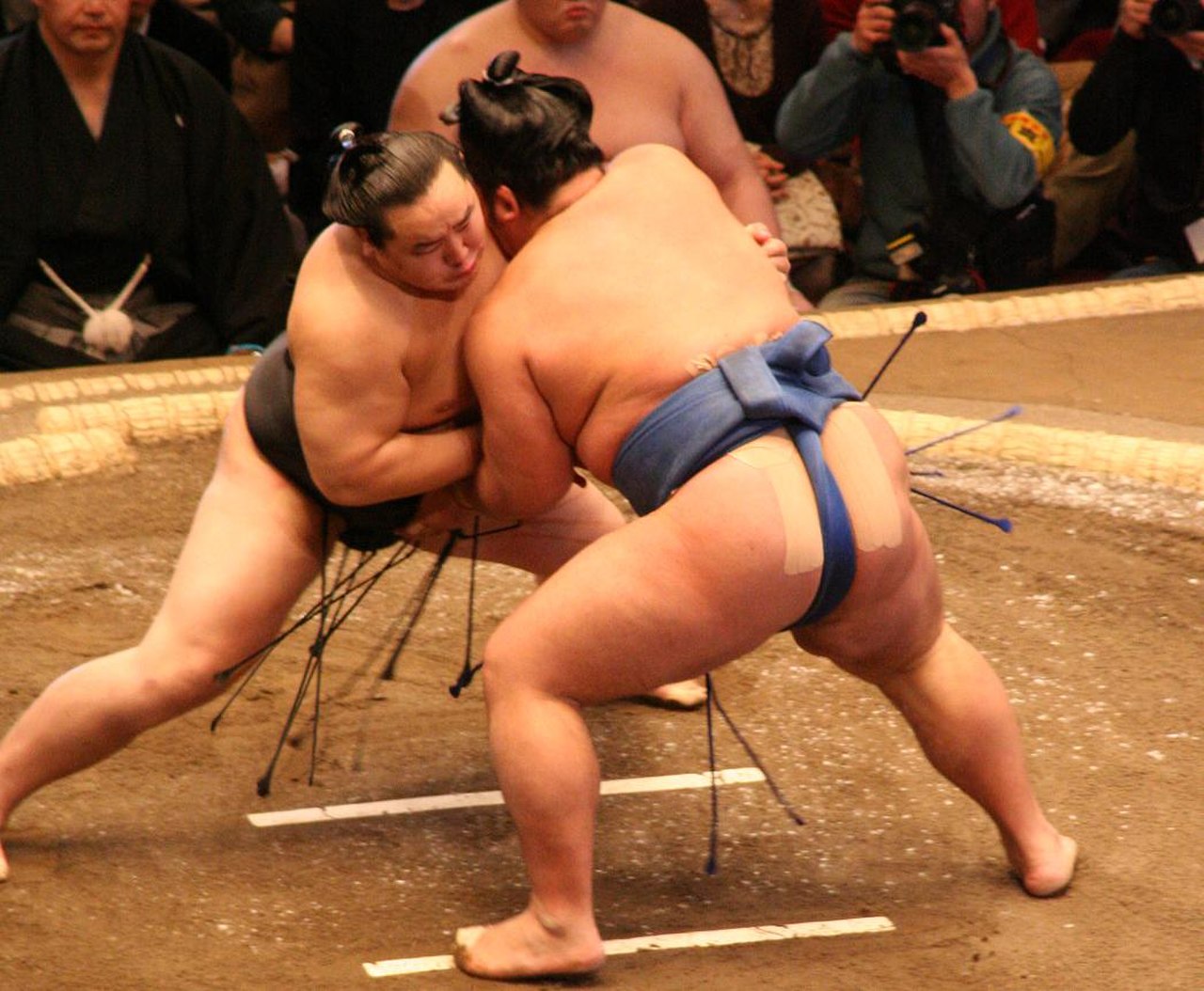
도쿄 료고쿠 지역의 여러 스모 부야(도장)가 오전 6시부터 10시까지 사전 예약한 소규모 그룹에 아침 훈련(게이코)을 공개합니다. 진흙 도효 링 주변 방석 위에 조용히 앉아 입문생부터 챔피언까지 선수들이 강도 높게 훈련하는 모습을 지켜봅니다. 외부인이 스모의 비공개 세계에 가장 가까이 다가갈 수 있는 기회입니다.
📖 가이드 보기 →
숙련된 스시 셰프(이타마에)의 지도 아래 샤리 밥을 양념하고, 야나기바 칼로 생선을 썰고, 니기리와 마키, 테마키 롤을 빚는 방법을 배웁니다. 츠키지, 아사쿠사, 신주쿠에서 2~8인 소규모로 영어 수업이 진행되며, 직접 만든 스시를 먹는 것으로 마무리됩니다. 배운 칼 기술과 밥 짓는 요령만으로도 앞으로 스시를 먹을 때마다 완전히 다른 시각이 생깁니다.
📖 가이드 보기 →
도쿄의 소그룹 라멘 요리 교실에서는 돈코츠, 쇼유, 미소 육수를 처음부터 직접 끓이고, 면을 손으로 빚고, 차슈 삼겹살과 반숙 라멘 에그 등 클래식 토핑을 준비하는 방법을 배웁니다. 수업은 영어로 진행되며 2~3시간 소요되고, 직접 만든 라멘을 먹는 것으로 마무리됩니다. 일본 최고의 음식을 제대로 알게 되는 최고의 입문 과정입니다.
📖 가이드 보기 →
화려한 기모노나 유카타를 빌려 센소지 일대 아사쿠사의 옛 거리를 거니는 체험 — 착용과 헤어스타일링이 포함되어 옛 도쿄를 즐기기 좋은 사진 명소입니다.
📖 가이드 보기 →

방문 전후에 꼭 알아야 할 모든 정보.
수백 개의 호텔 가격을 비교해보세요 — 저렴한 캡슐 호텔부터 럭셔리 료칸까지.
Agoda에서 호텔 검색 → Booking.com에서도 비교하기 → Trip.com에서도 호텔 검색 →