Chubu · 현 여행 가이드

도야마 여행 가이드

직접 걸어서 통과하는 설벽 — 20미터 알프스 설벽 통로, 일본에서 가장 풍요로운 해산물의 만, 밤마다 파란 빛으로 빛나는 반딧불오징어, 일본 최고의 협곡을 달리는 미니 열차

🏔️ 다테야마 알파인 루트 — 4월의 20m 설벽 통로🦐 시로에비 — 도야마만에서만 잡히는 흰새우✨ 호타루이카 — 봄에 빛나는 반딧불오징어🏘️ 고카야마 — 유네스코 세계유산 초가 마을🚂 구로베 협곡 철도 — 일본 최고의 경치를 자랑하는 미니 열차

🗾 소개: Toyama

도야마는 일본 어디에서도 이렇게 가까운 거리에서 찾아볼 수 없는 두 가지 극단적인 환경이 압축된 곳입니다. 해안에서 불과 20킬로미터 내륙으로 들어가면 3,000미터를 넘는 북알프스가 솟아 있고, 해안 바로 앞 도야마만은 수심 1,000미터 이상으로 깊게 파고들어 있습니다. 이러한 지형 덕분에 도야마는 장엄한 알프스 절경과 일본 최고의 해산물 산지라는 두 가지 매력을 동시에 품고 있습니다. 다테야마 구로베 알파인 루트는 일본에서 가장 극적인 산악 횡단 코스로, 케이블카·로프웨이·트롤리버스를 갈아타며 북알프스를 가로지릅니다. 4월과 5월에는 '유키노오타니' 설벽 통로에 최대 20미터 높이의 압축된 눈벽이 만들어져, 그 사이를 걷는 방문객들은 탄성을 자아냅니다. 매년 3월부터 5월까지, 수백만 마리의 호타루이카가 나메리카와 해안 인근 도야마만 수면으로 떠올라 밤이면 전기처럼 파란 빛을 발산하고, 어부들이 바다에서 건져 올리는 광경은 일본에서 손꼽히는 자연 장관입니다. 만의 차갑고 영양이 풍부한 심층수는 세계 어디에서도 이만큼 상업적으로 잡히지 않는 시로에비(흰새우)를 길러내며, 방어·대게 등 다양한 고급 해산물이 가득해 도야마는 일본을 대표하는 스시 여행지로 꼽힙니다.

🌏
위치
주부 지방, 동해 연안 — 니가타·나가노·기후·이시카와와 접경
🗣️
언어
일본어; 알파인 루트·구로베 댐 등 주요 관광지에 영어 안내판 설치
💴
통화
일본 엔화(JPY); 도야마 시내에서는 IC카드 사용 가능; 농촌 지역과 시장에서는 현금 필수
🕐
시간대
JST (UTC+9) — 서머타임 없음
🌡️
최적 시기
4월 중순~6월(다테야마 설벽); 3~5월(호타루이카 시즌); 10~11월(구로베 협곡 단풍); 12~3월(고카야마 적설, 대게 시즌)
✈️
가까운 공항
도야마 공항(TOY) — 도쿄 하네다에서 약 1시간. 호쿠리쿠 신칸센으로 도야마역까지 도쿄에서 약 2시간
🚇
이동 방법
호쿠리쿠 신칸센으로 도야마까지(도쿄에서 2시간); 알파인 루트는 자체 케이블카·버스·트롤리 시스템 운영; 고카야마·구로베 협곡은 렌터카 권장
전원 플러그
A타입, 100V / 50Hz

✈️ 교통편

호쿠리쿠 신칸센 카가야키 열차를 이용하면 도쿄에서 도야마까지 단 2시간이면 도착합니다 — 차창 경치만으로도 충분히 가치 있는 신칸센 여정입니다. 다테야마 구로베 알파인 루트는 동서 방향으로 운행되며 편도 횡단이 가능해, 도야마 쪽에서 진입해 나가노 쪽으로 빠져나가면 같은 길을 되돌아오지 않아도 됩니다.

🚄 도쿄에서 (신칸센)
  • 호쿠리쿠 신칸센 카가야키 (도쿄 → 도야마) — 약 2시간 8분. 가장 빠르고 편리한 옵션. JR 패스 완전 적용.
🚄 오사카·교토에서
  • 특급 선더버드 (오사카 → 가나자와) — 약 2시간 30분, 이후 신칸센으로 도야마까지 18분. 또는 신오사카에서 신칸센 직통으로 약 2시간 30분.
✈️ 항공편
  • 도야마 공항 (TOY) — ANA·JAL 도쿄 하네다 직항 (1시간). 공항버스로 도야마역까지 15분.
🚃 알파인 루트 입구
  • 다테야마역 (도야마 측 입구) — 도야마 지호 철도를 타고 도야마역에서 다테야마역까지 약 50분. 나가노 측 입구는 시나노오마치역 (마쓰모토에서 오이토선).
  • 알파인 루트는 편도 이용이 가능 — 도야마에서 진입해 시나노오마치(나가노)로 나오면 되돌아올 필요가 없습니다.
🚗 도야마 현내 이동
  • 고카야마 — 렌터카 또는 다카오카에서 출발하는 칸에쓰 버스(세계유산 버스, 하루 약 4회 운행 — 시간표 확인 필수). 도야마역에서 렌터카 이용이 가장 편리.
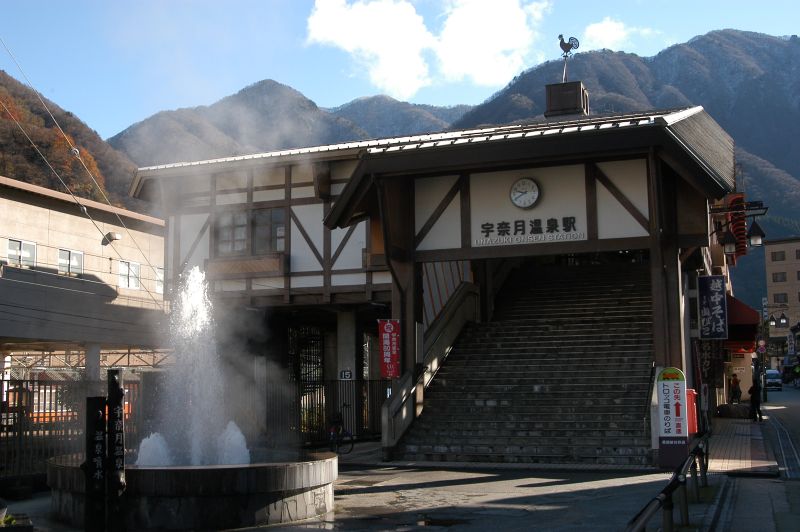
  • 구로베 협곡 철도 — 도야마 지호 철도를 타고 도야마에서 우나즈키온센역까지 약 80분.
  • 도야마 시내 — 도보로 이동 가능한 컴팩트한 규모; 도야마 라이트레일과 시내 노면전차가 유리미술관·성터 공원·역 주변을 연결.
💡 여행 팁다테야마 구로베 알파인 루트는 편도 이용이 가능합니다 — 도야마 측에서 출발해 시나노오마치(나가노)로 나온 뒤 마쓰모토나 도쿄로 이동하면 같은 길을 되돌아오지 않아도 됩니다. 도야마는 도쿄–알프스–교토 여행 루트에 최적의 경유지입니다.

📖 추천 여행 가이드

여행의 모든 측면을 계획하는 데 도움이 되는 심층 가이드 — 주요 관광 명소부터 최고의 레스토랑, 계절 이벤트까지.

⛩️

관광명소

8 곳
Tateyama Kurobe Alpine Route
📍 Tateyama, Toyama

Tateyama Kurobe Alpine Route

One of Japan's great mountain crossings, the Tateyama Kurobe Alpine Route threads through the Northern Alps via cable cars, trolley buses, and ropeways. From mid-April to late June, the famous Yuki no Otani snow corridor rises up to 20 metres on either side of the walking path. The full crossing from Toyama to Nagano is a single unforgettable day.

alps snow corridor mountain crossing cable car
Shirakawa-go (via Toyama Gateway)
📍 Shirakawa-go, Gifu (via Toyama)

Shirakawa-go (via Toyama Gateway)

While Shirakawa-go sits technically in Gifu Prefecture, Toyama is its most convenient gateway via the Tateyama Kurobe Alpine Route or direct buses from Toyama City and Takaoka. The UNESCO village is the most famous collection of gassho-zukuri farmhouses in Japan, best visited in the early morning before tour buses arrive or in winter when the rooftops are buried under snow. Pairing Shirakawa-go with Gokayama on the Toyama side makes for a full day in Japan's most extraordinary rural landscape.

UNESCO gassho-zukuri thatched village day trip
Zuiryuji Temple
📍 Takaoka, Toyama

Zuiryuji Temple

Built in 1663 for the Kaga domain lord Maeda Toshitsune, Zuiryuji is widely regarded as one of the finest Zen temple complexes in Japan, its perfectly proportioned main gate, Buddha hall, and garden aligned on a single sacred axis. The complex is a designated national treasure, its austere Soto Zen structures framed by ancient cedars and a raked gravel garden that stills the mind. Takaoka's quieter pace makes a visit here feel like genuine pilgrimage.

zen temple national treasure Takaoka architecture
Toyama Glass Art Museum
📍 Toyama City, Toyama

Toyama Glass Art Museum

Designed by Pritzker Prize-winning architects SANAA and opened in 2015, Toyama Glass Art Museum is itself a work of art — six levels of interlocking glass floors inside a glittering facade that refracts the city outside. The permanent collection features major installations by international glass artists including Dale Chihuly, whose immense chandelier cascades through the central atrium. The museum is integrated with the city library, making it one of Japan's most visited civic cultural spaces.

contemporary art SANAA glass art architecture
Kurobe Dam
📍 Kurobe, Toyama

Kurobe Dam

Japan's largest arch dam stands 186 metres tall and holds back the brilliant turquoise waters of Lake Kurobe, ringed by the jagged peaks of the Northern Alps. The dam's discharge fountains put on a dramatic show from late June through October, and the surrounding ridgelines explode in crimson and gold foliage every autumn. Getting here is half the adventure, reached via the Alpine Route's trolley bus tunnel bored straight through the mountain.

dam alps autumn foliage engineering
Gokayama UNESCO Gassho Village
📍 Gokayama, Toyama

Gokayama UNESCO Gassho Village

Tucked deep in the Shogawa River valley on Toyama's Gifu border, Gokayama preserves clusters of gassho-zukuri farmhouses whose steep thatched roofs were engineered to shed the heaviest snowfall in Japan. Far quieter than the more famous Shirakawa-go next door, Gokayama lets you wander its lanes with almost no crowds and stay overnight in working farmhouses. In winter, the snow-capped rooftops glow orange in the lantern light of the Doburoku Festival.

UNESCO gassho-zukuri thatched roof historic village
🍜

미식

9 곳
Hotaruika (Firefly Squid) Night Fishing
📍 Namerikawa, Toyama

Hotaruika (Firefly Squid) Night Fishing

From March to May, millions of bioluminescent firefly squid (hotaruika) come to shore in Toyama Bay to spawn, creating a ghostly blue glow visible in dark waters offshore. Viewing boats depart at 3 a.m. from Namerikawa fishing port, and observers watch the glowing blue creatures emerge in waves — one of Japan's most extraordinary natural phenomena.

Firefly Squid Bioluminescence Spring Unique Experience
Toyama Bay Sushi
📍 Toyama City, Toyama

Toyama Bay Sushi

Toyama Bay's extraordinary depth and cold mountain-fed currents produce a concentration of premium seafood found nowhere else in Japan. White shrimp, firefly squid, yellowtail buri, and horsehair crab are all caught here at their seasonal peaks, making Toyama one of the most serious sushi destinations in the country. The city's sushi restaurants serve these treasures simply, letting the Bay's extraordinary produce speak for itself.

sushi seafood white shrimp firefly squid
Hotaru-ika (Firefly Squid)
📍 Namerikawa, Toyama

Hotaru-ika (Firefly Squid)

Every spring from March to May, millions of firefly squid migrate into the shallows of Toyama Bay at night and glow an otherworldly blue as fishermen scoop them up in huge nets off the Namerikawa coast. Eaten fresh the same morning, hotaru-ika have a rich, intensely oceanic flavour quite different from the pickled version sold as a condiment nationwide. The Namerikawa coast hosts boat tours so visitors can witness the bioluminescent spectacle from the water.

firefly squid bioluminescence spring Namerikawa
Hotaru-ika Squid Festival
📍 Namerikawa, Toyama

Hotaru-ika Squid Festival

Each April, the port town of Namerikawa celebrates the firefly squid season with an outdoor festival centred on the fishing boats that have worked these waters for generations. Night observation tours depart before dawn so visitors can watch the haul of glowing squid come in over the boat's side, and the morning market sells fresh hotaru-ika for eating on the spot. The Hotaruika Museum runs exhibits on the squid's bioluminescence biology alongside the seasonal events.

firefly squid Namerikawa April festival night fishing
Toyama Bay Seafood Market (Shinminato)
📍 Shinminato, Toyama

Toyama Bay Seafood Market (Shinminato)

The Shinminato Kitokito Market on the Toyama Bay waterfront is the most direct way to taste the Bay's famous diversity — vendors sell fresh white shrimp, yellowtail, snow crab, and seasonal fish pulled from the water the same morning. The market's kitchen stalls let you eat grilled or raw fish on the waterfront with the Northern Alps visible across the water on clear days. Arriving by 9am ensures the best selection before the day's catch sells out.

fish market Shinminato fresh seafood morning market
Shiro-ebi (White Shrimp)
📍 Toyama City, Toyama

Shiro-ebi (White Shrimp)

Translucent and barely an inch long, the shiro-ebi or white shrimp is found in commercial quantities only in Toyama Bay, hauled from depths of 200–300 metres and brought to market within hours. Their flavour is delicate and sweet, best showcased as kakiage tempura — a golden fritter in which dozens of tiny shrimp cluster together — or draped over a finger of pressed rice as nigiri. Every sushi counter in Toyama lists them as the signature item.

white shrimp Toyama Bay exclusive tempura sushi
🏔️

자연

11 곳
Tateyama Kurobe Snow Wall (Yukino Otani)
📍 Tateyama, Toyama

Tateyama Kurobe Snow Wall (Yukino Otani)

Every April to June, the ploughed road through the Tateyama Kurobe Alpine Route creates a canyon through 20-m walls of compacted snow — the Yukino Otani Snow Corridor. Walking this trench of white between towering snow cliffs with blue sky above is one of Japan's most uniquely spectacular spring experiences, entirely inaccessible without the dedicated bus and trolleybus route.

Snow Wall Alpine Route Spring Spectacular
Firefly Squid Season — Namerikawa Coast
📍 Namerikawa, Toyama

Firefly Squid Season — Namerikawa Coast

The Namerikawa coastline becomes one of Japan's most magical natural spectacles from March to May, when firefly squid rise to the surface at night in their millions and turn the sea electric blue. Fishing boats use traditional net-scooping methods unchanged for generations, and the Hotaruika Museum in Namerikawa runs boat tours that put you in the middle of the action before dawn. On a calm spring night the glow can be seen from the shore even without boarding a boat.

bioluminescence Namerikawa night tour spring
Tateyama Snow Corridor (Yuki no Otani)
📍 Murodo Plateau, Tateyama

Tateyama Snow Corridor (Yuki no Otani)

Every April the snowploughs carve an open-air corridor through up to 20 metres of compacted snow on the Murodo plateau, creating walls that dwarf every visitor who walks between them. The corridor is open from mid-April through late June, with the walls at their most dramatic in the first weeks after opening. It is one of Japan's most surreal and photogenic seasonal spectacles.

snow walls yuki no otani spring tateyama
Hotaruika (Firefly Squid) Night Fishing
📍 Namerikawa, Toyama

Hotaruika (Firefly Squid) Night Fishing

From March to May, millions of bioluminescent firefly squid (hotaruika) come to shore in Toyama Bay to spawn, creating a ghostly blue glow visible in dark waters offshore. Viewing boats depart at 3 a.m. from Namerikawa fishing port, and observers watch the glowing blue creatures emerge in waves — one of Japan's most extraordinary natural phenomena.

Firefly Squid Bioluminescence Spring Unique Experience
Kurobe Gorge Railway
📍 Kurobe, Toyama

Kurobe Gorge Railway

Japan's most dramatic narrow-gauge railway squeezes through the sheer walls of Kurobe Gorge in open-air carriages, hugging cliffsides and crossing delicate bridges above turquoise water. The 20-kilometre route from Unazuki to Keyakidaira takes about 80 minutes each way through tunnel after tunnel and soaring viaduct after viaduct. October transforms the gorge walls into a cathedral of crimson maples and gold larches, making autumn the single most spectacular time to ride.

gorge railway autumn foliage miniature train open-air
Hotaru-ika (Firefly Squid)
📍 Namerikawa, Toyama

Hotaru-ika (Firefly Squid)

Every spring from March to May, millions of firefly squid migrate into the shallows of Toyama Bay at night and glow an otherworldly blue as fishermen scoop them up in huge nets off the Namerikawa coast. Eaten fresh the same morning, hotaru-ika have a rich, intensely oceanic flavour quite different from the pickled version sold as a condiment nationwide. The Namerikawa coast hosts boat tours so visitors can witness the bioluminescent spectacle from the water.

firefly squid bioluminescence spring Namerikawa
🎿

레저

5 곳
Kurobe Gorge Railway
📍 Kurobe, Toyama

Kurobe Gorge Railway

Japan's most dramatic narrow-gauge railway squeezes through the sheer walls of Kurobe Gorge in open-air carriages, hugging cliffsides and crossing delicate bridges above turquoise water. The 20-kilometre route from Unazuki to Keyakidaira takes about 80 minutes each way through tunnel after tunnel and soaring viaduct after viaduct. October transforms the gorge walls into a cathedral of crimson maples and gold larches, making autumn the single most spectacular time to ride.

gorge railway autumn foliage miniature train open-air
Toyama Glass Art Museum
📍 Toyama City, Toyama

Toyama Glass Art Museum

Designed by Pritzker Prize-winning architects SANAA and opened in 2015, Toyama Glass Art Museum is itself a work of art — six levels of interlocking glass floors inside a glittering facade that refracts the city outside. The permanent collection features major installations by international glass artists including Dale Chihuly, whose immense chandelier cascades through the central atrium. The museum is integrated with the city library, making it one of Japan's most visited civic cultural spaces.

contemporary art SANAA glass art architecture
Toyama Bay Seafood Market (Shinminato)
📍 Shinminato, Toyama

Toyama Bay Seafood Market (Shinminato)

The Shinminato Kitokito Market on the Toyama Bay waterfront is the most direct way to taste the Bay's famous diversity — vendors sell fresh white shrimp, yellowtail, snow crab, and seasonal fish pulled from the water the same morning. The market's kitchen stalls let you eat grilled or raw fish on the waterfront with the Northern Alps visible across the water on clear days. Arriving by 9am ensures the best selection before the day's catch sells out.

fish market Shinminato fresh seafood morning market
Tateyama Alpine Resort Skiing
📍 Tateyama, Toyama

Tateyama Alpine Resort Skiing

With skiing available above 2,000 metres until late April and sometimes into May, Tateyama offers some of the latest-season alpine runs accessible in Japan. The combination of deep mountain snowpack and relatively easy access via the Alpine Route makes it a favourite for skiers and snowboarders seeking spring powder long after other resorts have closed. The panoramic views of the entire Northern Alps range from the upper slopes add a scenery dimension that lower-altitude resorts cannot match.

skiing above 2000m late season tateyama
Takaoka Copperware Workshop
📍 Takaoka, Toyama

Takaoka Copperware Workshop

Takaoka has produced 90 percent of Japan's bronze Buddhist altar fittings for over 400 years, and a handful of workshops in the old casting district still welcome visitors to see molten metal poured into sand moulds and finished by hand. The craft tradition that cast the Takaoka Great Buddha is alive in the small workshops around Sotokanaya-cho, where artisans make everything from temple bells to tea ceremony kettles. Finished pieces — vases, cups, incense burners — make among the most distinctive souvenirs in Toyama.

copperware traditional craft workshop Takaoka
🎆

이벤트

7 곳
Owara Kaze no Bon Festival
📍 Toyama City, Toyama

Owara Kaze no Bon Festival

Each September 1–3, the village of Yatsuo performs the hauntingly graceful Owara dance through the lantern-lit stone streets in a festival marking the end of summer typhoon season. Dancers in conical straw hats perform slow, flowing movements to mournful shamisen and kokyuu fiddle — considered Japan's most aesthetically beautiful folk dance festival.

Dance Autumn Festival Graceful October
Firefly Squid Season — Namerikawa Coast
📍 Namerikawa, Toyama

Firefly Squid Season — Namerikawa Coast

The Namerikawa coastline becomes one of Japan's most magical natural spectacles from March to May, when firefly squid rise to the surface at night in their millions and turn the sea electric blue. Fishing boats use traditional net-scooping methods unchanged for generations, and the Hotaruika Museum in Namerikawa runs boat tours that put you in the middle of the action before dawn. On a calm spring night the glow can be seen from the shore even without boarding a boat.

bioluminescence Namerikawa night tour spring
Tateyama Snow Corridor Opening (Yuki no Otani)
📍 Murodo Plateau, Tateyama

Tateyama Snow Corridor Opening (Yuki no Otani)

Every year in mid-April, the Tateyama Murodo plateau reopens after winter with walls of snow reaching up to 20 metres on either side of the walking route — an annual spectacle that draws visitors from across Japan and around the world. The corridor opening is staggered over several days as the road is cleared, and the first weeks of the season see the tallest walls before gradual melting sets in. Arriving on opening week guarantees the most dramatic scale and the best photographs.

snow walls seasonal opening mid-April tateyama
Tateyama Snow Corridor (Yuki no Otani)
📍 Murodo Plateau, Tateyama

Tateyama Snow Corridor (Yuki no Otani)

Every April the snowploughs carve an open-air corridor through up to 20 metres of compacted snow on the Murodo plateau, creating walls that dwarf every visitor who walks between them. The corridor is open from mid-April through late June, with the walls at their most dramatic in the first weeks after opening. It is one of Japan's most surreal and photogenic seasonal spectacles.

snow walls yuki no otani spring tateyama
Gokayama Doburoku Festival
📍 Gokayama, Toyama

Gokayama Doburoku Festival

Every October the UNESCO-listed gassho villages of Gokayama celebrate the autumn harvest with the Doburoku Festival, at which a thick unfiltered sake called doburoku — brewed using a rare shrine licence granted nowhere else in Japan — is offered to the gods and shared with visitors. The festival unfolds inside thatched farmhouses and the village shrine to the sound of lion dances and ancient chants, the autumn foliage blazing on the hillside above. Staying overnight in a gassho farmhouse for the festival is one of Toyama's most immersive cultural experiences.

doburoku sake UNESCO village October harvest festival
Hotaru-ika Squid Festival
📍 Namerikawa, Toyama

Hotaru-ika Squid Festival

Each April, the port town of Namerikawa celebrates the firefly squid season with an outdoor festival centred on the fishing boats that have worked these waters for generations. Night observation tours depart before dawn so visitors can watch the haul of glowing squid come in over the boat's side, and the morning market sells fresh hotaru-ika for eating on the spot. The Hotaruika Museum runs exhibits on the squid's bioluminescence biology alongside the seasonal events.

firefly squid Namerikawa April festival night fishing
🎌

체험

1 곳
Toyama Glass Art Workshop
📍 Toyama City, Toyama

Toyama Glass Art Workshop

Toyama City is Japan's glass art capital — home to the Toyama City Institute of Glass Art and over 20 glass studios producing internationally exhibited works. Beginner glass-blowing workshops run at several studios where instructors guide participants in gathering molten glass on a blowpipe, shaping it with jacks and paddles, and creating a small vase or bowl to take home once cooled.

Glass Art Blowing Workshop Contemporary Craft

💡 실용 여행 정보

방문 전후에 꼭 알아야 할 모든 정보.

📅
도야마 방문 최적 시기
  • 4월 중순~6월 하순 — 설벽 통로(유키노오타니)는 4월 개통 후 첫 2주 동안 가장 높고 장관입니다 — 최대 20미터. 3~5월은 호타루이카 시즌과도 겹칩니다.
  • 10~11월 — 구로베 협곡이 붉고 황금빛 단풍으로 물듭니다. 고카야마의 도부로쿠 축제도 단풍 절정기와 맞물립니다.
  • 12~3월 — 깊은 적설로 뒤덮인 고카야마는 더욱 특별한 모습을 드러내고, 대게 시즌이 최고조에 달합니다. 무거운 흰 지붕 아래 500년 전 모습 그대로인 마을 풍경을 만날 수 있습니다.
🏔️
다테야마 알파인 루트 팁
  • 4월 중순~5월 초에는 사전 예약이 필수입니다 — 도야마에서 시나노오마치까지의 통관권은 몇 주 전에 매진됩니다. 전체 횡단에는 하루가 필요합니다.
  • 다테야마역에서 이른 시간(오전 7시 이후 첫 번째 또는 두 번째 케이블카)에 출발해 정오 이전에 설벽 통로에 도달하세요.
  • 해발 2,450m 고도에 맞는 복장을 갖추세요 — 5월에도 바람이 불면 기온이 0도까지 떨어질 수 있습니다. 무로도 고원은 산 아래와 다릅니다.
  • 산을 정면으로 관통하는 트롤리버스 터널은 이 루트에서 손꼽히는 공학적 진기함입니다 — 무로도에 도착한 후 설벽 통로 자체는 무료로 걸을 수 있습니다.
🦐
도야마만 해산물 팁
  • 도야마역 근처 스시 거리 또는 신미나토의 키토키토 시장에서 가장 신선한 아침 어획물을 만나보세요. 도야마만 스시 세트(富山湾鮨セット) — 시로에비, 호타루이카(제철), 방어가 약 ¥3,500~¥5,000의 고정 가격으로 제공됩니다.
  • 마스즈시(송어 누름 초밥)는 도야마역 내 생산자 매장에서 구입하는 것이 가장 좋습니다 — 마스노스시 뮤지엄 숍 또는 역 내 원조 매장. 공항판과 신선도가 확연히 다릅니다.
  • 도야마 구로 라멘 — 원조 니시토모야 또는 역 근처 타이키에서 점심 때 맛보세요. 석탄처럼 검은 국물은 아직도 전후 원조 레시피로 만들어집니다.
🏘️
고카야마 팁
  • 고카야마에는 두 개의 주요 마을이 있습니다: 아이노쿠라(규모가 크고 가장 경치가 좋음 — 언덕에 20채의 갓쇼즈쿠리 가옥이 늘어서 있고 파노라마 전망대가 있음)와 스가누마(작고 아늑한 분위기, 훌륭한 민속 박물관).
  • 시라카와고와 달리 고카야마는 방문객이 훨씬 적고, 많은 갓쇼즈쿠리 가옥에 아직도 사람이 살고 있습니다 — 목소리를 낮추고 표시된 길만 이용하세요.
  • 갓쇼즈쿠리 민박 농가에서의 1박 숙박은 도야마에서 가장 분위기 있는 숙박 경험입니다 — 10월 도부로쿠 축제 주말에는 몇 달 전부터 예약하세요.

🏨 Toyama 호텔 찾기

수백 개의 호텔 가격을 비교해보세요 — 저렴한 캡슐 호텔부터 럭셔리 료칸까지.

Booking.com에서 검색 →

🎌 투어 & 체험

가이드 투어, 당일치기 여행, 요리 교실, 문화 체험을 예약하세요.

Viator에서 투어 보기 →

🗺️ 액티비티 & 명소

줄 서지 마세요 — 입장권, 당일 투어, 현지 체험을 미리 예약하세요.

GetYourGuide에서 탐색 →

🎟️ Toyama에서 즐길 거리

Klook에서 Toyama의 티켓, 교통 패스, 독특한 현지 체험을 발견하세요.

Klook에서 예약 →

🚄 JR 패스 & 기차 티켓

도착 전에 온라인으로 일본 철도 패스를 구매하세요 — 신칸센으로 일본 전국을 여행하는 가장 쉬운 방법입니다.

JRPass.com에서 구매 →
🗺️ Plan